Why Every Nurse Needs Slip-Resistant Shoes Before Their Next Shift
Nursing shoes slip resistant designs are no longer optional — they’re a frontline safety tool for anyone logging 12-hour shifts on polished hospital floors.
Here are the top slip-resistant options worth considering in 2026:
| Shoe | Best For | Star Rating | Reviews |
|---|---|---|---|
| Skechers Squad SR | Everyday athletic wear | 4.3 / 5 | 51,129 |
| Crocs On The Clock | Easy-clean clog style | 4.3 / 5 | 33,492 |
| Hoka Bondi SR | Maximum grip + cushion | Top rated | Lab tested |
| LARN SAFETY Men’s | Budget-friendly option | 4.1 / 5 | 3,881 |
| Sticky Nursing Shoes | General nursing use | 4.1 / 5 | 11,329 |
Nurses can record up to 16,000 steps per shift. That’s a staggering amount of movement on surfaces that are frequently wet, waxed, or contaminated with spills. A single slip on a polished hospital floor can mean injury — for you or a patient depending on you.
The right pair of shoes does two things at once: it keeps you safe and keeps you comfortable through every hour of a demanding shift.
That’s exactly what this guide covers — the best slip-resistant nursing shoes available right now, what makes them work, and how to choose the right pair for your feet and your floor.
I’m Faisal S. Chughtai, a footwear expert with a career dedicated to helping people find performance-driven shoes for demanding, on-your-feet lifestyles — including the best nursing shoes slip resistant options for healthcare professionals. I’ll walk you through everything you need to make a confident, well-informed choice before your next shift.
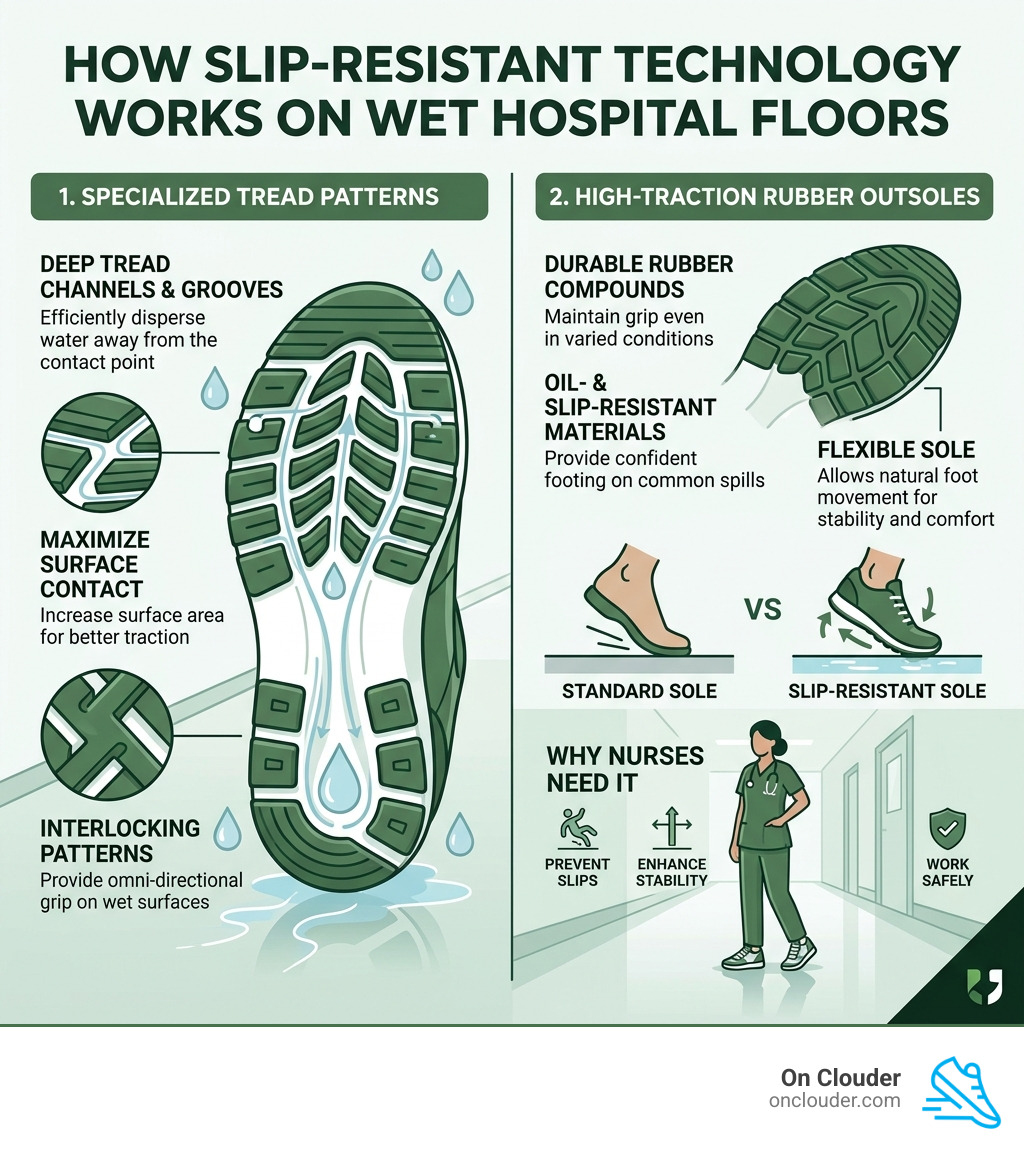
Quick nursing shoes slip resistant terms:
Why Nursing Shoes Slip Resistant Technology is Essential for 2026
In the high-stakes world of healthcare, the floor is rarely just a floor. It is a potential hazard zone filled with water, saline, bodily fluids, and freshly buffed wax. This is why understanding The Science Of Comfortable Shoes For Nursing Work is so vital. It isn’t just about soft foam; it’s about the chemistry of the outsole.
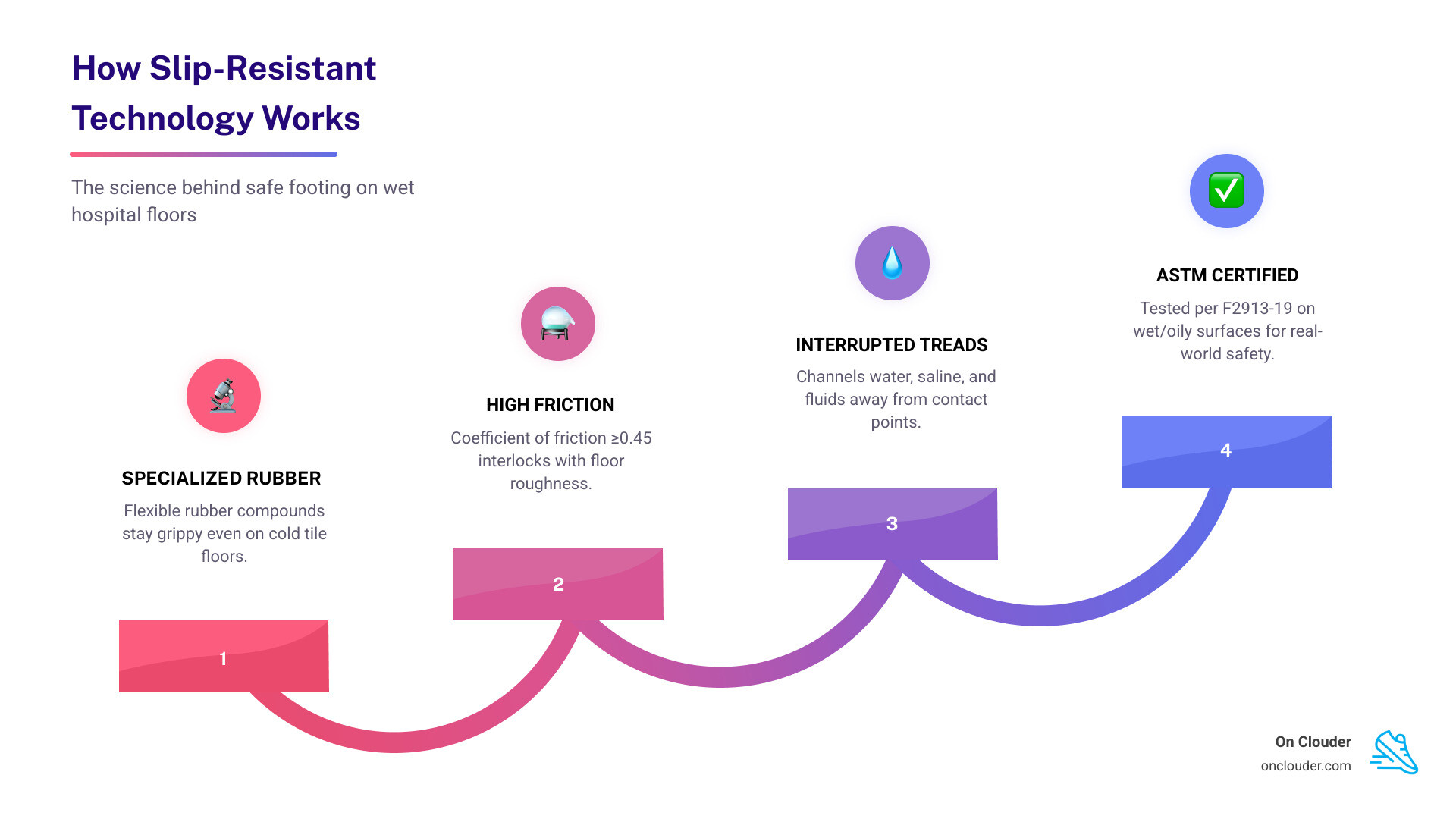
To be truly effective, nursing shoes slip resistant technology relies on specialized rubber compounds. Unlike standard sneakers, these outsoles are engineered to stay flexible even on cold tile, allowing the rubber to “interlock” with the microscopic roughness of the floor. This is measured by the coefficient of friction. In professional lab testing, a score of at least 0.45 is the gold standard for hospital environments to ensure you don’t go sliding during a Code Blue.
Modern safety standards, specifically the ASTM F2913-19, provide a benchmark for how these shoes perform in the real world. When you see this rating, it means the shoe has been tested against wet and oily surfaces. As highlighted in The Definitive Guide To Non Slip Sneakers For Work, the tread pattern also plays a massive role. High-performance shoes use “interrupted” patterns that channel fluids away from the bottom of the shoe, much like a rain tire on a car, preventing a layer of liquid from forming between your foot and the ground.
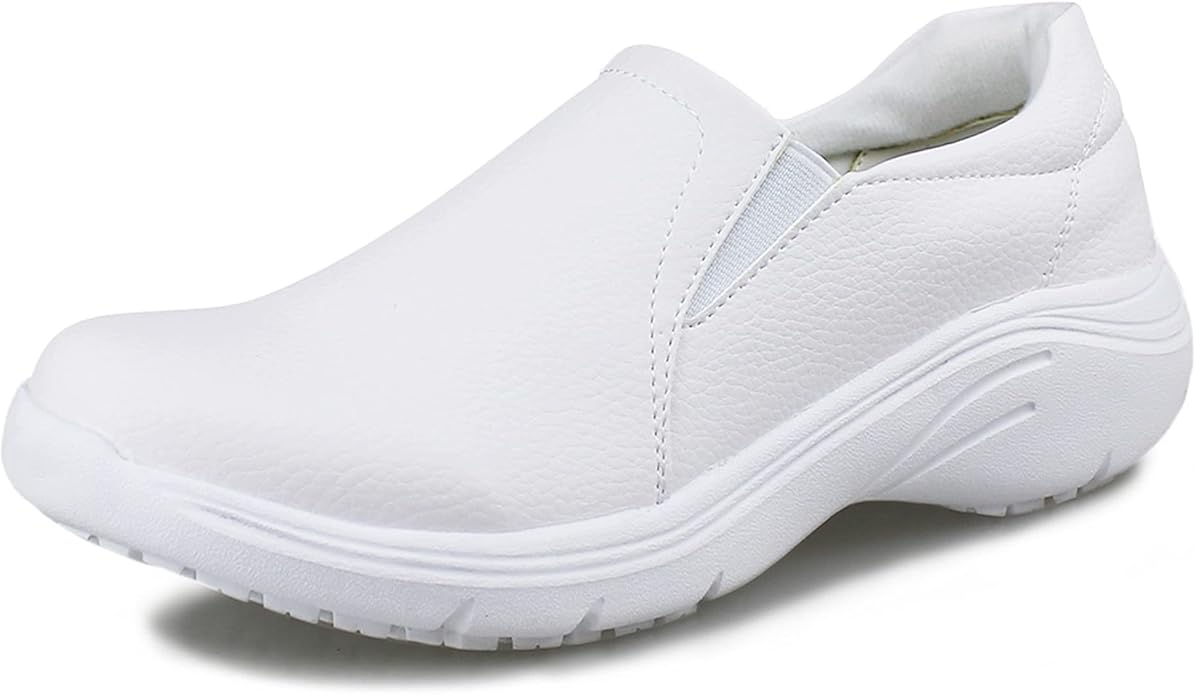
Choosing high-traction materials is a proactive way to reduce workplace injuries. According to Non-Slip Nursing Shoes – Scrubs & Beyond, these shoes combine durability with specialized treads to minimize falls in clinics. When you’re rushing between patient rooms, you need to know that your footing is secure, regardless of what might have just spilled in the hallway.
Top-Rated Footwear for Healthcare Professionals
Finding the right balance between weight, price, and safety can be a challenge. We have analyzed the market to bring you a snapshot of how the leading options stack up in 2026.
| Feature | Athletic Styles | Traditional Clogs | Specialist Medical Shoes |
|---|---|---|---|
| Weight | 7 oz – 10 oz | 10 oz – 12 oz | 9 oz – 11 oz |
| Price Range | $60 – $160 | $50 – $100 | $80 – $150 |
| Primary Benefit | Breathability & Speed | Spill Protection | Orthotic Support |
| Cleaning | Machine/Hand Wash | Wipeable | Wipeable/Stain-Resistant |
Whether you prefer the sleek look of a runner or the classic silhouette of medical footwear, there is a slip-resistant option tailored for you. Brands featured in the Nursing & Medical Shoes – Alegria Shoes collection, for example, often emphasize a combination of slip-resistant outsoles and patented footbeds designed specifically for the anatomical needs of healthcare workers.
Top-Rated Athletic Nursing Shoes Slip Resistant for High-Activity Shifts
For the nurse who is constantly on the move, athletic-style nursing shoes slip resistant models offer the best energy return. The Skechers Squad SR is a perennial favorite, boasting over 50,000 reviews. Its appeal lies in its lightweight design and the memory foam insole that provides immediate “step-in” comfort. It’s a staple in our Tag/Non Slip Sneakers recommendations because it bridges the gap between a casual trainer and a serious work shoe.
If you require maximum shock absorption, the Hoka Bondi SR is a powerhouse. Lab tests show its outsole is roughly 3.7% softer than the average work shoe, which allows it to “grip” polished hospital floors with incredible intensity. It’s designed for those who suffer from joint fatigue after standing for hours.
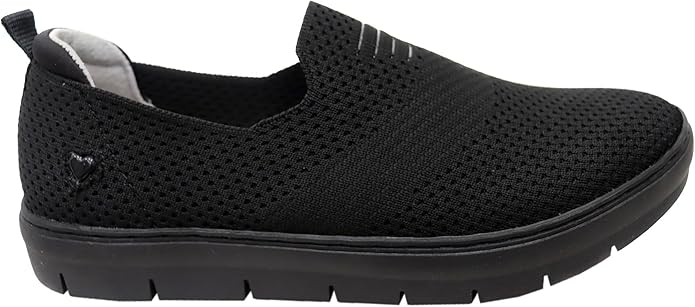
Another excellent lightweight contender is the Adela II | Nurse Mates. This shoe is an evolution of a classic, utilizing breathable fabric uppers and a slip-resistant rubber outsole that is rated for full traction on wet surfaces. For more athletic inspirations, check out our curated list of Tag/Shoes For Nurses, which focuses on styles that support rapid movement without sacrificing safety.
Professional Clogs and Nursing Shoes Slip Resistant for Spill Protection
Clogs remain a hospital icon for a reason: they offer superior protection against falling needles and liquid spills. The Crocs On The Clock Work Clog is a top-tier choice for those who want an easy-clean, waterproof option. We’ve covered these extensively in our guide on how to Dont Slip Up With These Top Rated Clog Work Shoes.
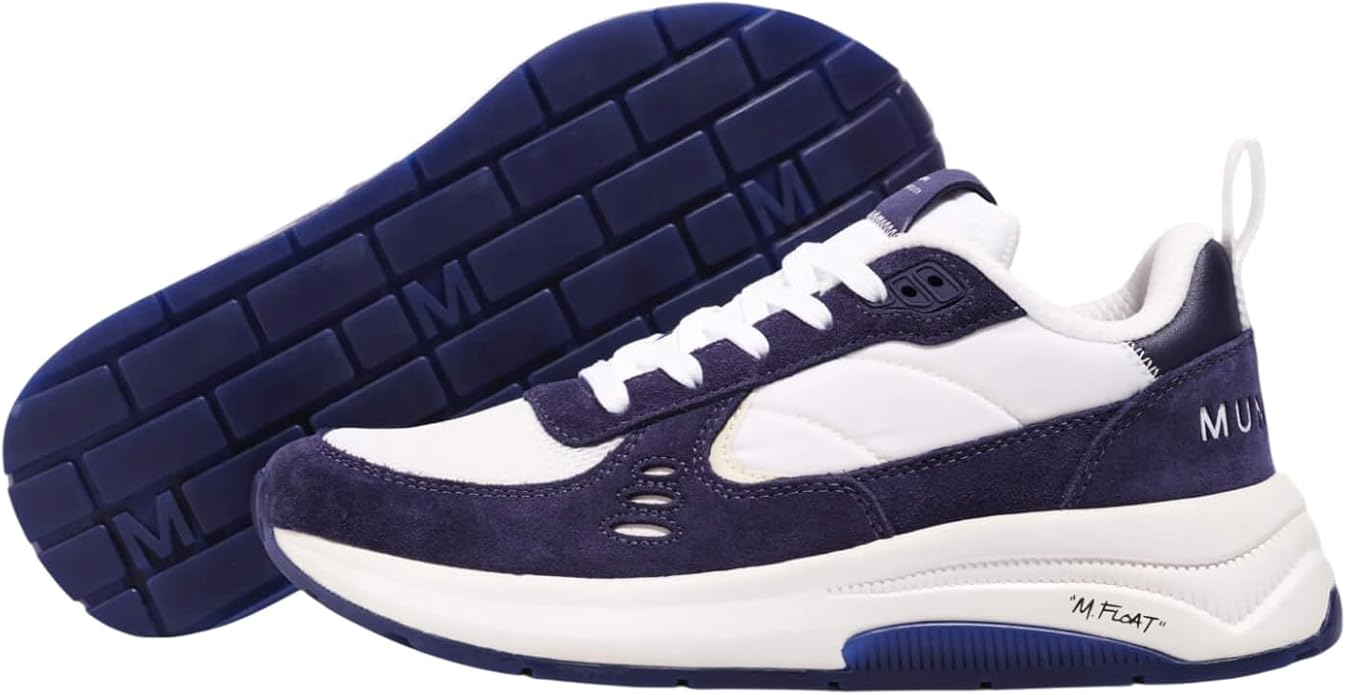
For a more professional leather aesthetic, the Dove | Nurse Mates is a best-seller. It features a stain-resistant finish that can be easily disinfected with standard hospital wipes. If you’re looking for high-tech safety, the Lila Karina RX Women’s Black & White Slip-Resistant Shoes for Nurses incorporates TRIPGUARD™ technology. This feature is a tapered toe area that reduces the risk of tripping when moving between different floor types—like moving from a slippery tiled hallway to a carpeted waiting room.
Specialized Orthotic Support for Long Shifts
Comfort isn’t just about softness; it’s about alignment. Proper nursing shoes slip resistant options often include corrective footbeds. The Align™ orthotic found in the Cascade | Nurse Mates and the Calliope | Nurse Mates is designed to place the foot in a more neutral position, which can reduce strain on the knees and lower back.
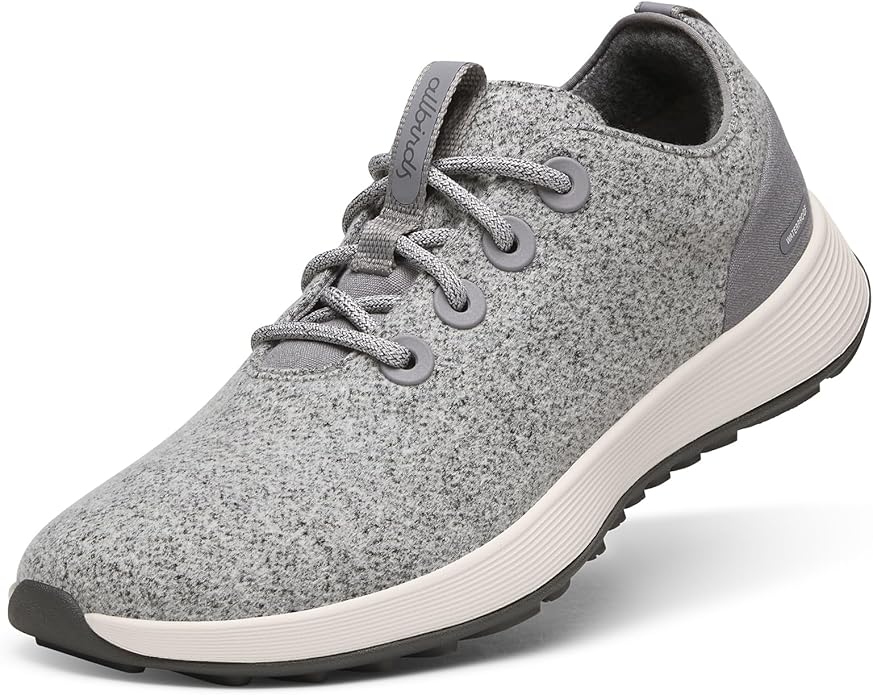
For those interested in premium cushioning, REVIVE™ foam technology offers 20% more rebound than standard EVA. This high-rebound material helps “propel” you forward, making those last few hours of a shift feel a little less grueling. If you are a fan of modern Swiss engineering, you might also find inspiration in The Best On Cloud Shoes For Standing All Day Nurse Teacher Approved, which focuses on multi-directional cushioning and impact reduction.
Essential Features for Maximum Comfort and Safety
When shopping for your next pair, don’t just look at the price tag. Look at the “guts” of the shoe.
- Waterproofing and Fluid Resistance: In a hospital, “waterproof” often means “protection.” Whether it’s a spilled IV bag or something more unpleasant, you want a barrier. Learn more in our Waterproof Safety Shoes 101 guide.
- Moisture-Wicking Linings: 12 hours is a long time for your feet to be trapped. Look for antimicrobial linings that pull sweat away from the skin to prevent blisters and odors.
- Lightweight EVA Midsoles: Every ounce matters when you’re hitting 16,000 steps. Modern EVA (Ethylene Vinyl Acetate) provides the cushion of a cloud without the weight of traditional rubber.
- Toe Protection: While you might not need a steel toe, a reinforced toe box—like those discussed in The Ultimate Guide To Womens Steel Toe Sneakers—can protect you from heavy equipment or rolling carts.
Always ensure your choice is tagged as Tag/Slip Resistant to guarantee the outsole is up to professional standards.
Frequently Asked Questions about Slip-Resistant Footwear
How often should I replace my nursing shoes to maintain grip?
Most high-quality nursing shoes are designed to last between 300 and 500 miles. For a busy nurse, this usually means replacing your shoes every 6 to 9 months. Even if the upper looks perfect, the “grip” and the “squish” are likely compromised.
As we discuss in our Tag/Nursing Shoes section, once the tread pattern starts to smooth out (known as “balding”), the slip resistance drops significantly. Furthermore, the internal foam needs time to recover. We recommend rotating between two pairs to allow the cushioning to decompress, which can extend the life of both pairs.
What is the difference between slip-resistant and oil-resistant soles?
While they sound similar, they serve different purposes. Slip-resistant soles are designed to create friction on wet surfaces (like water or saline). Oil-resistant soles are made from a specific rubber compound that won’t “swell” or degrade when it comes into contact with chemicals or greases.
For the Tag/Nurse Life, slip resistance is usually the priority, though oil resistance is a nice bonus if you frequently walk through hospital kitchens or maintenance areas. Always check the specific friction coefficient ratings if you work in high-risk environments.
How do I properly clean my slip-resistant outsoles?
The secret to maintaining grip is keeping the tread clear. Dirt, floor wax buildup, and debris can fill the grooves of your nursing shoes slip resistant soles, turning them into “skis.”
We recommend using standard hospital “job wipes” or a soft brush with mild soap to clear the channels. For leather uppers, like those on the Nurse Mates Dove, a quick wipe-down keeps them looking professional and prevents stains from setting. Never put leather shoes in the dryer, as this can crack the material and ruin the adhesive holding the slip-resistant sole in place.
At On Clouder, we know that nurses are the backbone of the healthcare system, and you shouldn’t have to worry about your safety while you’re saving lives. Choosing the right nursing shoes slip resistant pair is an investment in your career, your safety, and your long-term health.
Whether you opt for the maximum cushion of a Hoka, the classic reliability of a Nurse Mates clog, or the lightweight agility of a Skechers runner, prioritize a shoe that meets ASTM standards and offers the arch support your unique feet require.
Ready to upgrade your work gear? Find your perfect pair of nursing shoes today and experience the difference that professional-grade traction can make. Your feet (and your back) will thank you.