Don’t Hit the Wall: The Best Marathon Training Shoes 2026 at a Glance
The best marathon training shoes 2024 can make or break your training block — whether you’re tackling your first 26.2 miles or chasing a new personal best.
Here’s a quick-reference list of the top picks by runner type:
| Runner Type | Best Shoe Pick | Why It Works |
|---|---|---|
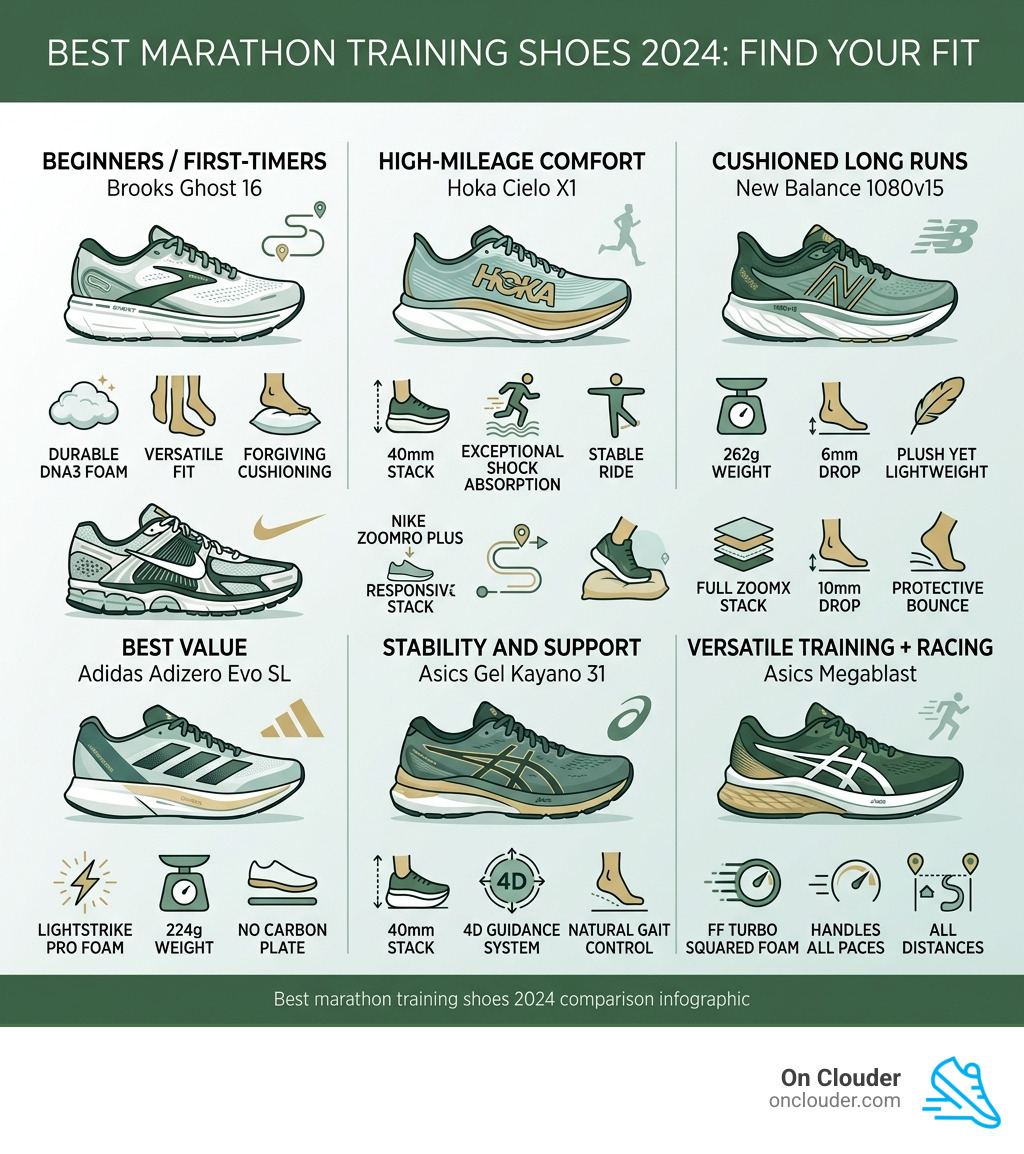
| Beginners / First-timers | 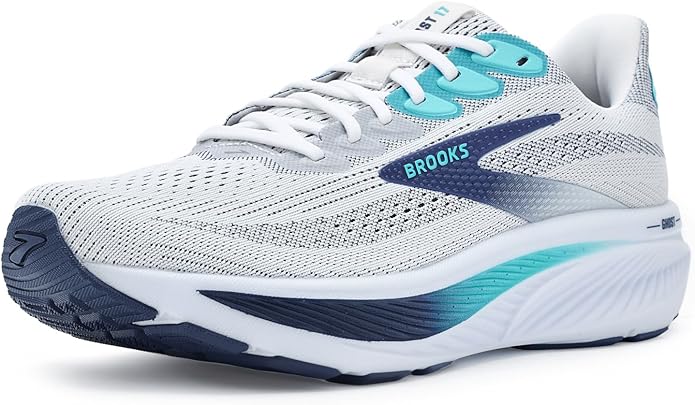 Brooks Ghost 16 | Durable DNA3 foam, versatile fit, forgiving cushioning |
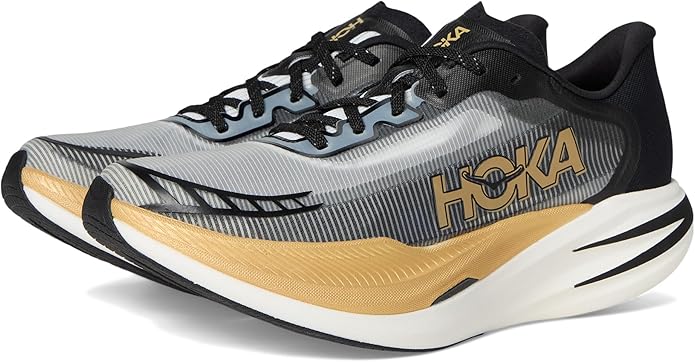
| High-mileage comfort |
Advertisement | 40mm stack, exceptional shock absorption, stable ride |
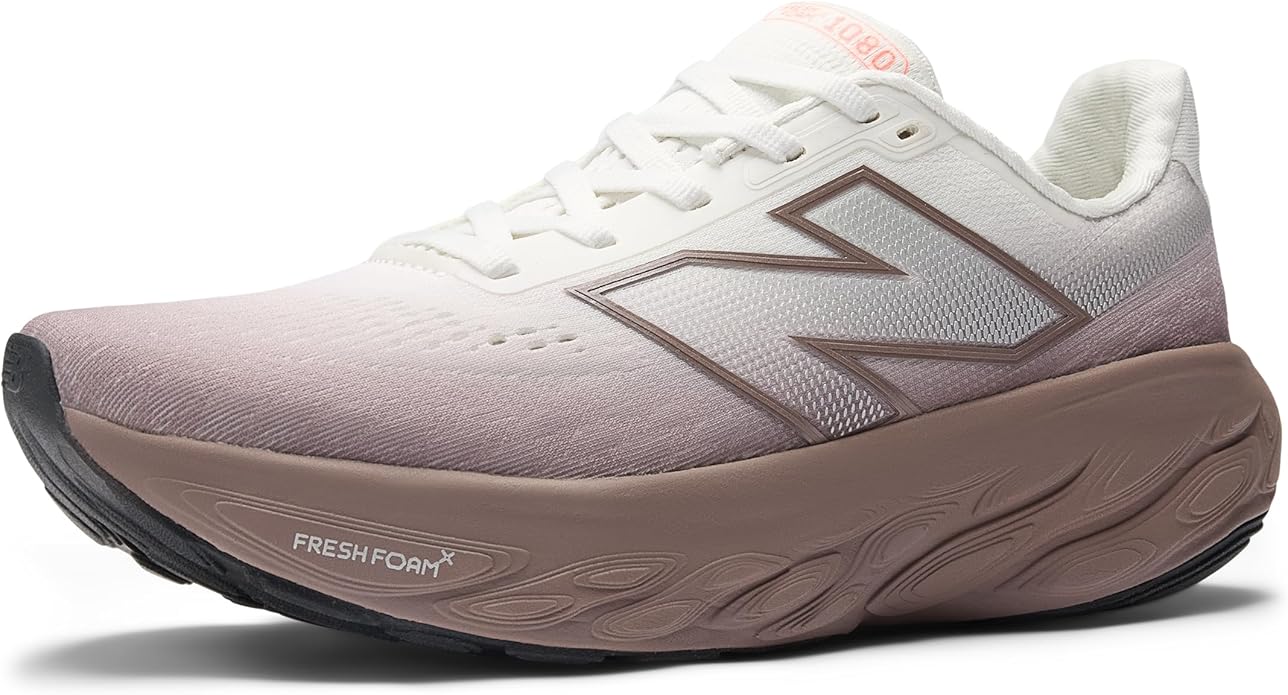
| Cushioned long runs |
| 262g, 6mm drop, plush yet lightweight |
| Maximum comfort | 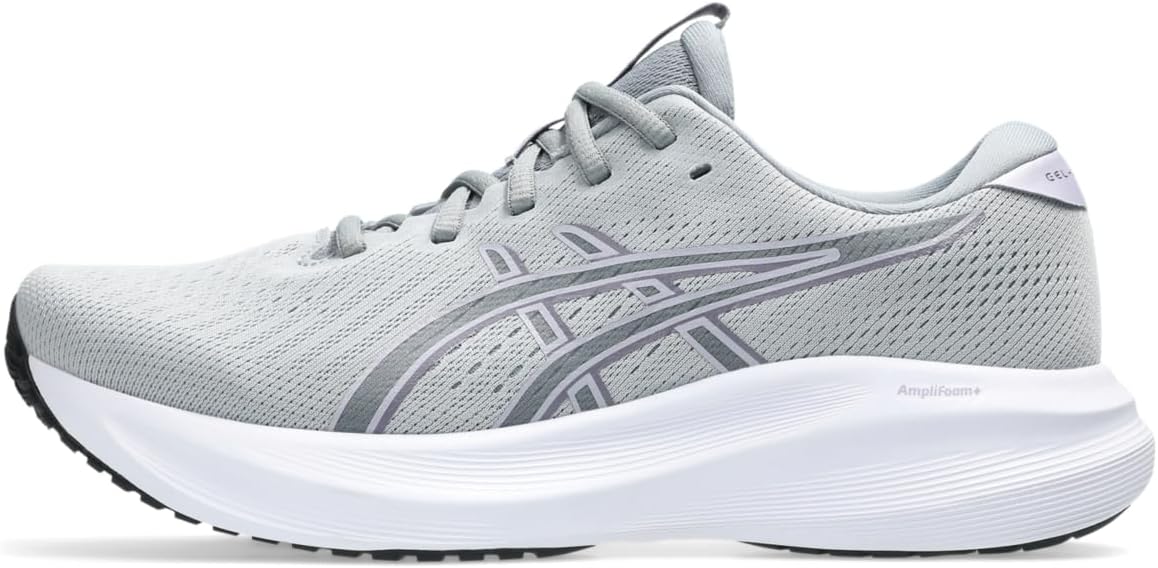 Nike Vomero Plus | Full ZoomX stack, 10mm drop, protective bounce |
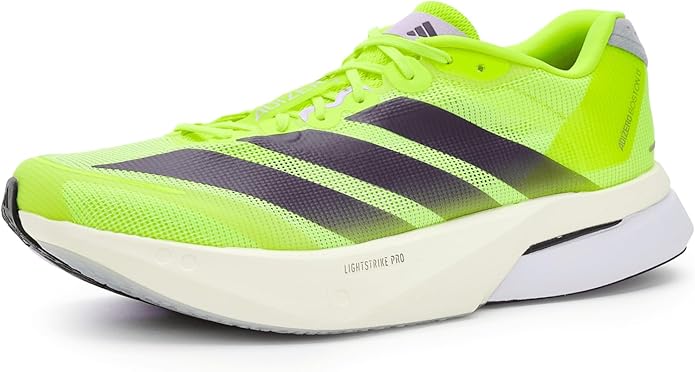
| Best value |
| Lightstrike Pro foam, 224g, no carbon plate needed |
| Stability and support | 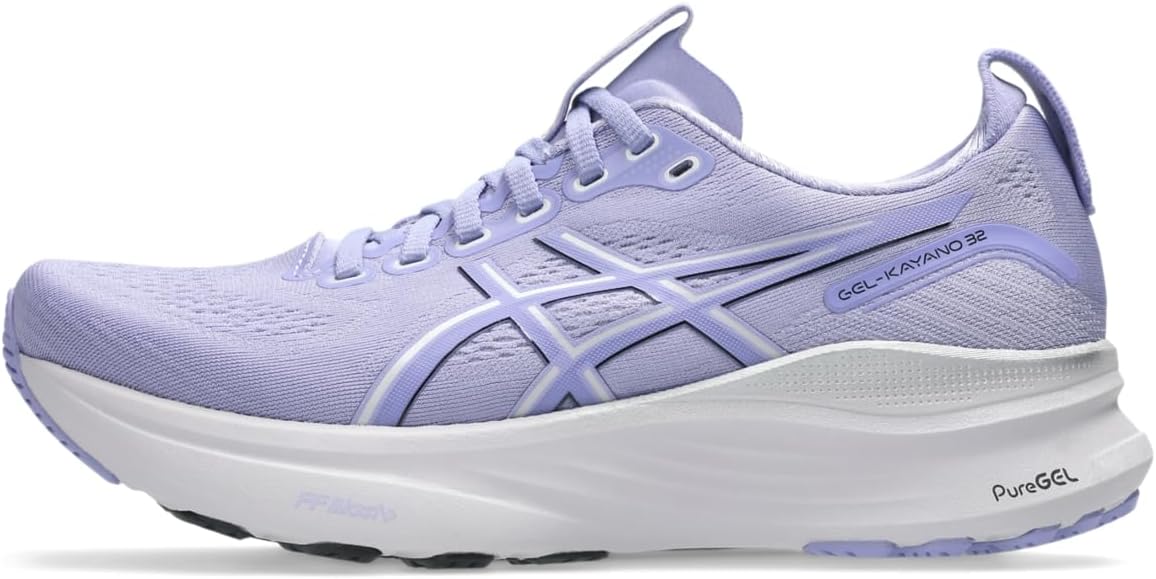 Asics Gel Kayano 31 | 40mm stack, 4D guidance system, natural gait control |
| Versatile training + racing | 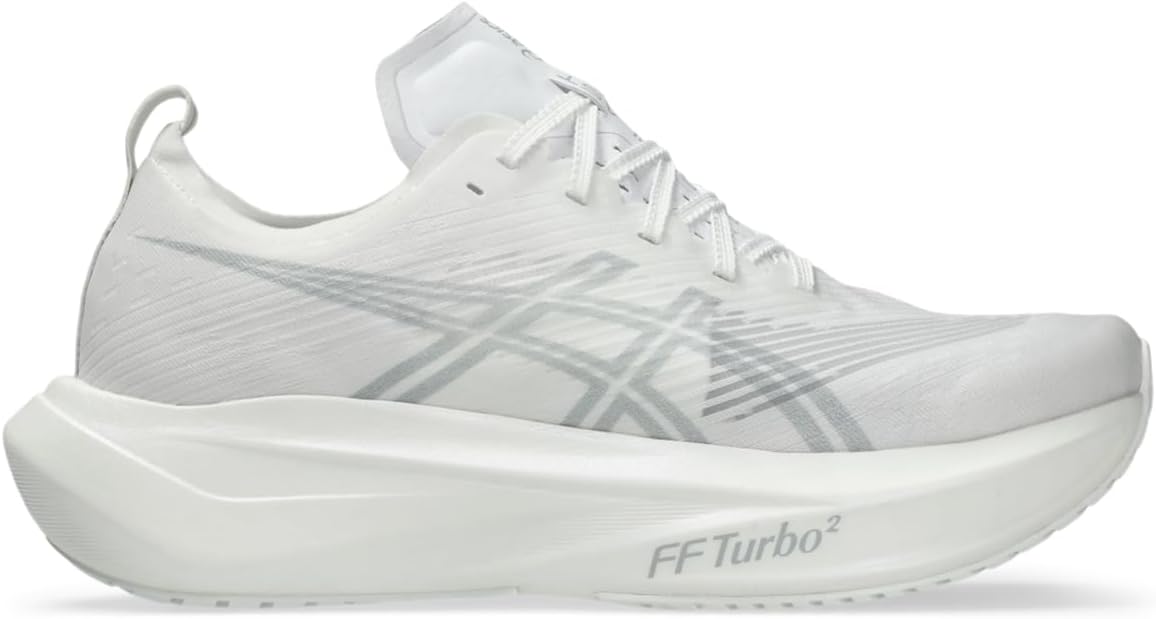 Asics Megablast | FF Turbo Squared foam, handles all paces and distances |
Training for a marathon means months of early mornings, long weekend runs, and a lot of miles on your feet. The wrong shoe doesn’t just cause discomfort — it can lead to fatigue, injury, and a blown race day. With so many options on the market, knowing which shoes are worth your investment matters more than ever.
The good news? Shoe technology has never been better. Nitrogen-infused foams, high-stack midsoles, and advanced guidance systems mean there’s a genuinely great training shoe for every runner type — from the first-timer worried about blisters to the seasoned runner hunting a PR.
I’m Faisal S. Chughtai, a footwear expert with a career dedicated to helping runners find the perfect shoe for comfort and performance — and I’ve put together this guide on the best marathon training shoes 2024 to cut through the noise. Let’s find the right pair for your training needs.
Learn more about best marathon training shoes 2026:
- best shoes for all day standing
- best footwear for standing all day
- best hoka shoe for standing all day
Introduction
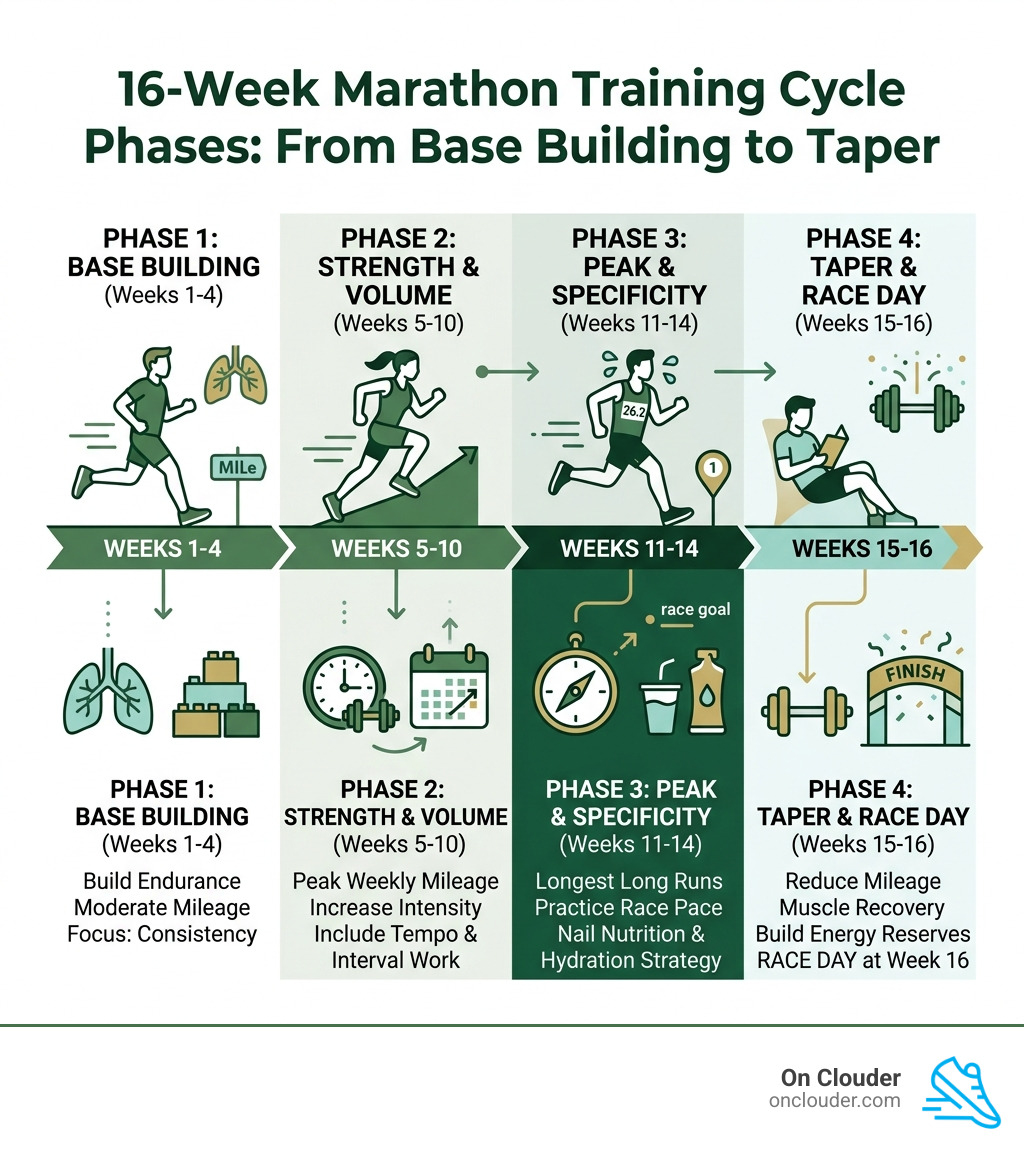
As we navigate April 2026, many of us are looking back at the breakthrough footwear of the 2024/2025 seasons to fuel our current training cycles. Completing 26.2 miles isn’t just a feat of willpower; it’s a culmination of a rigorous 16-to-20-week training block. During this time, your feet will endure hundreds of miles of repetitive impact. Selecting the best marathon training shoes 2024 isn’t just about speed—it’s about injury prevention and ensuring your legs feel fresh enough to tackle the next workout.
The “wall” isn’t just something you hit at mile 20 on race day; it’s the physical burnout that happens in week 12 of training if your gear isn’t up to the task. Modern marathon training requires a shoe that can handle high volume while protecting your joints.
Essential Features of the Best Marathon Training Shoes 2026
When we evaluate the best marathon training shoes 2026, we look for a specific set of DNA that distinguishes them from standard daily trainers or aggressive race-day “super shoes.” While a racing shoe is designed for a single day of maximum speed, a training shoe is your “workhorse.”
Cushioning and Stack Height
Stack height refers to the amount of material between your foot and the ground. For marathon training, we generally recommend a heel stack of at least 30mm. Higher stacks, like the 45mm found in some modern trainers, provide maximum impact protection. However, World Athletics sets a 40mm limit for official competition shoes, so “super trainers” often exceed this to provide extra comfort for those non-competitive long runs.
Heel-to-Toe Drop
The “drop” is the difference in height between the heel and the forefoot. A higher drop (8mm to 12mm) often benefits heel strikers by reducing strain on the Achilles and calves. Lower drops (under 6mm) encourage a more midfoot or forefoot strike, which can engage the glutes and hamstrings more effectively.
Energy Return vs. Shock Absorption
These are two sides of the same coin. Shock absorption (measured in SA) is the shoe’s ability to dampen impact. Energy return is how much “bounce” the foam gives back. In 2024, the best shoes balanced these two, using PEBA-based foams to keep you moving efficiently without the harshness of older EVA materials.
For a deeper dive into how to choose between these features, check out our guide on Marathon Shoe Recommendations For Training And Race Day. You can also see how these technical specs compare across top brands in the Best running shoes for marathons – Solereview.
Top-Rated Models for Every Runner Type
The marketplace for the best marathon training shoes 2024 is diverse. Whether you are a “plodder” or a “sprinter,” the following models stood out in lab tests and real-world miles.
| Shoe Model | Weight (UK 9) | Drop | Foam Type |
|---|---|---|---|
| New Balance 1080v15 | 262g / 9.2oz | 6mm | Fresh Foam X / Infinion |
| Nike Vomero Plus | 300g / 10.6oz | 10mm | ZoomX Stack |
| Adidas Adizero Evo SL | 224g / 7.9oz | 6mm | Lightstrike Pro |
| Asics Megablast | 241g / 8.5oz | 8mm | FF Turbo Squared |
The New Balance 1080v15 is often cited as a top choice for those wanting a plush, lightweight ride. It’s significantly lighter than many competitors but doesn’t skimp on the cushioning required for those 18-mile Sunday runs. Meanwhile, the Nike Vomero Plus is the “comfort king,” utilizing a generous stack of ZoomX foam—the same foam found in world-record-breaking racers—but in a more stable, durable package for daily use.
For runners who want one shoe to do it all, the Adidas Adizero Evo SL offers a “value” entry point into elite foam technology. It lacks a carbon plate, making it less stiff and more natural for daily miles, yet the Lightstrike Pro foam provides enough energy return for tempo sessions. You can find more detailed breakdowns of these categories at The Best Marathon Running Shoes 2026 – The Run Testers.
Best Marathon Training Shoes 2026 for Beginners and First-Timers
If you’re training for your very first marathon, your priorities are simple: comfort and durability. You don’t need an aggressive carbon plate that might cause calf strain; you need a shoe that disappears on your foot.
The Brooks Ghost 16 is a perennial favorite for this. The 2024 version introduced DNA3 foam, which is nitrogen-infused. This makes the shoe softer and springier than previous versions while maintaining the legendary “Ghost” durability. It’s a “Goldilocks” shoe—not too soft, not too firm, just right.
For more beginner-friendly advice, see our article on Shoes Best For Marathon Running. Expert reviewers also highlight the Ghost 17 (the 2025/2026 update) as a top pick for those just starting out in The 15 Best Running Shoes of 2026 – Runner’s World.
Best Marathon Training Shoes 2026 for High-Mileage Comfort
When your training plan calls for 50+ miles a week, you need a “maximalist” shoe. These are the heavy hitters designed to protect your legs from the “pavement pounding” fatigue.
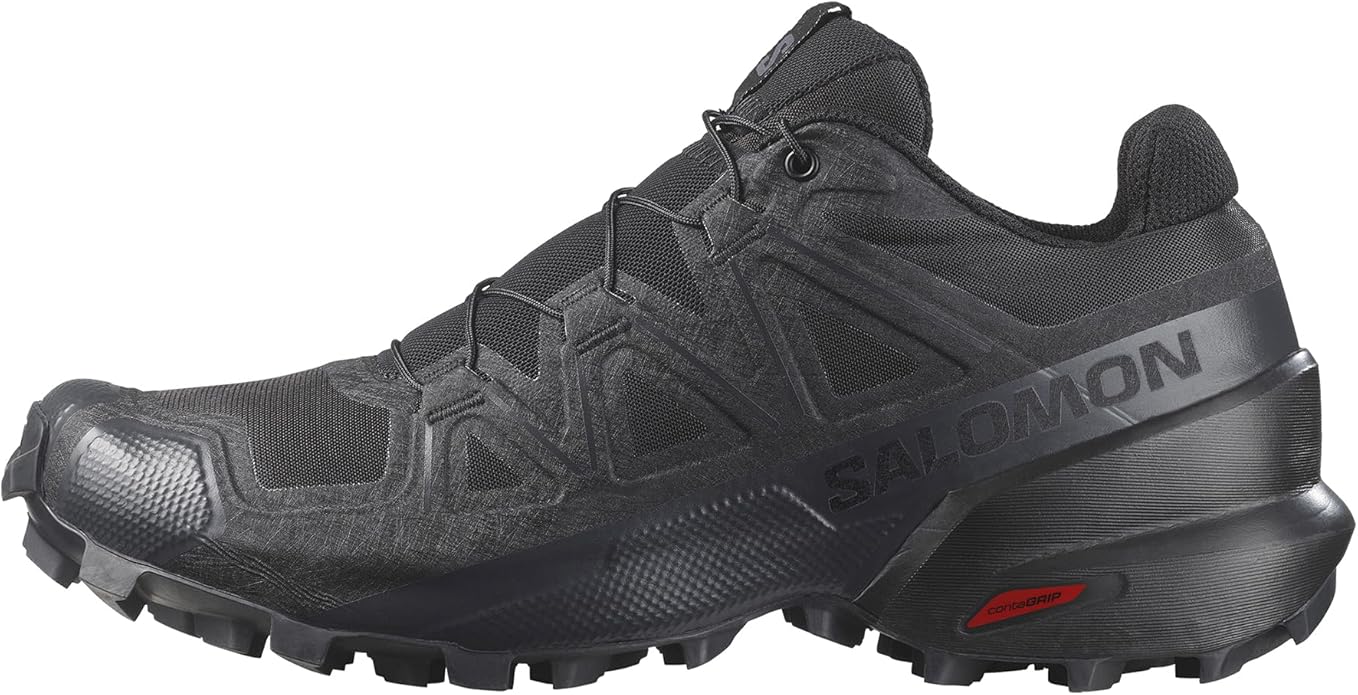
The Hoka Cielo X1 and Mizuno Neo Vista are the standout performers here. The Neo Vista features a massive 45mm deep midsole using ENERZY NXT foam. Despite the height, it remains stable thanks to a broader base and a glass-fiber plate that provides structure. The Cielo X1, while technically a racer, has become a cult favorite for daily training because its 40mm stack and rocker geometry make long runs feel almost effortless.
If you’re aiming for a specific goal, like a sub-4 hour finish, you might want to read Training For A Sub 4 Marathon Why The Cloudmonster 3 Is The Ultimate High Mileage Workhorse.
Stability and Support: Gait Control for Long Distances
Not every runner has a “neutral” gait. As fatigue sets in during a long run, many runners begin to overpronate (the foot rolls inward). Traditional stability shoes used “medial posts”—hard plastic blocks—to stop this, but the best marathon training shoes 2026use more sophisticated methods.
The Asics Gel Kayano 31 is the gold standard for modern stability. It uses a “4D Guidance System” that works with your body’s natural movement rather than fighting it. By using a wider base and integrating FF Blast Plus Eco foam beneath the arch, it provides support exactly when you need it without the “clunky” feel of old-school stability shoes.
This level of support is crucial for preventing common injuries like plantar fasciitis or shin splints during high-volume weeks. We often get asked: The Best Running Shoes For Marathons Can On Clouds Really Handle The Distance? The answer lies in matching the shoe’s support level to your specific gait.
Lab-Tested Performance: Energy Return and Durability
At On Clouder, we value the data behind the hype. Lab metrics like energy return and shock absorption give us an objective look at how a shoe will perform over 400 miles.
Foam Technology
The move toward Supercritical EVA and PEBA foams has revolutionized the best marathon training shoes 2024. For example:
- Adidas Adizero Adios Pro 4 (a racing-leaning trainer) showed a forefoot energy return of 80.3%, compared to a 60.5% industry average.
- HOKA Cielo X1 scored a massive 170 SA (Shock Absorption) in the heel, making it one of the most protective shoes ever tested.
Outsole and Traction
Durability isn’t just about the foam; it’s about the rubber. The Asics Megablast blew testers away with its ASICSGRIP outsole, achieving a wet-condition traction score of 0.80—which is 70% better than the standard. This makes it an ideal choice for runners training in rainy climates where slipping can lead to muscle strains.
Shoe Rotation Strategies
We always recommend rotating at least two pairs of shoes. Midsoles need time to “decompress” after a long run. By alternating between a cushioned cruiser like the Saucony Endorphin Pro 4 and a more stable trainer, you can extend the life of both pairs and give your feet different “stimuli,” which helps strengthen stabilizing muscles.
Frequently Asked Questions about Marathon Footwear
How many miles should I put on my training shoes before race day?
You should never wear brand-new shoes on race day. We recommend putting at least 30 to 50 miles on your “race” shoes to ensure there are no “hot spots” or lacing issues. For your primary training shoes, most modern foams last between 300 and 500 miles. If you notice the foam feels “dead” or you have new aches in your knees, it’s time to replace them.
What is the difference between a “super trainer” and a racing shoe?
A racing shoe (like the Nike Alphafly 3) is built for speed and weight savings, often sacrificing durability. They usually have a very stiff carbon plate. A “super trainer” (like the Asics Megablast) uses the same high-end foams but adds more outsole rubber and a more comfortable upper, making them durable enough for daily use while still being fast.
Should I size up for my marathon training shoes?
Yes! During a marathon or a long training run, your feet will swell. Many runners find that going up a half or even a full size from their casual shoe size prevents “black toenails” and blisters. Always try shoes on in the afternoon when your feet are at their largest.
Finding the best marathon training shoes 2024 is the first step toward a successful race in 2026. Whether you choose the reliable comfort of a Brooks Ghost, the stability of a Kayano, or the high-tech bounce of a Hoka, the right gear is your best defense against “hitting the wall.”
At On Clouder, we are committed to helping you find footwear that supports your specific goals. For more expert rankings and performance testing, stay tuned to our latest reviews. And if you’re looking for comfort even when you’re not running, check out our More info about best shoes for standing. Happy training!