Why Non-Slip Sneakers for Work Could Save You From a Serious Injury
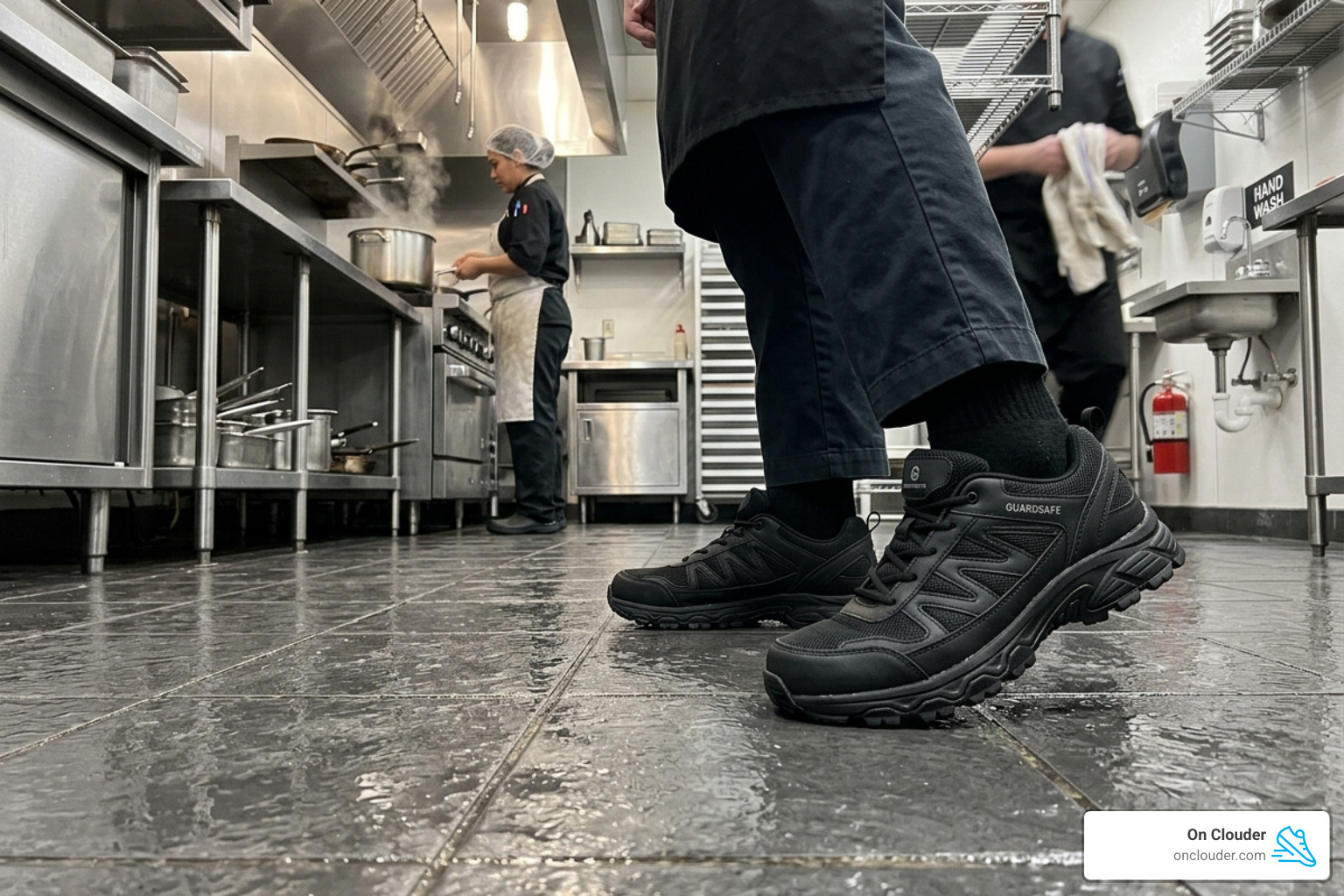
Non-slip sneakers for work are shoes with specially designed outsoles that grip wet, oily, or slippery surfaces — keeping you on your feet during long, demanding shifts.
Here’s a quick summary of what makes a great non-slip work sneaker:
| Feature | Why It Matters |
|---|---|
| ASTM F2913-certified outsole | Proves slip resistance has been independently tested |
| Rubber tread with interlocked lugs | Channels liquids away and maximizes grip |
| Cushioned midsole (EVA or dual-density) | Reduces fatigue on 8–12 hour shifts |
| Water-resistant or spill-guard upper | Protects feet in kitchens, hospitals, and warehouses |
| Lightweight construction | Keeps you agile without sacrificing safety |
| Steel, composite, or soft toe option | Matches the protection level your job requires |
Slips and falls are one of the most common workplace injuries across industries like healthcare, hospitality, and warehousing. The right footwear is one of the simplest ways to reduce that risk — without sacrificing comfort or style.
Whether you’re pulling 12-hour shifts in a hospital, navigating greasy kitchen floors, or hustling through a busy warehouse, the shoes on your feet matter more than most people realize.
I’m Faisal S. Chughtai, a footwear expert who has spent years helping professionals find the best non-slip sneakers for work based on real-world performance and comfort. In this guide, I’ll break down exactly what to look for — and which options are worth your money.
Understanding the Technology Behind Non-Slip Sneakers for Work
When we talk about non slip sneakers for work, we aren’t just talking about regular gym shoes. There is a significant amount of engineering that goes into the rubber under your feet. The goal is to maximize the “coefficient of friction,” which is a fancy way of saying how much the shoe resists sliding.
Regular sneakers often have flat, hard outsoles that can act like skis on a wet floor. In contrast, professional-grade non-slip sneakers utilize specialized rubber compounds that remain soft and pliable even when cold. This softness allows the rubber to “bite” into the microscopic imperfections of the floor surface.
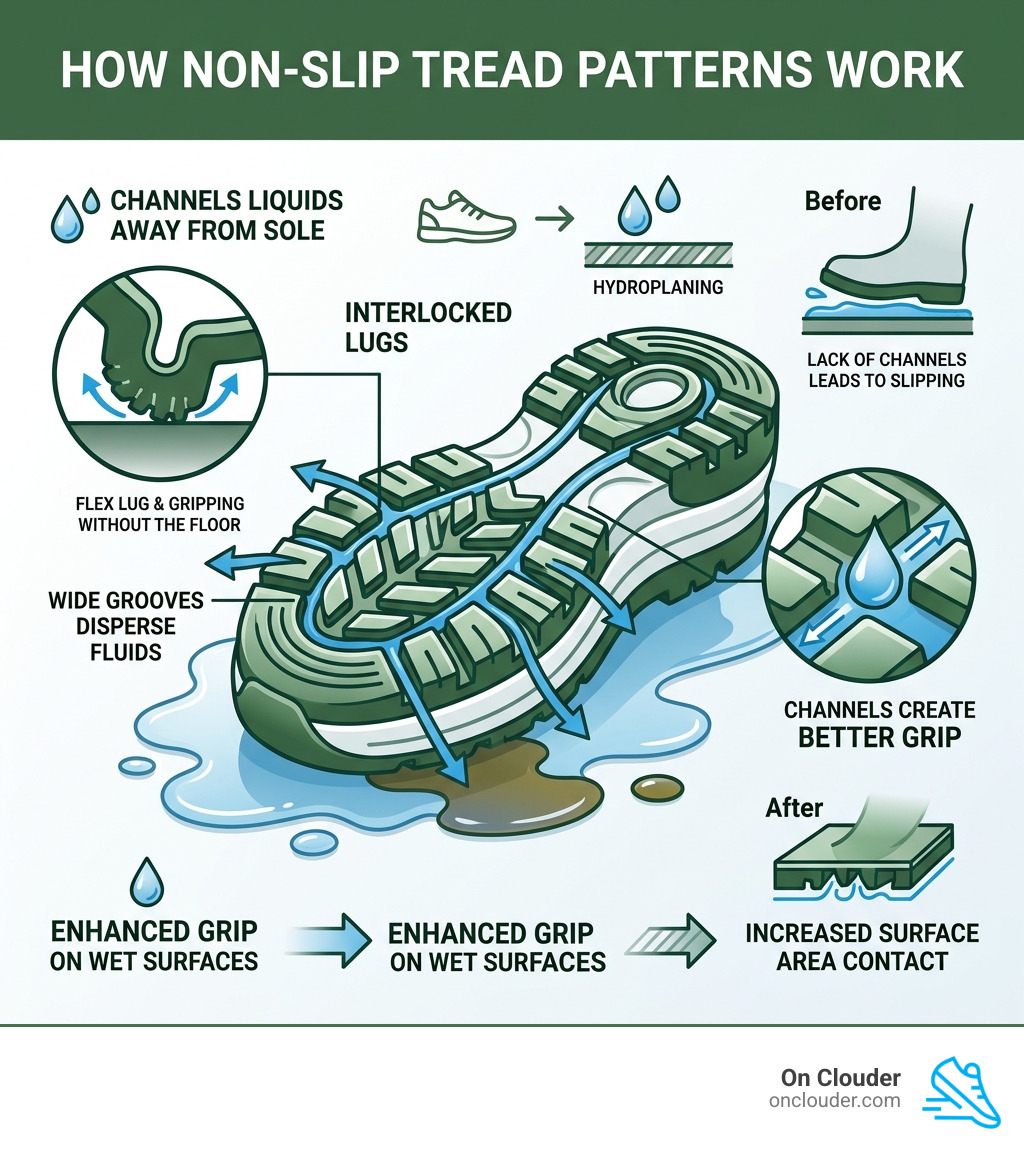
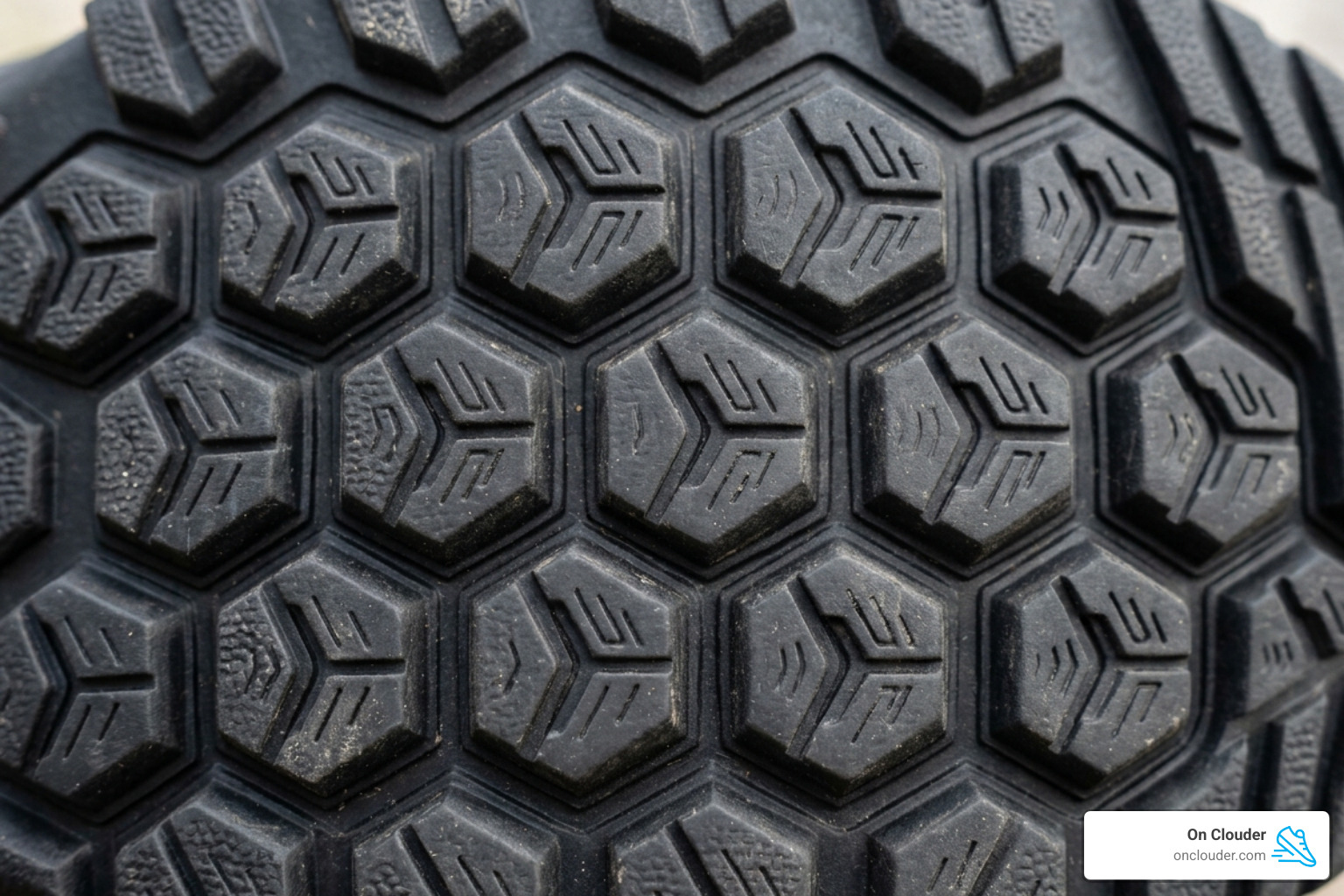
The tread pattern is equally important. High-quality work sneakers use interlocked lugs—often in a hexagonal or “grid” pattern—to create channels. When you step on a puddle of water or oil, these channels act as a drainage system, squeezing the liquid away from the contact point so the rubber can touch the floor.
A great example of this is the Non-Slip Shoes For Crews® Men’s Stride–Black Work Sneakers . These shoes utilize a specific “TRACTIONiQ” outsole and a “HYPERGRIP” tread pattern. This combination is specifically designed to displace liquids rapidly, ensuring that you stay grounded even in the middle of a kitchen rush or a hospital emergency.
Key Features of High-Performance Non-Slip Sneakers for Work
Choosing the right pair of non slip sneakers for work requires looking beyond just the grip. Depending on your specific job, you might need extra layers of protection. We often see workers debating between different “toe” options, and it’s important to understand the trade-offs.
| Safety Feature | Material | Best For | Pros/Cons |
|---|---|---|---|
| Steel Toe | Heavy-duty steel | Construction, heavy manufacturing | Maximum impact protection; can be heavy and cold-conductive. |
| Composite Toe | Carbon fiber, plastic, or Kevlar | Warehousing, security (TSA) | Lightweight, does not conduct heat/cold; slightly bulkier than steel. |
| Soft Toe | Reinforced fabric/leather | Nursing, retail, light food service | Maximum flexibility and light weight; no impact protection from heavy falling objects. |
Beyond toe protection, modern work sneakers like the Men’s 4″ Slip Resistant Work Sneaker [SR] – AdTecFootWear incorporate features like electrical hazard (EH) protection. This is vital if you work around open circuits or heavy machinery. We also see a rise in “speed lacing” systems, which allow you to secure your shoes quickly and prevent laces from coming untied—a hidden tripping hazard in environments.
All-Day Comfort and Cushioning in Non-Slip Sneakers for Work
If you’re standing on concrete for 10 hours, the best grip in the world won’t matter if your arches are screaming. This is where cushioning technology comes into play. Most high-end non slip sneakers for work use EVA (Ethylene Vinyl Acetate) midsoles, which are lightweight and provide excellent shock absorption.
Some brands take it a step further. For instance, the KINETIC 2 Men’s Anti-Slip Sneaker | KURU Footwear features patented technology designed to hug your heels. This “heel-hugging” tech dynamically flexes with each step to protect your plantar fascia and reduce fatigue.
We also recommend looking for “dual-density” insoles. These have a softer top layer for immediate comfort and a firmer bottom layer for long-term support. In our experience, shoes with a generous toe box also help, as your feet naturally splay (spread out) after several hours of standing.
Durability and Material Quality in Non-Slip Sneakers for Work
A work shoe is an investment. You don’t want to be replacing them every two months. Durability usually comes down to two things: the upper material and the outsole longevity.
- Wipable Leather: Ideal for kitchens and hospitals where spills are frequent. It’s easy to clean and offers a natural barrier against liquids.
- Synthetic Mesh: Best for breathability. If your feet get hot easily, look for a mesh upper, but ensure it has a “spill guard” or water-resistant coating to keep your socks dry.
- Outsole Testing: Some brands, like those found in the Reebok Non Slip Work Shoes & Boots – Men’s & Women’s collection, undergo rigorous third-party testing.
In fact, research shows that some high-performance outsoles can last nearly twice as long as the industry average. This is often verified through “Heeluxe” testing, which simulates thousands of steps to see how quickly the tread wears down. Reinforced stitching in high-stress areas (like where the shoe bends at the toes) is another hallmark of a quality sneaker.
Safety Certifications and Standards to Look For
When shopping for non slip sneakers for work, don’t just take the manufacturer’s word for it. Look for official certifications. The most common standard in the United States is ASTM F2913. This test measures the slip resistance of the shoe on various surfaces, including wet tile and oily stainless steel.
Another important rating is ASTM F3445, which is the newer standard for slip resistance performance. You might also see references to SATRA TM63 or TM144, which are international standards often used for oil and water resistance.
When we review shoes at On Clouder, we always check if the product meets these industrial ratings. For example, many Slip Resistant Shoes for Work from major brands are specifically engineered to meet these safety compliance protocols. If a shoe doesn’t list an ASTM rating, it may just be a “grippy” casual shoe rather than a true professional work sneaker.
Best Non-Slip Sneakers for Different Industries
Not all work environments are created equal. A nurse’s needs are very different from a warehouse picker’s.
- Healthcare (Nursing/Doctors): You need a balance of breathability and liquid protection. Since you’re often moving quickly on polished hospital floors, a lightweight athletic style is best. Look for sneakers with antimicrobial linings to keep odors at bay during 12-hour shifts.
- Restaurant (Chefs/Servers): This is the ultimate test for non slip sneakers for work. Kitchen floors are often a cocktail of water, grease, and soap. You need a shoe with a “clog-resistant” tread—meaning the lugs are spaced just enough so that food bits don’t get stuck and ruin your traction.
- Warehouse and Logistics: Here, you need durability and toe protection. Walking miles on hard concrete requires high-rebound midsoles. The Men’s Non-Slip Athletic Work Shoes and Sneakers | Shoes For Crews catalog is a great place to start, as they offer over 1,000 different products catering to these specific needs.
- Construction/Trade: If you’re on a job site but prefer the feel of a sneaker, look for “work hikers” or high-top sneakers that offer ankle support and a puncture-resistant sole.
Maintenance and Care for Work Footwear
Even the best non slip sneakers for work will lose their effectiveness if they are covered in gunk. Proper maintenance can extend the life of your shoes by months.
- Clean the Outsole Regularly: This is the most important step. If the channels in your tread are filled with dirt, grease, or rocks, the liquid-displacement technology can’t work. Use a small brush (an old toothbrush works great) to clear out the lugs every few shifts.
- Spot Clean vs. Machine Wash: Most work sneakers with leather or specialized membranes should not go in the washing machine. The heat and agitation can break down the adhesives holding the sole together. Instead, use mild soap and a damp cloth.
- Air Dry Only: Never put your work sneakers in the dryer. If they get wet, stuff them with newspaper and let them air dry away from direct heat sources.
- Insole Replacement: The cushioning in your shoes usually wears out before the tread does. If you start feeling back or knee pain, try replacing the factory insoles with a high-quality pair of orthotics.
Frequently Asked Questions about Non-Slip Work Shoes
How do I know if my sneakers are truly non-slip?
Check the tongue or the box for an ASTM F2913 or F3445 rating. Visually, look for a “hexagon” or “star” pattern in the rubber. If the sole is one solid, flat piece of plastic-feeling material, it is likely not non-slip. True non-slip outsoles feel slightly “tacky” or soft to the touch.
Can I put non-slip sneakers in the washing machine?
It depends on the brand. Some knit-upper sneakers are machine washable (usually on a cold, gentle cycle), but most professional work shoes with spill guards or leather uppers should be hand-washed. Always remove the insoles and laces before cleaning, and always air dry.
How often should I replace my work sneakers?
For most full-time workers, we recommend replacing your sneakers every 6 to 12 months. Even if the tread looks okay, the internal cushioning (the EVA foam) loses its ability to bounce back after about 500 miles of walking. If you notice the “non-slip” part of the sole is wearing smooth in certain areas, replace them immediately to avoid a fall.
Conclusion
At On Clouder, we know that your feet are the foundation of your workday. Choosing the right non slip sneakers for work is about more than just following a dress code — it’s about protecting your health and ensuring you can do your job comfortably.
From the 1073 different slip-resistant products available on the market today to the specialized tech found in brands like KURU or Shoes For Crews, there is a perfect fit for everyone. Remember to prioritize safety certifications like ASTM F2913, look for “spill guard” features if you’re around liquids, and never underestimate the power of a good pair of insoles.
If you spend most of your day on the move, focusing on proper support and traction is the best way to keep your joints happy. Stay safe out there, and keep those feet moving!