Best Carbon Marathon Shoes for Comfort and Speed
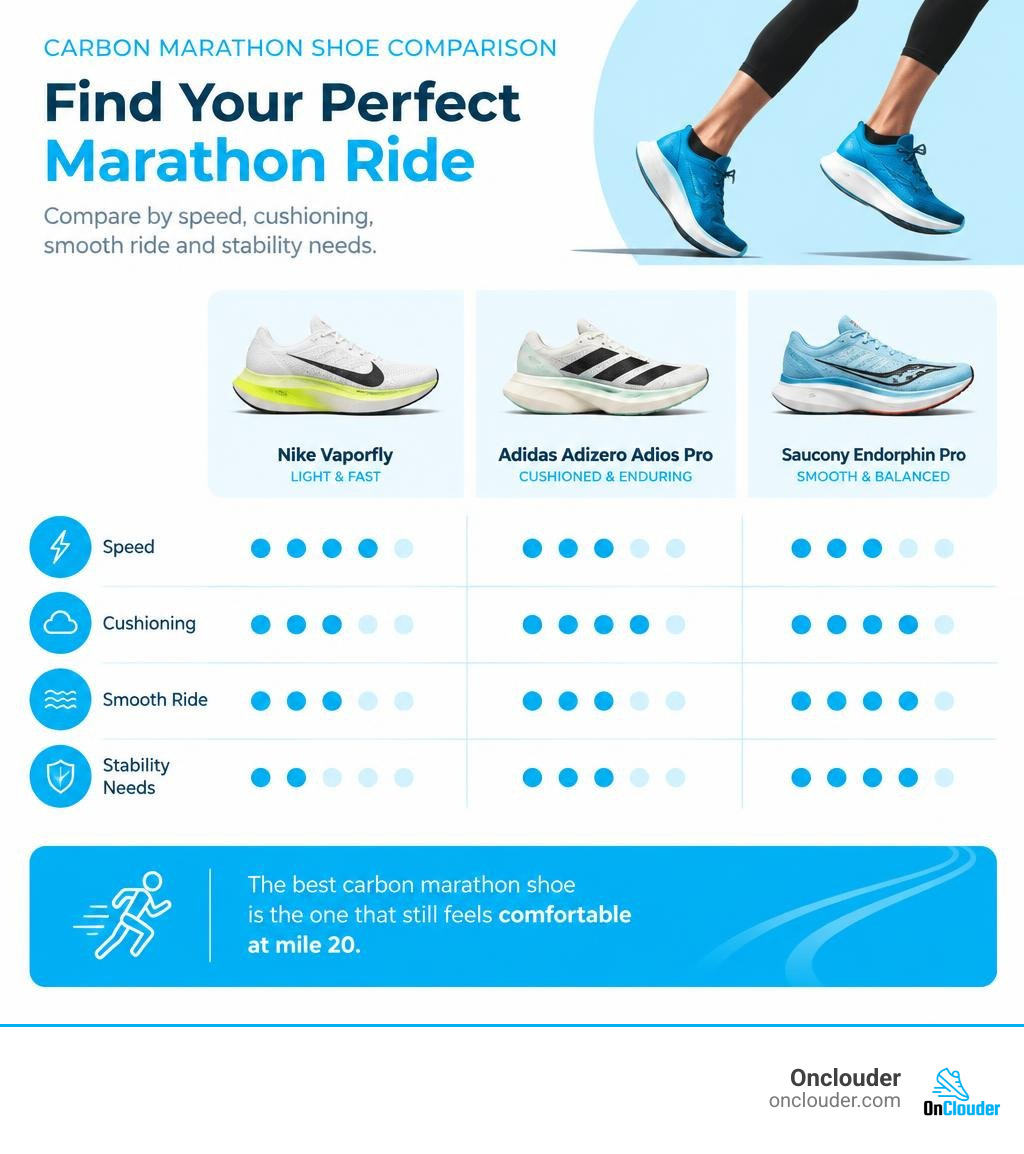
The best carbon marathon shoe is the one that still feels comfortable at mile 20. For a light, fast feel, start with the Nike Vaporfly. For a more cushioned long-distance ride, try the Adidas Adizero Adios Pro. If you prefer a smoother, less aggressive feel, consider the Saucony Endorphin Pro. Heel strikers and runners who need more support should pay close attention to heel fit and platform width; a carbon plate alone does not make a shoe stable.
These shoes pair springy foam with a stiff plate to help runners use less energy at a given pace. But the benefit varies by runner. Fit, comfort, and a few test runs matter more than any promise of a faster finish.
Must-know best carbon marathon shoes terms:
How Carbon Plate Technology Transforms Marathon Performance
Modern racing shoes have revolutionized marathon running over the past decade. Over 70% of elite marathoners cross finish lines wearing carbon-plated footwear, and the global market for these high-performance models has surged past $1.2 billion on its path toward an estimated $1.8 billion by 2028. But the real magic behind this footwear isn’t simply a stiff piece of carbon fiber—it is the synergy between high-energy-return foams and rigid plate geometry.
When you step down during your stride, resilient PEBA-based superfoams compress deeply to store kinetic energy, returning upwards of 80% to 85% of that energy upon toe-off. The embedded carbon plate acts as a lever and a stabilizing chassis. By maintaining a curved rocker profile, the plate limits excessive bending at the metatarsophalangeal joints (the ball of the foot), which reduces the mechanical work required by your calf muscles and Achilles tendons.
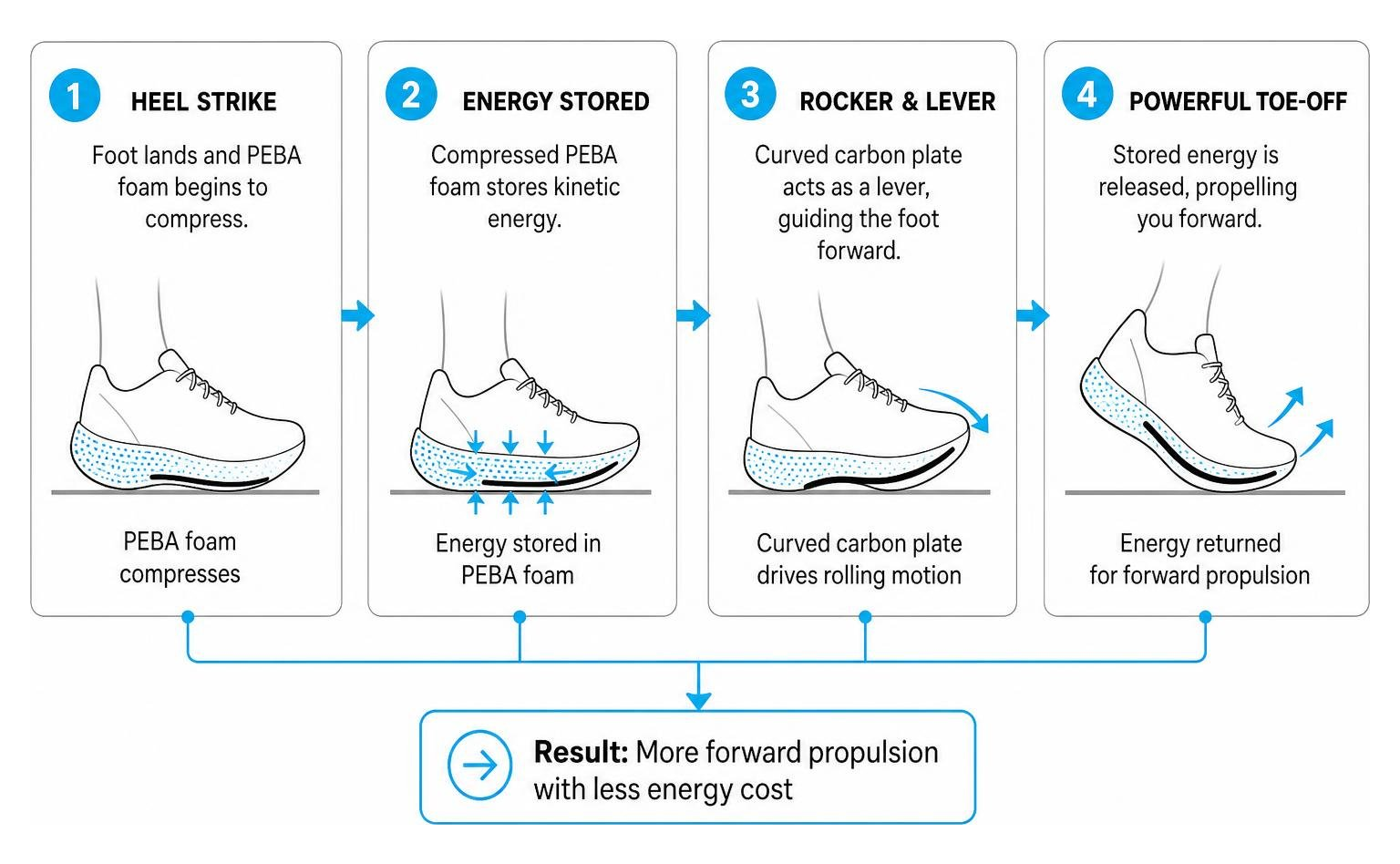
This mechanical synergy delivers measurable physiological benefits:
- Running Economy: Studies consistently show that carbon super shoes improve running economy by roughly 4%, which can translate to saving approximately 10 seconds per kilometer at marathon race pace.
- Reduced Energy Cost: Overall energetic consumption drops by 2% to 4%, leaving you with more metabolic reserve during the final 10 kilometers.
- Pace Retention: Runners wearing carbon footwear experience 2% to 3% less pace drop-off during the grueling second half of a 26.2-mile race compared to those wearing traditional flats.
- Lightweight Cushioning: Despite massive stack heights reaching up to 40 mm, these racers maintain a featherlight weight profile of roughly 200 to 250 grams (about 15% to 20% lighter than standard daily trainers).
Understanding plate mechanics is essential when choosing a race shoe. For instance, exploring how a Speedboard compares to carbon plates highlights how different propulsion systems affect underfoot stiffness, flex, and forward momentum.
| Feature | Modern Carbon Super Shoe | Traditional Racing Flat |
|---|---|---|
| Average Weight | 200g – 240g | 180g – 220g |
| Stack Height | 35mm – 40mm | 15mm – 22mm |
| Midsole Material | PEBA / Nitrogen-Infused Superfoam | Traditional EVA Foam |
| Energy Return | 80% – 87% | 50% – 65% |
| Propulsion System | Curved Full-Length Carbon Plate | Minimalist Torsion Shank / None |
| Late-Race Muscle Fatigue | Significantly Reduced | High |
| Typical Price | $200 – $285 | $100 – $140 |
Ranked: The Best Carbon Marathon Shoes for Every Running Style
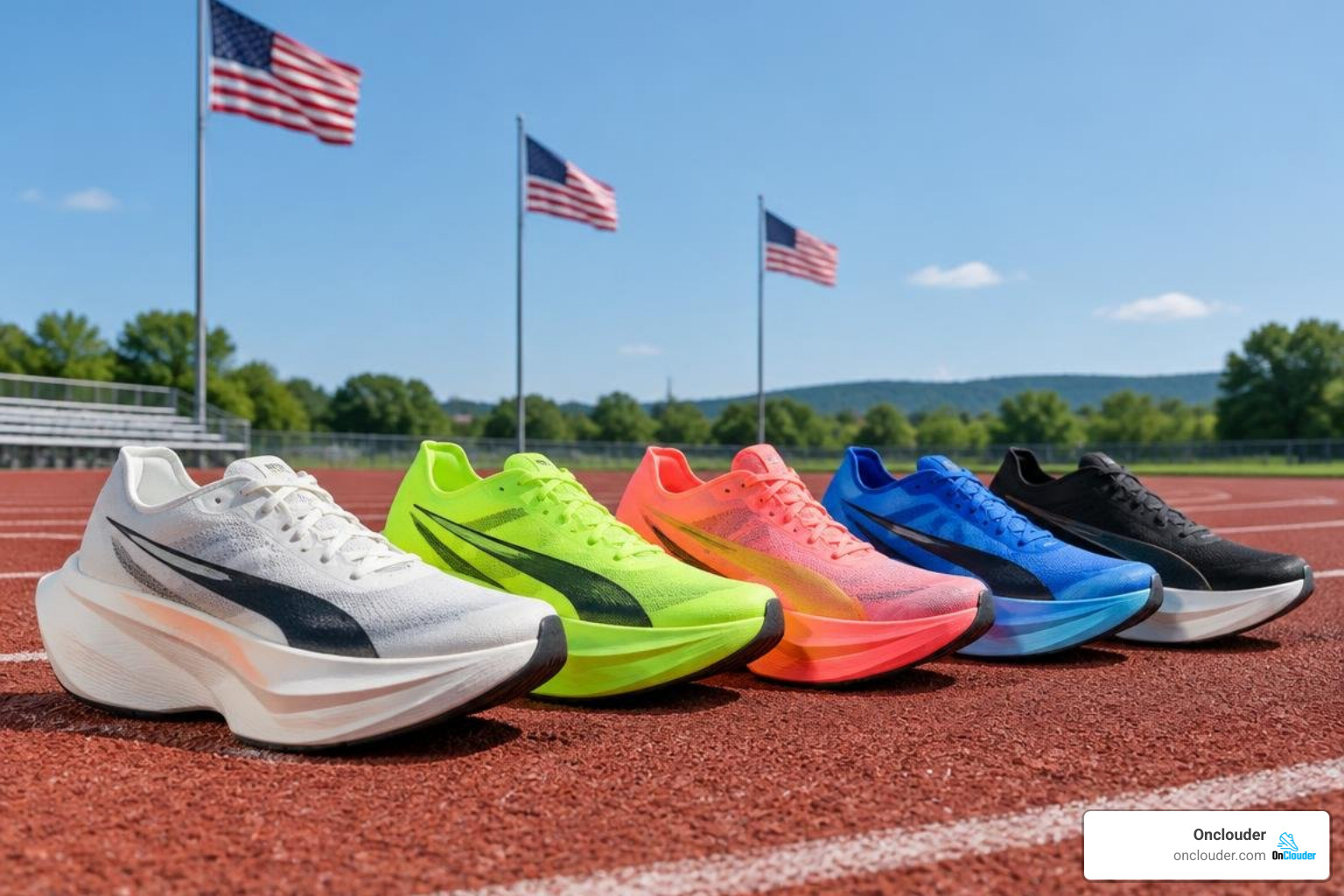
Finding the right marathon racer requires balancing aggressive propulsion with your specific biomechanics. Here is how leading models rank across different runner profiles.
Top Best Carbon Marathon Shoes for Neutral Runners and Pure Speed
For efficient, neutral runners who land midfoot to forefoot, racing shoes with aggressive toe-spring geometry and high rebound provide unmatched speed.
- Nike Vaporfly 3: The benchmark for lightweight speed. Weighing under 200 grams, it combines a responsive ZoomX midsole with a spoon-shaped carbon Flyplate. It rewards clean, forward-driving mechanics and delivers a distinct pop at higher cadences. When comparing options like Saucony versus the Nike Vaporfly, the Vaporfly stands out for its razor-sharp agility and snap.
- Adidas Adizero Adios Pro 3: Instead of a single flat plate, this shoe utilizes carbon-infused EnergyRods that mirror the metatarsal bones of the foot. Paired with dual layers of Lightstrike Pro foam, it offers a rhythmic, rolling transition that excels across 26.2 miles for runners targeting fast, steady pacing.
Most Stable Best Carbon Marathon Shoes for Overpronators and Heel Strikers
Traditional super shoes often feature narrow heels that can feel wobbly for runners who overpronate or land heavily on their heels. Thankfully, newer designs incorporate broader platforms and structured guidance to provide better stability.
- Saucony Endorphin Pro 4: Featuring a broader base under the midfoot and heel, this model combines responsive PWRRUN HG and PWRRUN PB foams with Saucony’s Speedroll rocker geometry. It provides an energetic ride without feeling unstable when your form breaks down in the final miles.
- On Cloudboom Echo 3: Utilizing On’s signature CloudTec elements optimized with a full-length carbon Speedboard and Helion HF superfoam, this shoe provides structured, snappy guidance. If you are debating a supportive daily trainer like the Cloudmonster versus the On Cloudboom Echo 3, the Echo 3 strips away bulk while maintaining the lateral support needed for high-speed road racing.
Maximum Cushioning Carbon Racers for Half to Full Marathon Comfort
If your primary goal is muscle preservation and maximum joint protection over long distances, high-stack super shoes with plush foam beds deliver supreme comfort.
- Nike Alphafly 3: With continuous ZoomX foam, dual front Air Zoom pods, and a wide carbon Flyplate, this model offers unmatched impact absorption. Discovering why running your next half marathon in the Alphafly feels effortless reveals how its high-volume air pods absorb ground shock while propelling you forward.
- New Balance FuelCell SuperComp Elite v4: Built with 100% PEBA FuelCell foam and Energy Arc plate technology, this shoe leans into soft, forgiving comfort. It softens every footstrike, making it a favorite for runners seeking an ultra-smooth ride that shields the legs from pavement pounding.
How to Choose the Right Carbon-Plated Shoe for Your Foot and Gait
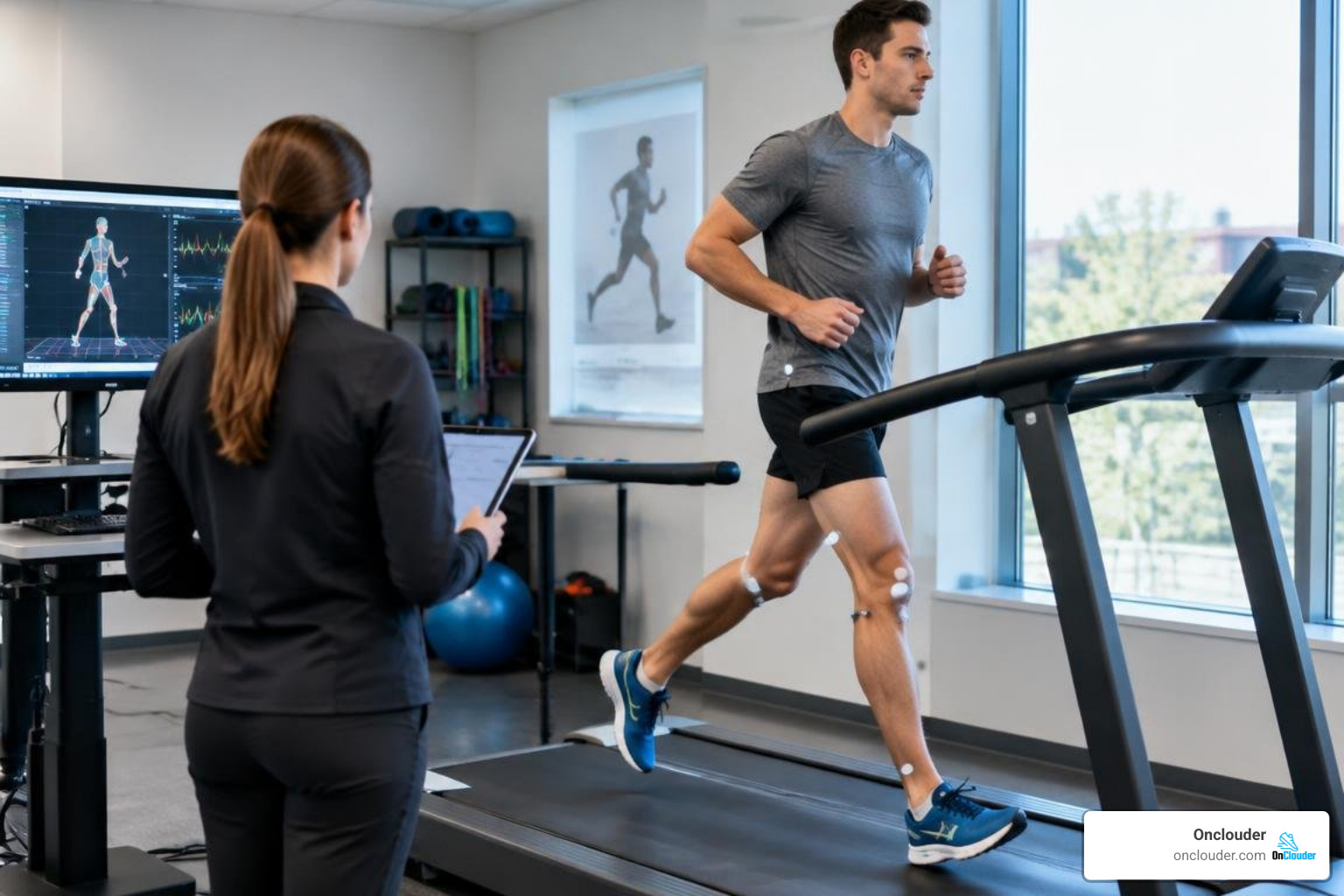
Not every super shoe suits every runner. Selecting the right pair requires evaluating your natural gait mechanics, arch shape, and landing zone:
- Footstrike Compatibility: Midfoot and forefoot strikers typically thrive in shoes with aggressive forward rocker geometries (like the Vaporfly). Heel strikers need shoes with broader heel widths, beveling, and resilient foam in the rearfoot to prevent premature bottoming out.
- Platform Width and Stability: If you have low arches or mild overpronation, avoid narrow, hourglass-shaped midsoles. Look for wide base nets and continuous foam walls.
- Drop and Calves: Heel-to-toe drops range from 4 mm to 10 mm. Lower drop options load the Achilles and soleus muscles more heavily, while higher drop shoes shift work toward the knees and quads.
- Upper Lockdown and Volume: Carbon shoes feature paper-thin uppers to save weight. Make sure the midfoot wraps securely without creating pressure points across the top of your foot.
For a structured approach to picking your pair, review our essential checklist for choosing marathon running shoes and use these tricks to identify record-breaking marathon footwear to ensure you make an informed choice before race day.
Training vs Race Day: Durability, Mileage, and Injury Prevention
A major consideration with carbon marathon racers is durability. Most top-tier models cost between $200 and $275—roughly 50% to 100% more than daily trainers—yet deliver peak performance for 150 to 250 miles before the superfoam begins losing its energetic rebound.
Because of this limited lifespan and the unique biomechanical stresses plates introduce, we strongly advise against doing all your weekly mileage in carbon shoes. The rigid longitudinal stiffness alters joint kinetics, placing extra strain on the Achilles tendon, calves, and plantar fascia.
To balance performance with longevity:
- Reserve for Key Workouts: Use your carbon shoes for 2 to 3 marathon-pace tempo sessions, a portion of your peak long run, and race day.
- Rotate Daily Trainers: Complete your base building, easy runs, and recovery miles in non-plated, durable trainers. Check our comprehensive marathon shoe recommendations for training cycles to build a balanced shoe rotation that prevents overuse injuries.
Frequently Asked Questions About Carbon Marathon Shoes
How many miles do carbon-plated marathon shoes last?
Most carbon racing shoes maintain optimal rebound for 150 to 250 miles. While the carbon plate itself rarely breaks, the ultra-lightweight PEBA midsole foam gradually compresses and loses responsiveness, and thin rubber outsoles experience abrasive wear on asphalt.
Are carbon marathon shoes worth the investment for non-elite runners?
Yes. Roughly 85% of runners report a noticeable sensation of forward bounce and reduced leg fatigue when using carbon shoes. By lowering energy expenditure by 2% to 4%, runners at any pace finish long runs with fresher legs and less muscle soreness the following day.
Can carbon marathon shoes increase injury risk during long runs?
They can if introduced too quickly. The stiff lever mechanism changes lower-limb loading patterns, which can overwork the Achilles tendon, calf muscles, or metatarsal bones. We recommend easing into your carbon shoes across several weeks rather than taking them out of the box for marathon race morning.
Conclusion
Carbon-plated marathon shoes have reshaped road racing by delivering remarkable energy return, lighter weights, and reduced late-race fatigue. The secret to finding the right pair is not simply picking the shoe worn by the fastest athlete on television, but choosing the geometry, stability level, and cushioning profile that complements your natural stride.
To dive deeper into whether high-cushioned performance footwear is right for your marathon goals, read our in-depth marathon running shoe performance evaluation for expert insights and hands-on testing comparisons.