Wide Toe Box Shoes: What to Look For
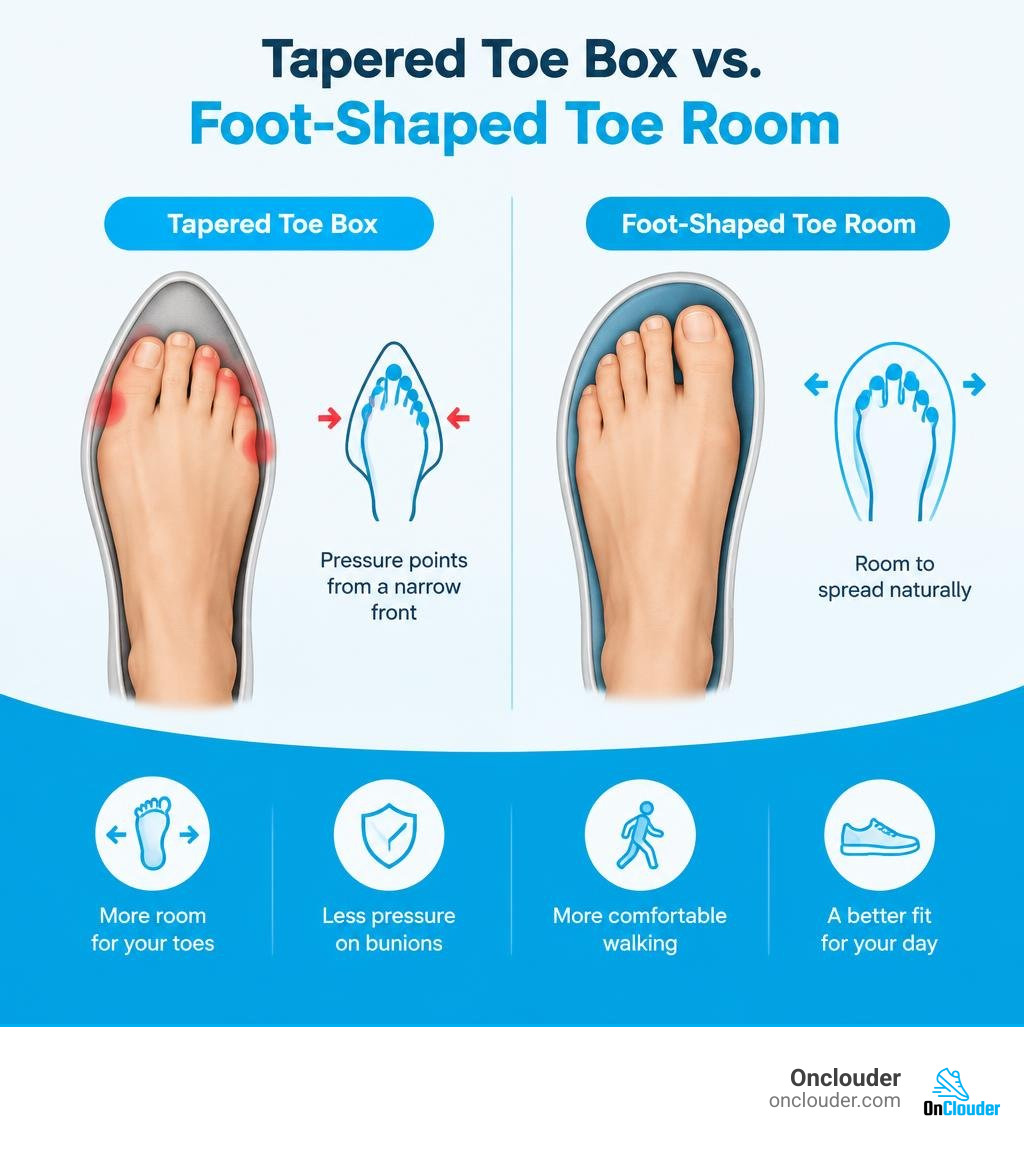
Wide toe box shoes give your toes room to spread instead of pushing them together. They can reduce pressure on bunions and make walking more comfortable, but a roomy front alone does not guarantee a good fit.
Start with your foot’s length, width, and instep height. Then choose the sole for your needs: a cushioned shoe may feel familiar right away, while a thin, zero-drop shoe calls for a gradual transition. This guide compares both styles so you can find a pair that works for your feet and your day.
Wide toe box shoes word roundup:
Understanding Foot Anatomy and How Spacious Toe Boxes Work
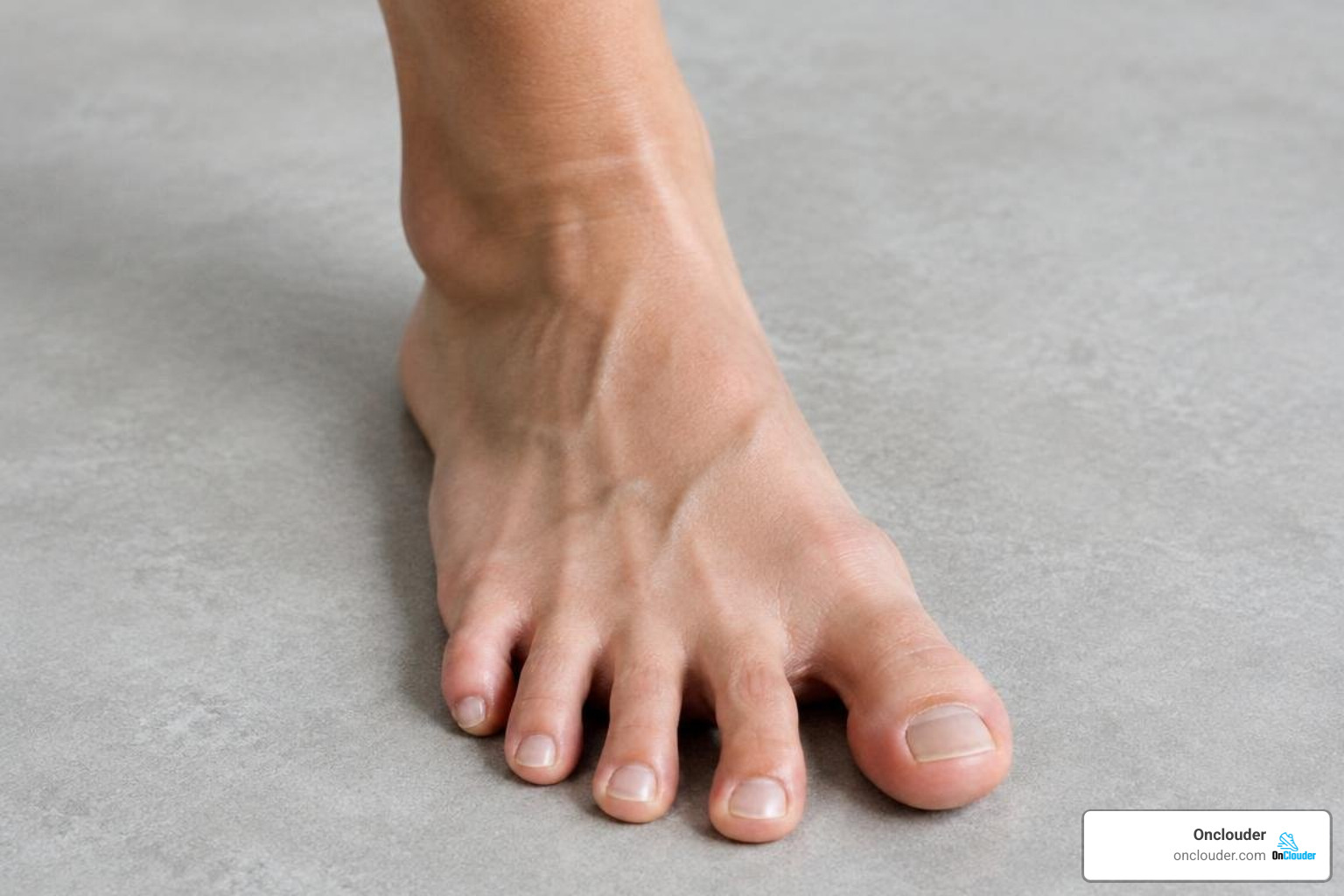
Human feet are naturally shaped like a fan—widest at the tips of the toes rather than across the ball of the foot. When barefoot, your big toe points straight forward and slightly outward to act as an anchor, while the remaining toes splay out to distribute your body weight evenly across the entire forefoot.
Modern shoemaking frequently abandons this anatomical reality. Standard footwear tapers inward at the front, creating metatarsal compression and forcing the big toe and pinky toe inward toward the midline. Embracing anatomical footwear built around true footshape design principles restores your natural biomechanics by matching the shoe’s shape to the natural contours of your foot.
Traditional Footwear Design vs. Anatomical Footwear
Traditional footwear often prioritizes shop-window aesthetics over long-term skeletal health. By forcing feet into pointed, tapered toe caps, standard shoes compress the transverse arch and squeeze delicate nerve pathways between the metatarsal heads. Over time, this unnatural constriction restricts blood circulation and disrupts your natural gait mechanics.
By contrast, understanding wide toe box footwear means recognizing that true foot comfort comes from room to move. Anatomical designs provide ample horizontal and vertical volume at the forefoot while maintaining a secure lock around the midfoot and heel, preventing your feet from sliding forward into the front wall of the shoe.
Zero-Drop Platforms and Natural Alignment
Many wide toe box designs also incorporate a zero-drop platform—meaning the heel and the forefoot rest at the exact same height from the ground. Elevated heels, even modest 10mm drops found in standard athletic sneakers, tilt the pelvis forward, shorten the Achilles tendon, and place disproportionate stress on the lower back and knees.
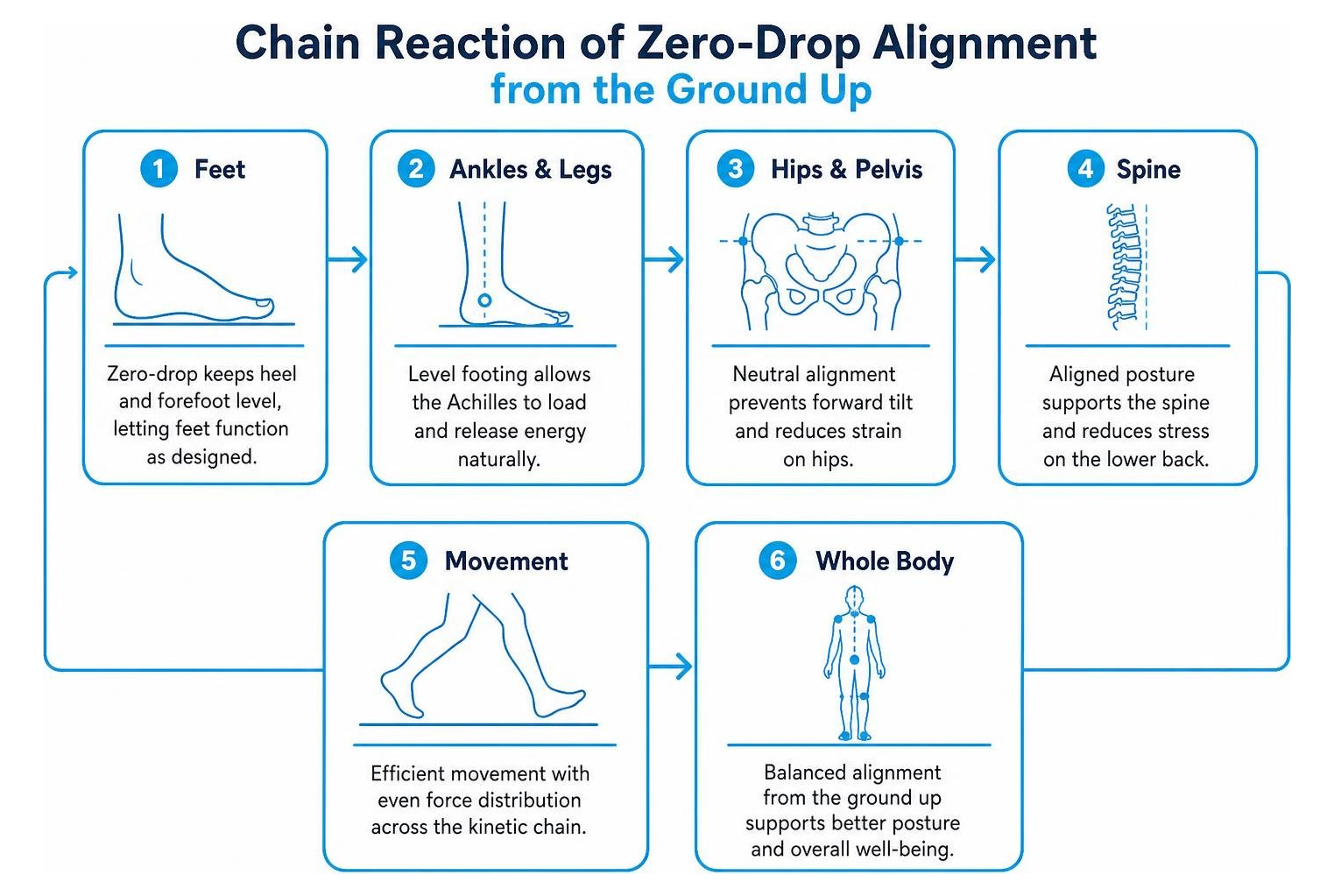
Independent research of over 500 participants showed that 91% noticed improved posture in their very first week after switching to a level, zero-drop sole. Level footing aligns the spine, allows the Achilles tendon to load and release energy naturally, and distributes impact force evenly across the entire kinetic chain.
Key Health Benefits of Wearing Wide Toe Box Shoes
Giving your toes room to breathe delivers immediate comfort and meaningful musculoskeletal benefits. In a 12-week independent panel, 96% of participants reported less foot and back pain within weeks of switching to foot-shaped designs. Footwear that allows toes to splay activates the intrinsic foot muscles, improves blood circulation, and eases conditions like plantar fasciitis and metatarsalgia.
Relief for Bunions, Hammertoes, and Nerve Compression
Bunions (hallux valgus) and hammertoes develop when prolonged side pressure forces toes into unnatural angles. Squeezing the big toe inward forces its base joint outward, creating painful friction and inflammation against shoe uppers.
Switching to footwear that focuses on eliminating forefoot pressure for bunion relief lets the big toe sit straight. Premium designs, including extra-wide cushioned trainers and ergonomic slip-ons, eliminate restrictive overlays directly over sensitive joints, providing natural relief from bunion pressure without painful rubbing.
Enhanced Balance, Stability, and Kinetic Chain Alignment
When your toes splay, you gain a wider, more stable foundation with every step. Unrestricted toes maintain direct sensory contact with the ground, heightening proprioception—your body’s ability to sense its position in space. This improved feedback stabilizes the ankles, supports proper knee tracking, and prevents the internal hip rotation that commonly triggers lower back strain.
How to Select the Ideal Features for Your Foot Type
Finding your ideal pair requires balancing spacious toe dimensions with a secure fit through the heel and instep. If a shoe is wide all over, a person with narrow heels will slide forward, defeating the purpose of the roomy forefoot.
| Feature | Minimalist / Barefoot Style | Cushioned Wide Style |
|---|---|---|
| Sole Thickness (Stack Height) | 3mm – 9mm (Ultra-thin) | 18mm – 32mm (Moderate to high) |
| Drop (Heel-to-Toe) | 0mm (Completely flat) | 0mm – 6mm |
| Flexibility | Maximum (Rolls into a ball) | Moderate (Bends primarily at forefoot) |
| Ground Feel & Proprioception | High sensory feedback | Dampened impact, high joint protection |
| Ideal Use Cases | Muscle strengthening, casual walks | Long road runs, concrete shifts, heavy hikes |
| Transition Period | 2 to 4 weeks gradual ramp-up | Minimal to none |
Sizing and Proper Foot Measurement Techniques
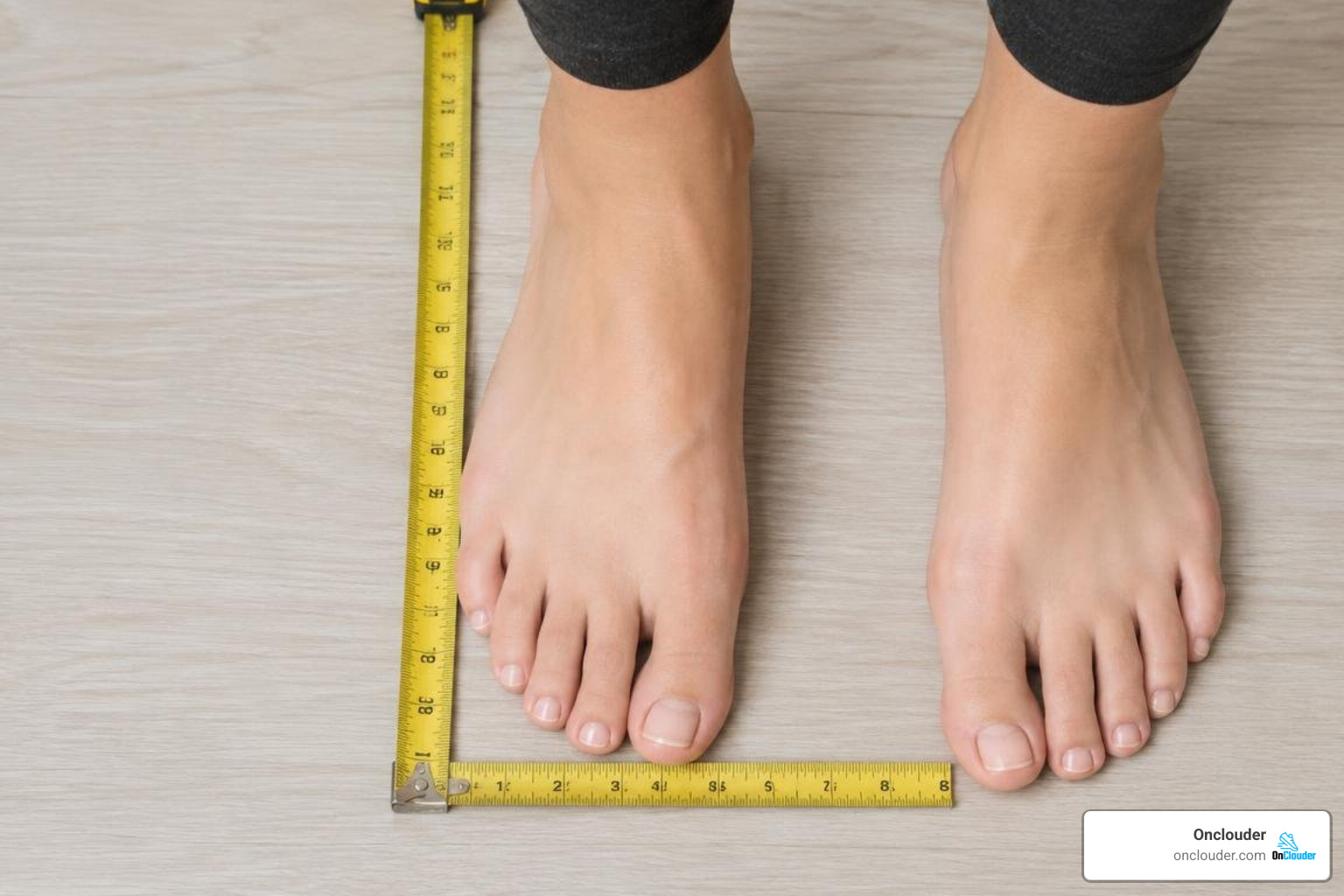
Never rely solely on your standard shoe size tag, as sizing varies widely between anatomical and conventional brands. To get an accurate measurement:
- Place a piece of paper on the floor against a flat wall.
- Stand barefoot on the paper with your heel lightly touching the wall.
- Mark the tip of your longest toe (which may be your second toe).
- Measure the distance in millimeters from the wall to your mark.
- Add 5–10mm of clearance to allow for dynamic toe splay and natural forward foot expansion during movement.
Take note of your instep volume as well. A shallow shoe can pinch the top of a high-volume foot, even if the toe box itself is plenty wide. Those with a tapered rearfoot should look for designs specifically built for fitting narrow heels and wide forefeet to avoid friction blisters.
Sole Flexibility, Cushioning, and Upper Materials
When evaluating materials, choose upper fabrics that stretch and flex with your gait. Soft, breathable knit meshes and supple, chrome-free vegetable-dyed leathers adapt to the unique contours of wide feet over time without rigid pressure points. Ensure outsoles feature durable, slip-resistant rubber compounds with sufficient flex grooves along the metatarsal break.
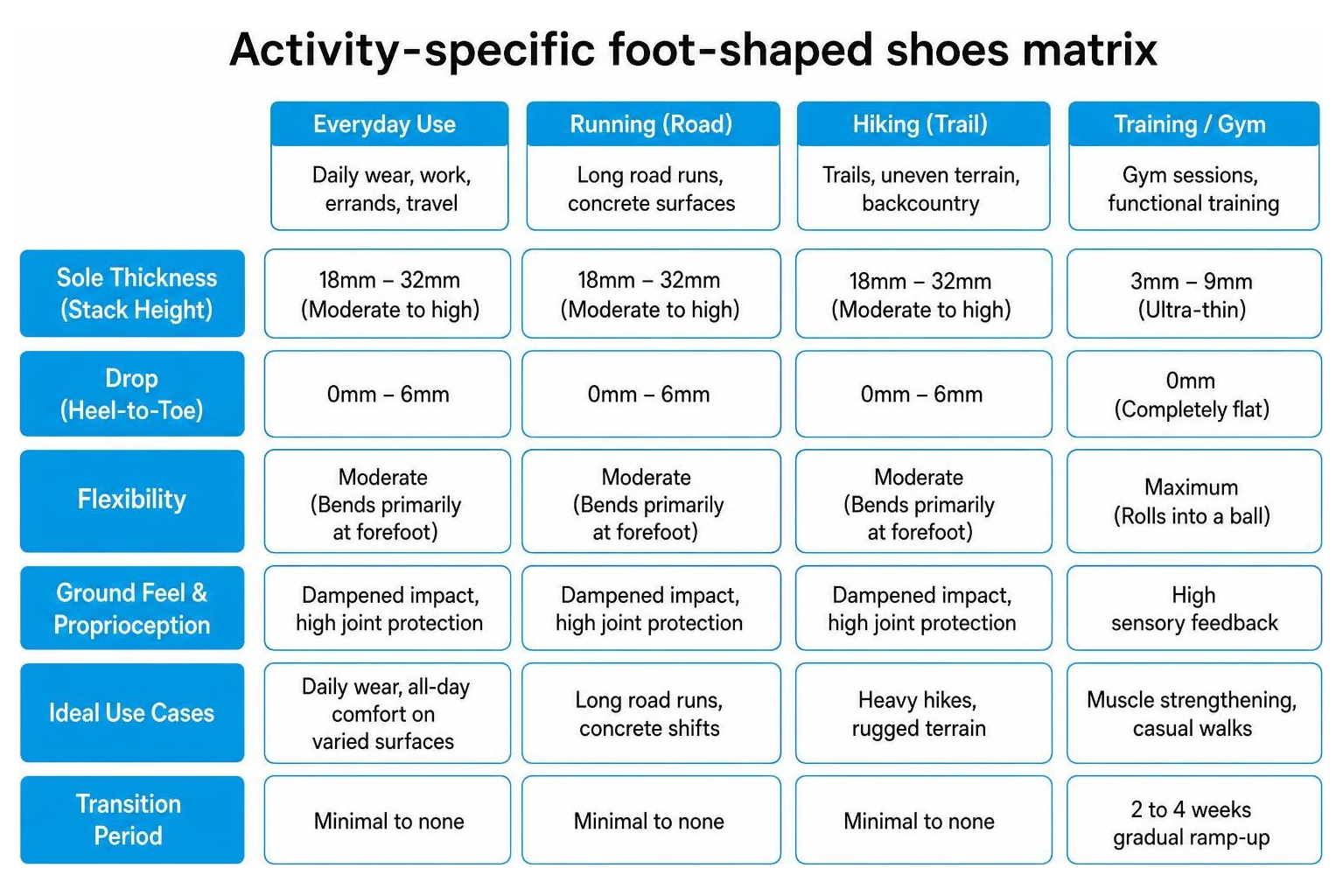
Activity-Specific Footwear Categories for Daily Life and Sports
Different activities place distinct mechanical demands on your feet. Fortunately, anatomical footwear now covers everything from technical athletics to relaxed everyday wear.
Choosing Wide Toe Box Shoes for Athletic Performance
Athletic pursuits demand shoes that handle high impact while allowing natural toe splay during push-off. Runners will find that 2026 running shoes with wide toe boxes significantly reduce friction blisters, black toenails, and metatarsal numbness over long distances.
For rugged backcountry trails, spacious hiking boots provide room for your toes to spread and stabilize on uneven terrain without letting your feet slam into the front of the boot on steep descents.
Casual Wear, Travel, and Work Footwear Options
For daily office wear, dining, or travel, you no longer have to choose between foot health and looking sharp. Everyday lifestyles benefit from dedicated top walking shoes for comfort designed for concrete pavements.
Shoppers can explore stylish women’s roomy casual shoes alongside comfortable men’s spacious footwear options, ranging from artisanal woven huarache leather slip-ons to no-tie knit sneakers that pack down effortlessly for travel.
Managing the Transition and Overcoming Potential Drawbacks
Moving from stiff, elevated shoes into flexible, zero-drop anatomical footwear awakens muscles, tendons, and ligaments that may have been underused for decades. A blind comfort test against 10 leading brands showed that 8 out of 9 users preferred the flexibility of anatomical designs—yet adapting without injury still requires a smart, gradual approach.
Transitioning to Barefoot Wide Toe Box Shoes Safely
If your new pair features a thin, unpadded sole, follow a conservative 3-week transition schedule to allow your calves, arches, and Achilles tendons to lengthen safely:
- Week 1: Wear your new footwear for 1 to 2 hours per day during light household tasks or short errands.
- Week 2: Increase wear time to 3 to 4 hours daily, adding low-impact neighborhood walks.
- Week 3: Progress to half-day or full-day casual wear, watching how your calves and arches feel.
Pair this gradual ramp-up with gentle calf stretches, toe yoga (lifting the big toe independently from the smaller toes), and rolling the soles of your feet over a tennis ball to ease muscular tension.
Addressing Fit Challenges for High Insteps and Volume Variations
A common hurdle with extra-wide shoes is vertical volume. Some models feature a wide platform but maintain a shallow depth across the forefoot, which can press down uncomfortably on high insteps or swollen feet.
If you encounter midfoot tightness, replace thick factory insoles with ultra-thin liners, or use parallel/window lacing techniques to relieve downward pressure across the top of your foot.
Frequently Asked Questions About Foot-Shaped Shoes
How much extra room should I have in front of my toes?
You should aim for 5–10mm (roughly half a thumb’s width) of clear space between the end of your longest toe and the front edge of the shoe. When you walk, run, or step downhill, your foot naturally lengthens and splays under load; this built-in clearance prevents your toes from colliding with the toe bumper.
Can wide toe box footwear reverse existing bunions?
While footwear alone cannot entirely restructure severe, long-standing skeletal bone changes without medical intervention, wearing foot-shaped shoes removes the lateral pinching that causes bunions to worsen. Combining wide footwear with silicone toe spacers and foot-strengthening exercises helps relieve joint inflammation and pain while improving functional toe alignment.
Do I need to transition slowly if the shoes have standard cushioning?
If your wide shoes feature substantial midsole cushioning and a moderate heel drop, you can usually wear them right away with minimal adjustment. However, if the shoes combine a wide toe box with a flat zero-drop sole, take a couple of weeks to ease in so your calves and Achilles tendons can adapt comfortably to the level platform.
Conclusion
Your feet are the foundation for every step you take. Cramming them into narrow, tapered shoes compromises natural posture, limits muscle engagement, and frequently leads to avoidable joint pain. Switching to foot-shaped, wide designs restores natural toe splay, improves balance, and lets your body move the way nature intended.
Ready to leave cramped toes behind? You can explore tested footwear comparisons to stop the squeeze and discover our top recommendations for healthy, all-day foot comfort.