

Why Knowing How to Clean Running Shoes the Right Way Actually Matters
If you’re wondering can you wash Nike Free Runs, the short answer is yes, but how you do it makes all the difference.
Quick Answer:
| Method | Safe? | Best For |
|---|---|---|
| Hand washing | Yes – recommended | Lightweight running shoes |
| Machine washing | Possible with caution | Occasional deep clean only |
| Dryer | No | Never – damages foam and adhesives |
| Air drying | Yes | Always use this method |
Lightweight running shoes are built for natural movement. That means flexible mesh uppers, soft foam, and deep sole grooves. These materials perform well on the road, but they’re also sensitive to heat, harsh chemicals, and aggressive washing.
Get the cleaning wrong and you risk:
- Warped foam midsoles
- Damaged adhesives that hold the sole together
- Faded colors or stretched mesh
- A shoe that fits differently than before
The good news? Cleaning them properly isn’t complicated. It just takes the right method.
Studies show that shoes cleaned with gentle hand washing methods can last up to 30% longer than those put through a machine wash. And since many running shoes are built to carry you through 300 to 500 miles of use, protecting that investment is worth a few extra minutes of care, according to general shoe care standards.
I’m Faisal S. Chughtai, a footwear comfort and performance expert who has spent years helping runners and active professionals answer questions exactly like can you wash Nike Free Runs and get the most out of every mile. In this guide, I’ll walk you through every step so your shoes stay fresh, functional, and long-lasting.
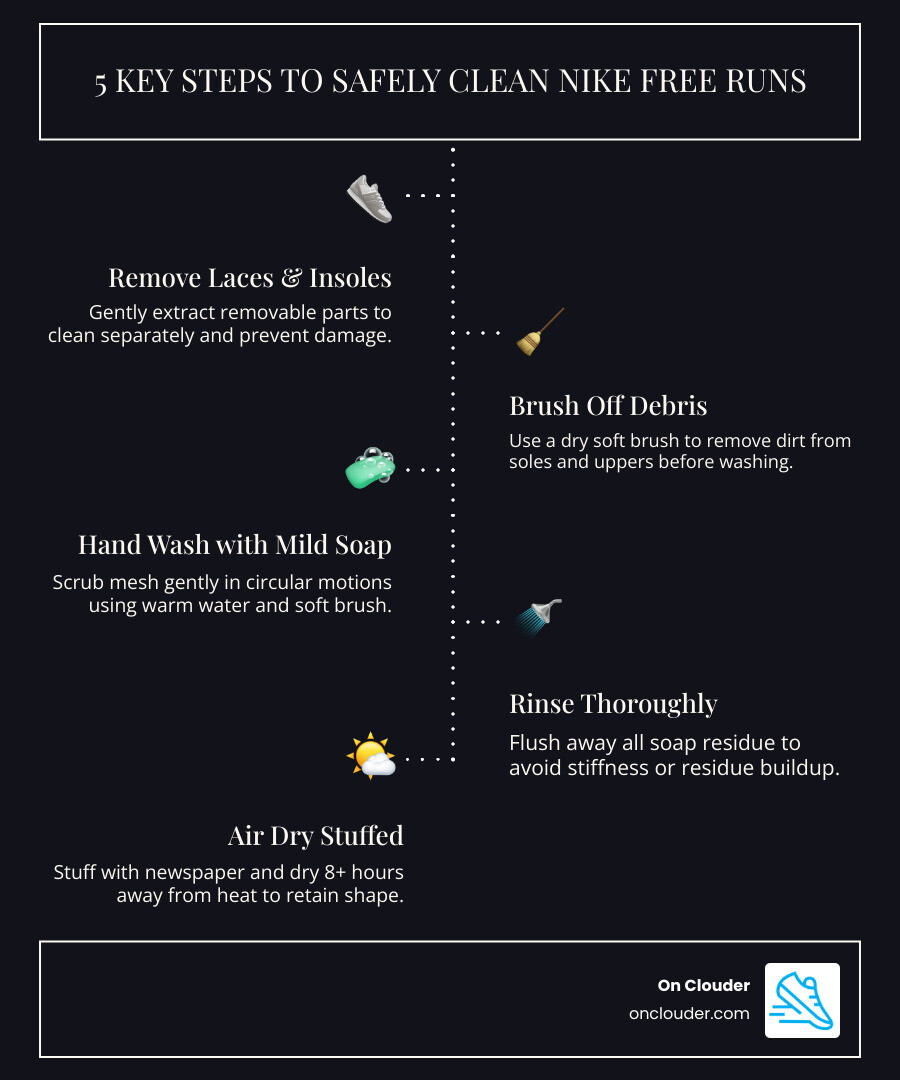
Simple guide to can you wash nike free runs:
- The Easiest Way To Wash Runners In Washing Machine
- Step By Step Guide To The Best Way To Clean Sports Shoes
- How To Clean Mesh Sneakers A Step By Step Guide
Can You Wash Running Shoes in the Washing Machine?
As we head into April 2026, the debate over machine washing continues to trend. While many of us crave the convenience of a “set it and forget it” cleaning method, it helps to look at general manufacturer guidance. In most cases, brands do not recommend putting lightweight running shoes in the washing machine. The primary reason is that mechanical agitation can be too aggressive for the materials commonly used in flexible trainers.
When you ask, “can you wash nike free runs in a machine?” you have to consider the risks. The high-speed spinning and tumbling can cause the foam midsole to lose its structural integrity. Furthermore, the adhesives used to bond the sole to the upper can weaken, leading to premature delamination.
However, sometimes life gets messy. If you must use a machine, it is vital to follow The Easiest Way To Wash Runners In Washing Machine protocols. This involves using a delicate cycle with cold water. Heat is the ultimate enemy here; it can shrink synthetic fabrics and warp foam. Always use a mesh laundry bag to provide a layer of protection between the shoes and the drum of the washer. Adding a few towels to the load can also help balance the machine and prevent the shoes from banging around too violently.
The Best Way to Hand Wash Running Sneakers
Hand washing is the gold standard. It allows us to be precise, gentle, and thorough without subjecting the shoe to unnecessary stress. By choosing to hand wash, you are directly contributing to the longevity of your footwear, helping them reach that 500-mile milestone in better condition.
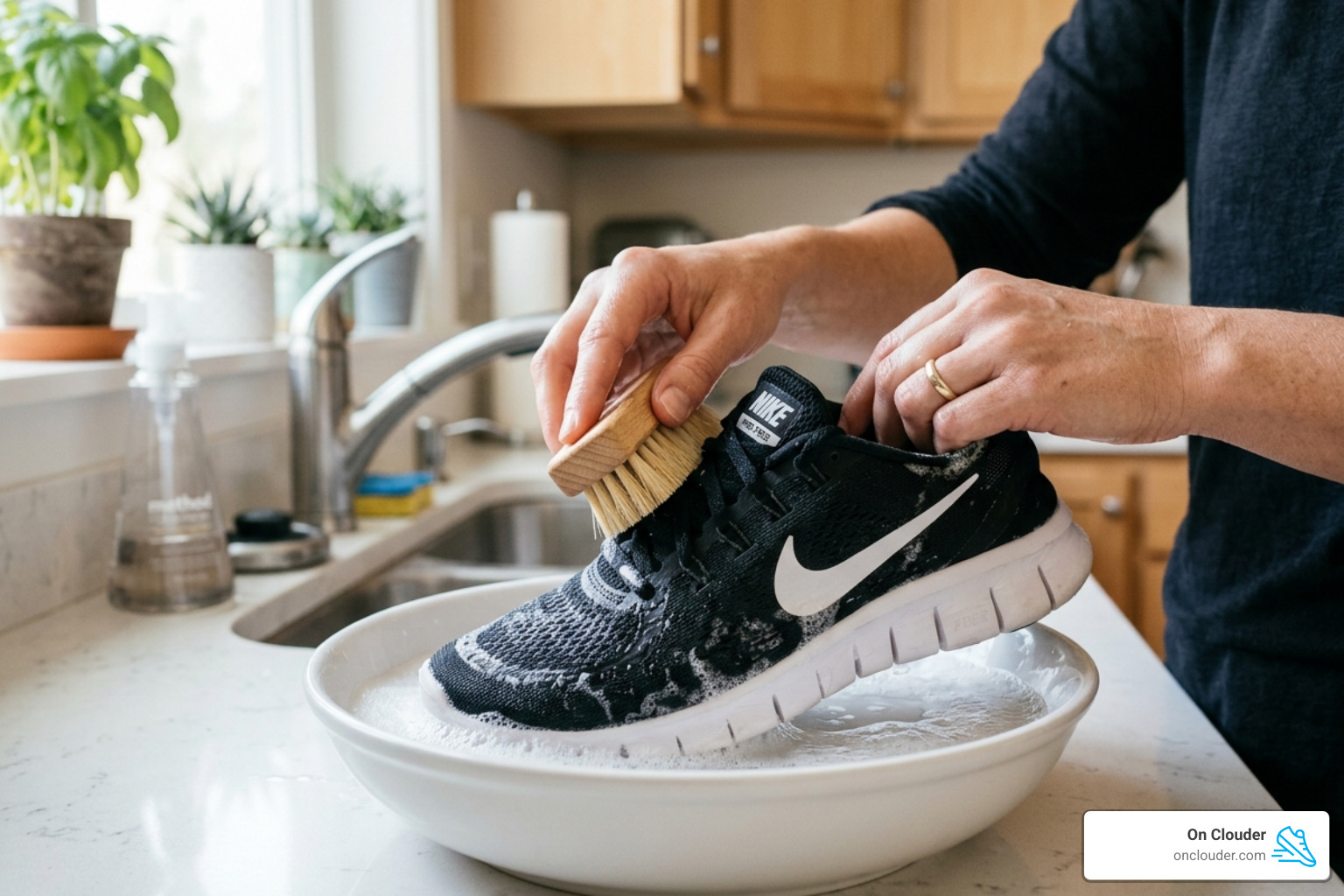
To get started, you’ll need a few basic supplies:
- A soft-bristled brush (an old toothbrush works well)
- Mild laundry detergent or specialized shoe cleaner
- A microfiber cloth
- A bowl of warm (not hot) water
Following a Step By Step Guide To The Best Way To Clean Sports Shoes ensures you don’t miss any critical areas. Start by dipping your brush into the soapy water and working in small, circular motions. The goal is to lift the dirt rather than grind it deeper into the fabric. Since many performance shoes feature mesh uppers, you should refer to How To Clean Mesh Sneakers A Step By Step Guide to avoid fraying delicate fibers.
Hand Washing vs. Machine Washing: At a Glance
| Feature | Hand Washing | Machine Washing |
|---|---|---|
| Control | High – you target specific stains | Low – uniform agitation |
| Risk of Damage | Very Low | Moderate to High |
| Drying Time | Standard | Standard |
| Effort Level | Moderate | Low |
| Longevity Impact | Extends life by up to 30% | May shorten life over time |
Preparing Your Shoes for Cleaning
Before any water touches the shoe, preparation is key. We always recommend removing the laces and the insoles first. Laces can be washed separately, either by hand or in a small mesh bag in the laundry, and removing the insoles allows you to clean the interior of the shoe more effectively.
Next, perform a dry brush. Use a dry, soft-bristled brush to sweep away loose dirt, sand, or dried mud from the outsole and the upper. This prevents you from creating a mud paste once you add water. If you skip this step, you’ll find yourself just pushing wet dirt around. For those dealing with particularly porous materials, our How To Clean Mesh Sneakers A Step By Step Guide offers deeper guidance for getting grit out of tiny holes.
Cleaning the Mesh and Knit Uppers
Many running shoe models use knit or engineered mesh uppers. These materials are incredibly breathable but can trap dust and sweat. When cleaning these uppers, use a gentle touch. Aggressive scrubbing can cause the fabric to pill or stretch.
If you have stubborn stains, consider a pre-treatment. A simple paste of baking soda and water, or even micellar water, can be applied to the stain and left for 15 minutes before being wiped away with a damp microfiber cloth. Always scrub in the direction of the knit pattern to help preserve the look and structure of the shoe.
Proper Drying and Post-Wash Maintenance
The drying phase is where most people make a fatal mistake. Never put your Nike Free Runs in the dryer. The intense heat can melt the glue, shrink the mesh, and permanently deform the foam.
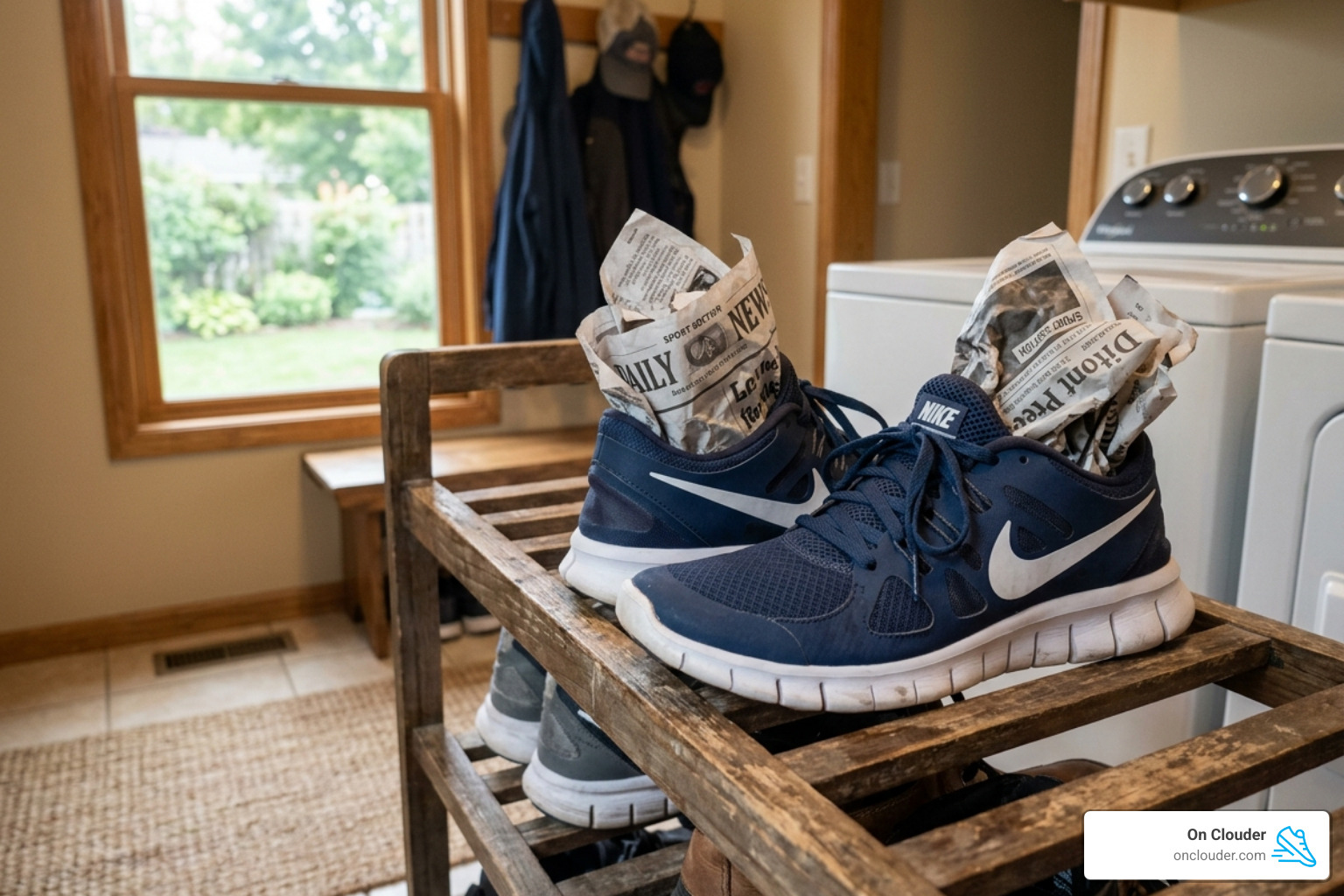
The best way to dry your shoes is to let them air dry at room temperature. To speed up the process and help the shoes keep their shape, stuff them with crumpled newspaper or plain paper towels. This helps absorb moisture from the inside out. Change the paper every few hours if the shoes are particularly soaked.
According to research, letting shoes dry naturally can reduce the growth of bacteria by up to 60%. This is a crucial step in Stop Running In Filth And Learn How To Wash Your Shoes. Expect the drying process to take at least 8 to 24 hours depending on the humidity in your area. Avoid placing them in direct sunlight, as UV rays can cause colors to fade and materials to become brittle.
How to Deodorize and Maintain Your Shoes
Odors are a natural part of running, but they don’t have to be permanent. Once the shoes are dry, you can sprinkle a little baking soda inside and let it sit overnight to neutralize smells. For the insoles, wash them by hand with a mild soap and ensure they are 100% dry before sliding them back in.
We’ve found that simple maintenance habits often make the biggest difference. For example, rotating your shoes and not wearing the same pair two days in a row allows the foam to decompress and the moisture to fully evaporate. This habit alone can significantly extend the 300-500 mile lifespan of your running shoes.
Preventing Future Stains on Your Shoes
Prevention is always easier than a deep clean. We suggest applying a water and stain repellent spray specifically designed for athletic footwear immediately after they are clean and dry. This creates an invisible barrier that makes it harder for mud and liquids to penetrate the mesh.
If you happen to get a scuff or a small mud splash during a run, try to spot-clean it immediately with a damp cloth. White models especially benefit from quick maintenance before stains set in. Finally, store your shoes in a cool, dry place away from direct sunlight to prevent the rubber from drying out and cracking.
Frequently Asked Questions About Cleaning Nike Free Runs
Can I put my Nike Free Runs in the dryer?
Absolutely not. The heat in a dryer is far too intense for the synthetic materials and adhesives in Nike Free Runs. It can lead to shrinking, warping, and the total breakdown of the shoe’s structure. Always air dry at room temperature.
How often should I clean my running shoes?
We recommend a quick spot clean whenever they look visibly dirty. For a deep clean, every 4 to 6 weeks is a good rule of thumb for regular runners. Keeping them clean prevents dirt from acting like sandpaper on the mesh fibers, which can cause holes over time.
What should I do if my shoes shrink after washing?
If your shoes have shrunk, it’s usually because they were exposed to heat. Unfortunately, shrinking is often permanent. However, you can try wearing them with a thick pair of socks around the house to see if the mesh will stretch back out slightly. To prevent this, always use cold water and air dry.
Conclusion
At On Clouder, we believe that your gear should work as hard as you do. Understanding the nuances of can you wash nike free runs is the first step in protecting your investment and your foot health. By opting for hand washing, avoiding the dryer, and practicing regular maintenance, you help ensure that your running shoes remain flexible, supportive, and comfortable for every mile of their lifespan.
A clean shoe isn’t just about aesthetics – it’s about performance preservation. When your shoes are free of grit and grime, the materials can move naturally, exactly as intended. For more footwear care tips, explore our other shoe cleaning guides. Happy running!