
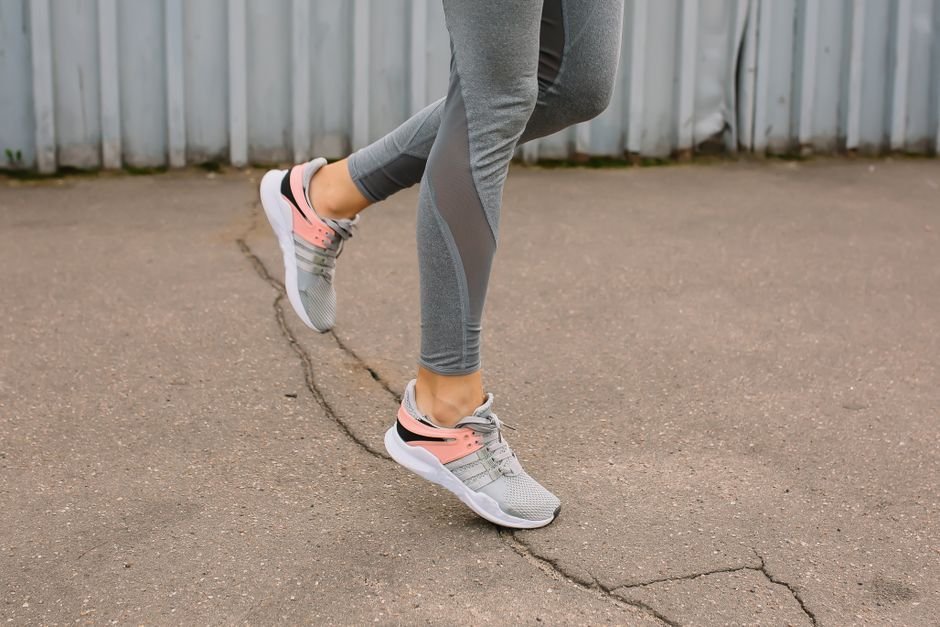
Best Adidas Women’s Shoes for Plantar Fasciitis (That Actually Help)
Finding Adidas Women’s Shoes for Plantar Fasciitis
Start with fit and support. Not just softness. You want a snug heel. Room for your toes. Cushioning that won’t collapse under your foot. And an insole you can pull out if you wear orthotics. The adidas Puremotion Adapt? It’s a comfy slip-on for daily wear. But that flexible fit might not give everyone enough heel stability. If your heel pain won’t go away, a more structured lace-up is a better bet.
Adidas doesn’t call these shoes plantar fasciitis treatments. And comfort is different for every foot. This guide compares the styles worth a look. And it shows you how to check if a pair actually supports your feet through a workday or a walk.
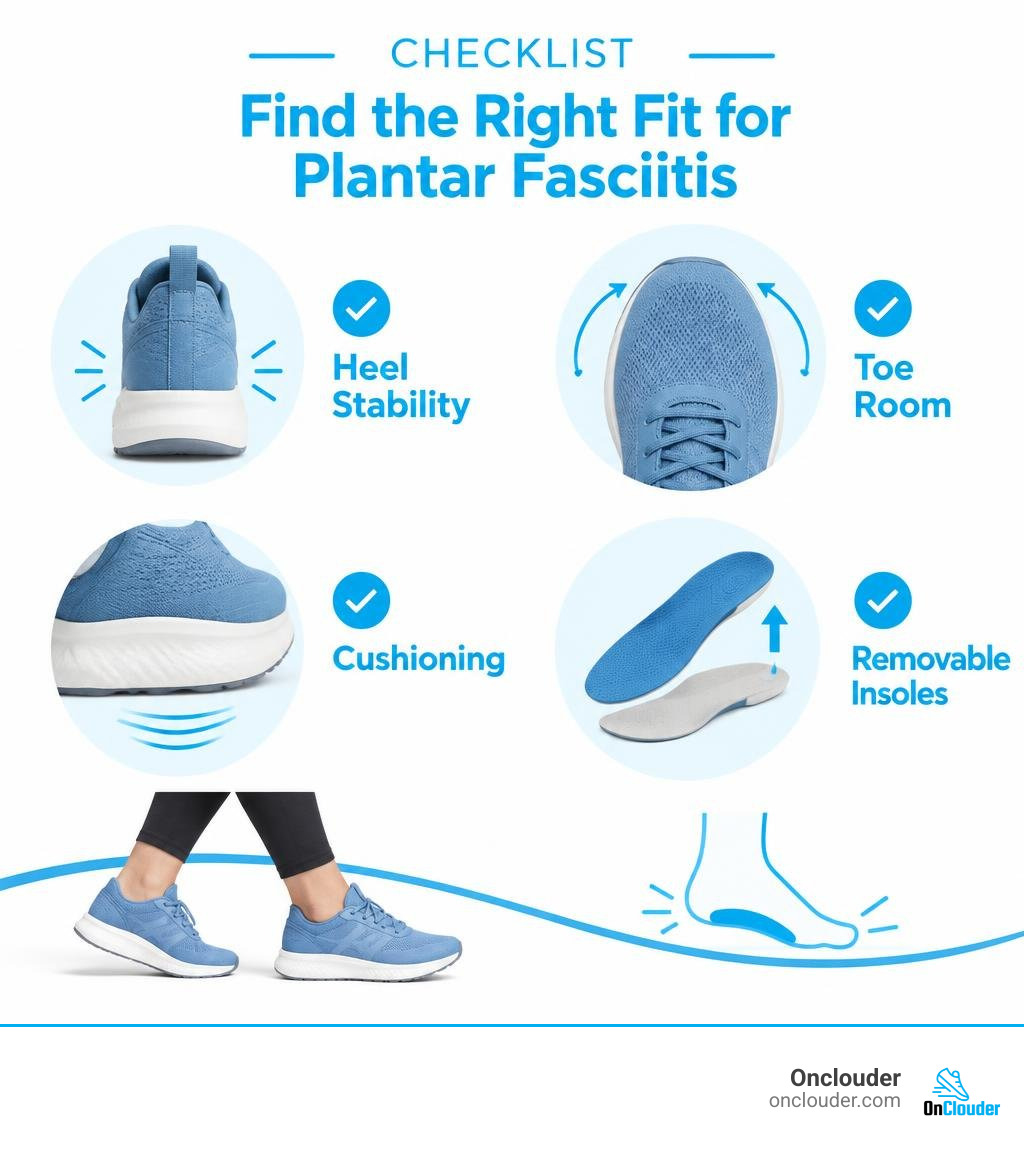
Basic adidas women’s shoes for plantar fasciitis glossary:
Essential Features in Adidas Women’s Shoes for Plantar Fasciitis
That sharp stab in your heel when you get out of bed? Or that arch ache by midday? When that happens, you stop caring how a shoe looks. You start caring about support. Here’s why. Plantar fasciitis means inflammation and tiny tears in the thick band of tissue along the bottom of your foot. And when you walk on hard floors without enough structure underneath? That band stretches past its natural limit.
So how do good shoes fix that? They build in specific design features. All aimed at one thing: spreading your body weight evenly across your whole foot.
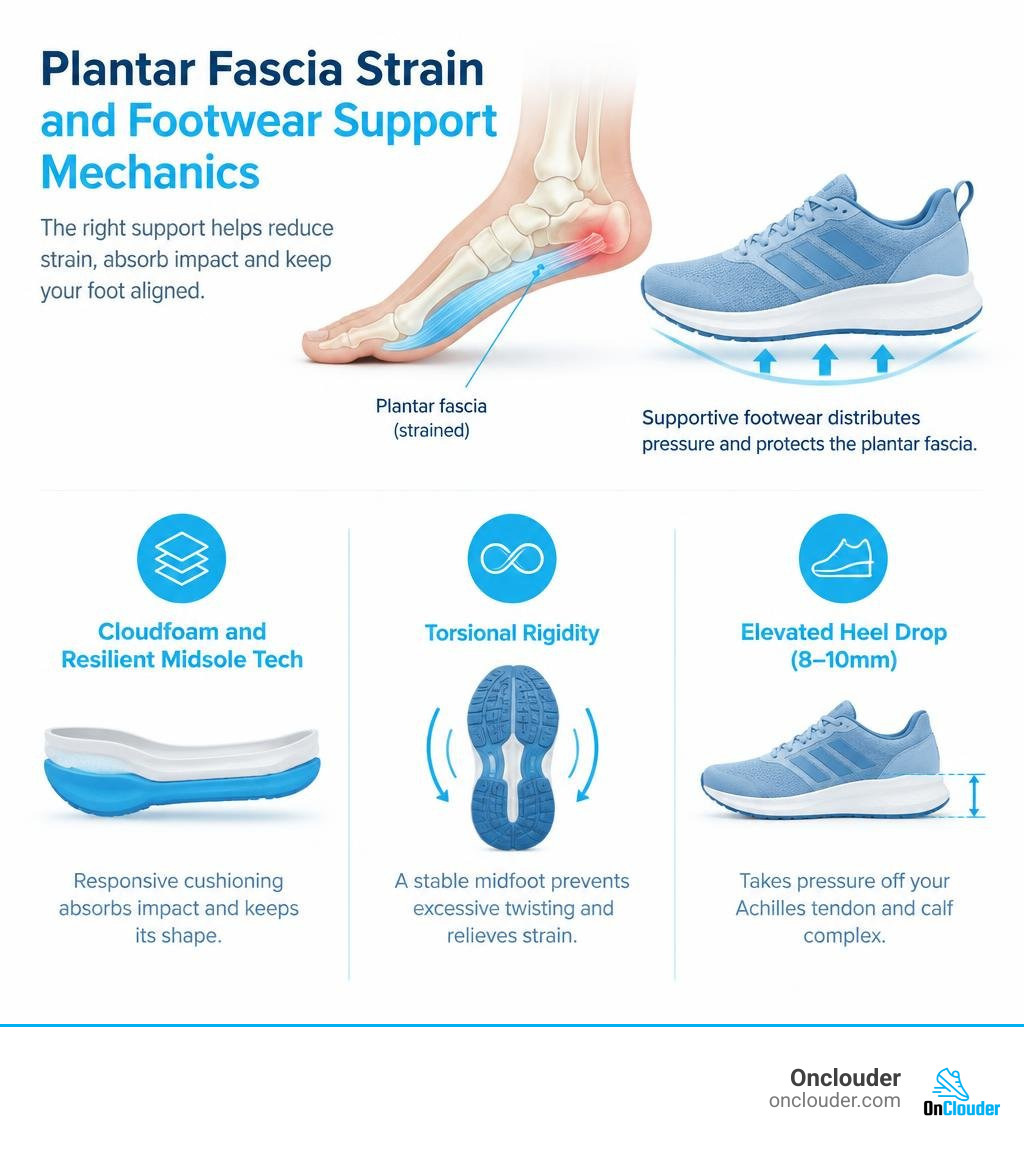
Finding relief requires balancing several key structural elements:
- Cloudfoam and Resilient Midsole Tech: adidas relies heavily on proprietary materials like Cloudfoam, Lightstrike, and Boost. For plantar heel pain, the midsole must provide responsive shock absorption without bottoming out completely under sustained weight.
- Torsional Rigidity: A supportive sneaker should not twist like a wet washcloth. Torsional stiffness through the midfoot prevents excessive foot torquing, which directly relieves strain along the plantar aponeurosis.
- Elevated Heel Drop (8–10mm): A modest heel-to-toe drop takes the mechanical load off your Achilles tendon and calf complex, indirectly reducing tension across the bottom of the heel bone.
- Structured Heel Counter & Bevel: A firm cup locks the calcaneus (heel bone) into place, stabilizing the natural fat pad under your heel to maximize shock dissipation upon initial ground contact.
- Outsole Traction: Durable, non-slip rubber outsoles provide reliable purchase across slick indoor surfaces and concrete sidewalks, preventing sudden micro-slips that jar the arch.
Choosing footwear that naturally stabilizes your gait cycle forms the first line of defense. For an expanded overview of structured designs, check out our guide to arch support footwear.
Arch Support and Cushioning Dynamics in Modern Silhouettes
Cushioning alone won’t fix anything. Here’s why. If a shoe is too squishy, your arch muscles have to work overtime just to keep you steady. And that makes your plantar fascia worse. So what should you look for? Cushioning with two layers. A soft top for comfort. A firmer base for structure.
Take a shoe like the Adifom Megajane. It shows how sculpted foam spreads downward pressure around. The Adifom line uses a big molded EVA frame that wraps around your foot. That platform-style shape works like a cradle. It keeps your arch from flattening out during long shifts on your feet.
If your daily routine involves standing for hours on hard surfaces, explore our standing all day footwear guide for an in-depth breakdown of pressure-dispersing midsoles.
Are Adidas Women’s Shoes for Plantar Fasciitis Suitable for Custom Orthotics?
A common question we encounter is whether lifestyle and running sneakers can accommodate medical-grade orthotic inserts or over-the-counter arch supports.
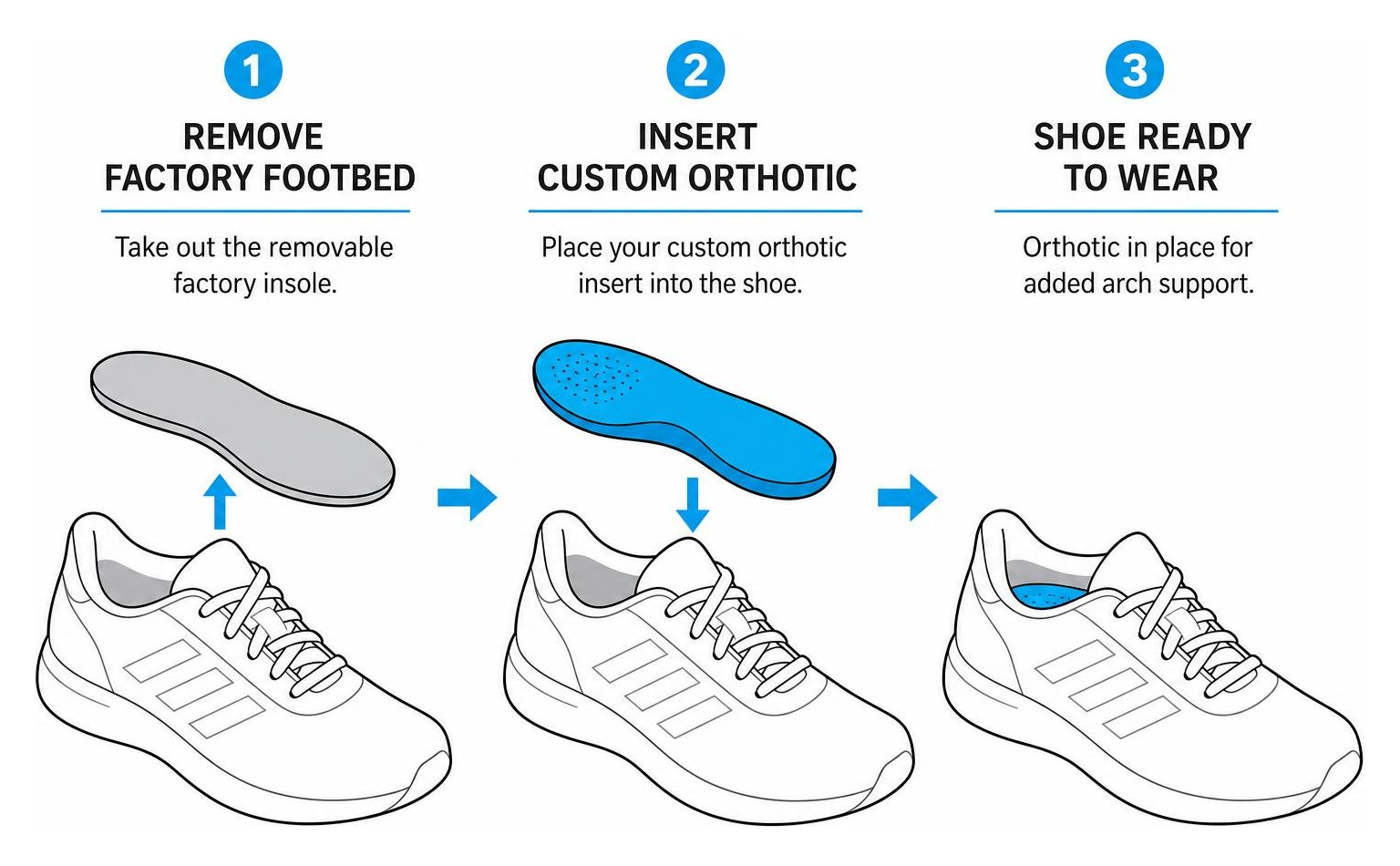
Many adidas lace-up models feature removable factory insoles, allowing you to slide in specialized inserts without crowding your toes. However, some lifestyle and slip-on designs have glued footbeds.
Before using custom orthotics with adidas footwear, keep these factors in mind:
- Interior Volume & Depth: Removing the factory liner should create enough vertical space so your instep does not rub against the tongue or upper eyelets.
- Heel Collar Height: Thicker orthotics elevate your heel slightly. Ensure the shoe’s heel counter remains deep enough to prevent heel slip during walking.
- Base Stability: The footbed floor must be flat and broad enough to support your orthotic without tilting.
For a side-by-side comparison of off-the-shelf and medical-grade inserts, see our guide on shoe inserts versus custom orthotics.
Leading Silhouettes for Everyday Relief and Active Lifestyles
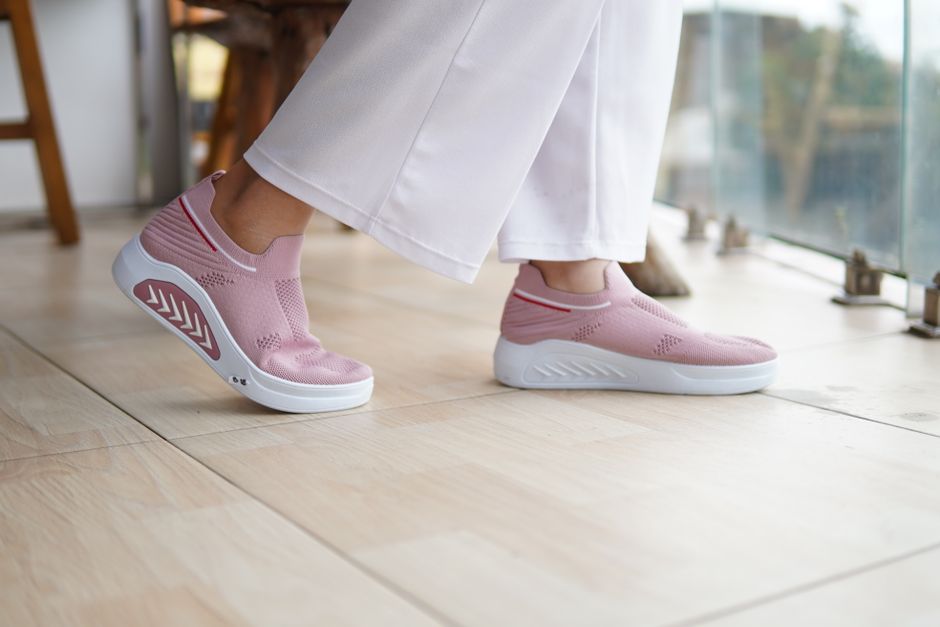
To help you choose the right model, we have broken down popular footwear options, comparing their cushioning, stability, and everyday performance.
| Model / Footwear Type | Cushioning Level | Arch Profile | Primary Benefit | Best Use Case |
|---|---|---|---|---|
| adidas Puremotion Adapt | Plush (Cloudfoam) | Moderate / Flexible | Elastic cross-strap slip-on convenience | Casual wear, light walking, travel |
| adidas Adifom Megajane | High (Sculpted EVA) | Structured Cradle | Broad base with pressure dispersal | Modern casual styling, long standing |
| Specialized Orthotic Sneaker | Medium-Firm | High / Rigid | Targeted biomechanical correction | Active daily rehab, brisk walking |
| Multi-Tool Plantar Kit | Variable / Modular | Targeted High Arch | Comprehensive stretching and offloading | Home therapy & post-workout relief |
So what about the adidas Puremotion Adapt Running Shoe? It’s a slip-on that’s easy to get into. And it’s got a solid 4.5 out of 5 stars from over 14,330 reviews. The elastic band system gives you a flexible, locked-in feel. No laces to deal with. Its Cloudfoam midsole soaks up everyday impacts from the pavement. But here’s the catch. If you have severe overpronation or acute heel pain? This shoe might not have the rigid medial stability you need for high-impact training.
On the other hand, there are shoes built just for foot pain. They come with built-in orthotic inserts. Platform rockers. Wide toe boxes. All designed to help. And recovery programs? They mix supportive insoles, orthotic sandals, and textured foot rollers. All to target plantar fascia tightness head-on.
Running Shoes vs. Walking Shoes for Heel Pain Relief
Understanding the difference between running and walking biomechanics makes choosing the right shoe much easier:
- Running Silhouettes: Built for forward momentum and rapid energy return. They feature greater toe spring, pronounced heel bevels, and responsive foams designed to handle impact forces up to three times your body weight.
- Walking Silhouettes: Prioritize continuous heel-to-toe roll, broad ground contact, and lateral stability during slower, sustained steps.
Women dealing with overpronation often find that running shoes with integrated medial stability posts keep the foot from rolling inward and stretching the plantar fascia. If overpronation is your main challenge, read our guide to the daily overpronation trainers for models engineered to maintain a neutral gait.
Can slip-on sneakers give you enough support for plantar fasciitis?
Yes — for mild discomfort or casual daily wear. Slip-ons with wide elastic gore straps and molded Cloudfoam footbeds cushion your daily steps. And they’re easy to slip on and off. But if you have acute heel pain or severe overpronation? A lace-up usually works better. Why? Because you can dial in midfoot tension and heel stability.
Most athletic and walking shoes should be swapped out every 300 to 500 miles. Or about every 6 to 8 months if you wear them daily. Here’s the tricky part. The outsole rubber might still look fine. But the foam midsole inside? It slowly compresses and stops absorbing shock. And when that happens, your plantar fascia pain can come right back.
Sizing, Fit, and Long-Term Durability Strategies
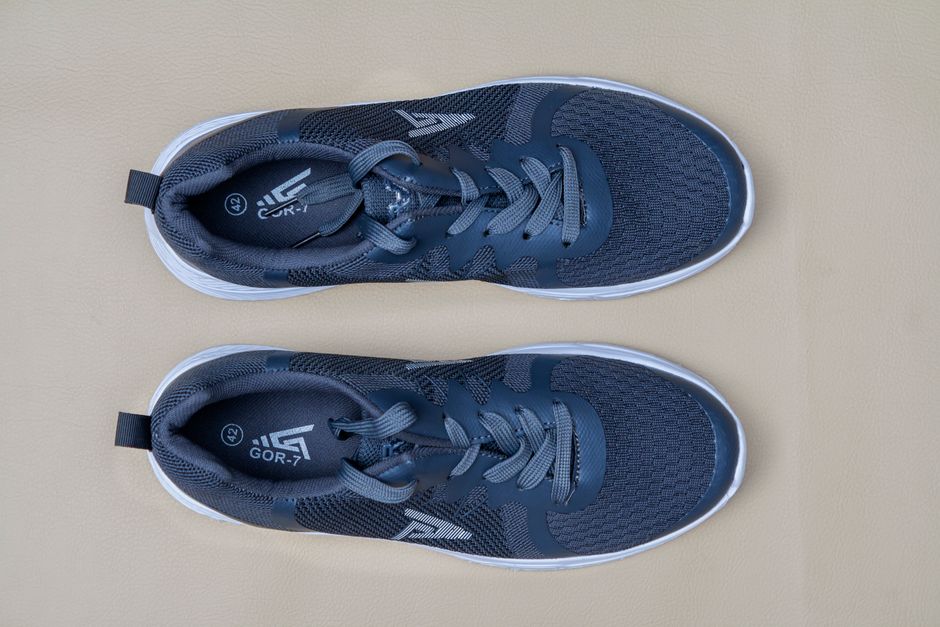
A shoe can have top-tier cushioning, but if the sizing is off, it will still cause foot pain. Narrow toe boxes squeeze the metatarsal heads together, preventing the big toe from stabilizing the arch and putting extra strain on the plantar fascia.
How to Choose the Right Size in Adidas Women’s Shoes for Plantar Fasciitis
Follow these practical guidelines when sizing your next pair:
- Allow Adequate Toe Splay: Ensure you have roughly a thumbnail’s width of space between your longest toe and the end of the shoe. Your toes need room to spread naturally as your foot bears weight.
- Accommodate Wide Feet and High Arches: If you have high insteps or wide feet, consider going up half a size in standard adidas silhouettes, or look for knit uppers that expand comfortably over the top of your foot.
- Check the Heel Lockdown: The heel counter must hold your heel firmly in place without slipping. Heel slippage creates friction and forces your toes to claw for stability, which tightens the arch.
- Account for Swelling: Try on shoes in the afternoon or evening when your feet are at their largest.
Frequently Asked Questions About Plantar Fasciitis Footwear
Can slip-on sneakers provide enough support for plantar fasciitis?
Yes, for mild discomfort or casual daily wear. Slip-on models with wide elastic gore straps and molded Cloudfoam footbeds cushion daily steps and are easy to slip on and off. However, individuals with acute heel pain or severe overpronation usually benefit more from a lace-up shoe that allows them to dial in midfoot tension and heel stability.
How often should supportive shoes be replaced to prevent heel pain?
Most athletic and walking shoes should be replaced every 300 to 500 miles, or roughly every 6 to 8 months of daily use. While the outsole rubber might still look intact, the internal foam midsole gradually compresses and loses its ability to absorb shock, which can cause plantar fascia pain to return.
What is the ideal heel drop for relieving plantar fascia tension?
A heel drop of 8mm to 10mm is generally considered ideal for managing plantar fasciitis. This slight heel elevation shortens the Achilles tendon and calf muscles just enough to reduce tension on the plantar fascia at heel strike, while still allowing a smooth, natural transition through your stride.
Conclusion
Managing plantar fasciitis does not mean you have to give up on style or athletic sneakers. By prioritizing responsive midsoles, structured heel counters, and roomy toe boxes, you can stay active without aggravating your feet.
For more expert reviews and structured footwear recommendations, explore our guide to podiatrist approved shoes for plantar fasciitis to find the right pair for your daily routine.