

Why Flat Feet Make Every Step Harder (And What Actually Helps)
The best insoles for flat feet walking can make the difference between a painful outing and a comfortable, confident stride. Here’s a quick look at the top options:
| Insole | Best For | Arch Support | Durability |
|---|---|---|---|
| PowerStep Pinnacle Low | Overpronation, daily walking | Low arch, deep heel cradle | ~6 months |
| Superfeet All-Purpose Low Arch | Slim shoes, all-day wear | Low profile, firm | 12 months |
| Tread Labs Pace 2 | Clinical-grade support | 4 arch heights available | Lifetime guarantee |
| SOLE Heat-Moldable Footbed | Custom fit, versatile shoes | Custom molded arch | 6-12 months |
| Form All-Purpose Orthotics | Multi-activity, boots & sneakers | Moldable, medium arch | 6-12 months |
If you have flat feet, you already know the feeling. A long walk — even on a smooth paved trail — can leave your heels aching, your knees complaining, and your lower back tightening up by the end of the day.
That’s not bad luck. It’s biomechanics.
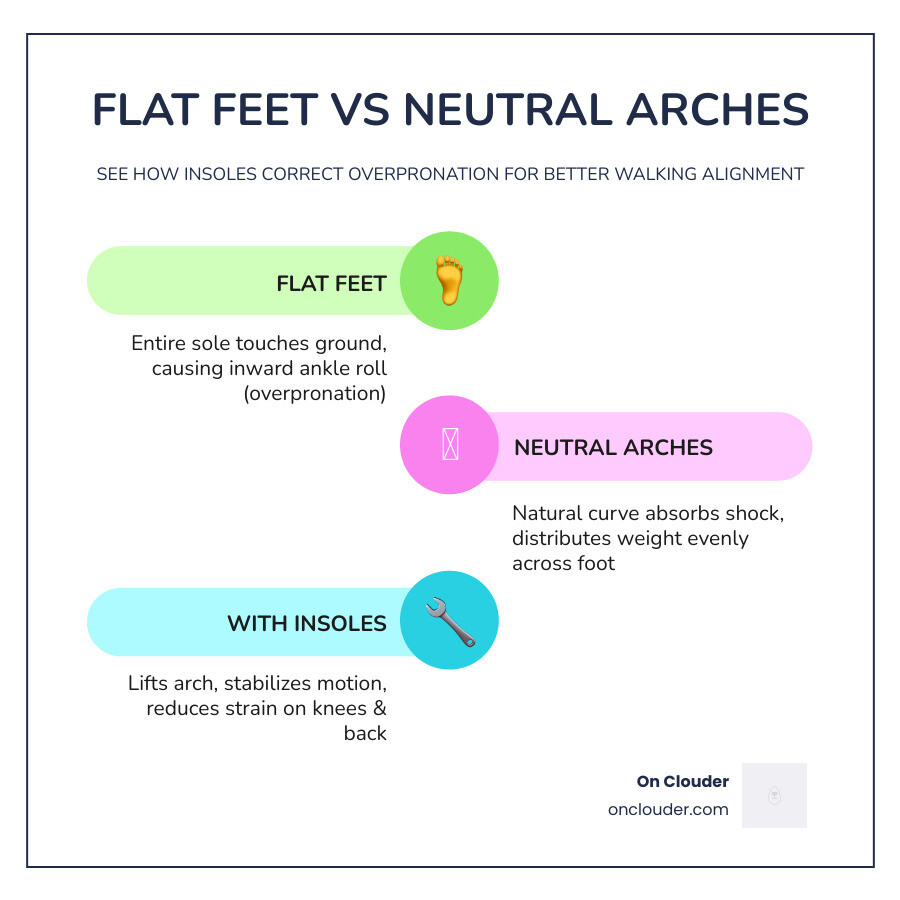
Flat feet, also called fallen arches, mean your entire sole contacts the ground when you stand or walk. Without a proper arch to absorb and redistribute impact, your ankles tend to roll inward — a pattern called overpronation. Over time, that misalignment puts extra stress on your knees, hips, and spine.
The right insole addresses this at the source, lifting and stabilizing the arch so your body can move the way it’s designed to.
I’m Faisal S. Chughtai, a footwear comfort expert who has spent years helping people find the right gear for their feet — including identifying the best insoles for flat feet walking across dozens of brands and foot types. Let’s break down exactly what works, and why.
Best insoles for flat feet walking terms to remember:
Why You Need the Best Insoles for Flat Feet Walking
When we walk, our feet act as the foundation for our entire body. For those of us with Flat Feet, that foundation is a bit less stable. Without a functional arch to act as a natural shock absorber, the force of every step travels directly into the joints of the ankles, knees, and even the lower back.
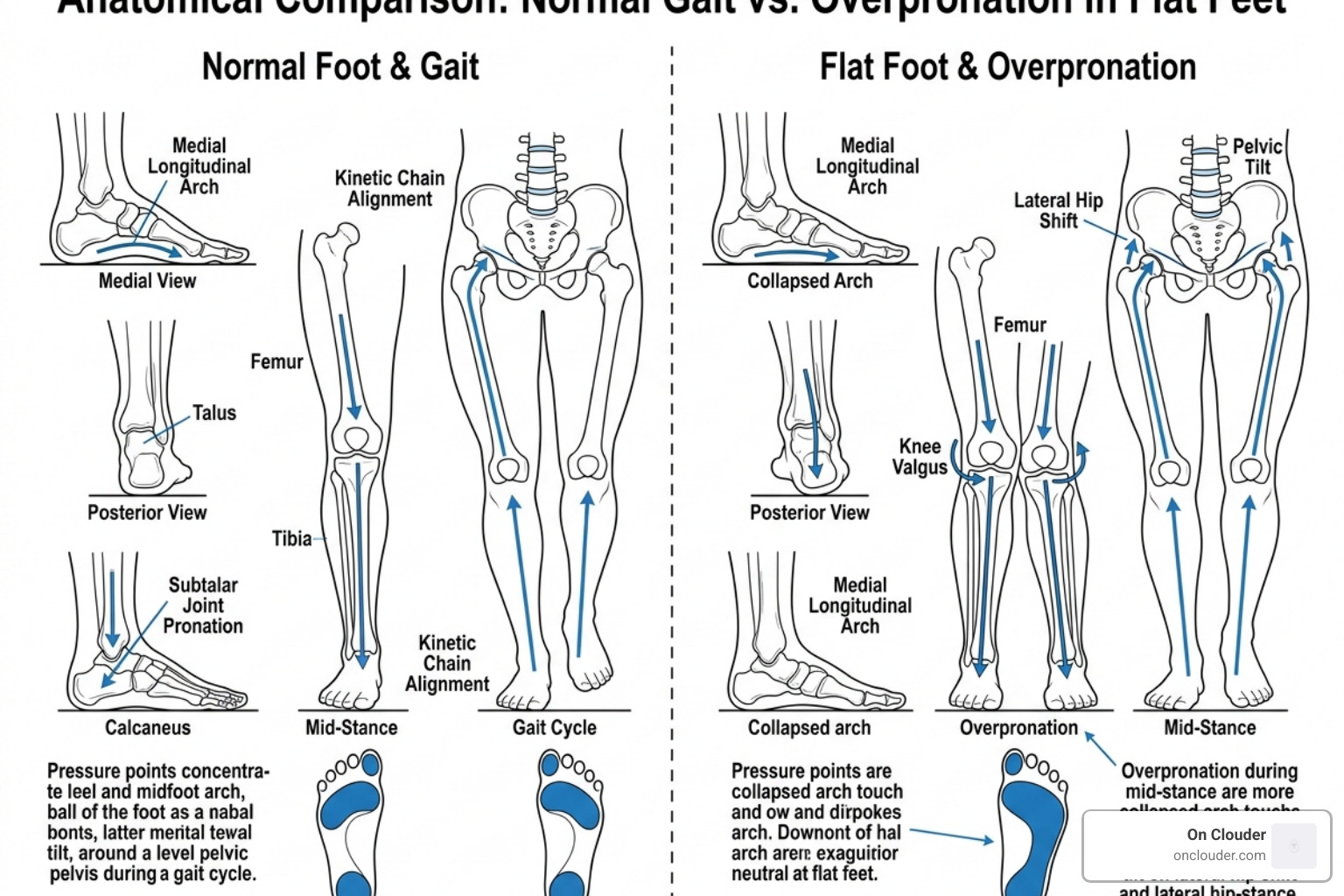
The primary reason to seek out the best insoles for flat feet walking is to correct overpronation. This is the inward rolling of the ankle that occurs when the arch collapses. This movement doesn’t just hurt your feet; it creates a “kinetic chain” reaction. When the foot rolls in, the lower leg rotates, the knee moves out of alignment, and the hips tilt to compensate.
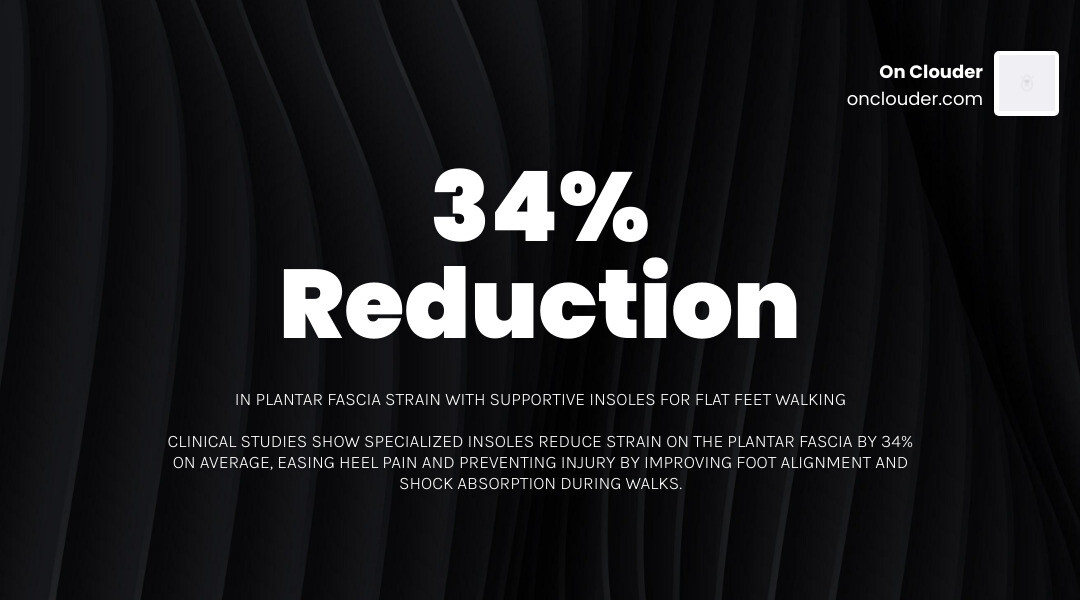
Specialized insoles provide a firm structure that “fills the gap” under your foot. This redistributes pressure evenly across the entire sole rather than concentrating it on the heel and the ball of the foot. Furthermore, high-quality inserts are clinically proven to reduce plantar fascia strain by an average of 34% in some cases, which is vital for preventing that sharp morning heel pain.
While choosing the right Flat Feet Running Shoes is a great start, a pair of specialized insoles allows you to bring that same level of medical-grade support to all your footwear, from casual sneakers to work boots.
Key Features of the Best Insoles for Flat Feet Walking
Not all insoles are created equal. If you walk into a pharmacy and grab a pair of soft, gel-filled cushions, you might feel a temporary “pillowy” sensation, but you aren’t actually fixing the structural issue. For flat feet, you need structure, not just squish.
Here are the non-negotiables to look for:
- Low Arch Support: It sounds counterintuitive, but if you have flat feet, you shouldn’t jump straight into a high-arch insole. That can feel like walking on a golf ball. Look for PowerStep Pinnacle Low Insoles which provide a lower-profile support shell specifically designed for fallen arches.
- Deep Heel Cup: A deep, structured heel cup is essential. It cradles the fatty tissue under your heel bone, maximizing your body’s natural shock absorption and stabilizing the ankle against that pesky inward roll.
- Firm Cushioning: You want materials that respond to your weight without bottoming out. For example, the All-Purpose Support Low Arch from Superfeet uses a high-density foam and a stabilizer cap to provide a firm foundation that lasts for up to 12 months.
- Moisture-Wicking Top Covers: Walking generates heat. Look for materials like “TemperWeave” or moisture-wicking fabrics that reduce friction and prevent the bacteria growth that leads to odor.
Best Insoles for Flat Feet Walking and Overpronation
If your primary struggle is overpronation—where your ankles seem to “collapse” toward each other—you need an insole with serious motion control. This isn’t just about comfort; it’s about ankle stabilization.
When we look at Hoka vs Brooks for Flat Feet, we see that these shoes are built with wide platforms to prevent rolling. You can enhance this by adding PowerStep orthotics, which are frequently recommended by podiatrists to improve overall alignment.
For those who need a truly precision fit, TREAD LABS Pace 2 Insoles are a game-changer. They offer medical-grade support with a two-part system: a durable arch support that comes in four different heights and a replaceable top cover. This ensures that even if you have “pancake flat” feet, you can find a support level that holds its shape step after step without feeling intrusive.
Top-Rated Athletic Inserts for Flat Feet in 2026
By April 2026, the technology behind over-the-counter orthotics has reached a point where many people can find relief without the $500 price tag of custom doctor-prescribed inserts.
One of the standout options is the Superfeet All-Purpose Medium Arch (formerly known as Superfeet Blue). While it says “medium,” its low-profile design makes it one of the best insoles for flat feet walking because it fits into a wide variety of shoes, including those with non-removable liners.
If you want a more personalized feel, consider Form All-Purpose Orthotics. These use a “stiffer” base layer that can be heat-molded in your oven at home, allowing the insole to take the exact shape of your foot while maintaining its structural integrity.
Similarly, SOLE footbeds are famous for their custom-moldable design. They are zero-drop, meaning they don’t change the height of your heel relative to your toes—perfect if you prefer minimalist or natural-shaped walking shoes. For those seeking everyday comfort in lower-volume shoes, Casual Pain Relief inserts provide carbon fiber stabilizers that offer weight-defying support without the bulk.
How to Choose and Maintain Your Walking Insoles
Choosing the best insoles for flat feet walking starts with knowing your feet. Many people assume they have flat feet because their arches look low, but the real test is the “Wet Footprint Test.”
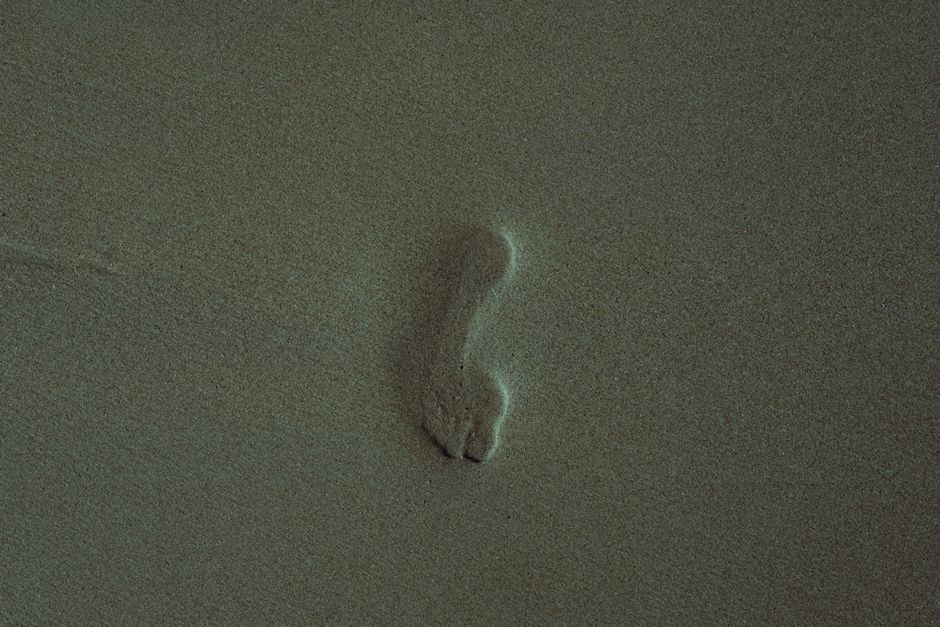
The Wet Footprint Test:
- Wet the bottom of your foot.
- Step onto a piece of cardboard or a dark paper bag.
- Look at the mark. If you see a thick, full footprint with no “waist” or curve on the inside, you likely have flat feet.
Another trick is the unweighted arch check. Sit down and look at your foot. If you see an arch while sitting that disappears the moment you stand up, you have “flexible flat feet.” This type of foot usually responds incredibly well to firm, low-arch insoles.
Once you’ve found the right pair, you’ll need to ensure they fit your Best Shoes for Flat Feet. Most high-quality insoles are “trim-to-fit.” You should remove the factory liner from your shoe, use it as a template, and trim the new insole with scissors—leaving a 1-2mm gap at the end to prevent bunching.
Even the best Running Shoes for Flat Feet have a lifespan. Most insoles should be replaced every 6 to 12 months. If you start to notice the cushioning is compressed or your old foot pain is creeping back, it’s time for a fresh pair.
Breaking In Your New Walking Inserts
You wouldn’t run a marathon in brand-new boots, and you shouldn’t go for a 5-mile walk in brand-new insoles. Because the best insoles for flat feet walking are designed to change your alignment, your muscles and tendons need time to adapt.
We recommend a two-week “break-in” schedule:
- Days 1-3: Wear them for only 1-2 hours.
- Days 4-7: Increase to 3-4 hours of light activity.
- Week 2: Gradually increase to full-day wear.
Brands like Superfeet are so confident in this process that they offer a 60-day comfort guarantee. To keep them fresh, never machine wash your insoles. Instead, hand wash them with mild soap and warm water, and always let them air dry. If they start to squeak (a common issue with new plastic stabilizers), a little bit of baby powder sprinkled under the insole usually does the trick!
Frequently Asked Questions about Walking with Flat Feet
Can insoles for flat feet help with knee and back pain?
Absolutely. Your feet are the start of your “kinetic chain.” When flat feet cause overpronation, your lower leg rotates inward, which puts a twisting strain on the knee joint. This can lead to issues like runner’s knee or even hip and lower back pain as your body tries to stay upright.
By using the PowerStep clinical benefits of stabilization and alignment, you can reduce the stress on these upper joints. Think of it like aligning the front end of a car; once the wheels (your feet) are straight, the rest of the vehicle (your body) stops shaking.
How do I know if my walking insoles are worn out?
Even the most durable insoles have a limit. Superfeet durability is rated for about 12 months or 500 miles, while PowerStep generally lasts about 6 months.
Signs your insoles are finished:
- Visible compression: The foam looks flat and doesn’t “bounce back.”
- Support failure: The plastic arch support feels flexible or “mushy.”
- Fraying: The top fabric is peeling or worn through at the heel or toes.
- Returning pain: If your feet start hurting in places that were previously relieved, the support has likely reached its end of life.
Are custom moldable insoles better than standard orthotics?
“Better” depends on your specific foot shape. Standard orthotics are designed based on “average” foot data, which works for about 80% of people. However, if you have a very unique foot shape, SOLE heat-molding technology allows you to get a personalized fit at a fraction of the cost of a podiatrist’s custom mold.
Form Insoles customization is another cost-effective way to get that “hugged” feeling in your arch. These are excellent for flat feet because they allow the insole to contour to your specific arch height while still providing the firm, medical-grade base needed for stability.
Conclusion
Walking should be a source of health and joy, not a source of dread. At On Clouder, we believe that the right gear is the foundation of an active lifestyle. By investing in the best insoles for flat feet walking, you aren’t just buying a piece of foam—you’re investing in long-term comfort and injury prevention.
Whether you choose the clinical-grade stability of Tread Labs, the versatile fit of Superfeet, or the custom feel of SOLE, the most important step is simply taking that first one. Don’t let fallen arches hold you back from the pace you want to keep.
For more deep dives into foot health, check out our ultimate guide to buying orthotic insoles to find your perfect fit. Happy walking!