
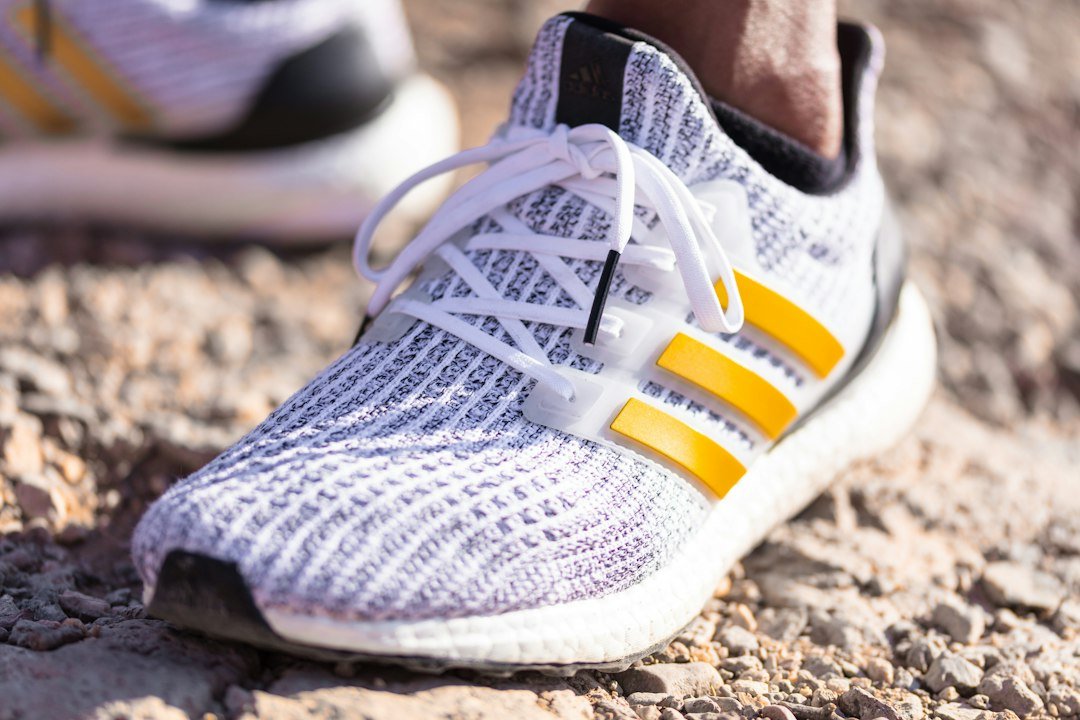
Are Adidas Ultra Boost Shoes Good for Plantar Fasciitis?
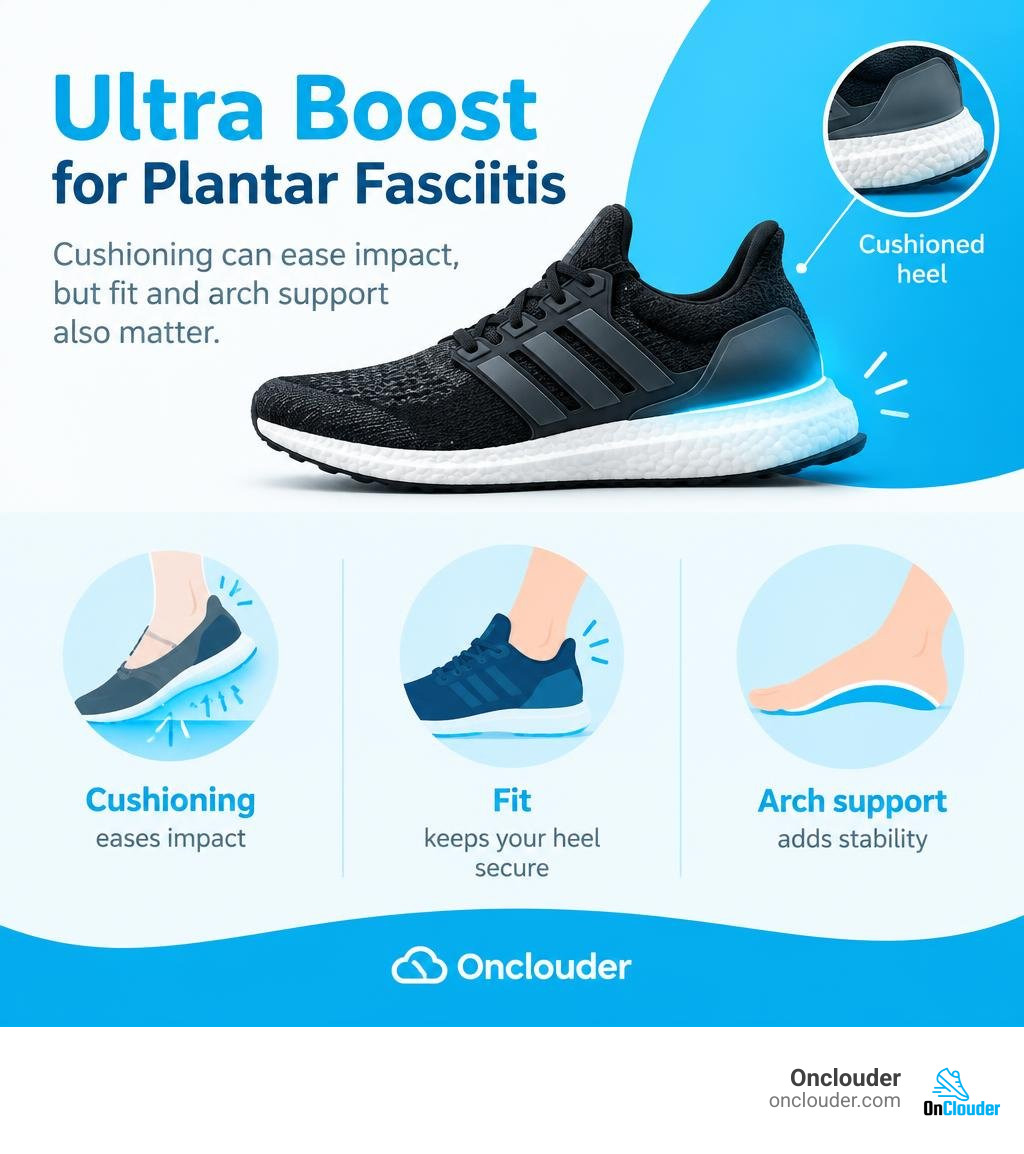
Adidas Ultra Boost shoes may feel good if plantar fasciitis makes your heel sore during walks or runs. Their soft Boost midsole cushions each step. But cushioning is not the same as arch support. If your foot rolls inward a lot or you need a firm, stable shoe, an Ultra Boost may not be your best choice.
Try them on with the socks or insoles you plan to wear. Your heel should stay secure, and your pain should not increase as you walk. The right fit matters more than the Ultra Boost name.
Plantar fasciitis is one of the most frustrating injuries an active runner or walker can encounter. That sharp, stabbing sensation beneath your calcaneus (heel bone)—especially during those first dreaded steps out of bed in the morning—happens when the thick band of tissue running along the bottom of your foot suffers micro-tears and chronic inflammation. For runners, every footstrike transmits ground reaction forces directly into that irritated tissue, making shoe selection critical for pain management and recovery.
When evaluating the adidas ultra boost for plantar fasciitis, we must look beyond pure step-in softness. At Onclouder, we have spent years testing performance footwear across thousands of miles, and our biomechanical evaluations show that managing heel pain requires a delicate balance of shock absorption, torsional rigidity, heel elevation, and arch stabilization.
Evaluating the Adidas Ultra Boost for Plantar Fasciitis: Key Features and Cushioning
The Adidas Ultra Boost line built its reputation on signature thermoplastic polyurethane (TPU) cushioning. Unlike traditional ethylene-vinyl acetate (EVA) foams that compress permanently over time, TPU Boost pellets are steam-fused together to create an elastic, spring-like midsole. For someone struggling with heel pain, this construction provides immediate impact mitigation at heel strike.
When your heel hits the pavement, the expanded TPU pellets disperse vertical ground forces outward rather than driving them directly into an inflamed plantar fascia insertion point. This energetic rebound reduces the mechanical shock absorbed by the foot’s connective tissues. Complementing the midsole is the Continental rubber outsole, which delivers reliable grip across wet and dry pavement while adding a protective base layer that stabilizes the plush foam beneath.
For runners navigating acute or chronic foot issues, exploring the complete guide to best shoes for foot pain provides valuable context on how different midsole densities influence pain thresholds.
Biomechanical Impact: Cushioning vs. Structural Arch Support
While cushioning softens calcaneal impact, it does not mechanically replace structural arch support. The human foot relies on the windlass mechanism—a biomechanical action where the plantar fascia tightens as your big toe extends, creating a rigid lever for push-off. When the plantar fascia is strained, an overly soft, unsupportive foam can allow the medial arch to collapse downward excessively during the midstance phase of your gait cycle.
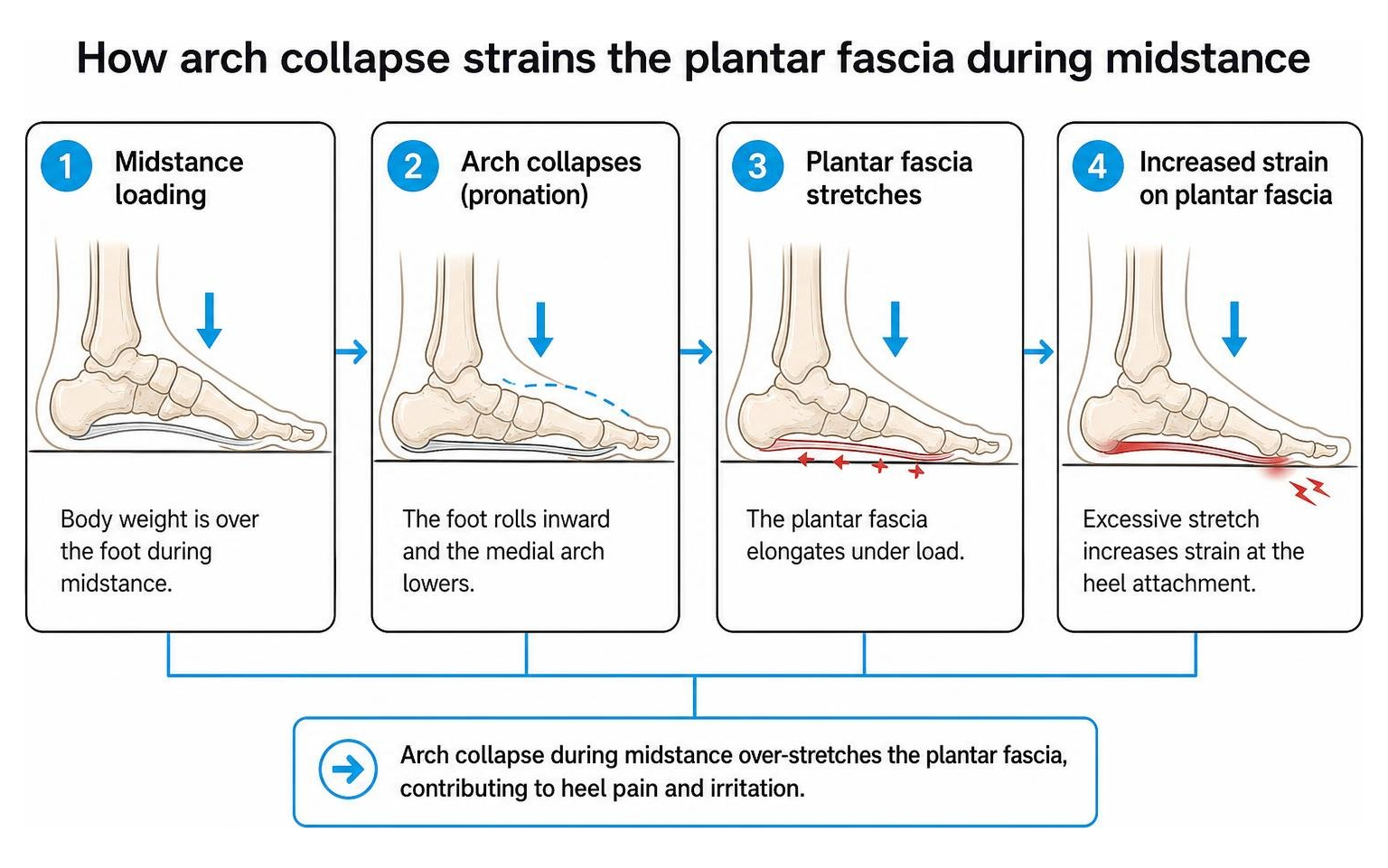
The Ultra Boost incorporates a built-in plastic Torsion System shank embedded within the midfoot. This feature resists unnatural midfoot twisting and adds crucial torsional stability. However, the standard factory sockliner is relatively flat. If your plantar fasciitis stems from severe overpronation or flat arches, you might need stronger arch reinforcement. Consulting the ultimate guide to best shoes with arch support can help clarify whether your foot strike demands dedicated motion control over neutral cushioning. Fortunately, the Ultra Boost features a fully removable insole, allowing you to pair its resilient midsole with structured aftermarket orthotics.
Heel-to-Toe Drop and Calcaneal Loading
One of the strongest clinical arguments in favor of the Ultra Boost for heel pain is its heel-to-toe drop, which traditionally measures around 10 mm. Heel drop refers to the height difference between where your heel sits and where your forefoot rests inside the shoe.
Clinical studies and podiatric research indicate that zero-drop or low-drop shoes place the foot into greater dorsiflexion, stretching the Achilles tendon and calf muscles tightly. This increased tension pulls directly on the calcaneus, elevating peak fascial strain by 15% to 25% compared to higher-drop footwear. By elevating the heel 10 mm above the forefoot, the Ultra Boost slackens the posterior kinetic chain, shifting load off the Achilles and significantly reducing strain on the plantar fascia insertion point during initial ground contact.
How Ultra Boost Models Compare
Not all Ultra Boost iterations share the exact same ride characteristics. Adidas has refined its foam formulations, upper textiles, and support cages across various editions.
| Model | Heel-to-Toe Drop | Midsole Foam Density | Arch Rigidity & Support | Best Use Case for Plantar Fasciitis |
|---|---|---|---|---|
| Ultra Boost Light | 10 mm | Firmer (Light Boost TPU) | Moderate-High (Linear Energy Push) | Active running, tempo walks, structured recovery |
| Ultra Boost DNA | 10 mm | Plush (Standard TPU) | Moderate (Standard Torsion System) | Casual wear, light walking, low-impact cross-training |
| Ultra Boost 1.0 | 10 mm | Very Soft (Classic TPU) | Low-Moderate (Flexible Torsion) | Short recovery walks, all-day casual comfort |
Choosing the Best Adidas Ultra Boost for Plantar Fasciitis: Model Comparisons
When deciding between specific models, midsole density and upper lockdown make a noticeable difference:
- Ultra Boost Light: Features Light Boost foam, which is roughly 30% lighter than traditional TPU pellets. It is slightly firmer than legacy versions, making it the most stable option for active runners with plantar fasciitis because it resists excessive bottoming-out.
- Ultra Boost DNA & 1.0: These feature the classic, ultra-plush Boost formula and knit Primeknit uppers. While exceptionally comfortable for casual standing, their softer density allows more medial give, making them better suited for low-impact walking rather than high-mileage road running.
For broader options that support high-volume walking or standing shifts, our ultimate guide to the best Adidas shoe for standing all day breaks down alternative silhouettes.
Adidas Ultra Boost Support and Stability
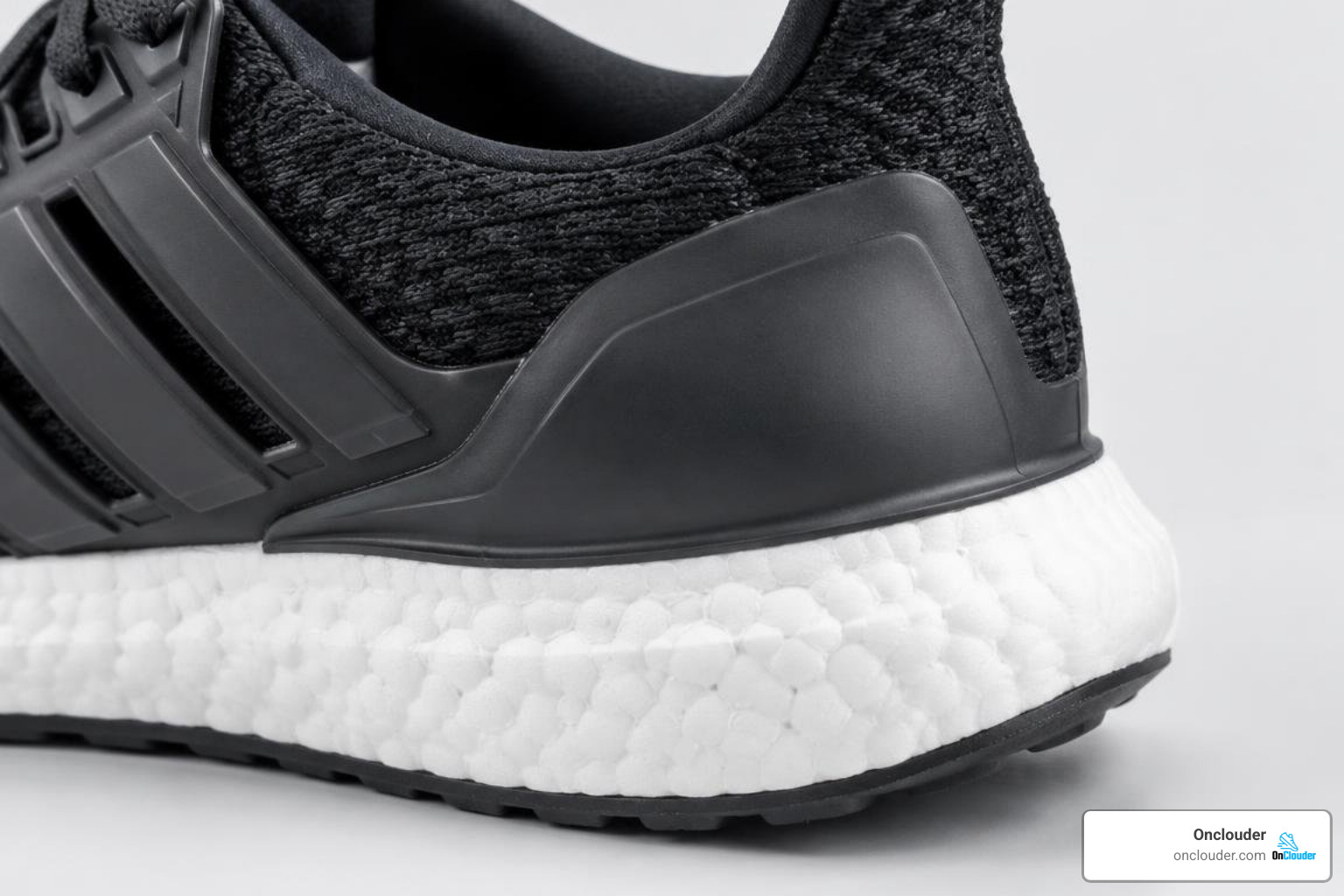
The stability of an Ultra Boost relies heavily on its external plastic heel counter and the midfoot cage. The heel counter splits down the center (known as the Fitcounter) to lock the calcaneus securely in place without putting direct, irritating pressure on the Achilles tendon. Meanwhile, the midfoot cage holds the foot over the center of the midsole, preventing internal sliding.
Real-World Performance, Durability, and Limitations
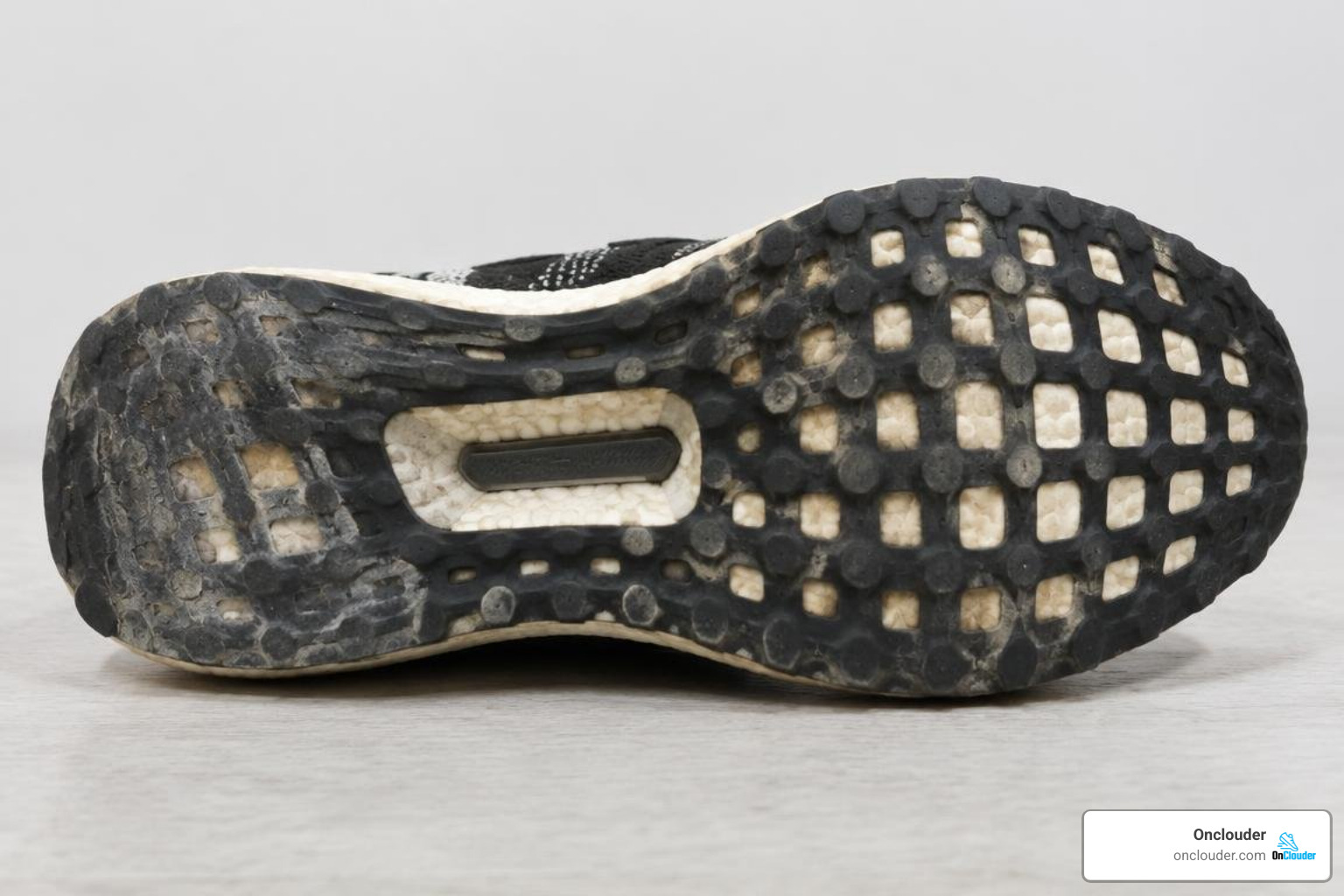
One major advantage of TPU Boost foam is its long-term durability. Standard EVA foams tend to suffer from permanent compression set—flattening out after 250 to 300 miles. In contrast, TPU maintains its shock-attenuating rebound past 400 to 500 miles without losing protective height.
However, runners with wide feet should note that standard Primeknit uppers fit like a snug sock. While stretchy, a narrow platform can cause the foot to spill over the midsole edge. If you require extra forefoot room to allow natural toe splay, check out our best Adidas wide toe box sneakers guide.
Is the Adidas Ultra Boost for Plantar Fasciitis Effective for Everyday Walking?
For daily walking and recovery routines, the Ultra Boost excels at softening impacts on hard concrete floors. Everyday wearers frequently report that the combination of a 10 mm heel drop and plush heel cushioning eases morning stiffness and standing fatigue.
If you are comparing top-tier cushioned walking options, you can see how it stacks up against other premium lines in our On Cloud vs Adidas Ultra Boost matchup.
Frequently Asked Questions About Plantar Fasciitis and Ultra Boost
Can I insert custom orthotics into the Adidas Ultra Boost?
Yes. The stock insole is fully removable, creating a flat internal cavity that readily accommodates over-the-counter or custom orthotics. Because the Primeknit upper is flexible, you can insert higher-profile arch supports without creating excessive top-of-foot pressure.
How many miles do Ultra Boost shoes last before losing supportive cushioning?
Due to the thermal resilience of expanded TPU foam and the wear resistance of Continental rubber outsoles, the Ultra Boost typically maintains its supportive cushioning for 400 to 500 miles.
Does the soft Boost foam worsen overpronation for flat-footed runners?
It can. Extremely soft cushioning without structured medial posts allows flat or hypermobile feet to roll inward more deeply. Runners with severe overpronation often find better relief by pairing the Ultra Boost with a rigid stability orthotic or choosing a dedicated stability shoe.
Conclusion
The Adidas Ultra Boost offers dependable impact reduction and an Achilles-friendly 10 mm heel drop, making it an appealing option for runners recovering from plantar fasciitis. While its plush TPU foam absorbs harsh impacts effectively, runners needing dedicated motion control should pair it with a supportive insole. For those working long hours on their feet who need maximum structural support, explore our comprehensive guide to the best work shoes for plantar fasciitis to find your ideal fit.

One thought on “Adidas Ultra Boost Review for Runners with Plantar Fasciitis”
Comments are closed.