

Why Ultra Light Safety Shoes Are Worth Every Gram
If you’ve ever dragged yourself through a 10-hour shift in heavy steel-toed boots, you already know why ultra light safety shoes are changing the game for workers everywhere.
Quick Answer: Lightest Safety Shoes Available in 2026
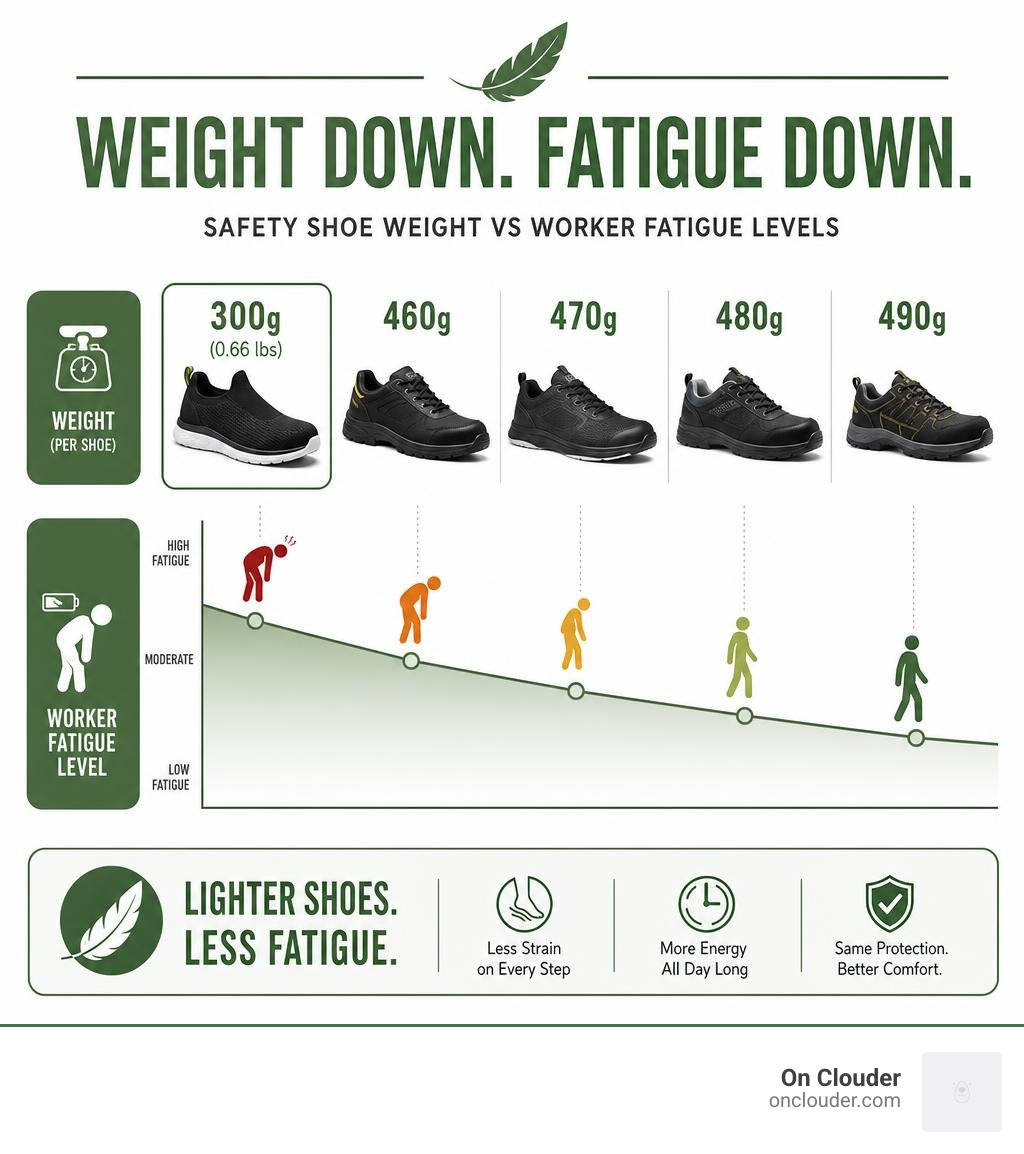
| Model | Weight (per shoe) | Safety Rating |
|---|---|---|
| Ninja UltraLight™ | 300g (0.66 lbs) | ASTM F-2413-18 / CE EN-12568 |
| Coverguard ONYX S1P ESD | 460g | S1P, ESD, SRC |
| Puma Safety AIRTWIST | 470g | S1P |
| Safety Jogger Ligero 2 | 480g | S1P, ESD, SRC |
| Diadora GLOVE MDS S3 | 490g | S3 |
Traditional work boots can feel like ankle weights by lunchtime. The result? Sore feet, tired legs, and a body that’s done long before your shift is.
The good news: modern safety footwear has come a long way. Nano composite toe caps, recycled textile uppers, and athletic-inspired midsoles now make it possible to get full protection at a fraction of the weight — without sacrificing the certifications your job demands.
I’m Faisal S. Chughtai, a footwear expert focused on comfort and performance, and I’ve spent years helping people find the right ultra light safety shoes to match their work demands. In this roundup, I’ll break down the best options available right now so you can stop dragging your feet.
Must-know ultra light safety shoes terms:
What Defines Ultra Light Safety Shoes and How They Protect
To understand why ultra light safety shoes are such a massive leap forward, we have to look at what they are replacing. Traditional safety boots often weigh anywhere from 800 to over 1,000 grams per shoe. Walking in them is the biomechanical equivalent of strapping small bricks to your feet.
Ultra-light safety footwear, by contrast, generally tips the scales at under 500 grams per shoe. Some cutting-edge models even drop down to 300 grams. But how do manufacturers cut more than half the weight without compromising on safety?
Advanced Protective Materials
The secret lies in moving away from heavy steel components. Traditional steel toe caps and steel midsoles are being replaced by highly engineered, lightweight materials:
- Composite Toes: Made from non-metallic materials like carbon fiber, fiberglass, or rigid plastics. These polymers are incredibly tough but weigh a fraction of steel.
- Carbon Nano Toes: Using carbon nanotubes, manufacturers can make the safety cap thinner and significantly lighter while maintaining top-tier impact resistance.
- Kevlar and FAP® Midsoles: Instead of heavy steel plates to prevent puncture wounds from nails, modern lightweight shoes use woven ballistic fabrics like Kevlar or flexible anti-penetration (FAP) textiles.
Because these materials are non-metallic, they also offer excellent thermal insulation (they won’t freeze in the winter or burn in the summer) and won’t trigger metal detectors. If you want to dive deeper into how these materials stack up, check out our guide on lightweight composite toe boots.
Meeting Rigorous Safety Standards
Many workers worry that shedding weight means shedding protection. However, to be legally sold as safety footwear, these shoes must meet the exact same rigorous testing standards as traditional boots.
Whether they are certified under the American ASTM F2413-24 standard or the European EN ISO standards, they must withstand the same impact and compression forces. They are tested for:
- Impact Resistance: Dropping heavy weights directly onto the toe box.
- Compression Resistance: Steady pressure applied to the toe area.
- Puncture Resistance: Testing the sole’s ability to stop sharp objects from penetrating the bottom of the foot.
By utilizing orthopedic composite toe shoes, workers can enjoy advanced ergonomic support alongside these certified protective features. Brands like Reebok have successfully integrated athletic technologies with these standards to create highly agile safety footwear. You can explore their range of technologies through the Reebok Safety Toe page.
Top Picks: The Best Ultra Light Safety Shoes for 2026
Finding the perfect balance of weight, comfort, and protection depends heavily on your specific work environment. Below, we have highlighted some of the absolute best models on the market in June 2026.
If you want to browse broader lightweight catalogs, you can also check out the CAT Lightweight collection or explore Larnmern Lightweight options.
| Model | Weight (Single) | Key Material | Best For |
|---|---|---|---|
| Ninja UltraLight™ | 300g | Kevlar & Steel Toe | Maximum weight reduction |
| Safety Jogger Ligero 2 | 480g | Carbon Nano Toe | Tech-heavy features & ESD |
| Albatros Ultimate Impulse Low | ~490g | Fiberglass Cap | Sporty agility & high heat |
| AdTec 9258PR Ultralight | ~550g | Carbon Nano Toe | Heavy-duty outdoor work |
Ninja UltraLight™: The Lightest Safety Shoes in the World
For those who want to feel like they are wearing running shoes rather than work boots, the Ninja UltraLight™ is a revelation. Weighing in at an astonishing 300 grams (0.66 lbs) per shoe, it holds a reputation as one of the lightest safety shoes ever built.
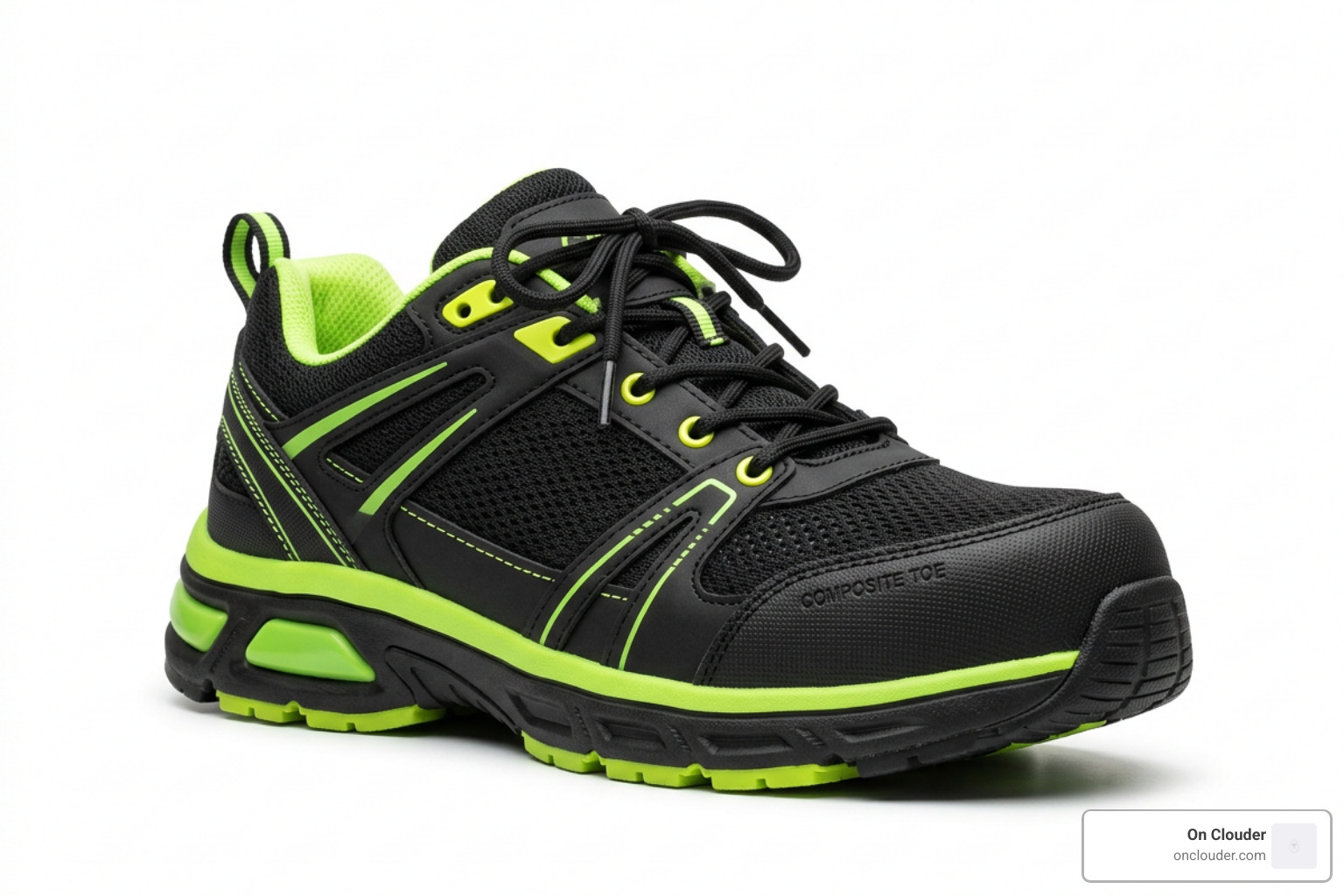
Despite its featherweight build, it features a European-standard protective toe and a military-grade Kevlar midsole to stop sharp objects from piercing your sole. It also features an Energy-MD™ combination foaming sole that provides electrical hazard protection up to 6000V. It is the ultimate choice for warehouse workers, assembly line staff, and anyone else walking miles on concrete every day.
Safety Jogger Ligero 2: High-Tech Ultra Light Safety Shoes
Safety Jogger has established itself as a leader in ergonomic work footwear, and the Ligero 2 series is their crown jewel. Weighing only 480 grams (including the premium insole), these shoes combine a metal-free design with a state-of-the-art carbon nano toecap.
We love that this shoe comes in multiple styles to suit different preferences:
- The classic Ligero 2 S1P ESD SRC offers a highly breathable techno-mesh upper that keeps feet cool on hot days.
- For those tired of tying laces, the Ligero 2 TLS features a modern Twist Locking System (TLS) for quick, secure adjustments.
- If you need a bit more ankle support without adding bulk, the mid-top Ligero 2 S1P Mid provides extra coverage while keeping the signature lightweight feel.
All models in the Ligero 2 lineup feature SRC slip resistance (the highest rating for traction) and ESD (electrostatic discharge) protection, making them ideal for automotive and electronics manufacturing.
Albatros Ultimate Impulse Low: Sporty Ultra Light Safety Shoes
If you want a safety shoe that looks and feels exactly like a high-end athletic trainer, the Albatros Ultimate Impulse Low is a top contender.
This shoe features a highly flexible SAFETY KNIT® upper that wraps around your foot like a sock, preventing dirt, dust, and small debris from sneaking inside. Underneath, Albatros uses their proprietary IMPULSE.FOAM® midsole, which offers up to 55% energy return with every step. This active cushioning absorbs the shock of walking on hard industrial surfaces, protecting your knees and lower back. It also features a lightweight fiberglass safety cap and is heat-resistant up to 300°C.
AdTec 9258PR Ultralight: Heavy-Duty Protection Without the Weight
For workers who need a traditional 6-inch boot profile but hate the heavy weight associated with it, the AdTec 9258PR Ultralight is an exceptional solution.
AdTec managed to build a rugged, waterproof work boot that remains surprisingly lightweight by swapping out heavy leather and steel for a high-durability microfiber upper and a carbon nano safety toe. It features an Aqua-Tec waterproof membrane to keep your feet dry in wet conditions, a puncture-resistant footbed, and certified electrical hazard protection. It’s the perfect compromise for construction workers, surveyors, and outdoor utility staff who need boot-height ankle support without the typical leg fatigue.
Why Weight Matters: Benefits, Industries, and Durability
The human foot is a complex structure of 26 bones, 33 joints, and over 100 muscles, tendons, and ligaments. When you add heavy footwear to this system, you alter your natural gait and force your muscles to work significantly harder.

The Ergonomic Benefits of Lightweight Footwear
Reducing the weight of your safety shoes by just 200 to 300 grams per shoe can have a massive cumulative effect over the course of a workday. If you take 10,000 steps a day, that minor weight reduction means your legs lift literally tons of less weight over a single shift.
The primary benefits include:
- Reduced Muscle Fatigue: Less strain on your tibialis anterior (the muscle on the front of your shin) and calves, preventing that heavy-leg feeling at the end of the day.
- Lower Joint Strain: Lighter footwear reduces the impact forces transmitted up through your ankles, knees, and hips when walking on unforgiving concrete floors.
- Enhanced Energy Levels: By conserving energy on every step, you finish your shift feeling less physically exhausted.
Many workers report that wearing these shoes makes such a difference that they are safety shoes so light you might forget you are wearing them.
Which Industries Benefit Most?
While almost any worker can appreciate a lighter shoe, certain professions gain the most from making the switch:
- Logistics & Warehousing: Pickers and packers easily walk 10 to 15 miles a day. Shaving weight off their footwear directly translates to improved speed and less foot soreness.
- Automotive & Aerospace Technicians: Mechanics spend hours kneeling, bending, and squeezing into tight spaces. Flexible, lightweight shoes with non-metallic toes are a massive upgrade over stiff leather boots.
- Manufacturing & Assembly: Standing in one spot on hard flooring can cause blood pooling and joint pain. Lightweight shoes with shock-absorbing midsoles keep the feet comfortable. If you work in hot indoor environments, pairing lightweight design with breathable safety trainers will keep your feet cool and dry.
Durability vs. Price: The Honest Truth
One of the most common questions buyers ask is: “Will lightweight safety shoes last as long as my heavy leather boots?”
The short answer is: it depends on your work environment.
Traditional heavy-duty leather boots are built to withstand abusive outdoor environments like muddy trenches, abrasive concrete pouring, and heavy demolition. If you work in those extreme conditions, a lightweight textile safety shoe will wear out quickly.
However, for indoor trades, warehousing, light manufacturing, and automotive work, lightweight safety shoes offer excellent durability. Most high-quality lightweight safety shoes will last between 6 to 12 months of regular, daily use. While they may require replacement slightly sooner than a solid steel-toed leather boot, the massive increase in daily comfort and joint health is a trade-off that millions of workers are happy to make.
Buyer’s Guide: Choosing Your Lightweight Safety Footwear
To get the most out of your purchase, you need to look beyond just the weight on the scale. Keep these crucial factors in mind when shopping:
1. Account for Foot Swelling
When you stand or walk for long periods, gravity causes fluid to pool in your lower extremities, causing your feet to swell. Always try on safety shoes at the end of your day or shift. Ensure there is at least a thumb’s width of space between your longest toe and the front of the shoe, and that the safety cap doesn’t pinch the sides of your toes.
2. Slip Resistance (SRC)
A lightweight shoe is only helpful if it keeps you on your feet. Look for shoes rated with SRC slip resistance. This means the outsole has been tested and certified to resist slipping on both ceramic tile wetted with dilute soap and steel floors coated with glycerol.
3. Weather Protection
If you work outdoors or in damp environments, look for models with integrated waterproof membranes. To learn more about keeping your feet dry without trapping sweat inside, check out our guide on waterproof safety shoes.
Conversely, if you work in dry, hot indoor environments, prioritize knit or mesh uppers to maximize airflow. If you prefer a traditional boot shape but want maximum comfort, look into soft safety boots that prioritize flexible materials.
Frequently Asked Questions About Lightweight Safety Footwear
How long do ultra-light safety shoes typically last?
With regular daily use, most high-quality lightweight safety shoes last between 6 and 12 months. To maximize their lifespan, avoid wearing them in highly abrasive environments (like heavy demolition) unless they are specifically rated for it. Rotating between two pairs of work shoes can also give the cushioning foam time to decompress, significantly extending the life of both pairs.
Are composite toe shoes as safe as traditional steel toe boots?
Yes, absolutely. To be certified as safety footwear, composite toe shoes must pass the exact same ASTM or EN ISO impact and compression standards as steel-toed boots. While composite toes are slightly thicker than steel toes to achieve the same strength, they are significantly lighter, non-conductive, and don’t transfer extreme cold or heat to your toes.
Can I wear ultra-light safety shoes outside of work?
Yes! Many modern lightweight safety shoes are designed with stylish, athletic aesthetics that look identical to regular running shoes or casual sneakers. Thanks to their comfort and style, they transition seamlessly from the job site to running errands, walking the dog, or meeting friends for dinner.
Conclusion
The days of sacrificing your feet, knees, and lower back in the name of workplace safety are officially over. In June 2026, the safety footwear market offers incredible, high-tech options that prove you can have top-tier protection without carrying around extra pounds on your feet.
Whether you choose the record-breaking lightness of the Ninja UltraLight™, the high-tech features of the Safety Jogger Ligero 2, or the athletic performance of the Albatros Ultimate Impulse Low, your body will thank you at the end of every shift.
If your job requires you to stand on hard concrete all day, don’t stop at safety shoes. Check out our ultimate guide to dress shoes for standing on concrete to keep your feet cushioned and comfortable even when you are off the clock!
