
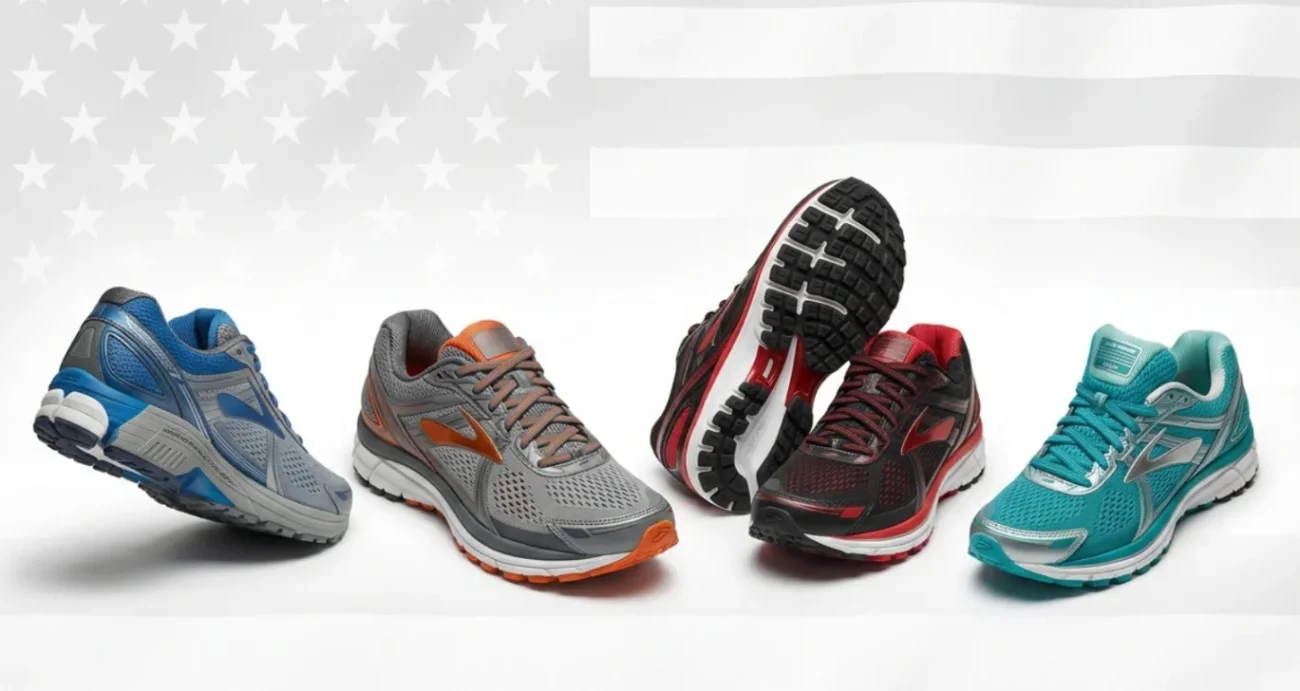
Why Finding Good Running Shoes for Flat Feet Changes Everything
Good running shoes for flat feet can be the difference between a comfortable, injury-free run and one that leaves your ankles, knees, or shins aching.
Here are the top picks for flat-footed runners in 2026:
| Shoe | Best For | Key Feature |
|---|---|---|
| Adidas Supernova Solution 3 | Best Overall | Flexible stability, great traction |
| Saucony Hurricane 25 | Max Cushioning | 40.2mm stack, CenterPath tech |
| Brooks Glycerin GTS 22 | Durability | 54.5% sturdier outsole than average |
| HOKA Arahi 8 | Lightweight Support | H-Frame stability, 7.7 oz (W) |
| ASICS Gel-Kayano 32 | Premium Stability | 4D Guidance System, high cushion |
| Saucony Tempus 2 | Speedwork | 72.2% forefoot energy return |
| Brooks Beast GTS 24 | Motion Control | GuideRails, 4.5/5 stars (637 reviews) |
Between 20% and 30% of people have flat feet – also called fallen or low arches. Yet most running shoe advice is written for runners with a neutral arch.
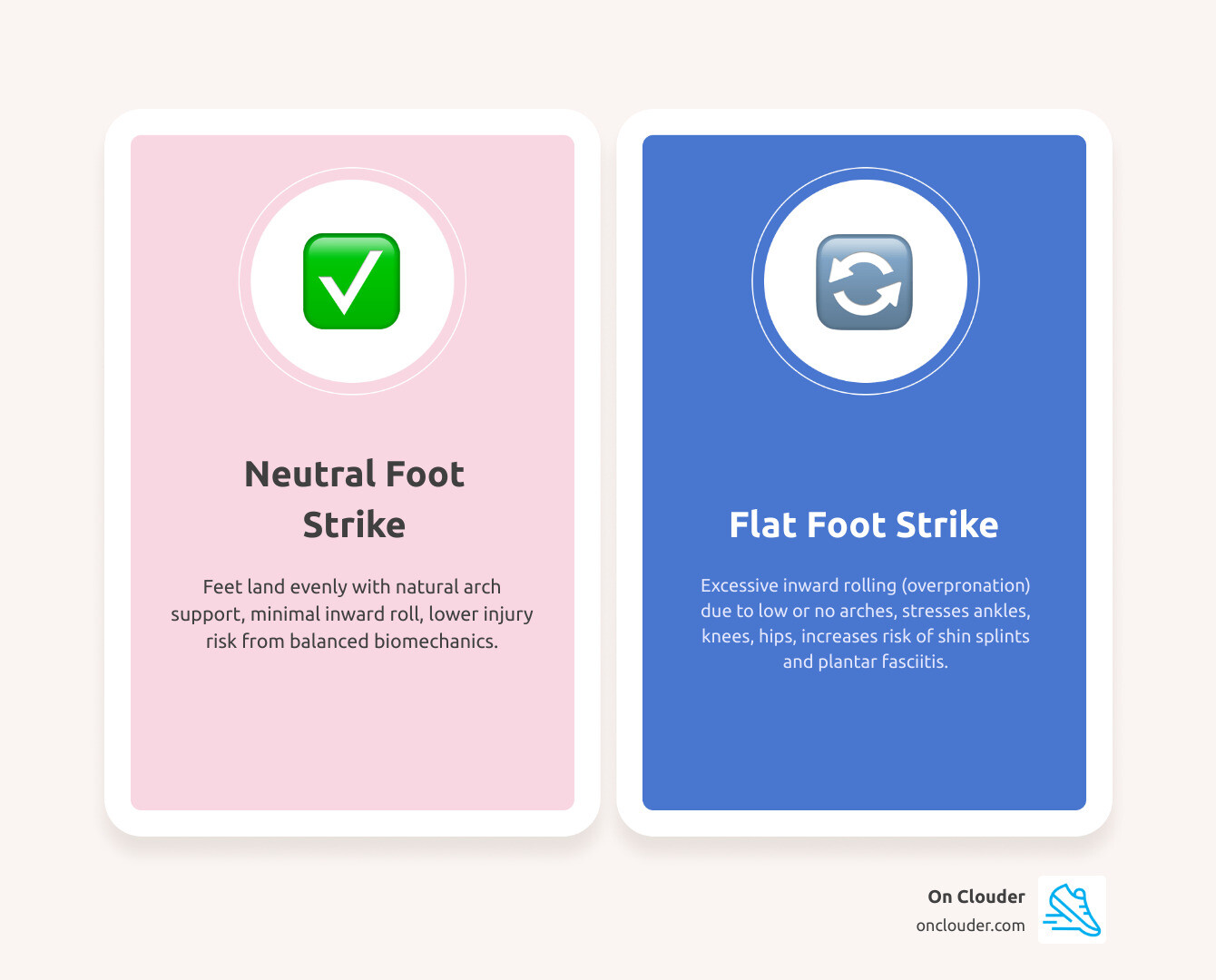
If your arches are low or absent, your feet tend to roll inward when you run. This is called overpronation, and it puts extra stress on your ankles, knees, and hips. Without the right shoe, that stress adds up fast.
The good news? The right pair of shoes can give your feet the support and cushioning they need to run comfortably – mile after mile.
I’m Faisal S. Chughtai, a footwear expert who has spent years testing and reviewing running shoes, including the best good running shoes for flat feet on the market. In this guide, I’ll walk you through everything you need to choose the right pair with confidence.
If you are just starting your search, these related guides can help you compare shoes, inserts, and support options:
Understanding Flat Feet and Their Impact on Running
When we talk about flat feet, we are describing a foot shape where the longitudinal arch—the curve along the inside of your foot—is very low or touches the ground entirely. In the running world, this is often referred to as “pes planus.” While many people are born with this foot shape, others develop “fallen arches” over time due to age, weight, or repetitive stress, according to the Mayo Clinic.
For us runners, flat feet change the way our bodies absorb shock. A typical arch acts like a natural spring, compressing to soak up impact and then rebounding to help us push off. Without that spring, the foot often collapses inward to compensate, which can lead to a chain reaction of misalignment from the ankle all the way up to the lower back.
Identifying Your Foot Type at Home
Before you rush out to buy good running shoes for flat feet, you need to know exactly what you’re working with. Not all flat feet are the same! We generally categorize them into two types:
- Flexible Flat Feet: This is the most common type. If you look at your foot while sitting down and see an arch, but that arch disappears the moment you stand up, you have flexible flat feet.
- Rigid Flat Feet: If your foot looks flat whether you are standing, sitting, or hanging your legs off a table, you have rigid flat feet. This type is often more prone to pain because the bone structure itself lacks flexibility.
You can perform a few simple tests at home:
- The Wet Test: Wet the sole of your foot and step onto a piece of cardboard or a dark tile. If the footprint looks like a solid slab without a dry “crescent” on the inside, you likely have flat feet.
- The Tiptoe Test: Stand on your tiptoes. If an arch appears while you’re on your toes, your flat feet are flexible.
- Jack’s Test: Have a friend pull your big toe upward while you are standing. If an arch forms, it’s another sign of flexibility.
Knowing this helps determine if you need a shoe with a lot of structural correction or just a wider, more stable platform. You can learn more in our guide on No Arch No Problem Best Running Shoes For Flat Feet.
The Connection Between Flat Feet and Overpronation
Flat feet and overpronation go together like PB&J—but a much less delicious version. Overpronation occurs when the foot rolls inward excessively after landing. This “medial collapse” forces the big toe and second toe to do all the work during push-off, which is inefficient and tiring.
If left unchecked, this rotation can lead to common “overuse” injuries such as:
- Shin Splints: Caused by the tibia rotating inward too much.
- Plantar Fasciitis: Excessive stretching of the tissue along the bottom of the foot.
- Bunions and Heel Spurs: Resulting from uneven pressure distribution.
Understanding this link is vital for choosing the right gear. For a deeper dive into how to manage this, check out An Essential Guide To Best Overpronation Shoes.

Key Features of Good Running Shoes for Flat Feet
When we test shoes at On Clouder, we look for specific engineering designed to counteract the “collapse” of a flat foot. Good running shoes for flat feet aren’t just “stiff” shoes; they are intelligently designed tools.
Stability vs. Neutral Support Systems
The biggest debate for flat-footed runners is whether to go with a Stability shoe or a Neutral shoe.
- Stability Shoes: These are designed for those who overpronate. They often feature a “medial post” (a firmer piece of foam on the inside of the arch) or “GuideRails” that act like bumpers on a bowling alley, keeping your foot in its natural path of motion.
- Neutral Shoes: These are generally for runners with higher arches or those who don’t roll inward. However, some neutral shoes with “full-contact midsoles” and wide platforms actually work quite well for flat-footed runners who don’t experience pain.
For most of us with flat feet, a stability shoe provides the necessary “motion control” to prevent injury. You can see our top picks for this category in The 5 Best Running Shoes For Flat Feet Overpronation 2026 Guide.
Cushioning and Shock Absorption for Low Arches
Because flat feet lack a natural “spring,” we need the shoe’s foam to do the heavy lifting. Modern technologies like BioMoGo DNA (found in Brooks) or FF BLAST PLUS (found in ASICS) are designed to adapt to your specific weight and stride.
We also pay close attention to stack height (the amount of foam between you and the ground) and energy return. For example, the Saucony Hurricane 25 offers a massive 40.2mm stack height, providing incredible shock absorption that protects your joints during long road runs.
If you also happen to have high arches but flat foot tendencies (it happens!), you might find Best Shoes For Flat Feet High Arches 2026 Guide helpful.
Top-Rated Good Running Shoes for Flat Feet in 2026
We’ve spent hundreds of miles testing the latest models to find the absolute best good running shoes for flat feet available this year. Here is the breakdown of the top performers.
Best Daily Trainers for Maximum Support
For your everyday miles, you want a “workhorse” shoe—something durable, supportive, and comfortable from the first mile to the last.
- Brooks Beast GTS 24: This is the “gold standard” for motion control. With a 4.5/5 star rating from hundreds of testers, it uses GuideRails technology to keep your knees and ankles aligned. It’s a bit heavier (averaging around 10 oz), but the support is unmatched.
- ASICS GT-4000 4 WIDE: Specifically engineered for overpronators, this shoe features LITETRUSS technology for medial support and an APMA (American Podiatric Medical Association) seal of approval. It’s one of the few shoes designed from the ground up for those with significant arch collapse.
- HOKA Arahi 8: If you want stability without the bulk, the Arahi is your best bet. It uses an H-Frame midsole that provides a balanced, stable base while remaining surprisingly lightweight (only 7.7 oz for the women’s model).
When choosing between brands, the Hoka Vs Brooks For Flat Feet debate usually comes down to whether you prefer HOKA’s “rocker” feel or Brooks’ traditional, structured support.
Lightweight and Speedwork Options for Flat Feet
Who says flat-footed runners can’t go fast? Traditionally, stability shoes were heavy and clunky, but 2026 has brought us some incredibly responsive options.
- Saucony Tempus 2: This shoe is a game-changer. It combines super-foam (PWRRUN PB) with a stabilizing frame. It offers a 72.2% energy return in the forefoot, making it perfect for tempo runs or even racing.
- ASICS Magic Speed 5: For those looking to set a PR, this shoe uses FF Leap foam that is 33% lighter and 13% more responsive than standard foams, all while maintaining a stable enough base for flat-footed athletes.
- New Balance M860v14: A classic stability trainer that has been refined to be sleeker and more breathable, making it a great pick for faster daily miles.
Explore more specialized options at Tag/Running Shoes For Flat Feet.
How to Choose and Test Your Perfect Pair
Buying good running shoes for flat feet is about more than just picking a brand you like. You need to consider the geometry of the shoe and how it interacts with your unique foot shape.
Finding the Right Fit for Good Running Shoes for Flat Feet
One common trait among flat-footed runners is that our feet tend to be wider, especially in the midfoot where the arch has collapsed.
- Width Matters: Look for shoes that come in Wide (D) or Extra Wide (4E). The ASICS GEL-KAYANO 32 EXTRA WIDE is a fantastic example of a high-performance shoe that doesn’t pinch the sides of a flat foot.
- Heel-to-Toe Drop: Most stability shoes have an 8mm to 10mm drop. This is generally better for flat-footed runners who are heel strikers, as it reduces the strain on the Achilles tendon.
- Upper Lockdown: You want a “secure” feeling in the midfoot. The ASICS GEL-EXCITE 11 uses an engineered mesh that provides a snug fit without being restrictive.
For more tips on daily comfort, read How To Stand Your Ground With Flat Feet All Day Long.
The Role of Orthotics and Custom Insoles
Sometimes, even the best good running shoes for flat feet need a little extra help. Many flat-footed runners use custom orthotics or over-the-counter insoles like Superfeet.
When shopping for shoes to use with insoles, look for:
- Removable Sockliners: Most performance running shoes allow you to pull out the factory foam and swap in your own.
- Deep Heel Cups: You need enough “depth” in the shoe so that your foot doesn’t slide out once the insole is added.
- Neutral or Mild Stability: If your orthotic is very aggressive, you might actually want to pair it with a neutral shoe to avoid “over-correcting” your gait.
Check out our recommendations in Dont Let Flat Feet Keep You Down With These Inserts.
Frequently Asked Questions About Good Running Shoes for Flat Feet
Can neutral runners with flat feet wear stability shoes?
Yes, but with caution. If you have flat feet but your gait is “neutral” (meaning you don’t overpronate or experience pain), you might find stability shoes too rigid or “pushy” under your arch. However, many modern stability shoes like the Adidas Supernova Solution 3 use “subtle support” that works for a wide range of runners. We always recommend a gait analysis at a local run shop to be sure. You can find more on this in Tag/Overpronation Shoes.
What are the most common mistakes when buying shoes for flat feet?
The biggest mistake is ignoring width. A flat foot spreads out more than a high-arched foot. If you buy a standard-width shoe, your foot may “overhang” the midsole, leading to blisters and instability.
Another mistake is over-correcting. You don’t necessarily need the stiffest “motion control” shoe available just because your feet are flat. If the shoe feels like there is a rock under your arch, it’s probably too much support for you. Comfort is the best indicator of a good fit. Read more at The Best Flat Foot Shoes To Keep You On Your Toes.
When should a flat-footed runner see a podiatrist?
While the right good running shoes for flat feet can solve many problems, they aren’t a cure-all. You should see a specialist if:
- You have persistent pain in your arches, heels, or ankles that doesn’t go away after rest.
- Your shoes show extremely uneven wear patterns (e.g., the inside of the sole is completely worn down while the outside looks new).
- You experience numbness or tingling in your toes during runs.
Early intervention can prevent long-term issues like stress fractures or tendon tears. Stay informed at Tag/Flat Feet.
Conclusion
At On Clouder, we believe that having flat feet shouldn’t hold you back from your running goals. Whether you’re training for your first 5K or your tenth marathon, the key is finding a shoe that respects your foot’s natural shape while providing the stability and cushioning required for high-impact activity.
From the high-tech ASICS Gel-Kayano 32 to the ultra-durable Brooks Glycerin GTS 22, the options for good running shoes for flat feet have never been better. Remember to test your foot type, prioritize a wide fit, and never sacrifice comfort for style.
Ready to hit the road? Find the best running shoes for flat feet and experience the difference that the right support can make!
