

Why Flat Feet Demand the Right Arch Support Insoles
The best arch support insoles for flat feet can make a real difference if you’re dealing with daily foot pain, tired legs, or aching knees after a long shift or run.
Here are the top picks at a glance:
| Insole | Best For | Arch Height | Price Range |
|---|---|---|---|
| PowerStep Pinnacle Low | Daily wear & work | 20mm (low) | ~$30-$40 |
| Superfeet All-Purpose High Impact | Running & high-impact | Medium/High | ~$55-$65 |
| Tread Labs Pace 2 | Semi-custom precision fit | Low, medium, high, extra high | ~$75-$90 |
Flat feet — also called fallen arches — occur when your arch is so low that most or all of your sole touches the ground when you stand. The average arch sits between 22-25mm high. If yours measures under 10mm, you likely have flat feet.
This matters because flat feet often lead to overpronation — where your foot and ankle roll inward with each step. Over time, that misalignment puts extra stress on your joints, leading to pain in your feet, knees, hips, and lower back.
The good news? The right insole can stabilize your foot, correct that inward roll, and get you back to moving comfortably.
I’m Faisal S. Chughtai, a footwear comfort expert who has spent years researching and testing supportive footwear solutions — including the best arch support insoles for flat feet — to help active people stay pain-free on their feet. Read on for my top-rated picks and exactly what to look for.

Best arch support insoles for flat feet terms at a glance:
Understanding the Best Arch Support Insoles for Flat Feet
To find the best arch support insoles for flat feet, we first need to understand what’s happening under the hood—or rather, under the sock. Flat feet, or fallen arches, aren’t necessarily a “deformity”; for many, they are a natural foot variation. However, when that arch collapses, it triggers a chain reaction.
The Science of the “Slump”
When you stand, a neutral arch acts like a spring, distributing weight and absorbing shock. In a flat foot, that spring is perpetually compressed. This leads to overpronation, where the foot rolls inward excessively. This inward roll doesn’t just stay in the foot; it rotates the shin bone, which puts pressure on the knee, eventually reaching the hips and lower back.
According to Flat Feet Explained, the core cause is often tendon failure in the midfoot, which can be genetic or develop over time due to age, weight, or repetitive strain. This is why your flat feet crave these arch support insoles: they provide the external reinforcement your tendons can no longer manage on their own.
How to Check Your Arch Height
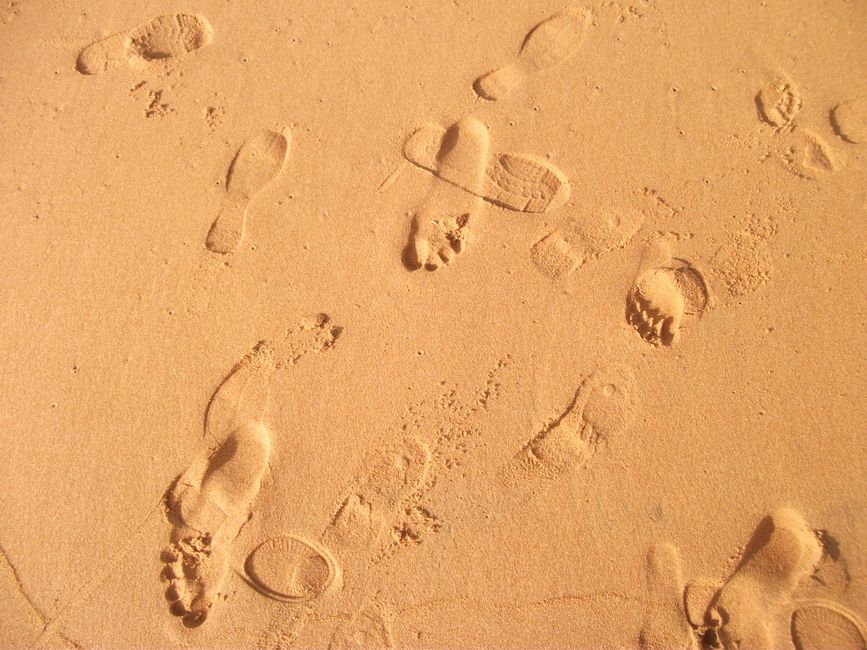
Not sure if you’re “low” or “flat”? You can perform the “Wet Footprint Test” at home. Wet the sole of your foot and step onto a piece of cardboard or a dark towel.
- Medium Arch: You see about half of your arch width.
- Low Arch: The footprint is wide, showing most of the arch (around 15mm height).
- Flat Foot: The footprint looks like a solid brick; there is no curve inward at the midfoot (less than 10mm height).
Choosing the wrong height can be painful. If you have flat feet and shove a high-profile “extra-firm” arch support into your shoe, it’s going to feel like walking on a golf ball. As we discuss in our guide on shoe-inserts-for-flat-feet-101, the goal is alignment correction, not forcing your foot into an unnatural shape.
Top-Rated Insole Recommendations for Fallen Arches
When we evaluate the best arch support insoles for flat feet, we look for a “holy trinity” of features: a low-profile arch (to avoid bruising), a deep heel cradle (to stop the inward roll), and firm but flexible support (to stabilize the midfoot).
Best Arch Support Insoles for Flat Feet for Daily Wear: PowerStep Pinnacle Low
For those who need a reliable workhorse for casual shoes or work boots, the PowerStep Pinnacle Low Insoles are often the gold standard.
What makes them special? Most “standard” orthotics have an arch height of 25mm or more. The Pinnacle Low features a 20mm arch height, specifically designed for those with low arches who find traditional inserts too aggressive. These insoles use a dual-layer cushioning system that provides a soft initial feel while the rigid shell underneath does the heavy lifting of motion control. They are clinically proven to relieve pain by stabilizing the ankle and balancing the foot.
Best Arch Support Insoles for Flat Feet for High-Impact Activities: Superfeet All-Purpose High Impact
If you are a runner or athlete, you need more than just support; you need shock absorption. The All-Purpose High Impact Support (formerly known as Superfeet Orange) is engineered for people who are hard on their feet.
These insoles feature a high-impact foam forefoot pad that redistributes force during toe-off, which is crucial for flat-footed runners who often suffer from forefoot pain. The reinforced stabilizer cap at the rear provides the multi-directional support needed to prevent the “slump” during high-speed movement. They are a top pick for athletic performance because they balance a slim profile with heavy-duty stability.
Semi-Custom Precision for Low Arches: Tread Labs Pace 2
Sometimes, “off-the-shelf” doesn’t quite cut it. That’s where the TREAD LABS Pace 2 Insoles come in. Tread Labs uses a unique two-part system: a molded arch support (the “shell”) and a replaceable top cover.
The “Pace” line is their firmest offering, providing medical-grade support that mimics a custom orthotic. Because they offer four different arch heights (Low, Medium, High, and Extra High), you can get a precision fit that matches your specific footprint. Plus, the arch supports are unconditionally guaranteed forever. If you wear through the foam, you just swap out the top cover rather than buying a whole new pair of insoles.
How to Fit and Maintain Your Orthotic Inserts
Buying the best arch support insoles for flat feet is only half the battle. You have to ensure they fit your shoes and your lifestyle.
The Trimming Process
Most high-quality insoles are “trim-to-fit.” Here is a quick pro-tip: don’t just guess with the scissors. Remove the original factory liner from your shoe, place it on top of your new insole, and trace the toe area with a pen. Use sharp household scissors to trim the excess. It’s better to leave a 1-2mm gap at the end than to cut them too short, which can cause the insole to slide around.
The Break-In Period
Your feet have likely been “slumping” for years. Correcting that alignment takes time. We recommend a 2-week adjustment period:
- Days 1-3: Wear them for only 1-2 hours.
- Days 4-7: Increase to 4-6 hours.
- Week 2: Full-day wear.
You might feel some mild discomfort in your arches or even your calves as your muscles re-align. This is normal. However, sharp pain is a sign the arch may be too high for your foot type. For more on this, check out our deep dive on arch-support-inserts-101.
Maintenance and Lifespan
How long do they last? Most quality insoles, like PowerStep, have a lifespan of about 6 months with regular use. If the cushioning looks flattened or you start feeling that old familiar ache in your knees, it’s time for a replacement.
To keep them fresh:
- Air them out: Remove them from your shoes at night to let moisture evaporate.
- Hand wash only: Use mild soap and a damp cloth. Never put them in the washing machine or dryer, as the heat can warp the plastic support shell.
- Squeak fix: If your insoles squeak, sprinkle a little baby powder or place a dryer sheet underneath the insole inside the shoe.
As we emphasize in our guide on how to put-your-best-foot-forward-with-arch-support-inserts-for-flat-feet, proper care ensures you get the most out of your investment.
Frequently Asked Questions
Do insoles really help flat feet?
Absolutely. While they won’t “cure” flat feet (you can’t permanently change your bone structure without surgery), they provide the structural reinforcement your foot lacks. By providing a firm surface for your arch to rest against, they prevent the over-stretching of the plantar fascia and the inward rolling of the ankle. This reduces fatigue and prevents long-term injury.
How do I know if I have flat feet or low arches?
It comes down to measurement and contact. A “low arch” usually sits around 15mm high and shows a slight curve in a footprint. A “flat foot” measures less than 10mm (or has no defined arch at all) and makes total contact with the ground. If your shoes wear out excessively on the inner edge of the sole, that is a classic sign of flat feet and overpronation.
Can overpronation cause knee and back pain?
Yes, and it frequently does. Your body is a kinetic chain. When your feet roll inward (overpronate), your lower leg rotates inward as well. This puts the knee out of alignment, which forces the hip to tilt, eventually straining the lower back. By using the best arch support insoles for flat feet, you are essentially “leveling the foundation” of your entire body.
Conclusion
Living with flat feet doesn’t have to mean living with pain. Whether you’re a nurse on a 12-hour shift, a marathon runner, or someone who just wants to walk the dog without aching heels, the right support is out there.
At On Clouder, we believe that foot health is the cornerstone of an active life. By choosing an insole with a low arch profile, a stabilizing heel cup, and firm support, you can stop the slump and improve your overall alignment. Don’t let fallen arches keep you on the sidelines. Invest in your foundation today, and if you’re a runner looking for even more specific advice, be sure to step up your game with the best arch support for runners.