Why the Right Sneakers for Standing Can Make or Break Your Workday
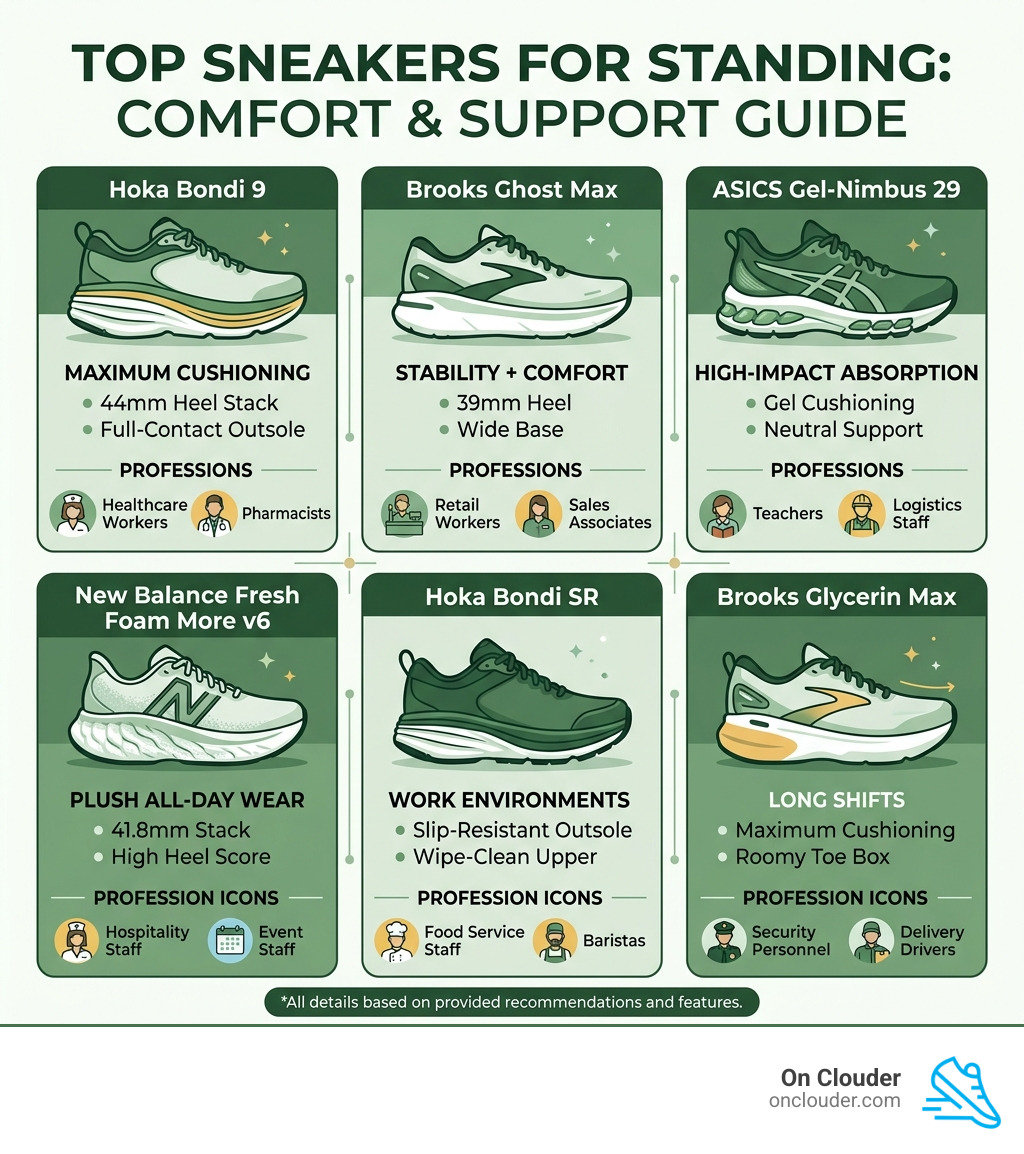
Sneakers for standing are one of the most important pieces of gear you’ll ever buy — especially if your job keeps you on your feet for 8, 10, or even 12+ hours a day. Here are the top sneakers most recommended for all-day standing:
| Sneaker | Best For | Key Feature |
|---|---|---|
| Hoka Bondi 9 | Maximum cushioning | 44mm heel stack, full-contact outsole |
| Brooks Ghost Max | Stability + comfort | 39mm heel, wide base |
| ASICS Gel-Nimbus 29 | High-impact absorption | Gel cushioning, neutral support |
| New Balance Fresh Foam More v6 | Plush all-day wear | 41.8mm stack, 152 SA heel score |
| Hoka Bondi SR | Work environments | Slip-resistant outsole, wipe-clean upper |
| Brooks Glycerin Max | Long shifts | Maximum cushioning, roomy toe box |
The stakes are high. Up to 30% of people experience foot pain linked to poor footwear, and over 2 million people deal with plantar fasciitis — often triggered by standing long hours in the wrong shoes.
One dog groomer put it perfectly: “I’m on my feet for 8+ hours a day and my feet and back are killing me” — wearing everyday sneakers not built for prolonged standing.
That’s exactly the problem this guide solves.
I’m Faisal S. Chughtai, a footwear comfort specialist who has spent years evaluating sneakers for standing and long-shift performance across professions. Whether you’re a nurse, retail worker, or someone who simply spends too many hours on hard floors, this guide will help you find the right fit.
Essential Features of High-Performance Sneakers for Standing
When we talk about the best sneakers for standing, we aren’t just looking for “soft” shoes. In fact, a shoe that is too soft can sometimes be just as damaging as one that is too hard. High-performance footwear for long shifts requires a scientific balance between cushioning, stability, and durability.
The primary goal is to manage the constant downward pressure of your body weight. Research shows that 63–72% of people wear shoes that don’t actually fit their foot length or width properly, leading to corns, calluses, and even toe deformities. To avoid this, we need to look closer at the lab-tested metrics that define a “standing” shoe.
The Balancing Act: Cushioning vs. Stability
| Feature | Cushioning (Shock Absorption) | Stability (Support) |
|---|---|---|
| Goal | To soften the impact on joints. | To keep the foot aligned and prevent rolling. |
| Ideal Metric | Shock Absorption (SA) of 110+ in the heel. | Torsional rigidity of 3/5 or higher. |
| Surface | Best for hard concrete or tile floors. | Best for uneven surfaces or those with overpronation. |
Shock Absorption (SA): Lab tests reveal that shoes like the Nike Invincible 3 or the New Balance Fresh Foam X More v6 excel here. The More v6, for example, boasts an SA score of 152 in the heel—nearly 18% above the industry average. This level of protection is vital for 8–12 hour shifts where every step (or static minute) adds strain to your lower back.
Torsional Rigidity: This is a fancy way of saying “how much the shoe resists twisting.” For all-day standing, you want a shoe that doesn’t twist like a pretzel. A rigidity score of at least 3 out of 5 ensures that your foot remains on a stable platform, reducing the micro-strains on your tendons.
Breathability: Don’t underestimate the “swamp foot” factor. If you’re wearing shoes for 10 hours, heat buildup leads to swelling. Look for engineered mesh uppers that allow heat to escape. In our lab smoke tests, top-tier sneakers like the Nike Pegasus 41 PRM show excellent airflow, which keeps the foot cool and reduces the risk of blisters.
To dive deeper into the selection process, check out our How To Choose The Best Shoe For Standing All Day guide.
Finding the Best Sneakers for Standing for Your Foot Type
One size—or one style—definitely does not fit all. Your arch type dictates how your weight is distributed across the sole of the shoe.
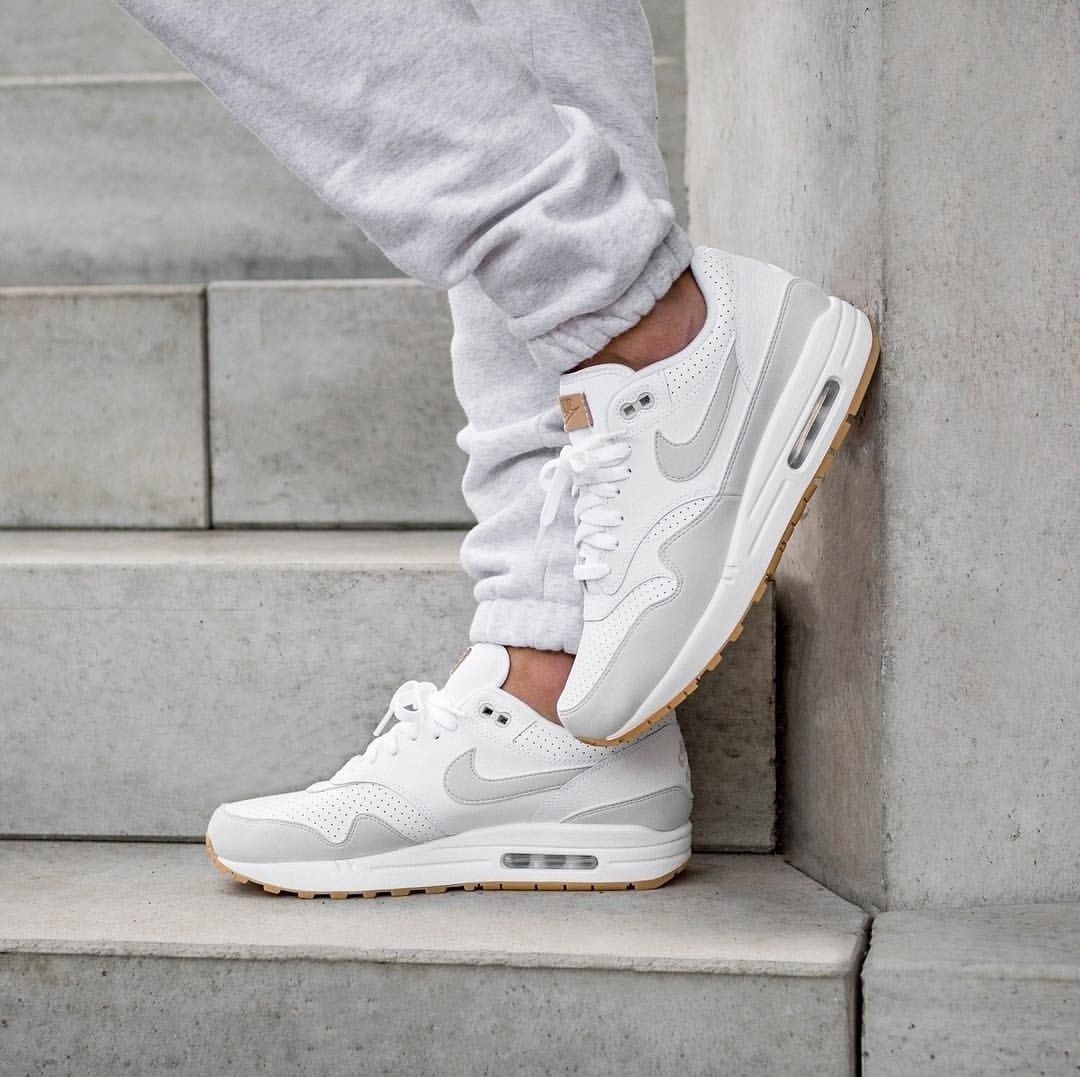
- High Arches: If you have high arches, your feet don’t naturally absorb much shock. You need “neutral” shoes with maximum cushioning to do the work for you.
- Flat Feet & Overpronation: If your arches collapse or your feet roll inward, you need stability. Look for shoes with a “medial post” (a firmer piece of foam on the inside of the arch) or models like the M860v14 which offer structured support.
- The Wet Foot Test: A quick way to find your type is to wet your foot and step on a piece of cardboard. A thin line between the heel and ball indicates a high arch; a full, wide print indicates flat feet.
For those requiring maximum structure, the M1540v4 is often cited as a gold standard for motion control, helping maintain neutral alignment even as fatigue sets in.
Affordable Sneakers for Standing and Value Picks
We know that high-end sneakers for standing can often cross the $160 mark, but you don’t always have to break the bank for comfort. There are several budget-friendly options under $100 that still offer impressive all-day performance.
The key is looking for “last season” flagship models or dedicated value lines. For instance, the ASICS GT 1000 series often retails around $110, but frequently goes on sale for much less. Another hidden gem is the GEL-QUANTUM 360 VIII, which utilizes advanced gel technology for under $100 on many platforms.
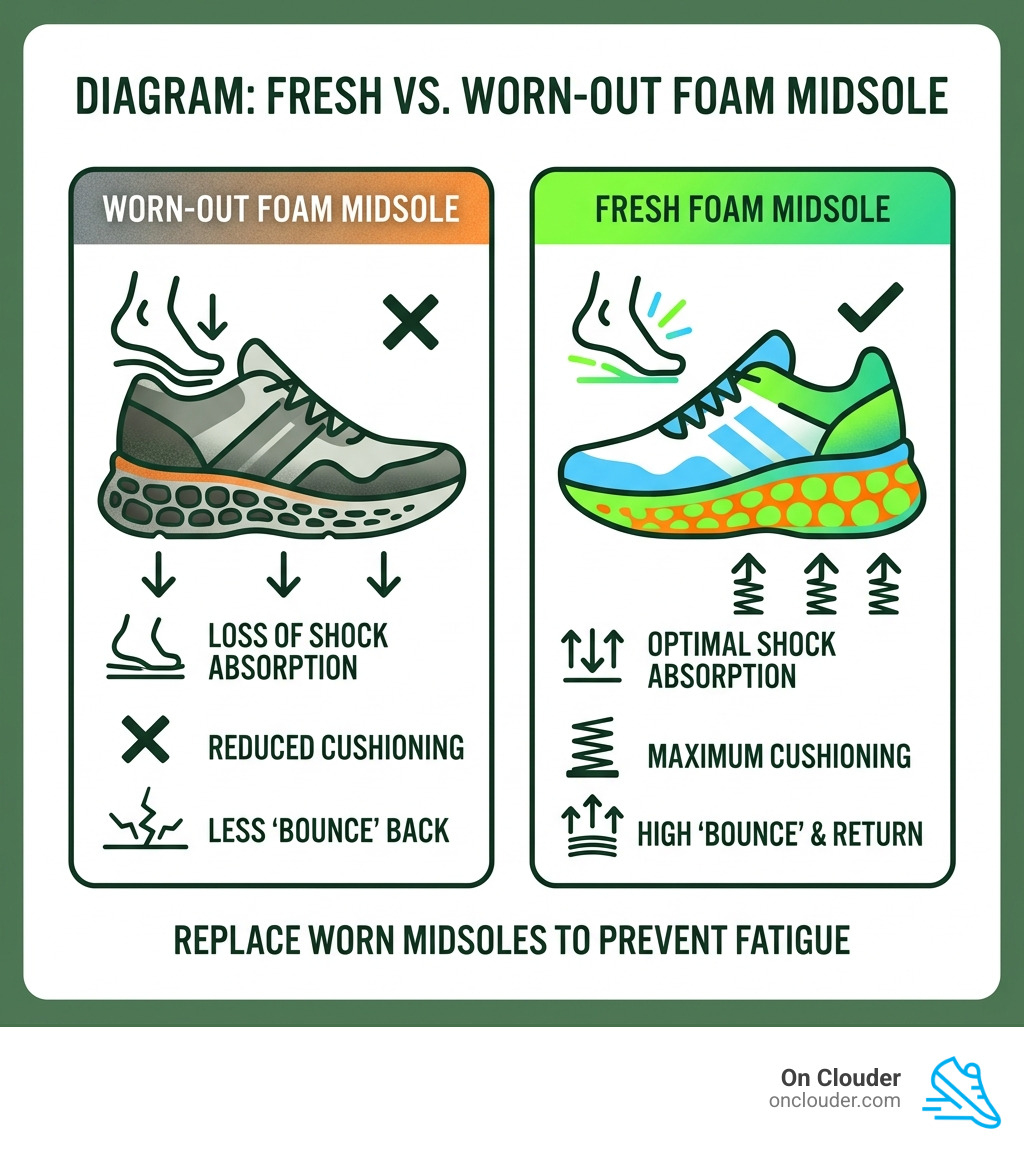
When shopping for value, prioritize the midsole material. Standard EVA foam is common in budget shoes, but it tends to compress and “die” faster than premium blends like PEBA or TPU. If you go the budget route, expect to replace your shoes every 6 months rather than 8-10, as the cushioning will likely lose its “bounce” sooner.
Leading Technologies and Top Picks for All-Day Comfort
The footwear industry is currently in a “maximalist” era, which is great news for anyone seeking sneakers for standing. Brands are competing to see who can fit the most high-tech foam into a midsole without making the shoe feel like a brick.
Advanced Cushioning Systems
Modern foams are lighter and more resilient than ever. Nike’s ZoomX foam, found in the Nike Invincible 3, was originally designed for marathon runners but has become a favorite for standing because it returns energy to the foot rather than just absorbing it.
Similarly, the GEL-QUANTUM 360 VIII uses DIVISION SPACE technology, which provides more cushioning with less weight. This is a game-changer for those who find heavy work boots too exhausting for long shifts.
The Magic of Rocker Soles
You may have noticed that many modern sneakers for standing have a curved, rocking-chair shape. This is called a “rocker sole.” It’s designed to reduce the strain on your forefoot and Achilles tendon by assisting the natural rolling motion of your foot. For someone standing in one place, a rocker sole helps shift weight subtly, preventing any one part of the foot from bearing the full load for too long.
If you’re interested in how specific brands handle these technologies, you can Discover On Cloud’s Top Shoes for Standing or explore our deep dive into The Best Hoka Shoes For Standing All Day In 2025/.
Specialized Footwear for Professions and Foot Conditions
Different jobs come with different hazards. A nurse in a sterile hospital wing has very different needs than a dog groomer working with soapy water and slippery floors.
For Nurses and Healthcare Workers
Healthcare professionals often walk 4-5 miles during a 12-hour shift while also standing for long periods during procedures. They need a “hybrid” shoe. The Hoka Bondi 8 or 9 is a frequent favorite in the “Buy It For Life” community because of its massive stack height.
However, for those in environments with spills, the Hoka Bondi SR is superior. It features a water-resistant leather upper and a slip-resistant outsole that exceeds industry standards (SATRA TM144) with a friction coefficient of 0.77.
For more nurse-specific recommendations, check out The Best On Cloud Shoes For Standing All Day Nurse Teacher Approved and our guide on how to Stop The Ache With These All Day Standing Work Shoes.
For Kitchen Staff and Dog Groomers
If you work in a kitchen or a grooming salon, your sneakers for standing must be easy to clean. While mesh sneakers are breathable, they soak up liquids instantly.
- Kitchen Staff: Often prefer clogs like the Birkenstock Super Birki because they are dishwasher-safe (after removing the insole) and offer excellent arch support.
- Dog Groomers: Need a balance of grip and water resistance. Leather-upper sneakers or “work” versions of running shoes (like the Brooks Ghost Max L) are excellent choices.
The Role of Accessories: Socks and Insoles
Sometimes the shoe isn’t enough.
- Compression Socks: Many experts and real-world users suggest that thigh-high or knee-high compression socks are essential for reducing leg fatigue and preventing varicose veins. They help blood flow back up the legs, reducing that “heavy” feeling at the end of a shift.
- Orthotic Insoles: If you have severe plantar fasciitis, pairing a neutral shoe with a high-quality insole like Superfeet Green can provide the rigid arch support that foam alone cannot.
Frequently Asked Questions about Sneakers for Standing
How often should I replace my standing shoes?
The general rule for running shoes is 300-500 miles, but for sneakers for standing, we measure by time and pain. Most high-quality foam midsoles will begin to break down after 6 to 8 months if worn for three 12-hour shifts a week.
Even if the bottom of the shoe (the outsole) looks fine, the internal foam can be “dead,” meaning it no longer absorbs shock. If you start feeling new pains in your knees or lower back that weren’t there a month ago, it’s time for a new pair.
Are running shoes better than clogs for standing?
It depends on your shift.
- Running Shoes: Offer dynamic cushioning and better breathability. They are superior if your shift involves a lot of walking combined with standing.
- Clogs (like Dansko): Offer superior static support and weight distribution. They are often better for people who stand in one spot for 10+ hours (like surgeons or stylists) because they don’t compress over time like foam does.
Do compression socks really help with foot and back pain?
Yes! Compression socks are a secret weapon for anyone on their feet. By applying gentle pressure to your lower legs, they maintain blood flow and reduce swelling (edema). This prevents the “throbbing” sensation many workers feel at night and can even reduce the strain on your lower back by improving overall circulation.
Conclusion
Finding the perfect sneakers for standing is an investment in your long-term health. Whether you choose the maximalist cushioning of a Hoka, the structured stability of a New Balance, or the versatile comfort of an ASICS, the goal remains the same: protecting your body from the ground up.
At On Clouder, we always recommend a “shoe rotation” strategy. If possible, buy two different pairs of supportive shoes and alternate them every other day. This gives the foam in each pair 48 hours to fully decompress and “rebound,” which can extend the lifespan of your footwear by months.
For more detailed breakdowns, don’t miss The Ultimate Guide To Footwear For Long Standing. Your feet do the hard work of carrying you through life—make sure you’re giving them the support they deserve!
Standing All Day? 10 Expert Foot Health Tips and the Best Shoes to Prevent Pain