
Step-by-Step Guide to Finding Comfortable Shoes for Toes
How to Find Shoes That Give Your Toes Room
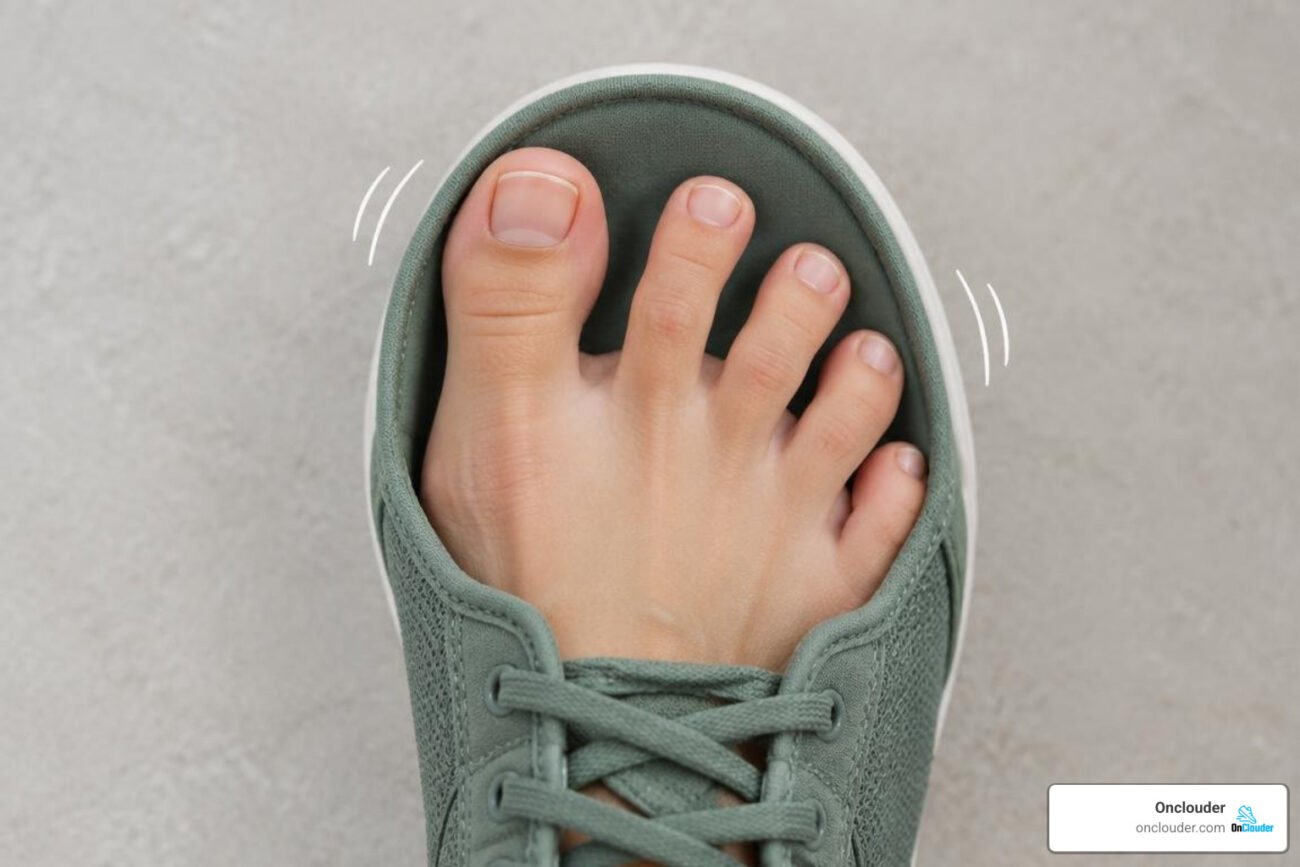
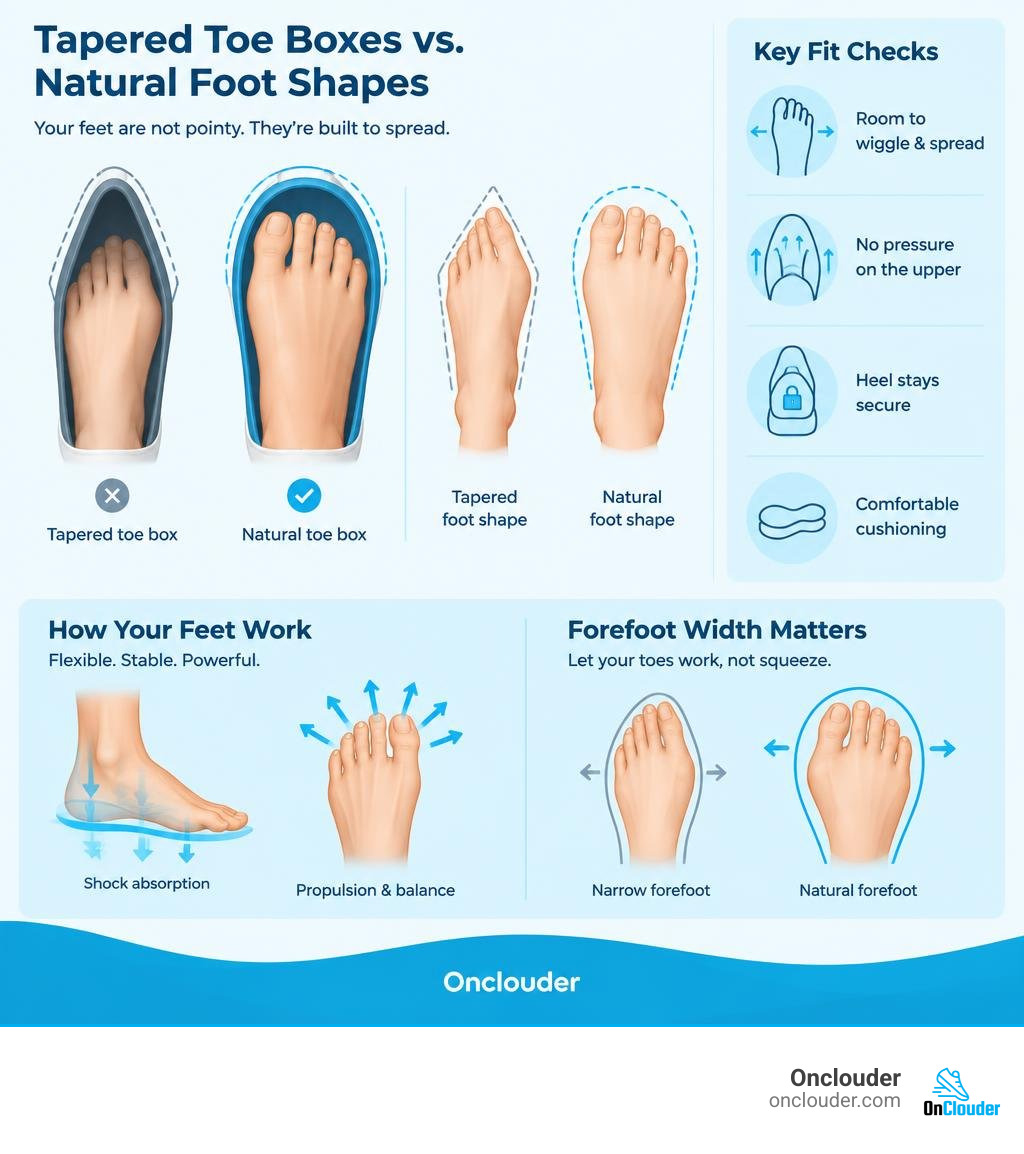
Start with fit, not a “wide” label. Look for shoes with a toe box shaped like your forefoot, enough space to wiggle and spread your toes, and an upper that does not press on them. Your heel should stay secure when you walk. If you spend long hours on your feet, choose cushioning that feels comfortable without letting your foot slide forward.
A roomy toe box can ease pressure from tapered shoes, but you do not need to switch to a thin, zero-drop sole to get one. The steps below will help you check fit, support, and comfort before you buy, so you can find the right shoes for toes without guessing.
Key Anatomical Features of Shoes for Toes
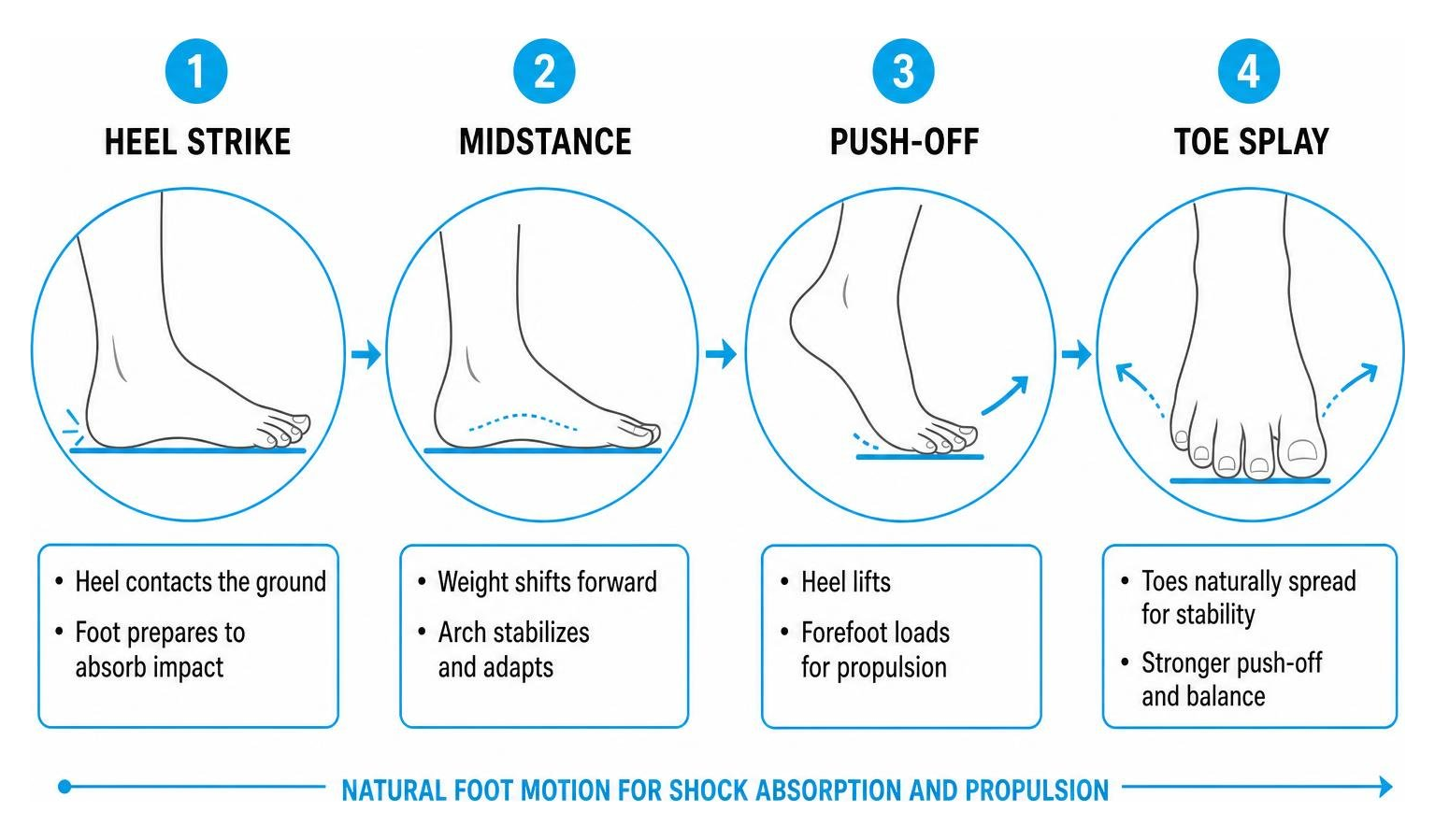
Finding footwear that respects your anatomy comes down to understanding how feet function when unconstrained. When we walk, run, or stand, our feet act as dynamic shock absorbers and propulsion levers. Conventional shoe design often prioritizes a sleek, pointed silhouette over human biomechanics, squeezing the metatarsals inward and preventing the digits from anchoring the body.
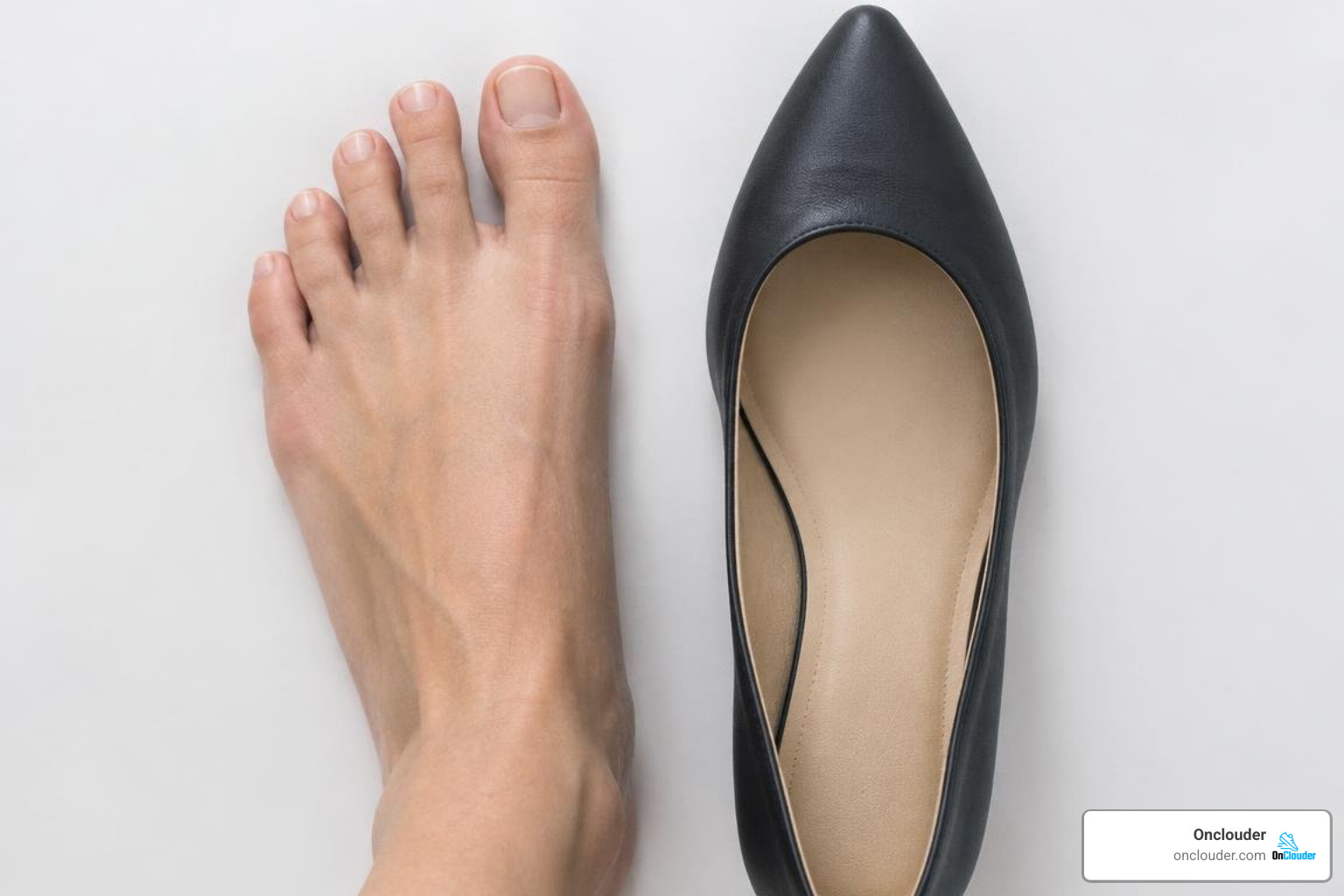
The search for proper footwear begins by identifying a foot-shaped geometry. A true anatomical toe box mirrors the natural splay of human toes, allowing the big toe (hallux) and pinky toe to extend outward rather than curving toward the midline.
Beyond lateral width, vertical volume is equally vital. A shoe might look broad from above, but if the upper presses down onto your toenails, you risk bruised nail beds, numbness, and hot spots. Ample vertical clearance provides room for your toes to flex naturally during toe-off. This extra volume offers immediate bunion relief and creates the necessary space for anyone managing hammer toes or crossover digits.
Forefoot Width, Toe Splay, and Material Flexibility
Natural toe splay is essential for balance and forward propulsion. When your toes spread out, your base of support widens, distributing impact forces across the entire metatarsal head network rather than concentrating stress on the first and fifth joints.
Upper construction plays a major role in how accommodating a shoe feels throughout the day:
- Engineered Stretch Mesh: Highly breathable and flexible, dynamic mesh uppers expand with your foot as it swells during long walks or warm weather, eliminating friction against sensitive joint capsules.
- Non-Constrictive Overlays: Look for structural reinforcements that sit around the midfoot rather than extending across the widest part of your forefoot. Rigid overlays near the flex zones cause painful rubbing and restrict natural expansion.
- Seamless Interior Construction: Friction combined with pressure causes blisters. Shoes designed with clean internal linings and minimal stitching around the forefoot protect delicate skin.
The Role of Heel-to-Toe Drop in Toe Comfort
Heel-to-toe drop refers to the height differential between your heel and your forefoot. Standard running and walking shoes typically feature an 8 mm to 12 mm drop, elevating your heel significantly above your toes.
When you elevate the heel, your body weight tilts forward onto the metatarsal heads. This forward pitch creates a persistent slide, jamming your digits into the front bumper of the shoe—especially when hiking or running downhill.
Opting for low-drop (0 mm to 6 mm) footwear levels the playing field. By reducing the forward tilt, your foot rests naturally in the heel cup, allowing your toes to spread out and grip rather than bracing against an impact zone.
Fit, Stability, and Terrain Considerations
A spacious toe box should never mean a sloppy fit. If your entire foot slides around inside a shoe, you lose stability and risk friction blisters. The goal is a locked-in heel, a supportive midfoot wrap, and total freedom up front.
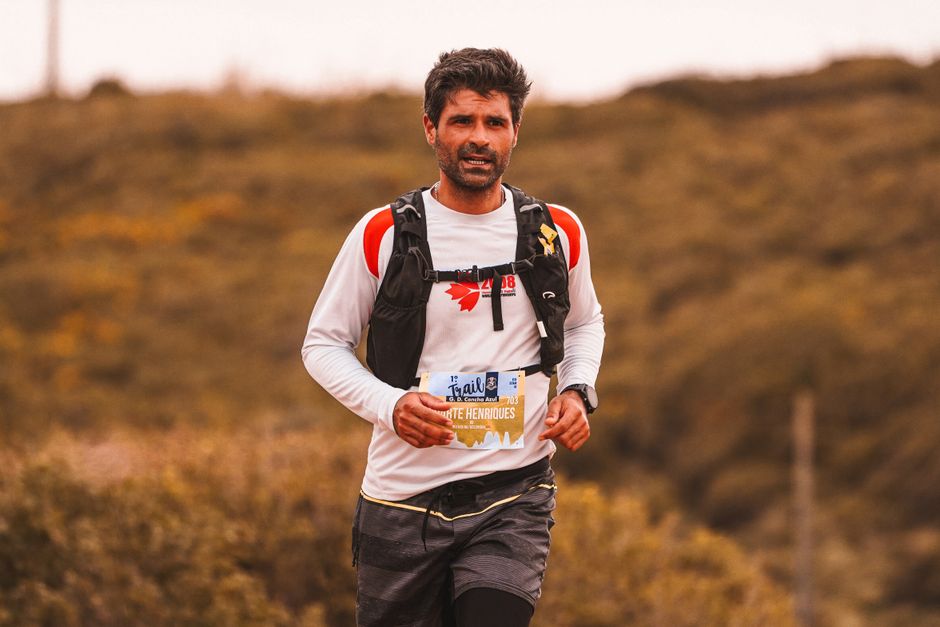
Many hikers and runners with broad forefeet struggle with narrow heels. When sizing up to accommodate wide toes, they often experience severe heel slippage. To solve this, look for shoes built with an anatomical heel counter—a snug, contoured cup that grips the calcaneus firmly.
You can also use custom lacing techniques to dial in your fit:
- The Runner’s Loop (Heel Lock): Thread the lace through the final extra eyelet to create a small loop on each side, cross the laces over, pull them through the opposite loops, and tie securely. This anchors your heel backward into the heel counter.
- Window Lacing: If you experience pressure on top of your foot, unlace the mid-section and route the laces vertically up the eyelets without crossing over, relieving dorsal pressure while maintaining lateral security.
Evaluating Trail Running and Hiking Shoes for Toes
Venturing onto rough surfaces requires balancing roomy comfort with underfoot defense. Shoes for toes must provide protection against sharp rocks, roots, and uneven terrain without restricting forefoot mechanics.
| Shoe Category | Toe Box Room | Cushioning & Underfoot Feel | Technical Stability | Best Terrain & Conditions |
|---|---|---|---|---|
| Cushioned Low-Drop Trail Shoes | Foot-shaped, wide cut | Moderate to plush with stone guards | High (secure midfoot wrap, structured sidewalls) | Rocky trails, long-distance backpacking, mixed terrain |
| Minimalist / Zero-Drop Trail Shoes | Anatomical, natural shape | Very low stack, high ground feedback | Moderate (requires strong ankle/foot stabilizers) | Smooth trails, hardpack dirt, gym, dry conditions |
| Traditional Tapered Trail Shoes | Narrow, pointed forefoot | High stack, rigid chassis | High lateral stability, poor toe comfort | Technical alpine scrambling where edging is required |
When selecting trail-ready footwear for wide forefeet, look for these key components:
- Embedded Rock Plates: Flexible composite or nylon shanks in the midsole protect your metatarsals from stone bruising on rocky paths without eliminating toe flexibility.
- Deep Multidirectional Lugs: Look for 4 mm to 6 mm outsole lugs made from sticky rubber compounds to maintain traction on wet roots, loose gravel, and snow.
- Weather Protection & Drainage: While waterproof membranes keep moisture out, they can reduce upper stretch. If you run in wet or warm environments, highly breathable mesh with drainage ports dries quickly and prevents painful friction.
Minimalist and Barefoot Shoes for Toes
Minimalist footwear strips away elevated heels, rigid arch supports, and thick midsoles. This design provides direct sensory feedback (proprioception), allowing the nerve endings on the bottom of your feet to communicate with your brain for balance adjustments.
However, transitioning to zero-drop minimalist shoes requires patience. Your calf muscles, Achilles tendons, and intrinsic foot muscles must adapt to bearing full body loads without artificial heel lifts. Start by wearing minimal footwear for short walks before increasing your mileage.
Pairing wide-toe footwear with functional accessories like NeuroSox Toe Socks | 5-Toe Grip Socks for Pain Relief keeps each toe separated, eliminating skin-on-skin friction while improving tactile feedback on smooth surfaces.
Enhancing Toe Health: Spacers, Socks, and Injury Recovery
Years of wearing constrictive footwear can lead to functional changes in your feet, including bunions, hammer toes, neuromas, and plantar fasciitis. Reversing this compression requires a combined approach of wider footwear, mobility exercises, and alignment tools.
Toe spacers sit between your digits to gently guide them back into natural alignment with their corresponding metatarsal bones. When worn inside foot-shaped shoes, spacers help:
- Relieve Bunion Pressure: By keeping the big toe straight, spacers reduce the pulling forces on the first metatarsophalangeal (MTP) joint, calming inflammation.
- Prevent Hammer Toe Irritation: Spreading and lengthening the smaller toes prevents the top joints from rubbing against the inside of the shoe upper.
- Support Plantar Fascia Recovery: Proper hallux alignment improves blood flow through the medial plantar artery, supporting tissue healing in the arch.
To maximize these benefits, pair your spacers with performance toe socks like the XOTOES™ 5.0 Crew by XOSKIN Black Grey (Made in the USA)– Correct Toes, which feature anatomical toe sleeves and moisture-wicking yarns to prevent friction between digits.
Frequently Asked Questions About Shoes for Toes
How do I stop my heel from slipping in shoes with a roomy toe box?
To eliminate heel slippage, look for shoes built with an anatomical heel counter that cups your heel bone, and use a runner’s lock lacing technique. Thread the laces through the top eyelet to create a tension loop, pulling your foot back into the rear of the shoe without needing to over-tighten across your forefoot.
Are zero-drop shoes necessary to achieve healthy toe splay?
No, a shoe does not need to be zero-drop to offer a healthy, wide toe box. While flat soles help align your posture and keep your foot from sliding forward, several brands build low-drop (4 mm to 6 mm) shoes with wide, foot-shaped forefeet and comfortable cushioning.
Can switching to wide toe box shoes help heal bunions and hammer toes?
While wide shoes may not fully reverse long-standing structural bone changes without targeted corrective therapy, switching to a foot-shaped toe box removes direct lateral pressure from the joints. This relieves pain, prevents deformities from worsening, and gives your toes the space they need to function naturally.
Conclusion
Choosing the right footwear is essential for long-term foot health and mobility. Moving away from cramped, narrow shoes lets your feet expand, stabilize, and support your entire body with every step.
Whether you prefer ultra-cushioned trail runners or minimalist designs, focus on finding a locked-in heel, an accommodating midfoot, and plenty of room up front to ensure the ideal fit for your walking and running needs.