The Best Running Shoes of 2026: Top Picks for Every Runner
Quick answer — here are the top running shoes of 2026:
| Shoe | Best For | Key Feature |
|---|---|---|
| ASICS GEL-Nimbus 27 | Long distance | Max cushioning, 40.5mm stack |
| Brooks Ghost 17 | Beginners & daily training | Balanced cushioning, 10mm drop |
| HOKA Clifton 10 | All-day comfort | Lightweight, max cushion, 8mm drop |
| Nike Pegasus 41 | Everyday road running | ReactX foam, dual Air Zoom units |
| On Cloudmonster 2 | Plush rides | Explosive energy return |
| Saucony Ride 18 | Daily training | Comfortable gusseted fit |
| New Balance Fresh Foam 1080 v14 | Cushioned daily runs | Responsive Fresh Foam |
| Mizuno Wave Rider 29 | Neutral runners | Smooth, stable ride |
| Altra Lone Peak 9 | Trail running | Ground feel, zero drop |
| Karhu Ikoni 3.0 | Versatile training | All-around performance |
Finding the right running shoes can feel overwhelming — hundreds of models, dozens of brands, and a flood of technical jargon. Whether you’re logging daily miles on pavement, grinding through long shifts on your feet, or tackling weekend trails, the wrong shoe can leave you dealing with foot fatigue, aching arches, and sore joints.
The good news? The 2026 lineup of performance footwear is genuinely impressive. Brands have pushed forward with smarter foam technologies, more sustainable materials, and better fit options for a wider range of foot shapes. There’s a strong match out there for almost every runner — you just need to know where to look.
I’m Faisal S. Chughtai, a footwear expert with a career dedicated to helping people find the perfect running shoes for their comfort and performance needs. In this guide, I’ll cut through the noise and show you exactly which models deserve your attention in 2026.
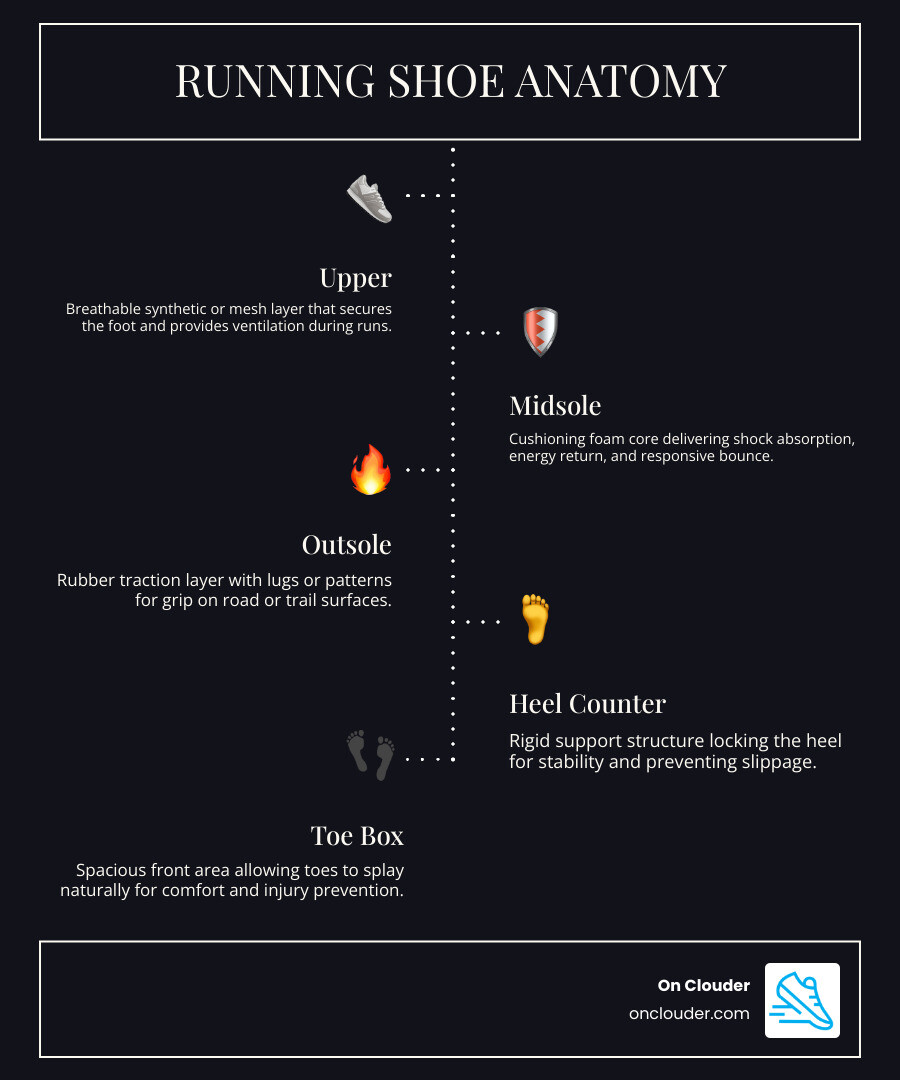
Glossary for running shoes:
How We Test and Select Performance Footwear
When we talk about the “best” running shoes, we aren’t just looking at the flashiest colors or the most expensive price tags. At On Clouder, we believe performance is proven on the pavement and the dirt. Our selection process for 2026 involved a rigorous combination of laboratory data and real-world grit.
We don’t just take a quick jog around the block. Our wear-testers—a diverse group ranging from marathon veterans to casual morning joggers—log at least 100 miles in each pair before providing a final evaluation. This ensures we see how the foam holds up after the initial “out-of-the-box” magic wears off.
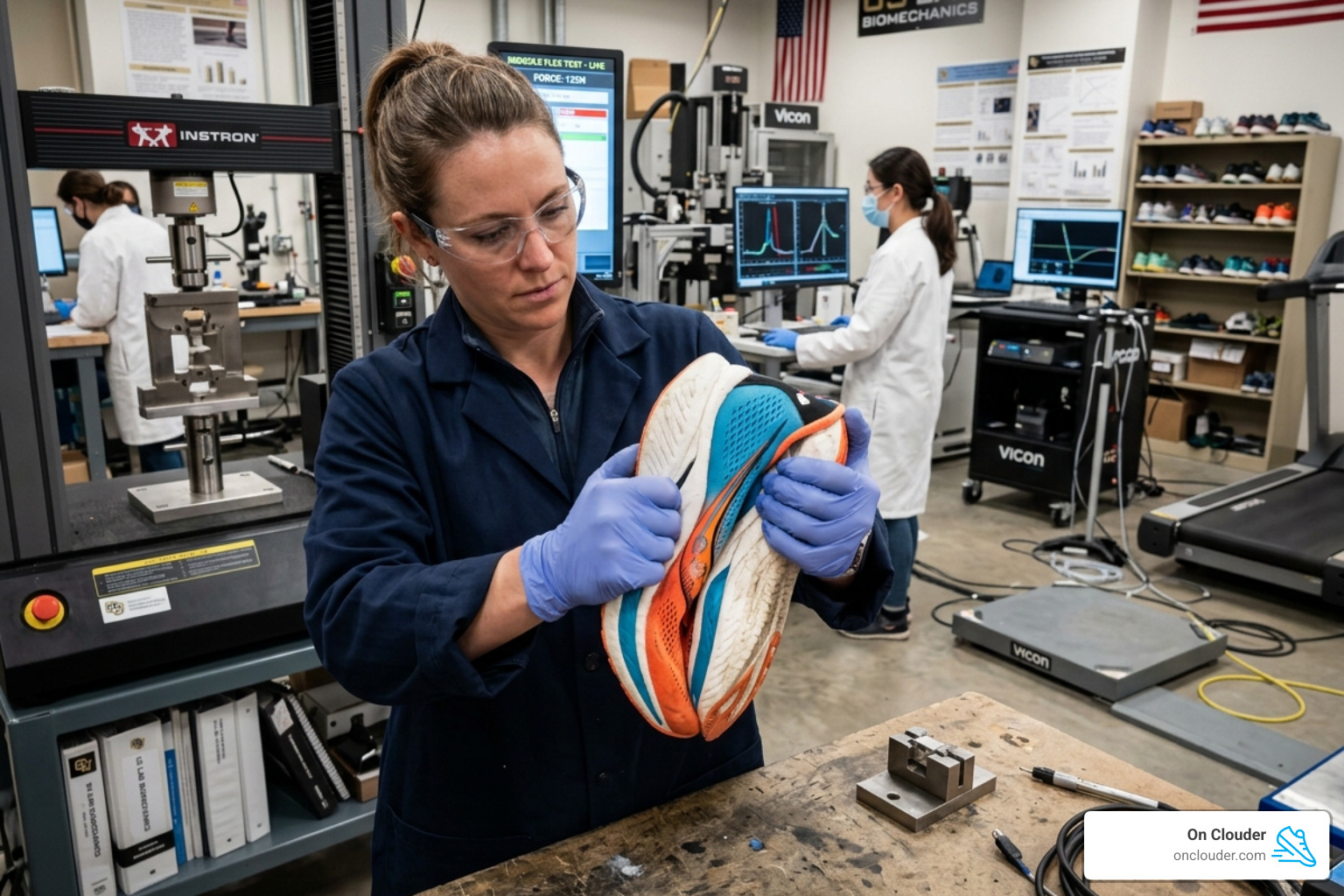
During our testing, we focus on several critical metrics:
- Stack Height & Drop: We measure the total amount of material between your foot and the ground (stack) and the difference in height between the heel and the forefoot (drop). A higher drop, like the 10mm found in the Nike Pegasus 41 , often suits heel strikers, while lower drops appeal to midfoot runners.
- Energy Return: We look for “supercritical” foams that don’t just absorb impact but actually bounce back, giving you a propulsive feel.
- Flexibility and Torsion: We manually flex the shoes to ensure they move with the natural gait of the human foot rather than fighting against it.
- 3D Scanning Data: We utilize insights from millions of foot scans to understand how these shoes accommodate different arch heights and widths.
Top Performance Models of 2026
The year 2026 has brought a wave of innovation that prioritizes both the runner and the planet. We’ve seen a massive shift toward sustainable manufacturing. For instance, the latest models are increasingly using recycled components—some reaching over 50% recycled content by weight—without sacrificing the “snappy” feel we all love.
Best Daily Training Running Shoes
Daily trainers are the workhorses of the running world. They need to be durable enough for Tuesday’s easy 5k and responsive enough for Thursday’s tempo run.
The Nike Pegasus 41 stands out this year as a premier daily trainer. It introduces the ReactX foam midsole, which is 13% more responsive than previous versions. What we love most is the sustainability angle; the ReactX foam reduces the carbon footprint of the midsole by at least 43%. Combined with dual Air Zoom units, it provides that classic “energized ride” that Pegasus fans expect. For women, the Nike Pegasus 41 offers the same high-performance tech in a specifically tuned fit.
Another top contender is the Brooks Ghost 17. It’s often called the “Goldilocks” of running shoes—not too soft, not too firm. With a 10mm drop and a weight of about 10.1 oz for men, it provides a consistent, reliable ride from the first mile to the last. For those who prefer a more maximalist, plush feel, the On Cloudmonster 2 has become a favorite for its unique combination of soft landings and explosive energy return.
Top Rated Trail Running Shoes
When the pavement ends, your footwear needs to change gears. Trail running shoes require specialized outsoles with deep “lugs” to bite into mud, gravel, and loose dirt.
The Altra Lone Peak 9 remains a favorite for those who want a “connected” feel to the ground. Its zero-drop platform and wide toe box allow the foot to splay naturally, which is vital for stability on uneven terrain. On the more cushioned side, the Hoka Mafate X is making waves with a staggering 49mm stack height and a carbon-fiber plate, proving that “super shoe” technology isn’t just for the road anymore.
Key Features to Consider When Choosing Running Shoes
Choosing the right pair isn’t just about picking a brand; it’s about matching the shoe’s anatomy to your unique biomechanics.
Understanding Cushioning and Gait
The type of cushioning you need usually falls into three categories:
| Cushioning Type | Feel | Best For |
|---|---|---|
| Maximum | Plush, “pillowy” | Long runs, recovery, standing all day |
| Responsive | Snappy, firm | Speed work, racing, tempo runs |
| Supportive | Structured, stable | Overpronation, flat feet |
Your gait—the way your foot moves when you run—is the most important factor.
- Neutral: Your foot lands on the outer heel and rolls slightly inward to absorb shock. Most running shoes are designed for this.
- Overpronation: The foot rolls inward excessively. This is common in runners with lower arches and often requires “stability” shoes.
- Supination (Underpronation): The foot doesn’t roll inward enough. Runners with high arches often fall into this category and need extra cushioning to help with shock absorption.
Specialized Support and Stability Running Shoes
If you find your ankles collapsing inward or you struggle with recurring “runner’s knee,” you might need a stability shoe. Modern stability tech has moved away from the heavy, clunky “medial posts” of the past. Instead, brands are using “GuideRails” (like those in Brooks models) or dual-density foams to gently guide the foot back into a neutral path.
For heavy runners or those recovering from injury, these supportive features provide a “safety net” that reduces strain on the ligaments. Don’t forget fit—many top models now come in wide (2E) and extra-wide (4E) options to prevent the dreaded toe-cramping that leads to blisters and black toenails.
Frequently Asked Questions
How often should I replace my footwear?
Most experts and real-world tests suggest replacing your running shoes every 300 to 500 miles. However, don’t just look at the odometer. Signs that it’s time for a change include:
- Compressed Foam: If the midsole feels “dead” or you can see visible wrinkles in the foam that don’t bounce back.
- Outsole Wear: If the tread is worn smooth, especially in the forefoot or heel.
- New Aches: If you start feeling unusual pain in your shins, knees, or hips after a run that used to feel fine.
What is the difference between road and trail models?
Road shoes are designed for speed and breathability on hard, flat surfaces. They have flatter outsoles to maximize surface area contact. Trail shoes are built like mountain bikes for your feet. They feature “rock plates” to protect against sharp stones, reinforced uppers to prevent tears from branches, and aggressive lug patterns for grip on slippery slopes.
How do I find the right fit for my foot shape?
Never buy a shoe based on your “casual shoe” size. Your feet swell when you run! We recommend at least a thumb-width of space between your longest toe and the end of the shoe. Your heel should feel locked in without slipping, and the midfoot should feel like a “warm hug” rather than a tight squeeze. If you can, visit a store with 3D scanning technology—it can reveal nuances in your arch height and foot volume that a standard ruler can’t.
Conclusion
The world of running shoes in 2026 is more diverse and technologically advanced than ever. From the high-energy return of the Nike Pegasus 41 to the rugged dependability of the Altra Lone Peak, there is a perfect pair waiting to help you reach your goals.
At On Clouder, we are committed to helping you navigate these choices with performance rankings and expert reviews you can trust. The “best” shoe is ultimately the one that feels so comfortable you forget you’re wearing it.
Ready to dive deeper into one of the most innovative brands in our lineup? Check out our ultimate guide to On Cloud running shoes for a detailed look at how to maximize your performance and comfort every time you lace up. Happy running!