
Why Finding the Best Walking Shoes for Diabetic Feet Can Change Everything
The best walking shoes for diabetic patients aren’t just about comfort — they can genuinely protect your feet from serious harm. Diabetes affects circulation and nerve sensitivity, which means a small blister or pressure point can quietly become a major wound before you even feel it.
Here’s a quick look at the top picks to match your needs:
| Shoe | Best For | Approx. Price | Rating |
|---|---|---|---|
| FitVille Diabetic Shoes (Men) | Neuropathy & daily walking | Mid-range | 4.4/5 (1,090 ratings) |
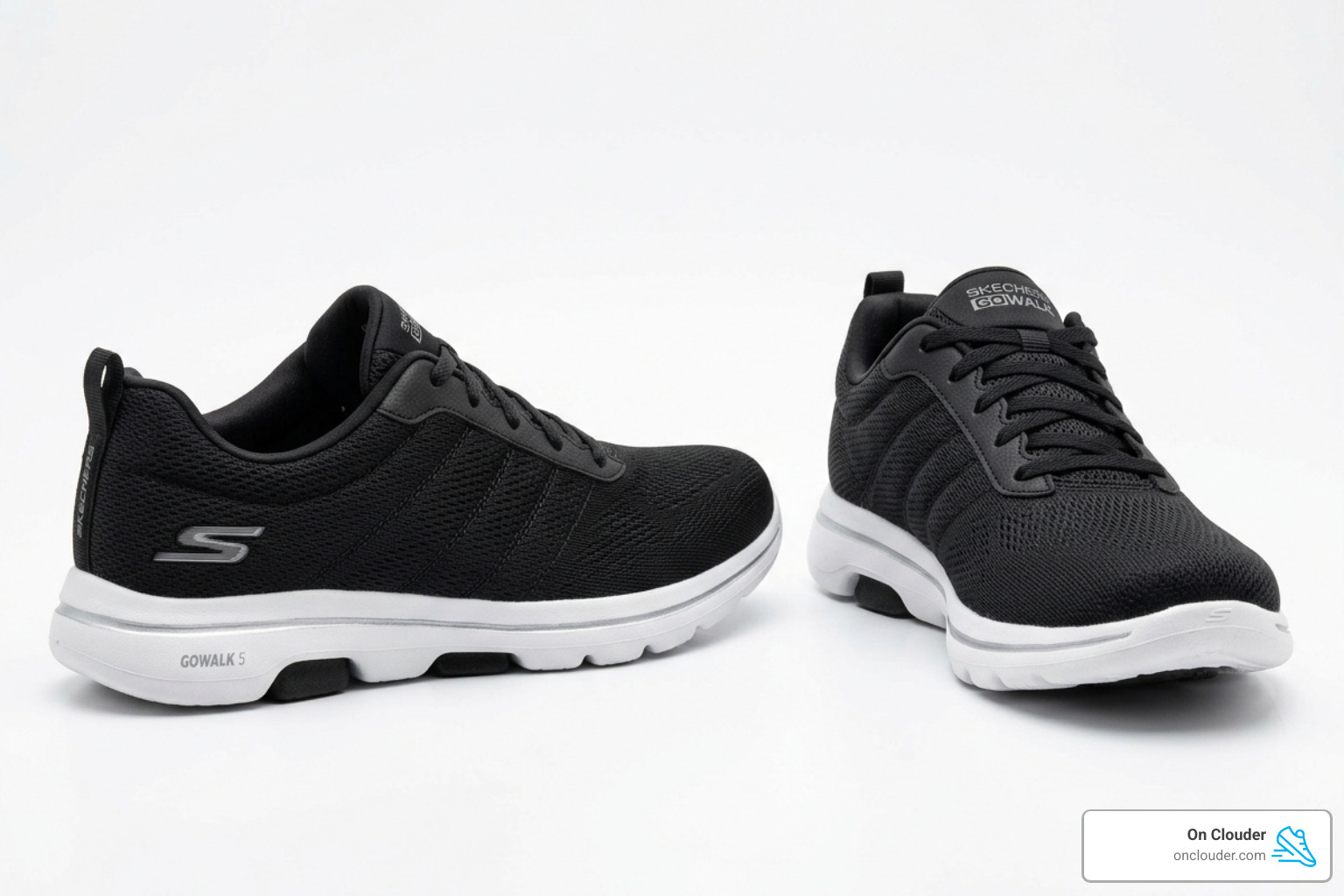
| Skechers Go Walk 5 Wistful | Lightweight comfort | Budget-friendly | 4.4/5 (4,257 ratings) |
| LeIsfIt Wide Diabetic Slippers | Swelling & edema | Budget-friendly | 4.3/5 (2,230 ratings) |
| Ortho+rest Men Diabetic Shoes | Arch support & swollen feet | Mid-range | 4.2/5 (144 ratings) |
| Dr. Comfort / Apex / Drew | Medicare-grade protection | $120–$200+ | Varies |
The stakes are real. Poor footwear choices for diabetics can lead to ulcers, infections, and in severe cases, amputation. Yet with over 4,000 diabetic walking shoe options available on Amazon alone, knowing what to look for can feel overwhelming.
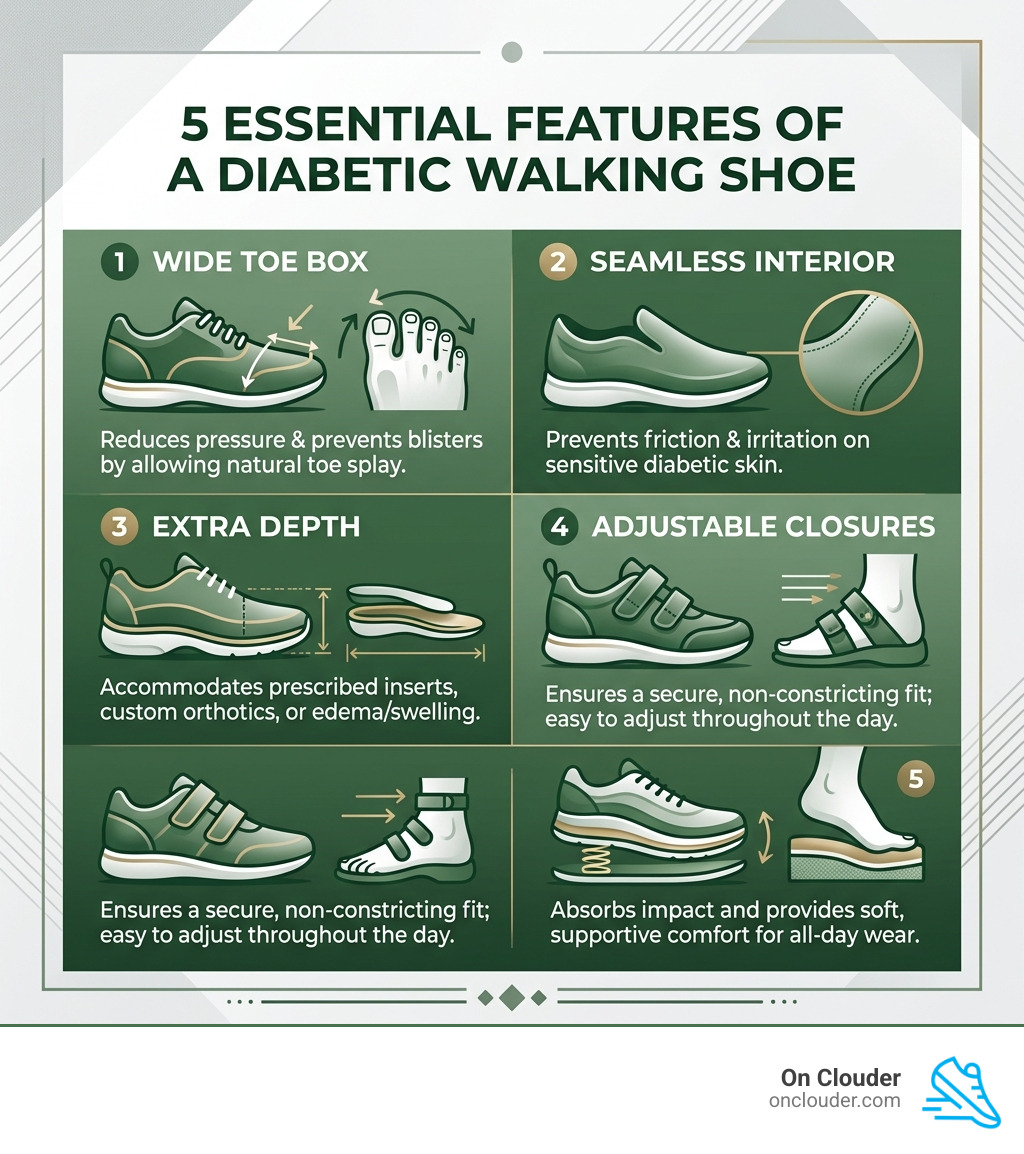
The good news? A few key features — a wide toe box, seamless interior, extra depth, adjustable closures, and protective cushioning — separate shoes that simply look supportive from ones that actually are.
I’m Faisal S. Chughtai, a footwear expert with years of hands-on experience testing and reviewing walking shoes across all categories, including the best walking shoes for diabetic conditions. In this guide, I’ll cut through the noise so you can walk with confidence — and without pain.
What Makes the Best Walking Shoes for Diabetic Patients?
When we look at footwear through the lens of diabetes management, we aren’t just looking for “comfy sneakers.” We are looking for medical-grade protection disguised as everyday wear. The best walking shoes for diabetic users must address three main enemies: friction, pressure, and poor circulation.
Wide Toe Box and Non-Binding Uppers
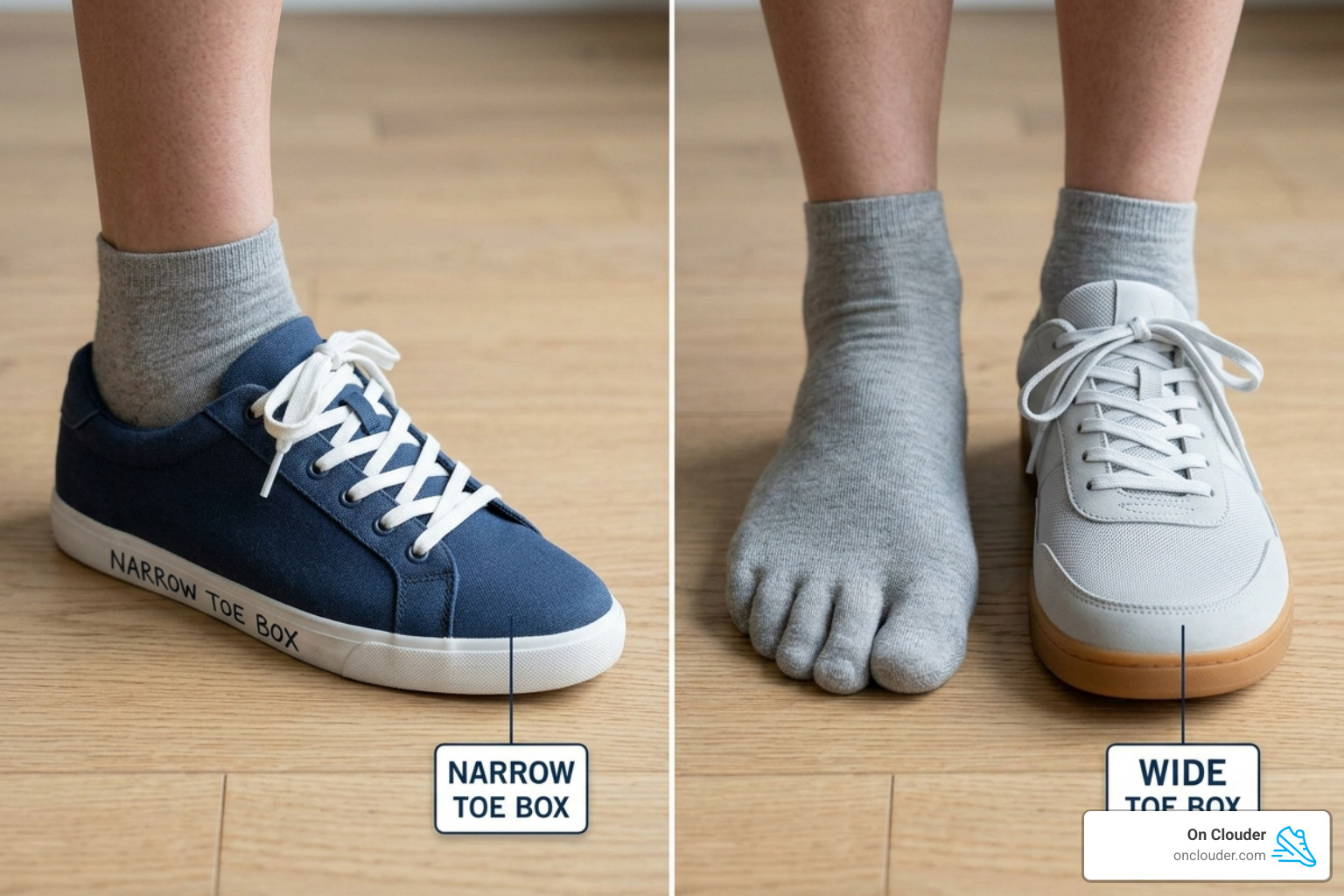
A wide toe box is non-negotiable. Standard shoes often taper at the front, squeezing the toes together. For a diabetic foot, this constriction can lead to bunions, hammertoes, or friction-induced blisters. A shoe like the Apex Lace Walker – Women’s Walking Shoe (V-Last) is specifically designed with a deep, rounded toe box to allow toes to splay naturally.
Non-binding uppers are equally important. These are typically made of soft, stretchable materials that don’t dig into the skin, which is vital for those who experience foot swelling throughout the day.
Seamless Interior and Moisture-Wicking Linings
If you have peripheral neuropathy, you might not feel a small internal seam rubbing against your pinky toe. Over several miles, that seam can act like a saw, creating a “hot spot” or ulcer. The best walking shoes for diabetic health feature smooth, seam-free interiors. Brands like Dr. Comfort prioritize this, as seen in the Grace Women’s Diabetic Athletic Walking Shoe | Dr. Comfort, which uses reduced seam lines to minimize skin irritation. Additionally, moisture-wicking linings help keep the foot dry, reducing the risk of fungal infections that can be harder to treat in diabetic patients.
Extra Depth and Protective Cushioning
Extra depth is what allows a shoe to accommodate custom orthotics or even just thicker diabetic socks without feeling cramped. This depth also helps redistribute pressure across the entire sole of the foot rather than concentrating it on the ball or heel. For more on why this matters, check out our An Essential Guide To Best Shoes For Arch Support.
Top-Rated Diabetic Walking Shoes for Men and Women
Choosing the right shoe often comes down to balancing medical needs with lifestyle. In May 2026, the market is filled with options ranging from high-performance athletic gear to casual slip-ons.
| Brand/Model | Rating | Width Options | Notable Feature |
|---|---|---|---|
| Ortho+rest Men | 4.2/5 | Wide/Extra Wide | Excellent arch support |
| FitVille Men | 4.4/5 | Wide/Extra Wide | ReboundCore cushioning |
| Skechers Go Walk 5 | 4.4/5 | Standard/Wide | Ultra-lightweight |
| LeIsfIt (Women) | 4.3/5 | Extra Wide | Best for severe edema |
For those needing a mix of style and clinical protection, the Mens & Womens Diabetic Athletic Shoes | Dr. Comfort line offers everything from hands-free slip-ons to extra-depth trainers. If you also happen to have high arches or flat feet, you’ll want to look at our Best Shoes For Flat Feet High Arches 2026 Guide to ensure your diabetic shoes are providing the right structural support.
Best Walking Shoes for Diabetic Neuropathy and Pain Relief
Neuropathy often brings a mix of numbness and sharp pain. The goal here is “sensory loss protection.” Shoes like the Ortho+rest Men Diabetic Shoes and FitVille ReboundCore utilize advanced cushioning systems to dampen the impact of every step.
The Ortho-Cushion™ System found in many orthopedic brands provides anatomical arch support and multilayered cushioning. This is particularly helpful for alleviating heel pain. If your current shoes lack this, you might consider adding The Best Arch Support Pads For Shoes To End Foot Pain to your setup. For a rugged, high-support option, the Drew Lightning II – Men’s Athletic Walking Shoe features a TPU shank and a rocker bottom to help propel the foot forward with minimal strain.
Best Walking Shoes for Diabetic Swelling and Edema
Swelling (edema) is a common challenge for diabetics. A shoe that fits in the morning might be painfully tight by 4:00 PM. This is where LeIsfIt Slippers and shoes with adjustable Velcro closures shine. They allow you to “reset” the fit of the shoe as your foot volume changes.
When dealing with swelling, it’s also important to consider joint health. Our guide on Joint Relief A Guide To The Best Shoes For Arthritis highlights many brands that overlap with diabetic needs, specifically those with non-slip outsoles and easy-entry designs. For a deeper dive into medical-grade options for severe swelling, the 7 Best Footwear for Diabetic Patients: 2025 Brands & Tips provides a great list of brands like Anodyne that specialize in high-volume feet.
Specialized Features: Medicare Approval and Orthopedic Support
Did you know that Medicare may cover the cost of your shoes? Under Medicare Part B, patients with diabetes who meet specific criteria can receive one pair of therapeutic shoes and three pairs of inserts per calendar year.
HCPCS A5500 Coding
To qualify for Medicare reimbursement, a shoe must have an HCPCS A5500 code. This means the shoe has been vetted for its therapeutic properties. The Free Time Walking Shoe | SAS Shoes is a classic example of a Medicare-approved walker that offers TRIPAD® technology to support the three main pressure points of the foot.
Rocker Bottoms and TPU Shanks
For those with limited joint mobility, rocker bottoms (curved soles) help the foot roll through the walking motion without requiring the toes to bend excessively. TPU shanks and tempered steel shanks provide the “spine” of the shoe, ensuring it doesn’t twist in ways that could hurt a fragile foot.
If you are using custom inserts, you need a shoe with a removable footbed that offers at least 3/16″ to 5/16″ of extra depth. You can find many such styles in the Most Popular Diabetic Shoes | Apex Diabetic Footwear collection. For those struggling with specific alignment issues, we recommend reading The Ultimate Guide To Buying Orthotic Insoles For Flat Feet.
Expert Tips for Choosing Footwear for Diabetic Conditions
As we approach the midpoint of 2026, the technology in walking shoes has never been better, but the basics of shoe shopping still apply. Here are our top expert tips for making the right choice:
- Shop Late in the Day: Your feet are at their largest in the afternoon. Fitting shoes then ensures they won’t become too tight as the day goes on.
- Gait Analysis: If possible, visit a specialist for a gait analysis. Knowing if you overpronate or supinate can help you choose between a stability shoe and a neutral cushioned shoe. For more on this, see our guide on Flat Feet Running 101 Everything You Need To Know About Support And Comfort.
- The Thumb Rule: Ensure there is a thumb’s width of space (about half an inch) between your longest toe and the end of the shoe.
- Daily Inspections: Even with the best walking shoes for diabetic patients, you must check your feet daily for redness, swelling, or blisters. Use a mirror to see the bottoms of your feet.
- Replacement Timeline: Don’t wait for the soles to fall off. Most walking shoes lose their structural support after 300 to 500 miles. For some, that’s every six months.
If you are also managing other conditions, you may find helpful tips in our articles on Shoes For Arthritis or general foot health.
Frequently Asked Questions about Diabetic Footwear
Can I wear regular running shoes if I have diabetes?
Yes, but with caution. Many modern running shoes (like certain Hoka or New Balance models) offer excellent cushioning and wide toe boxes. However, they often have internal seams that could cause friction. If you have neuropathy or a history of ulcers, it is safer to stick with shoes specifically designed for diabetics or those with the APMA Seal of Acceptance.
How do I know if a shoe is Medicare A5500 approved?
Most manufacturers will proudly state “A5500 Coded” or “Medicare Approved” in the product description. You can also check with your podiatrist, as they usually have a list of approved brands like Dr. Comfort, Apex, and SAS.
What is the difference between wide and extra-wide diabetic shoes?
A “Wide” shoe (often D for women, E or 2E for men) provides more room across the ball of the foot. An “Extra-Wide” shoe (2E/4E for women, 4E/6E for men) is designed for significant swelling, bunions, or the use of thick medical orthotics. Always measure your foot while standing to get the most accurate width.
Conclusion
At On Clouder, we believe that staying active is one of the most powerful tools in managing diabetes. But you shouldn’t have to choose between a healthy walk and healthy feet. By prioritizing features like a wide toe box, extra depth, and seamless interiors, you can find the best walking shoes for diabetic comfort that keep you moving pain-free.
Whether you opt for the budget-friendly Skechers Go Walk or a medical-grade Apex walker, the right shoe is an investment in your long-term mobility. For those who enjoy walking on tougher surfaces, don’t miss The Ultimate Guide To Best Walking Shoes For Long Distance On Concrete for more specialized recommendations. Keep walking, keep checking your feet, and stay comfortable!
