

Why Your Feet Hurt at Home (And What to Do About It)
The best slippers for foot pain can make a real difference in how you feel from your first morning step to your last evening one. Here’s a quick look at what works:
Top picks for foot pain relief at a glance:
| Condition | What to Look For |
|---|---|
| Plantar fasciitis | Firm arch support, deep heel cup |
| Bunions | Wide toe box, stretch panels |
| Flat feet | Contoured footbed, deep heel cup |
| Diabetes / neuropathy | Closed toe, seamless interior, closed back |
| Edema / swelling | Extra depth, adjustable closures |
| General pain | Cushioned EVA or cork footbed, slip-resistant sole |
Most of us don’t think twice about wearing supportive shoes outside. But the moment we get home, we kick them off — and walk barefoot on hard tile or hardwood floors. That’s a problem.
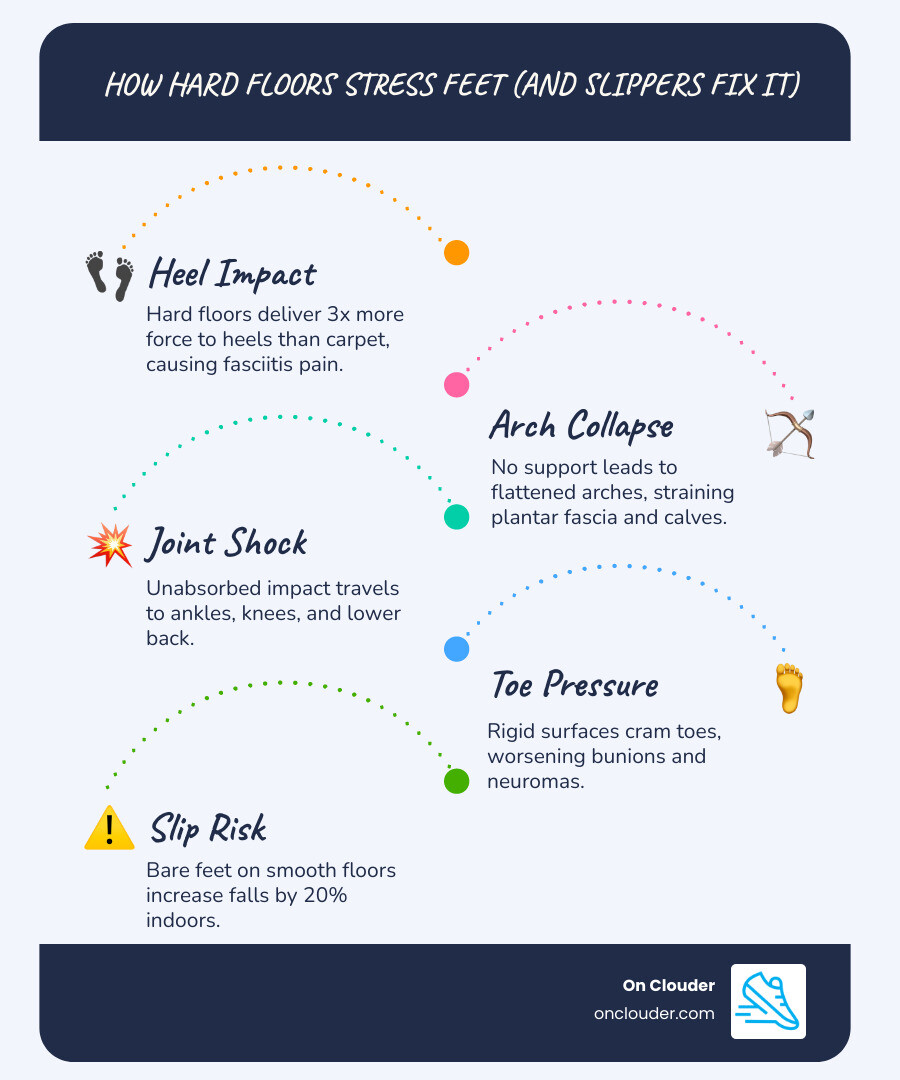
According to podiatrists, walking barefoot at home puts real stress on your feet, ankles, knees, and even your lower back. Hard floors offer zero shock absorption. Every step sends impact straight up through your joints.
If you’ve ever felt that sharp heel sting with your first steps in the morning, or noticed your feet throbbing after a long shift at home — that’s your floors working against you.
The good news? The right pair of slippers can change all of that.
I’m Faisal S. Chughtai, a footwear comfort specialist who has spent years helping people find the right shoes for pain relief and performance — including researching the best slippers for foot pain for active professionals and those on their feet all day. Let’s walk through exactly what to look for.
Best slippers for foot pain terms made easy:
Why You Need the Best Slippers for Foot Pain Relief
It is April 2026, and the trend in home wellness has shifted from just “cozy” to “corrective.” We’ve seen a massive surge in what podiatrists call “house shoes”—footwear specifically designed to be worn indoors to combat the unforgiving nature of modern flooring.
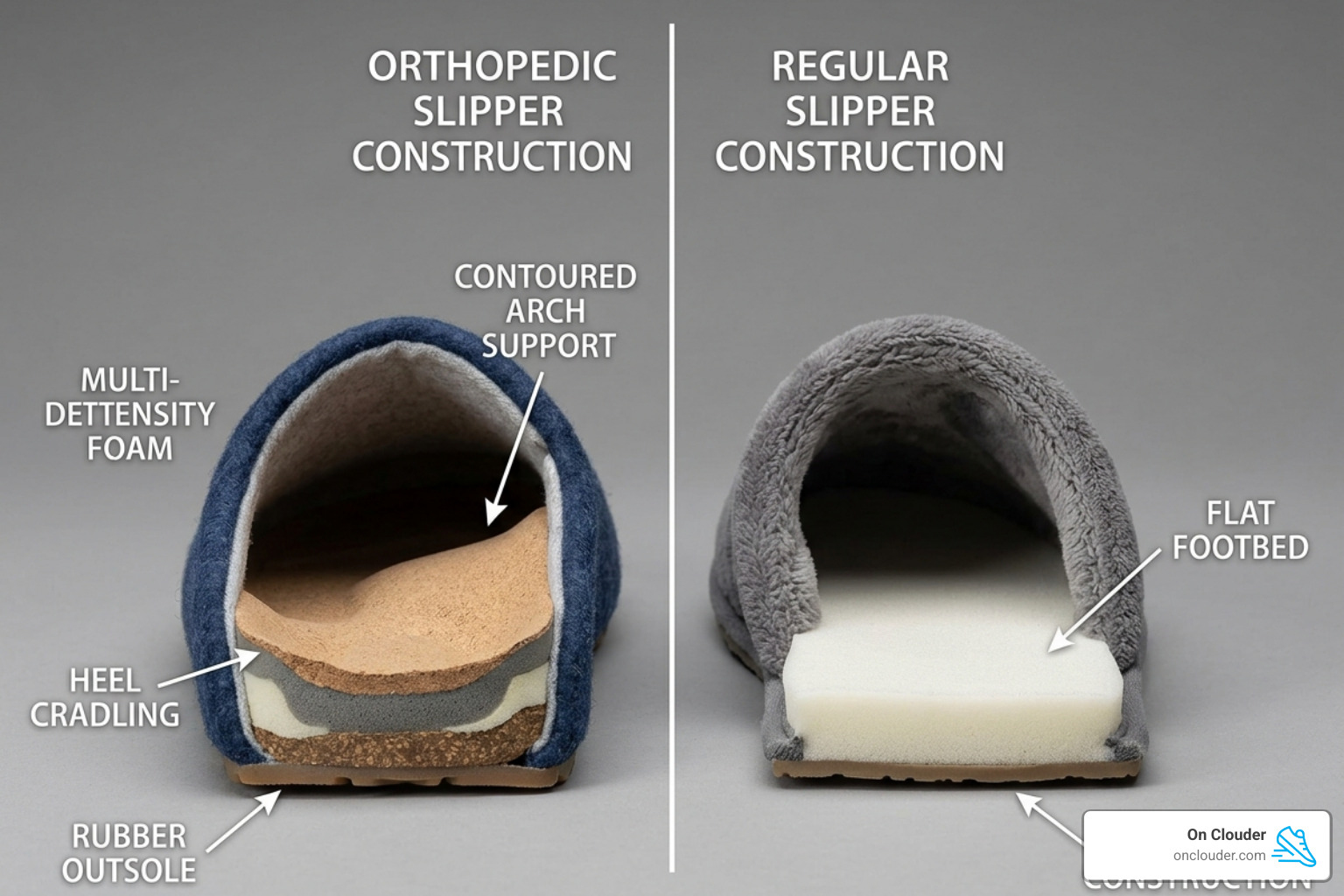
When you walk on hard surfaces like tile, laminate, or hardwood without support, your arches tend to collapse. This overpronation stretches the plantar fascia and puts undue pressure on the ball of the foot. Orthopedic slippers are engineered differently than the cheap, flat “mushy” slippers you might find at a big-box store.
The Power of Alignment and Shock Absorption
The best slippers for foot pain focus on three main pillars: alignment, pressure distribution, and shock absorption. Clinical research confirms that orthopedic interventions, including supportive house shoes, show significant efficacy in alleviating pain for patients with conditions like plantar fasciitis.
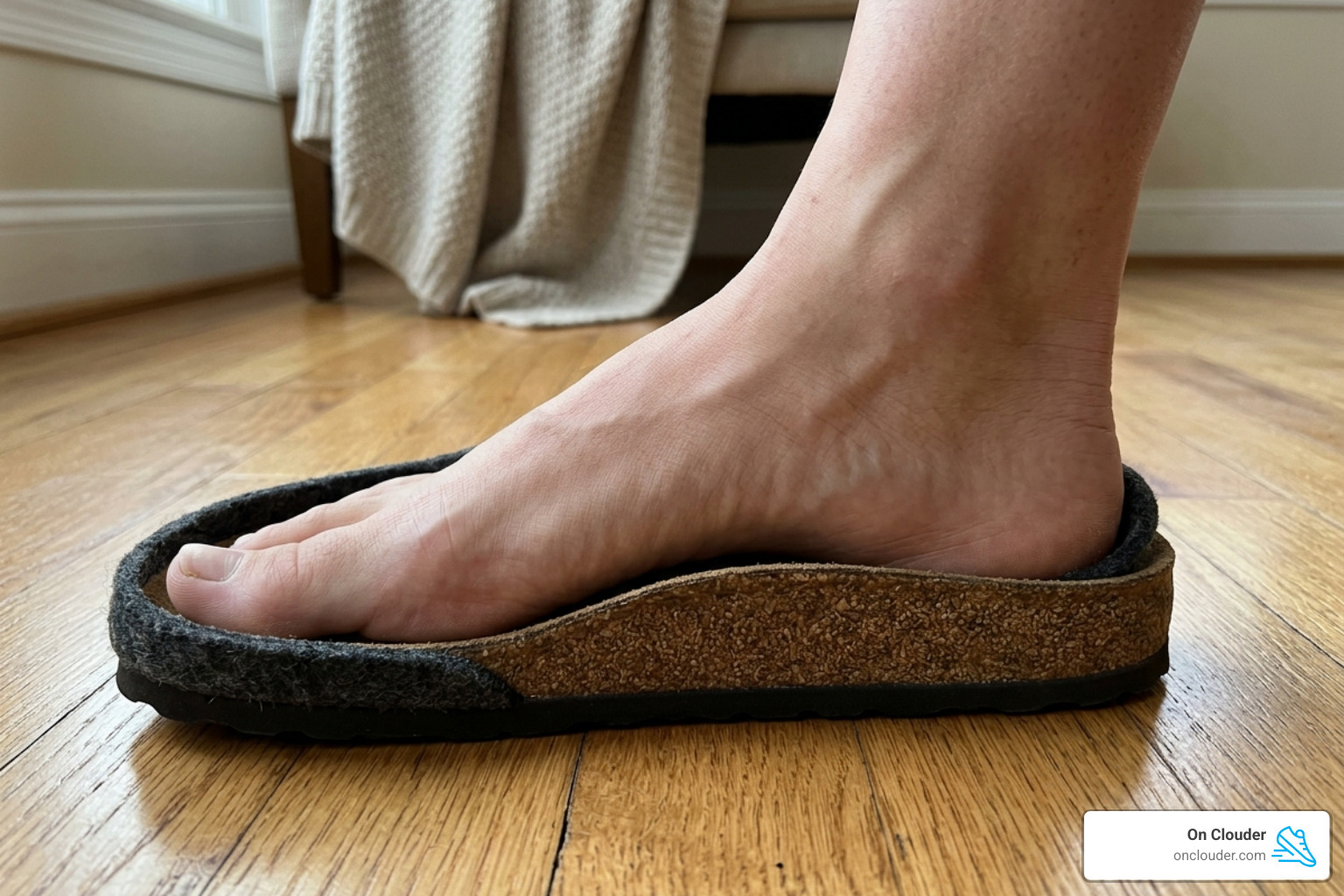
By using materials like cork or high-density EVA foam, these slippers provide a stable base that mimics the natural contours of your foot. Instead of your heel hitting the floor with a jarring thud, an orthopedic footbed absorbs that energy. In fact, internal data from top brands shows that up to 97% of customers report foot pain relief on the very first day of switching to engineered house shoes.
Safety and Long-Term Success
Beyond just feeling good, the right slippers are a safety essential. Falls are the leading cause of injury for adults ages 65 years and older. Slippers with slip-resistant outsoles and secure heel cups provide the stability needed to navigate stairs and slick kitchen floors safely. With over 100,000 satisfied customers now making the switch to supportive indoor footwear, the evidence is clear: your “relaxing” time should also be “recovery” time for your feet.
Essential Features of Orthopedic House Shoes
Not all slippers are created equal. When we evaluate the best slippers for foot pain, we look for specific medical-grade features that move beyond simple aesthetics.
Material Matters
The material of your slipper impacts everything from temperature regulation to how well it supports your weight.
| Material | Best For | Pros | Cons |
|---|---|---|---|
| Boiled Wool | Temperature regulation | Naturally moisture-wicking, antimicrobial, molds to foot shape. | Can be pricey; requires gentle cleaning. |
| Memory Foam | Immediate soft feel | High initial comfort; great for sensitive pressure points. | Can compress and lose support over time. |
| Cork/Latex | Long-term support | Molds to your unique footprint; excellent arch structural integrity. | Requires a “break-in” period. |
Key Design Elements
- Wide Toe Box: This is crucial for preventing bunion pain and allowing your toes to splay naturally. A cramped toe box leads to friction and nerve compression.
- Deep Heel Cup: This stabilizes the foot, preventing the “wobble” that leads to ankle strain and heel pain.
- Removable Insoles: For those who require custom medical orthotics, having a removable footbed is a game-changer.
- Slip-Resistant Outsoles: Look for rubber or textured soles that provide traction on wet or smooth surfaces.
- Adjustable Closures: Features like hook-and-loop straps (Velcro) allow you to customize the fit, which is vital if your feet swell throughout the day.
For a deeper dive into how these features specifically help with heel pain, check out our scientific evidence for plantar fasciitis relief guide.
Choosing the Best Slippers for Foot Pain and Specific Conditions
Different foot problems require different solutions. Here is how to match your symptoms to the right slipper features:
- Plantar Fasciitis: You need a firm, contoured arch and a soft heel landing zone. The goal is to keep the plantar fascia from overstretching when you stand up.
- Bunions and Wide Feet: Look for slippers with wide toe boxes and stretchable uppers. Some options even include soft side panels designed to reduce pressure on the big toe joint.
- Diabetic Neuropathy: Protection is key. Choose a closed-toe design with a seamless interior to prevent blisters or rubs that you might not be able to feel.
- Flat Feet: Seek out a contoured footbed that provides significant medial arch support to help improve alignment through the ankles and knees.
- Arthritis: Look for lightweight slippers with maximum cushioning and easy-to-fasten closures if hand dexterity is a concern.
How to Find the Best Slippers for Foot Pain and Proper Fit
Getting the right size in a slipper is often different than sizing for a running shoe. Because slippers are often worn without socks (or with very thick ones), the fit needs to be precise.
- The Afternoon Rule: Always measure your feet in the afternoon or evening. Your feet naturally swell during the day, and you want your slippers to fit when your feet are at their largest.
- The Thumb’s Width: When your heel is seated in the back of the slipper, there should be about a thumb’s width of space between your longest toe and the front of the slipper.
- Sizing Up: If you are a half-size and the brand only offers whole sizes, we almost always recommend sizing up. A slipper that is slightly too large can be adjusted with socks, but one that is too small will cause “toe-scrunching” and exacerbate pain.
- The Wear Test: Many top-tier brands now offer a “60-day wear test” or even a “91-day feel better promise.” We highly recommend taking advantage of these. It can take 2-3 weeks for your feet to adjust to a new orthopedic footbed, especially if you’ve spent years walking barefoot.
Maintenance and Care for Longevity
High-quality orthopedic slippers are an investment, often ranging from $60 to $160. To make them last, you need to treat them right.
- Cleaning: For wool or suede, never toss them in the washing machine unless the manufacturer explicitly says so. Use a damp cloth and mild soap to spot-clean. For memory foam or synthetic slides, many are machine washable on a cold, gentle cycle.
- Odor Control: Look for slippers with antimicrobial technology. If they start to smell, a light dusting of baking soda left overnight can help.
- Monitoring Wear: Just like running shoes, the support in slippers eventually breaks down. Inspect the tread and the arch support every 6 months. If you notice the foam is permanently compressed or the outsole is smooth, it’s time for a replacement.
- Hygiene for Neuropathy: If you have diabetes, inspect the inside of your slippers daily for any debris or torn lining that could cause skin irritation.
Frequently Asked Questions about Orthopedic Slippers
What do podiatrists recommend for house shoes?
Podiatrists generally recommend house shoes that have a rigid sole (you shouldn’t be able to easily fold the shoe in half), built-in arch support, and a secure fit. They advise against floppy, backless “scuff” slippers for people with balance issues or chronic heel pain, as these force the toes to “grip” the shoe to keep it on, leading to tendonitis.
Are orthopedic slippers suitable for outdoor use?
Many of the best slippers for foot pain now feature durable rubber outsoles. These are perfect for quick trips to the mailbox, letting the dog out, or even a quick dash to the grocery store. However, they aren’t designed for long-distance walking or hiking.
How do I know if I need slippers with arch support?
If you experience “first-step” pain in the morning, have visible flat feet, or find that your knees and back ache after standing in the kitchen for an hour, you likely need arch support. Even if you don’t have current pain, supportive slippers act as a preventative measure against the natural thinning of the fat pads on the bottom of your feet as you age.
Conclusion
At On Clouder, we believe that your comfort shouldn’t end when your workday does. Investing in the best slippers for foot pain is an investment in your long-term mobility. By choosing footwear that aligns your body and cushions your joints, you aren’t just buying a pair of shoes—you’re buying the ability to move through your home without wincing.
Whether you prefer the natural warmth of Italian wool or the high-tech recovery of specialized foam, there is a solution out there for your specific needs. Don’t let hard floors dictate your comfort. Step into a pair of supportive slippers and feel the difference that medical-grade engineering can make.
For more tips on maintaining foot health while staying active, check out our guide on arch support for runners.
