
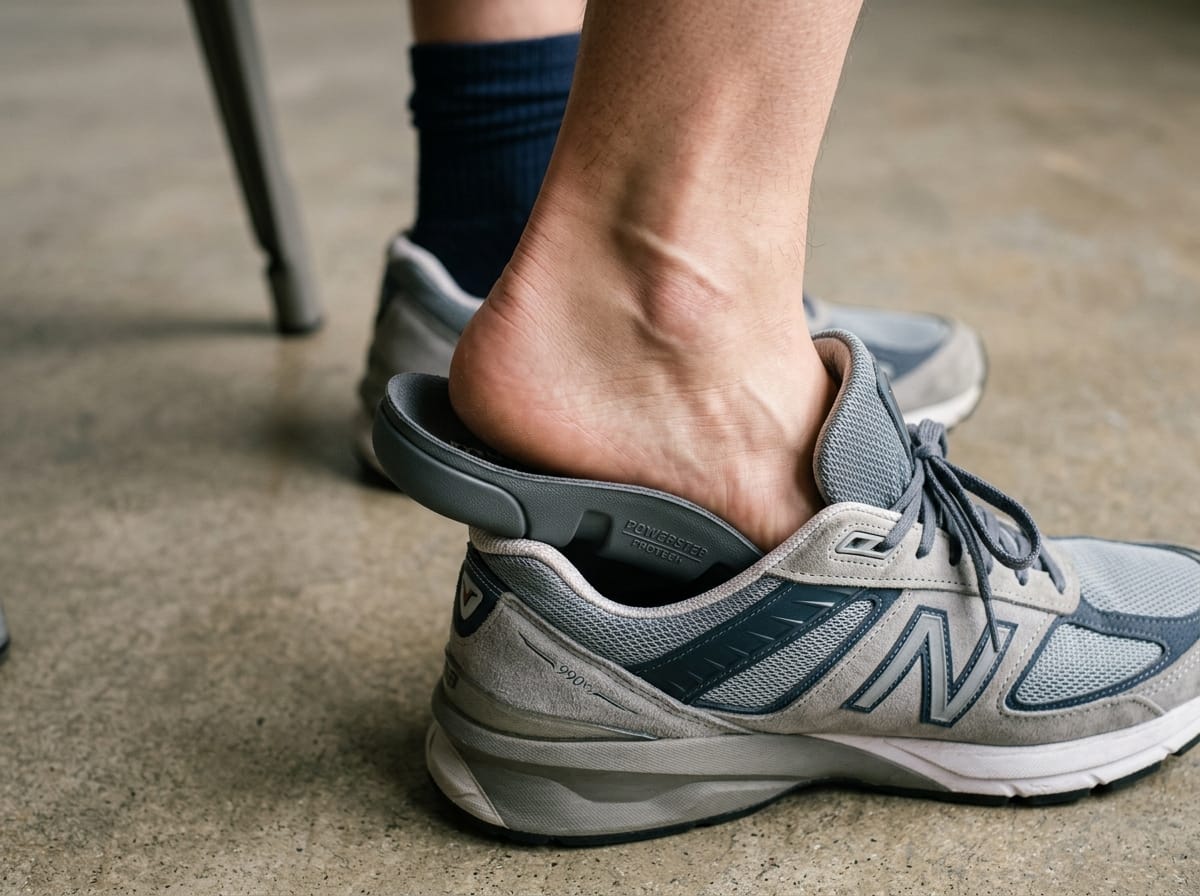
When Every Step Hurts: Finding the Best Arch Support Inserts for Flat Feet
The best arch support inserts for flat feet are low-arch, semi-rigid insoles with a deep heel cup — designed to stabilize your ankle, reduce overpronation, and redistribute pressure across your foot. Here are the top options to consider:
| Insert Type | Best For | Key Feature |
|---|---|---|
| Low arch semi-rigid insole | Everyday wear | Firm support + heel cradle |
| Gel cushion insole | Standing all day | Shock absorption + comfort |
| Performance athletic insole | Running + sport | Stability + motion control |
| Trim-to-fit insole | Casual shoes | Versatile fit + heel stabilizer |
| Custom orthotic | Severe or rigid flat feet | Personalized arch shaping |
If you have flat feet, you already know the feeling. A few hours on your feet and your arches ache, your ankles feel unstable, and the pain can creep all the way up to your knees and lower back. Stock insoles that come with most shoes simply aren’t built to handle the demands of a truly flat foot.
And you’re not alone. Flat feet — also called fallen arches — are incredibly common, affecting people of all ages and activity levels. Whether you’re logging miles on a run, pulling a long shift at work, or just trying to get through your day without wincing, the right insole can make a real difference.
The good news? You don’t need expensive custom orthotics to get meaningful relief. Over-the-counter arch support inserts have come a long way — and some are even clinically proven and approved by podiatrists.
I’m Faisal S. Chughtai, a footwear comfort specialist who has spent years testing and evaluating supportive shoe gear — including the best arch support inserts for flat feet — to help people move without pain. In this guide, I’ll walk you through exactly what to look for and which insoles stand out from the rest.
Basic best arch support inserts for flat feet vocab:
Understanding Flat Feet and Fallen Arches
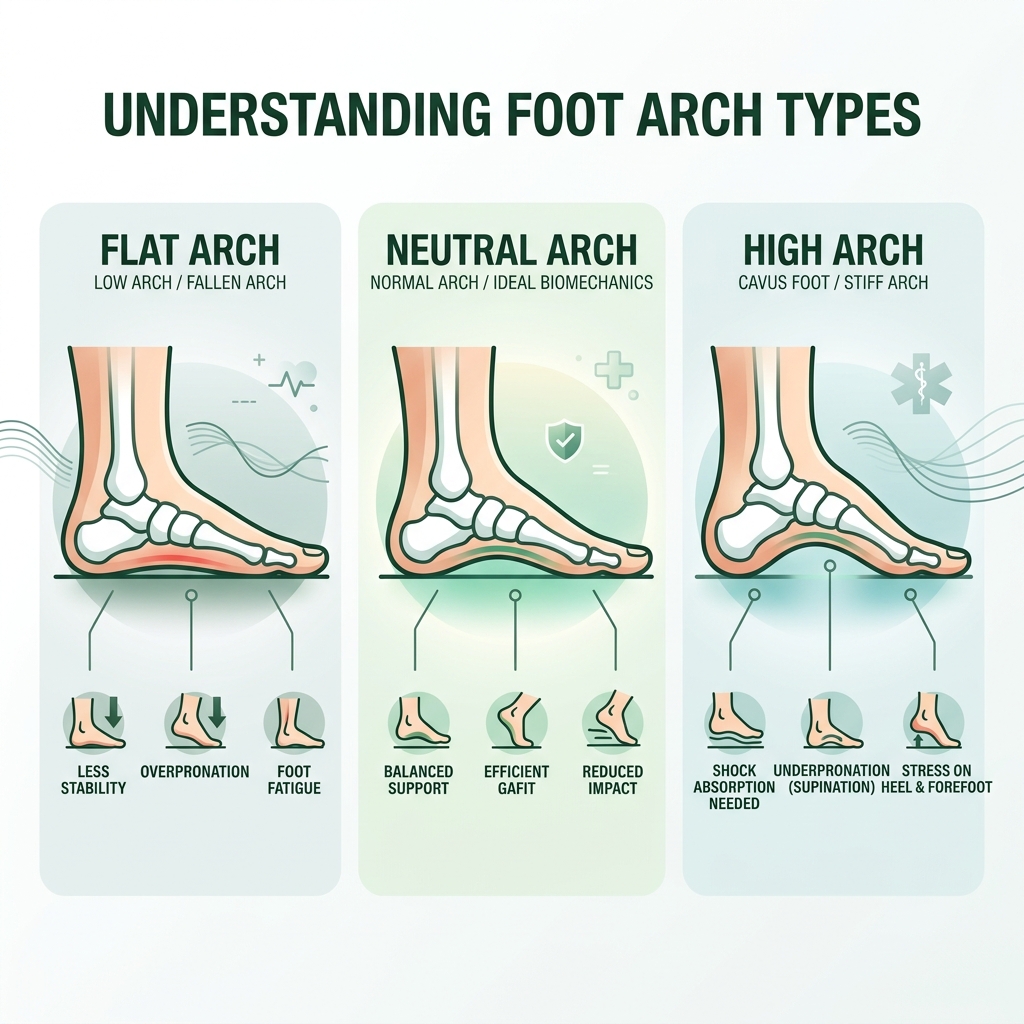
Before we dive into the products, we need to talk about what’s actually happening under your socks. Having flat feet means your arches have little to no height, causing the entire sole of your foot to touch the floor when you stand.
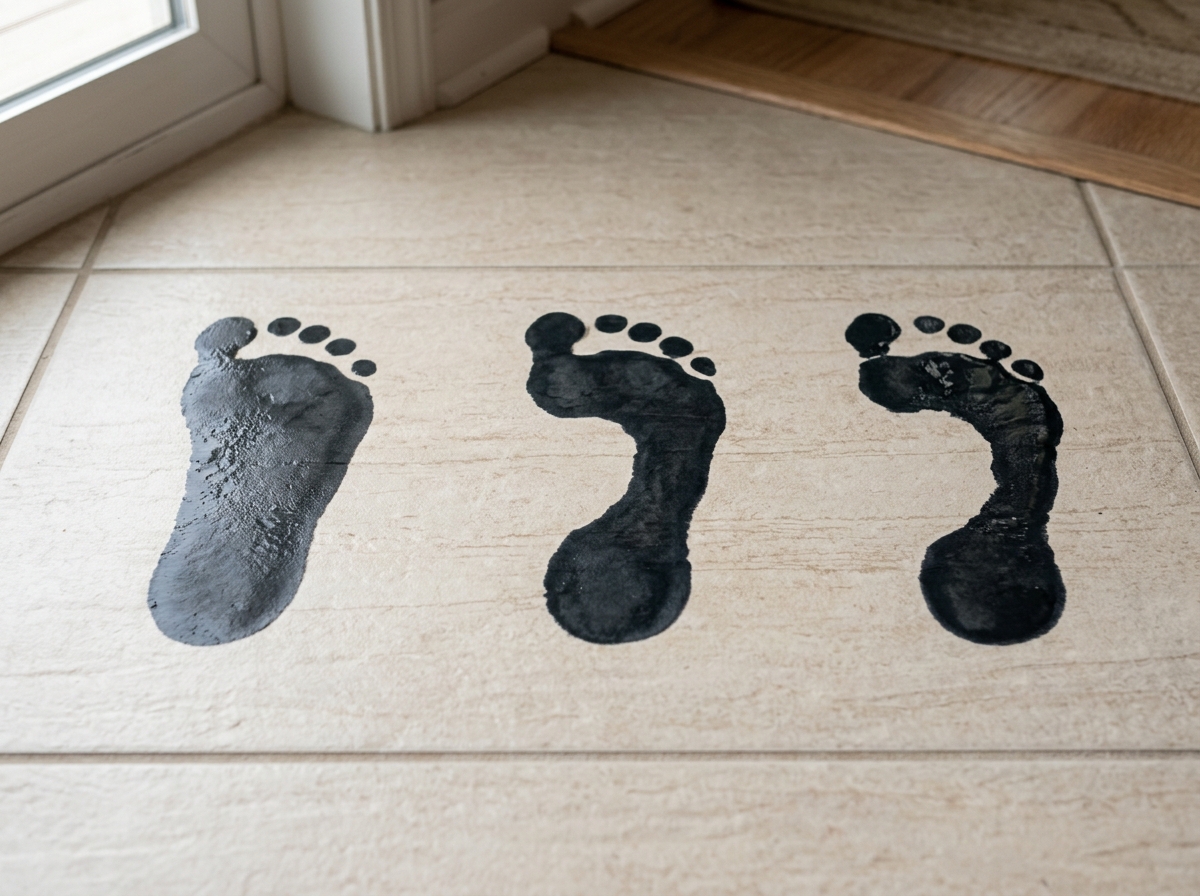
But how do you know for sure? The easiest way is the wet footprint test. Simply wet your feet and step onto a piece of cardboard or a dry tile floor. If your footprint looks like a solid pancake with almost no curve on the inside, you’ve got flat feet.
In our experience, it’s important to distinguish between two main types:
- Flexible Flatfoot: This is the most common type. You can actually see an arch when you’re sitting down or standing on your tiptoes, but the moment you put weight on your feet, the arch disappears.
- Rigid Flatfoot: This is a bit more stubborn. The arch is absent whether you are sitting, standing, or dangling your feet. This type often stems from bone or joint issues and might require a bit more “oomph” from your inserts.
The causes vary from genetics (thanks, Mom and Dad!) to aging. Over time, the posterior tibial tendon—the main support structure for your arch—can weaken or fail due to strain, weight, or injury. This is often referred to as “fallen arches.” If you’re struggling to find the right shoe for this structure, check out our guide on finding your perfect fit.
Why You Need the Best Arch Support Inserts for Flat Feet
You might think, “My feet are flat, so I should just wear flat shoes, right?” Actually, that’s a recipe for disaster. When your arch collapses, your foot and ankle tend to roll inward—a process called overpronation. This creates a domino effect of misalignment.
When you use the best arch support inserts for flat feet, you aren’t just “propping up” the bone; you are stabilizing the entire foundation of your body. Here is why quality inserts are a game-changer:
- Ankle Stabilization: A deep heel cup helps keep your heel bone vertical, preventing that inward roll.
- Body Alignment: Proper support at the foot level can alleviate stress on your knees, hips, and lower back. If your foundation is crooked, everything above it has to compensate.
- Pain Prevention: Quality inserts are clinically proven to relieve and prevent pain associated with plantar fasciitis, shin splints, and Achilles tendonitis.
- Shock Absorption: Flat feet are notoriously bad at absorbing impact. High-quality inserts use specialized foams and gels to do the heavy lifting for your joints.
According to the American Podiatric Medical Association (APMA), using approved orthotics can significantly improve gait biomechanics. For a deeper dive into how these work, read our shoe inserts for flat feet 101 guide.
Key Features of Effective Flat Foot Insoles
Not all insoles are created equal. If you walk into a drugstore and buy the softest, squishiest gel pads you can find, you might actually make your pain worse. Why? Because flat feet don’t need “mush”; they need structure.
Here’s what we look for when ranking the best arch support inserts for flat feet:
| Feature | Why It Matters for Flat Feet |
|---|---|
| Low Arch Profile | High arches can feel like a golf ball in your shoe. You need a “low” height (around 15-20mm) that matches your anatomy. |
| Firm Foundation | A semi-rigid support shell prevents the arch from collapsing under your weight. |
| Deep Heel Cup | Cradles the heel to maximize natural shock absorption and limit overpronation. |
| Dual-Layer Cushioning | Provides a soft top layer for comfort and a firm bottom layer for support. |
| Moisture-Wicking | Keeps feet dry and reduces the friction that causes blisters. |
A common mistake is choosing “maximum cushioning” over “maximum support.” While soft foam feels great for the first five minutes, it often bottoms out quickly. We recommend looking for a “stabilizer cap” or a firm arch support shell. You can learn more about these components in our arch support inserts 101 article.
Top-Rated Arch Support Inserts for Every Activity
Finding the best arch support inserts for flat feet depends heavily on what you’re doing. A running shoe needs different support than a slim dress shoe or a heavy work boot.
Best Arch Support Inserts for Flat Feet in Athletic Shoes
For runners and walkers, stability is the name of the game. When you run, the force on your feet can be 3-4 times your body weight. If your arches collapse during this phase, you’re at high risk for shin splints and knee pain.
We recommend performance-oriented athletic inserts that feature a semi-rigid arch. These are designed to be “responsive,” meaning they flex slightly to absorb impact but snap back into shape to provide a stable “launchpad” for your next step. If you’re a runner, you might also want to pair these with the right footwear; see our list of the best running shoes for flat feet.
Best Arch Support Inserts for Flat Feet in Casual Wear
Your everyday sneakers and loafers often have the worst factory insoles. For these, we suggest “trim-to-fit” designs. These allow you to use your old insole as a template to get a perfect fit inside the shoe.
Look for casual inserts that feature a carbon fiber stabilizer cap. These are incredibly thin and lightweight—so they won’t make your shoes feel too tight—but they are strong enough to hold your arch in place all day. For more tips on refreshing your daily drivers, read about how to give your favorite shoes a lift.
Best for All-Day Standing and Work Boots
If you’re a nurse, a construction worker, or a retail pro, you’re likely standing for 8-12 hours a day. In this case, you need a hybrid of firm support and “slow-recovery” foam.
Heavy-duty inserts often include a “heel relief zone” with targeted gel to absorb the constant pounding of hard floors. These are built to last; while cheaper drugstore brands might die in two months, high-quality work inserts should last about 6 months or 500 miles. To ensure they fit your boots perfectly, check out our guide to the best arch support pads.
How to Fit and Maintain Your New Insoles
Once you’ve picked out the best arch support inserts for flat feet, you need to treat them right. You can’t just jam them on top of your existing insoles!
The Trimming Process
- Remove the old insole: Most quality shoes have a removable liner. Take it out!
- Trace and Cut: Place the old liner on top of your new insert and trace the outline. Use sharp household scissors to trim the toe area.
- The 2mm Rule: Leave a tiny gap (1-2mm) at the very front so the insole can move slightly as the shoe flexes.
The Break-In Period
Don’t go for a 5-mile run the day you get your inserts. Your feet have been “lazy” for a long time, and the new support will feel strange at first.
- Day 1: Wear them for 1-2 hours.
- Day 2: Wear them for 2-3 hours.
- Week 2: You should be ready for full-day use.
Most people adapt within 1 to 3 days, though you might feel some mild “stretching” in your arch as your alignment stabilizes. For more community-vetted advice, see what Reddit’s most opinionated walkers have to say about the break-in process.
Maintenance and Replacement
- Cleaning: Handwash with mild soap and warm water. Never put them in the washing machine or dryer—the heat can warp the support shell!
- Replacement: Quality insoles usually last 6 to 12 months. If you notice the foam is compressed or the plastic shell feels “flimsy,” it’s time for a new pair.
- Guarantees: Many top brands offer a 60-day comfort guarantee. If your feet aren’t happy after the break-in period, you can usually get a refund.
Frequently Asked Questions about Fallen Arches
How do I know if I have flexible or rigid flat feet?
As mentioned earlier, the easiest way is the “tiptoe test.” Stand on your tiptoes in front of a mirror. If an arch appears when you’re on your toes, you have flexible flat feet. If the foot stays completely flat even when you’re on your toes, it’s rigid. Rigid flat feet are less common and often require a consultation with a podiatrist to rule out tarsal coalition (fused bones).
Can arch supports fix overpronation and knee pain?
Yes! While they don’t “cure” flat feet permanently (your bones won’t magically change shape), they do correct the function of your foot. By stopping the inward roll of the ankle, they keep your shins and knees in a neutral tracking position. This often provides immediate relief for “runner’s knee” and lower back strain.
Are custom orthotics better than over-the-counter inserts?
Not always. For many people, a high-quality over-the-counter insert is just as effective as a $500 custom version. You should consider custom orthotics if you have a severe deformity, significant leg-length discrepancy, or if you’ve tried the best arch support inserts for flat feet available over-the-counter and still have pain.
Conclusion
Flat feet don’t have to be a life sentence of foot fatigue and “heavy” legs. By choosing the best arch support inserts for flat feet that match your activity level—whether that’s a semi-rigid athletic insert or a cushioned gel version for work—you can reclaim your mobility and comfort.
At On Clouder, we believe that long-term comfort starts from the ground up. Don’t let fallen arches keep you on the sidelines. Invest in a pair of quality inserts, give them a few days to break in, and feel the difference that proper alignment makes.
Ready to take the next step? Find the best arch support for runners and start moving pain-free today!
