
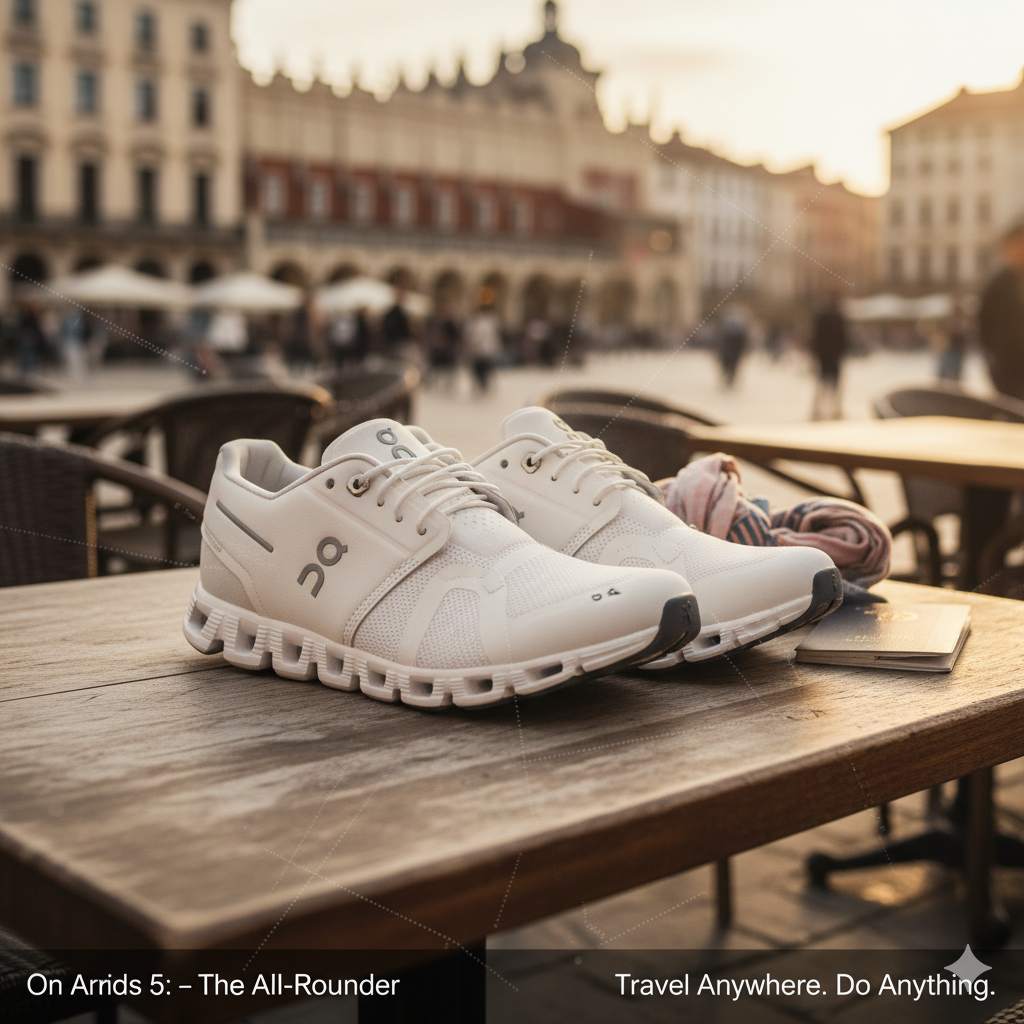
Comfort is a deceptive metric. When you first slide your foot into a new pair of sneakers, that initial “marshmallow” sensation feels like a victory. But for those navigating the structural nuances of high arches or the fatigue of flat feet, that softness can be a trap. True arch support isn’t about pillowy indulgence; it is about skeletal alignment and the mitigation of overpronation.
Navigating the expansive lineup of on cloud shoes requires more than a passing glance at aesthetics. While the Swiss-engineered brand is synonymous with its signature “hollow” pods, the underlying architecture varies wildly between models. Whether you are a student sprinting across a sprawling campus, a nurse surviving a double shift, or a traveler trekking through cobblestone corridors, the “CloudTec” experience isn’t a monolith. It is a spectrum of stability.
The Biomechanics of On Cloud Shoes
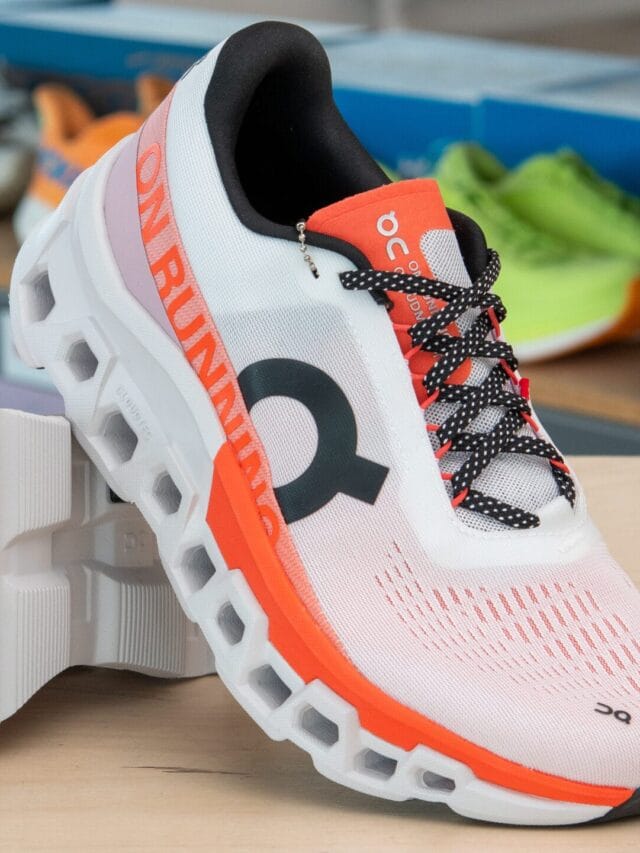
To understand why some people swear by the brand while others feel unsupported, we have to look at the Speedboard. This liquid-injected plate sits above the Cloud elements. It acts as a backbone. Without it, the shoes would be nothing more than a collection of rubber loops.
For the runner or the walker, the arch is the body’s natural shock absorber. When you land, your arch collapses slightly to dissipate force. On cloud shoes handle this through a unique marriage of vertical and horizontal cushioning. However, the level of arch-specific “lift” depends on the density of that Speedboard and the width of the midfoot platform. A narrow midfoot allows for more agility but offers less structural bracing for a collapsing arch. Conversely, a wider base provides a steady stage for those who need their footwear to do the heavy lifting.
The Myth of “One Size Fits All” Stability
Generic “stability shoes” often rely on a medial post—a hard chunk of foam on the inner edge of the shoe. It’s clunky. It feels like a brick. On has largely moved away from this aggressive intervention. Instead, they utilize “support by geometry.” By widening the clouds or deepening the central channel of the sole, they guide the foot into a neutral path without the bruising rigidity of traditional corrective footwear.
Tailoring the Tech: Who Are You?
The Relentless Student
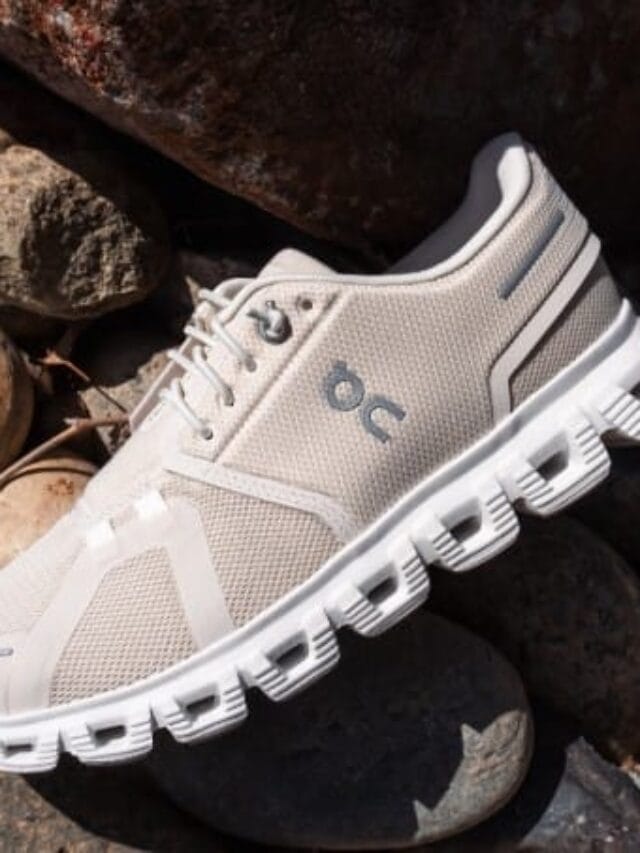
Campus life is a marathon disguised as a commute. You need a shoe that transitions from a lecture hall to a social outing without screaming “orthopedic.” The Cloud 5 is the quintessential choice here, but it leans toward a neutral profile. If your arches ache after a mile-long trek to the library, look toward the Cloudrunner. It offers a more structured cradle that prevents the foot from rolling inward during those long, weighted walks with a backpack.
The 12-Hour Shift: Nurses and Clinicians
Hospital floors are unforgiving. They are polished concrete masquerading as linoleum. For nurses, the arch support conversation is actually a conversation about spinal health. When your arches fail, your knees rotate, your hips tilt, and your lower back pays the price.
The Cloudmonster is often the dark horse here. While it looks aggressive due to the maximalist cushioning, the sheer volume of foam provides a massive surface area for the arch to rest upon. It’s not just about the “squish”; it’s about the fact that the foam fills the void under the midfoot more effectively than thinner, more “responsive” models.
The Global Traveler
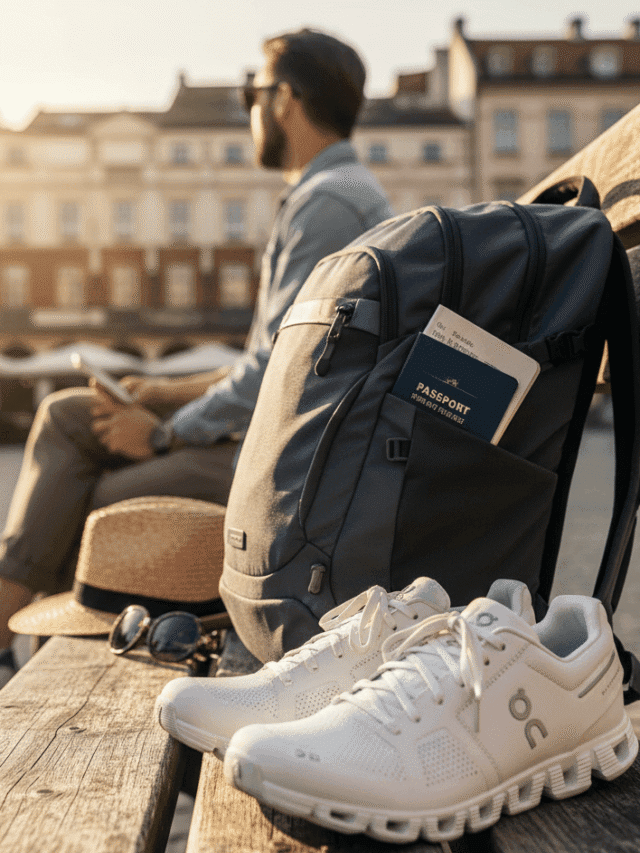
Travel involves “junk miles”—uneven pavement, sudden sprints to boarding gates, and hours of standing in security lines. You need a chameleon. The Cloudaway or the Cloud Nexus offers a blend of packability and support. However, beware of the ultra-lightweight variants if you have high arches. Lightness often comes at the cost of torsional rigidity. If you can twist the shoe like a pretzel, it won’t support your arch during a six-hour tour of the Louvre.
High Arches vs. Flat Feet: The Great Divide
The anatomy of your foot dictates your relationship with Swiss engineering.
For the Flat-Footed (Overpronators):
You require a wider base. When the arch is absent, the foot tends to spill over the edge of the shoe. The Cloudflyer is the gold standard for this demographic. It features a larger surface area and a more robust “stability” configuration of the Cloud elements. It catches the foot as it rolls inward, providing a gentle correction that feels organic rather than forced.
For the High-Arched (Supinators):
Your feet are rigid. They don’t absorb shock well. You don’t need “support” in the sense of a hard wall under your arch; you need “fill” and massive impact protection. The Cloudsurfer, with its computer-optimized CloudTec Phase technology, provides a rolling transition that compensates for the lack of natural flexibility in a high-arched foot. It turns a jarring strike into a fluid motion.
Why Lacing Matters More Than You Think
We often blame the shoe when the culprit is the tension. On shoes frequently come with “speed lacing”—those elastic loops you don’t have to tie. They are convenient. They are also the enemy of arch support.
Elastic laces don’t allow for “zone lacing.” If you have a high instep, you need the ability to loosen the middle of the shoe while keeping the top secure. Swap the elastics for the traditional laces included in the box. Use a “runner’s loop” to lock your heel in place. When the heel is locked, the arch stays aligned with the shoe’s internal contours. If your foot slides forward, the arch support hits your heel instead of your midfoot. It’s a simple fix that changes the entire geometry of the fit.
Assessing Longevity: When Support Fails
Foam has a memory, and eventually, it forgets to bounce back. For a student or a traveler, a pair of on cloud shoes might last a year. For a high-mileage runner or a nurse on their feet 40 hours a week, the “support life” is closer to six months.
How do you know when the arch support is gone?
The Tilt Test: Place your shoes on a flat table. Look at them from behind. Do they lean inward?
The Crease Pattern: Look at the side of the sole. Deep, permanent wrinkles in the foam indicate that the structural integrity has collapsed.
The Morning Ache: If you wake up with soreness in the plantar fascia that disappears after a few steps, your shoes are likely “dead.” The foam is no longer rebounding, leaving your ligaments to do all the work.
Summary of Key Takeaways
Finding the right fit is a journey of elimination. You must prioritize your specific foot shape over the latest colorway or trend.
Flat Feet: Prioritize the Cloudflyer for its widened stability plate and denser pods.
High Arches: Seek the Cloudsurfer or Cloudmonster to provide the necessary “fill” and impact dampening.
Versatility: The Cloudrunner serves as the best “middle ground” for students and professionals who need support without extreme weight.
Lacing: Ditch the elastics for traditional laces to customize the pressure across your instep.
Replacement: Monitor the foam for compression lines; support is temporary, but the damage from worn-out shoes can be long-lasting.
Choosing the right footwear is an investment in your musculoskeletal longevity. Don’t let a stylish silhouette distract you from the mechanical needs of your gait. Take the time to measure your arch height, test the torsional rigidity of the sole, and ensure that your heel is locked firmly in place. Your feet—and your lower back—will thank you.
