

Why Your Shoes Could Be the Root Cause of Your Back Pain
If you’re looking for the best walking shoes for back pain, here are the top picks to know right now:
| Shoe | Best For | Price |
|---|---|---|
| Brooks Ghost Max 3 | Shock absorption + ankle stability | $160 |
| Hoka Bondi 9 | Maximum cushioning, all-day wear | $175 |
| New Balance Fresh Foam X More v6 | Wide feet, plush support | $165 |
| Skechers GO WALK Arch Fit 2.0 | Easy on/off, podiatrist-designed arch | ~$100 |
| Orthofeet Coral / Edgewater | Anatomical arch support, slip-on ease | Varies |
Back pain is incredibly common — roughly 80% of adults will experience it at some point. Most people blame their desk, their mattress, or how they slept. But here’s what gets overlooked: your shoes.
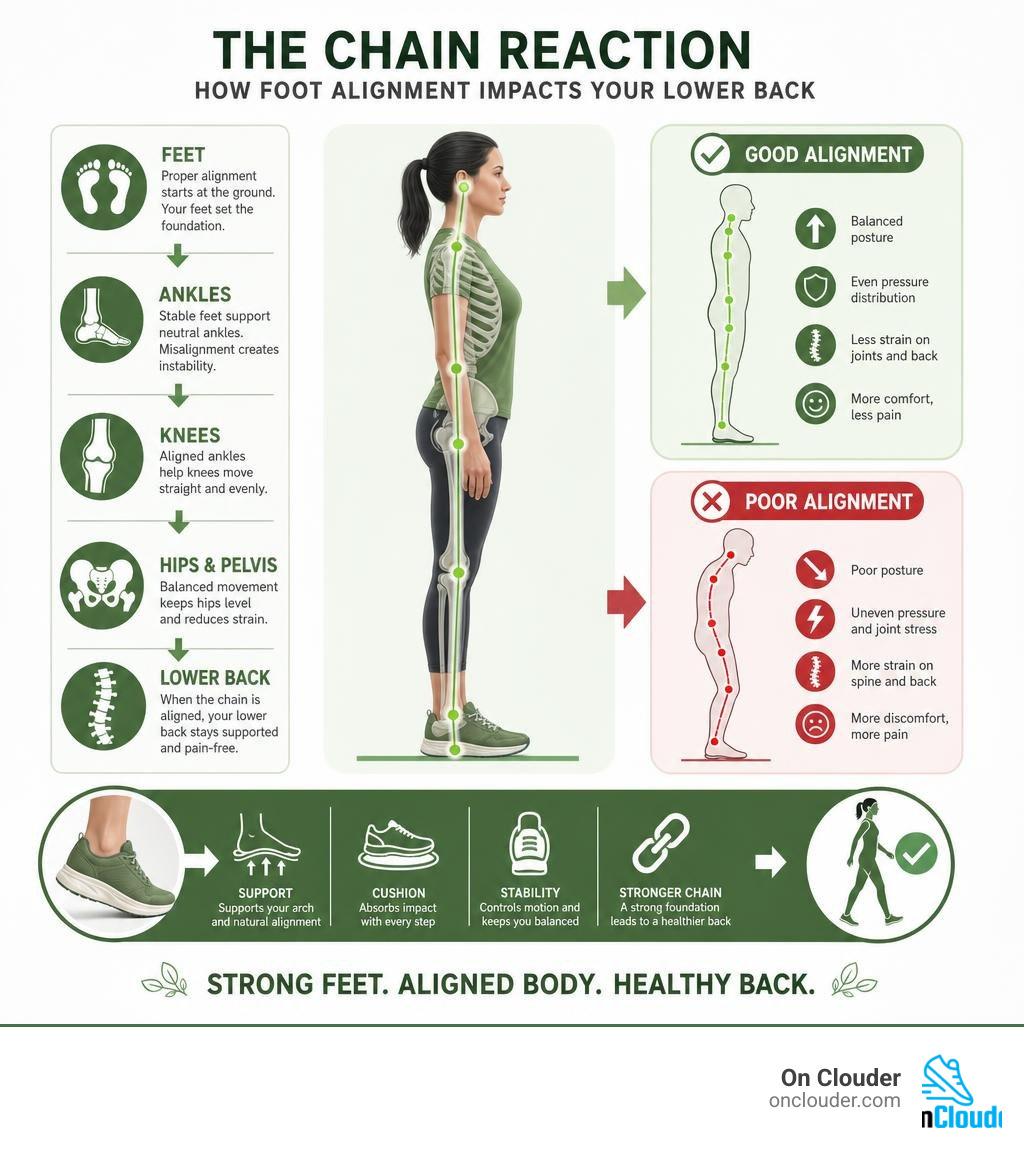
Every step you take sends force upward through your feet, ankles, knees, hips, and into your lower spine. When your footwear lacks proper cushioning, arch support, or stability, that chain reaction goes wrong — and your back pays the price.
The fix often starts from the ground up.
I’m Faisal S. Chughtai, a footwear expert with a career dedicated to helping people find the right shoes for comfort, performance, and pain relief — including helping readers identify the best walking shoes for back pain across dozens of tested models. In the sections ahead, I’ll walk you through exactly what to look for and which shoes are worth your money.
Biomechanical Features of the Best Walking Shoes for Back Pain
When we walk, our feet act as the natural shock absorbers of our body. If our footwear fails to dissipate the impact forces of walking on hard surfaces, those forces travel straight up the skeletal highway. To prevent this, we need to look at specific biomechanical features when shopping for the best walking shoes for back pain.
First, let’s talk about shoe dimensions. For optimal stability, we recommend shoes featuring a wide platform—ideally a heel width of 90 to 100 mm and a forefoot width of 112 to 120 mm. This wide base of support helps distribute your body weight evenly and keeps your ankles from rolling inward or outward, which can throw off your pelvic alignment.
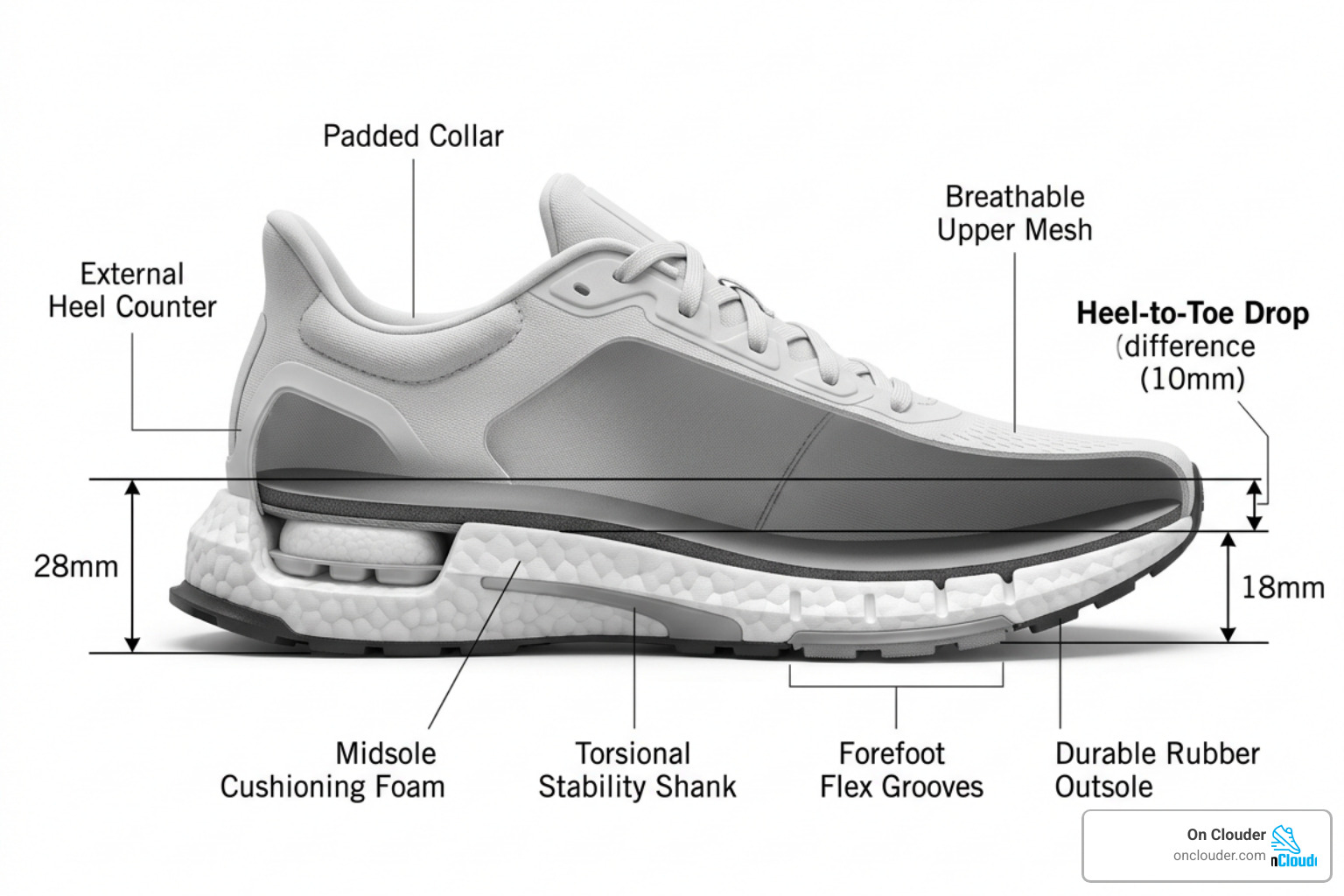
Another critical metric is torsional rigidity. This refers to how much a shoe resists twisting. For all-day use and back pain prevention, we look for a torsional rigidity score of at least 3 out of 5. If a shoe twists too easily like a wet towel, it won’t provide the structural support your foot arches need to keep your gait aligned.
Additionally, we look for a shock absorption (SA) reading of 110 or higher in the heel. This level of impact protection is vital for maintaining comfort during extended periods of walking and standing. To understand more about how these components work together to protect your spine, check out The Definitive Guide to Best Shoes for Back Pain.
To find the right balance, we must also pay attention to Podiatrist-recommended shoe features, which emphasize that a shoe should never pinch or squeeze your feet, and should actively promote healthy foot function.
Why Cushioning and Stability Matter in the Best Walking Shoes for Back Pain
Cushioning and stability are the dynamic duo of spinal preservation. High-quality walking shoes utilize advanced midsole technologies, such as nitrogen-infused foams or dual-density midsoles, to absorb shock. In fact, properly cushioned shoes can absorb up to 37% more shock than traditional, unsupportive footwear, significantly reducing the jarring impact transmitted to your lumbar spine.
However, cushioning alone isn’t enough. If a shoe is too soft, your foot will sink into it, causing instability. This instability forces the muscles in your lower back to work overtime just to keep you upright, resulting in fatigue and soreness. This is why we need built-in stability elements—such as GuideRails or extended diagonal rollbars—to correct overpronation (when your feet roll inward). By controlling pronation, these features keep your knees, hips, and lower back in proper functional alignment. If you spend long hours on your feet, refer to our Best Shoes All Day Standing Guide to find options that balance plush cushioning with robust stability.
How to Choose the Best Walking Shoes for Back Pain Based on Your Foot Type
Your arch structure plays a major role in how force travels up your legs.
- Flat Feet / Overpronation: If you have flat feet, your arches collapse inward when you step, dragging your knees and pelvis out of alignment. You need a structured stability shoe with built-in arch support to prevent this inward roll.
- High Arches / Supination: If you have high arches, your feet are naturally rigid and don’t absorb shock well. You require highly cushioned, neutral shoes that can disperse impact forces before they reach your spine.
For a deeper dive into finding the perfect match for your specific arch type, explore The Ultimate Guide to Best Shoes with Arch Support. If you have flat feet and need targeted solutions to correct your gait, we highly recommend reading The Ultimate Guide to Arch Pads for Flat Feet and Pronation to learn how simple inserts can make a massive difference.
The Role of Rocker-Bottom Soles and Heel Drop
The heel-to-toe drop is the difference in height between the heel and the forefoot of the shoe. For individuals dealing with lower back pain, a heel-to-toe drop of approximately 8 millimeters is typically recommended. This moderate slope helps offload tension from a tight posterior chain (your calves, hamstrings, and glutes), which is a common contributor to lower back strain.
Rocker-bottom or rockered shoes feature a curved sole that encourages a smooth heel-to-toe transition. Instead of your foot flexing at the toes and putting pressure on your joints, the shoe gently rolls you forward. This motion minimizes the work your foot has to do, which in turn reduces the micro-movements and compressive forces acting on your lower spine. This gentle roll is particularly helpful for those seeking Best Shoes for Back Pain and Spinal Stenosis in 2026, as it minimizes the need to extension-stress the lumbar spine during your stride.
Top Podiatrist-Recommended Walking Shoes for Back Pain Relief
To help you find the right fit, we have compiled the standout options for 2026. For a broader look at the year’s top models, you can also consult The Ultimate 2026 Walking Shoe Guide.
Brooks Ghost Max 3
- Price: $160
- Heel-to-Toe Drop: 6 mm
- Key Feature: GlideRoll Rocker & High Ankle Stability
The Brooks Ghost Max 3 is a masterclass in protective walking footwear. It features a thick stack of DNA LOFT v2 cushioning that delivers a high shock absorption rating, protecting your lower back from hard concrete. What makes it unique is the GlideRoll Rocker technology, which assists your foot through its natural gait cycle, reducing the energy required from your lower body and stabilizing your ankle. This dual focus on shock absorption and ankle stability makes it a top choice for preventing lower back fatigue.
Hoka Bondi 9
- Price: $175
- Heel-to-Toe Drop: 5 mm
- Key Feature: Maximal Cushioning & Marshmallow-Like Ride
For those who want the absolute maximum amount of shock absorption, the Hoka Bondi 9 is the gold standard. It features a massive EVA foam midsole designed to soak up impact before it ever reaches your skeletal system. Despite its thick appearance, it is surprisingly lightweight and features a moderate heel drop that keeps your foot in a natural position. It is an excellent option for those who plan to walk long distances on unforgiving surfaces. Learn more about how this model stacks up for high-mileage days in The Best Shoes for Long Distance Walks That Actually Last.
New Balance Fresh Foam X More v6
- Price: $165
- Heel-to-Toe Drop: 4 mm
- Key Feature: Ultra-Wide Platform & Plush Foam
The New Balance Fresh Foam X More v6 is perfect for walkers who need a roomy fit combined with plush cushioning. Its Fresh Foam X midsole is incredibly soft, yet the shoe maintains stability thanks to its exceptionally wide sole. This wide base prevents lateral wobbling, ensuring your pelvis remains level and stable with every step you take.
Skechers Slip-ins: GO WALK Arch Fit 2.0
- Price: ~$100
- Heel-to-Toe Drop: ~8 mm (1 3/4-inch heel height)
- Key Feature: Hands-Free Slip-In & Podiatrist-Certified Arch Support
If bending down to tie your shoes is a painful chore for your back, the Skechers Slip-ins: GO WALK Arch Fit 2.0 is a game-changer. Featuring a hands-free design and a supportive Heel Pillow, you can step right into them without bending over. It features a podiatrist-designed arch support system developed with over 20 years of data and 120,000 foot scans, earning it the APMA Seal of Acceptance. For those looking for maximum cushioning in a similar slip-on package, the Skechers Slip-ins: GO WALK Max Cushioning Arch Fit – Jesper is another stellar choice.
Orthofeet Coral / Edgewater
- Price: Varies
- Key Feature: Anatomical Arch Support & Ergonomic Soles
Orthofeet is renowned for creating therapeutic footwear designed specifically to combat joint and back discomfort. The Orthofeet Back Pain Shoes collection features premium orthotic insoles with anatomical arch support and a cushioning sole that eases impact. Their roomy, non-binding design is perfect for those who require extra space or use custom inserts.
If you are looking for casual comfort around the house, you might also consider the Women’s Canvas Arch Support Slippers – WalkHero or the Women’s Canvas Orthopedic Casual Shoes With Arch Support – WalkHero for easy, supportive slip-on wear. For a sporty, active aesthetic, the Pace Walk Women’s Black Athleisure Shoes | Clarks features innovative energy-rebounding capsules to keep you moving forward comfortably.
Addressing Specific Spinal Conditions with Footwear
Different back conditions respond differently to footwear designs. Understanding your specific diagnosis can help you select the ideal shoe features.
Footwear for Spinal Stenosis and Sciatica
Spinal stenosis involves a narrowing of the spaces within your spine, which can put pressure on your spinal cord and nerves. People with stenosis often find relief when leaning slightly forward, as this posture opens up the spinal canal. For these individuals, a shoe with a slight heel elevation (such as a 10mm to 12mm drop) can be highly beneficial because it encourages a subtle forward pelvic tilt.
Conversely, if you suffer from sciatica, you want to avoid extremely rigid soles that cause a harsh heel strike, as this jarring force can irritate the sciatic nerve. A balanced, rockered shoe that absorbs heel impact is crucial here. For clinical insights on managing these conditions, read the guide on Best Shoes for Back Pain and Spinal Stenosis in 2026.
Footwear for SI Joint Pain and Herniated Discs
Sacroiliac (SI) joint pain and herniated discs require maximum shock absorption and high torsional rigidity. A herniated disc has a reduced ability to cushion your vertebrae, meaning your shoes must perform that shock-absorbing duty instead.
For SI joint pain, lateral stability is paramount. A shoe with a wide heel base (90-100 mm) prevents pelvic shearing forces during your stride. Adding a supportive insole can also help stabilize your foundation; find the right pair by reading The Best Arch Support Insoles for Total Foot Relief.
Shoes vs. Custom Orthotics: Can Footwear Alone Fix Back Pain?
While finding the best walking shoes for back pain is a massive step forward, we must ask: is a good shoe enough?
The answer depends on your structural alignment. A supportive shoe provides a generalized, high-quality foundation. It cushions impact, guides your foot strike, and offers stability. However, if you have a significant leg length discrepancy, severe overpronation, or structural misalignment, a standard shoe cannot fully correct these issues.
This is where custom orthotics come in. Custom orthotics are molded specifically to your feet based on a professional gait analysis. They provide targeted correction to realign your unique skeletal structure. For many, the ultimate solution is combining a supportive, high-quality shoe with a custom insert or high-end over-the-counter insoles. To explore supportive insert options, check out Step Up Your Game with the Best Arch Support Inserts.
Frequently Asked Questions About Walking Shoes and Back Pain
What types of shoes should be avoided if you have back pain?
You should avoid flat, unsupportive shoes like cheap flip-flops, ballet flats, and thin canvas sneakers, as they offer virtually zero shock absorption and arch support. High heels (especially those over 2 inches) should also be avoided because they push your center of gravity forward, forcing your lower back into an exaggerated arch (lumbar lordosis) that compresses your spinal discs. Worn-out shoes that have lost their cushioning must be retired immediately. For a detailed breakdown of bad footwear habits, read Can Wearing The Right Shoes Help Lower Back Pain?.
How can you tell if your current shoes are contributing to your back pain?
You can perform two simple at-home tests:
- The Twist Test: Hold the shoe at the heel and toe, then try to twist it. If it twists effortlessly like a wet towel, it lacks the torsional rigidity required to support your feet and back.
- The Bend Test: Try to fold the shoe in half. It should only bend at the forefoot (where your toes naturally bend). If it folds in half at the arch, it is not providing proper midfoot support. Additionally, look at the outsoles. Uneven wear patterns (like heavy wear only on the inside or outside edges) indicate that your shoes are allowing your feet to roll, which throws your spine out of alignment.
Are soft or firm shoes better for lower back pain?
A balance of both is best. Extremely soft, marshmallow-like shoes can feel great initially, but they lack the lateral stability your muscles need, which can actually increase lower back strain over long walks. On the other hand, extremely rigid shoes fail to absorb shock. Look for a shoe that offers plush shock absorption in the heel but transitions into a stable, supportive midfoot and active rocker.
Conclusion
Your feet are the foundation of your entire body. When they lack proper support, every step you take on hard ground sends a jarring shockwave up to your lower back. By investing in the best walking shoes for back pain—options that offer a minimum of 3/5 torsional rigidity, a wide base, and excellent shock absorption—you can protect your spine and walk comfortably again.
If you often find yourself walking on hard, unforgiving city streets, we invite you to read our deep-dive guide: The Ultimate Guide to Best Walking Shoes for Long Distance on Concrete. Your back will thank you!
