

Why Cloud Shoes Matter Today
Footwear has always been more than just a protective layer for our feet; it’s a blend of fashion, function, and technology. In recent years, cloud shoes have surged onto the market, promising an unprecedented level of comfort through ultra‑light cushioning. From casual walkers to busy professionals, people are gravitating toward these sneakers because they reduce fatigue, improve posture, and look sleek enough for everyday wear. This article breaks down the science behind ultra‑light cushioning, explores how cloud shoes are designed, examines their impact on health and style, and offers practical advice for choosing the right pair.
What Are Cloud Shoes? – Defining the Ultra‑Light Cushioning Concept
Cloud Shoes and Ultra‑Light Cushioning: Core Definition
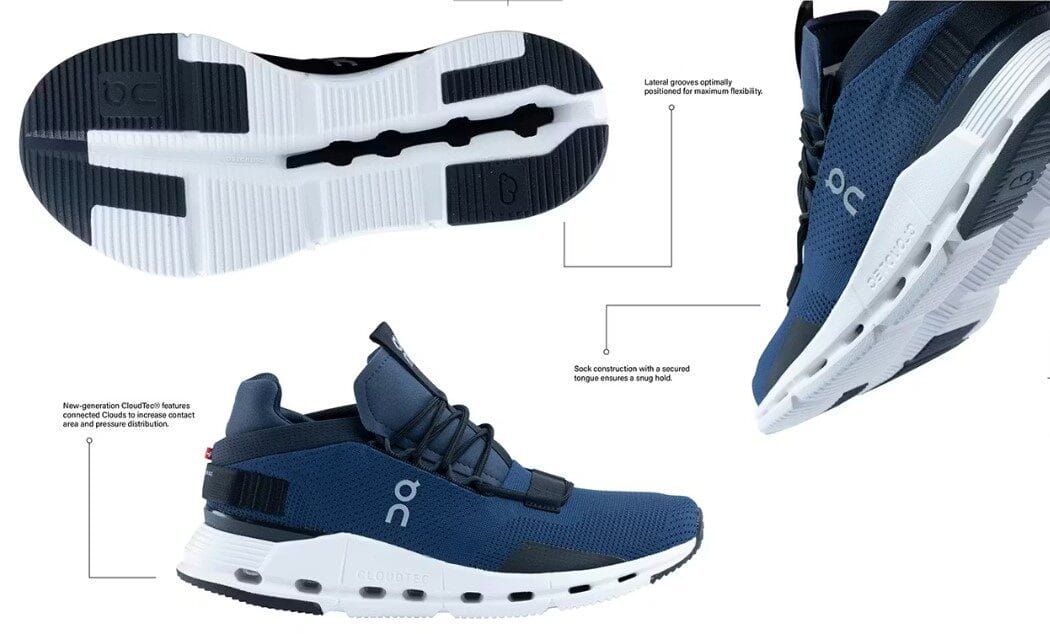
At its core, a cloud shoe is a sneaker that incorporates a series of air‑filled pods, foam “clouds,” or proprietary gel chambers distributed across the midsole. These elements create a ultra‑light cushioning system that absorbs impact while keeping the shoe’s overall weight under 200 grams per shoe—a stark contrast to traditional running shoes that often exceed 300 grams.
Key Technologies Behind Ultra‑Light Cushioning
| Technology | How It Works | Typical Materials |
|---|---|---|
| Air‑Pod Mesh | Small, interconnected air cells inflate under pressure, dispersing force evenly. | TPU (thermoplastic polyurethane) membranes |
| EVA Foam Clouds | Expanded‑Vinyl‑Acetate (EVA) is molded into stacked “cloud” shapes that compress and rebound quickly. | EVA, sometimes blended with rubber |
| Gel‑Infused Pods | Silicone‑based gels fill cavities, providing a soft yet responsive feel. | Silicone gel, polymer blends |
| Hybrid Systems | Combines air pods with foam layers for a balanced feel. | Mix of TPU, EVA, and rubber |
These technologies share a common goal: maximise shock absorption while minimising mass, delivering the hallmark ultra‑light cushioning experience.
The Science of Ultra‑Light Cushioning – How It Reduces Impact
Biomechanics of Footstrike
When your foot contacts the ground, forces can reach up to three times your body weight. Traditional midsoles rely on dense foam to absorb this energy, which can lead to heat buildup and reduced responsiveness. Ultra‑light cushioning in cloud shoes distributes the load across multiple micro‑cushion units, allowing each unit to deform slightly rather than one large block compressing fully.
Energy Return and Efficiency
Because each cushion element rebounds quickly, cloud shoes often achieve a higher energy return rate (typically 30–45 %). This means less energy is lost as heat, and more is fed back into the next stride, reducing perceived effort during walking or light jogging.
Pressure Mapping Benefits
Studies using pressure‑mapping insoles show that cloud shoes lower peak plantar pressures by up to 20 % compared to conventional trainers. Lower pressure translates to fewer hot spots, reduced risk of blisters, and better overall foot health—especially for people who stand for long periods.
Design Elements That Make Cloud Shoes Stand Out
Upper Construction
Most cloud shoes feature breathable knit or engineered mesh uppers that conform to the foot’s shape without adding bulk. Some brands incorporate stretch panels around the toe box for added flexibility, ensuring the ultra‑light cushioning isn’t compromised by a restrictive upper.
Outsole Grip
Even though the focus is on cushioning, traction remains essential. Designers typically pair the cushioned midsole with a thin, rubberized outsole featuring directional tread patterns. This combination provides slip resistance while preserving the shoe’s lightweight profile.
Aesthetic Appeal
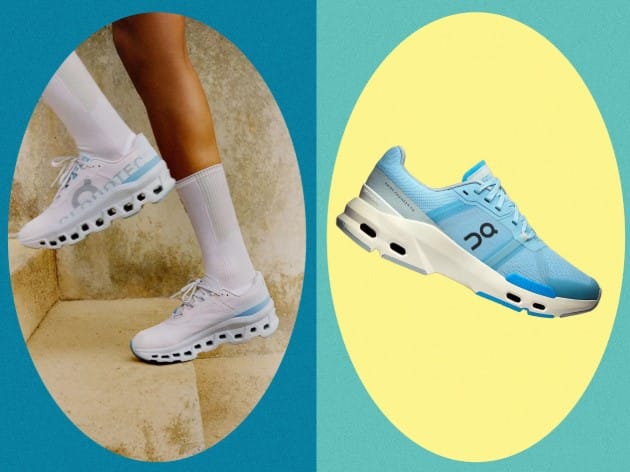
Cloud shoes often adopt minimalist silhouettes, neutral colour palettes, and subtle branding. The clean look aligns with modern lifestyle aesthetics, making them suitable for both gym sessions and casual office environments.
Health Benefits of Wearing Cloud Shoes Daily
Reduced Joint Stress
By attenuating impact forces, ultra‑light cushioning eases stress on knees, hips, and lower back. Users report decreased soreness after long days of standing or walking.
Improved Posture
The even distribution of pressure encourages a more natural gait, which can correct subtle postural imbalances over time.
Enhanced Circulation
Because the foot isn’t confined by heavy, rigid midsoles, blood flow remains unobstructed, helping prevent swelling in the ankles and feet.
Lower Fatigue Levels
Energy return from the cushioning reduces the metabolic cost of each step, meaning you expend less energy to cover the same distance.
Who Should Consider Cloud Shoes?
| User Profile | Why Cloud Shoes Fit | Recommended Features |
|---|---|---|
| Office Workers | Long hours on hard floors; need comfort without sacrificing style. | Breathable upper, sleek design, moderate cushioning. |
| Casual Walkers | Frequent short walks; desire lightweight shoes. | High energy return, flexible sole. |
| Travelers | Need compact, lightweight footwear for packing. | Foldable or compressible design, durable outsole. |
| Light Runners | Short, low‑intensity runs; prefer cushioning over speed. | Balanced cushioning, moderate arch support. |
| People with Plantar Sensitivity | Require pressure redistribution. | Extra‑wide toe box, softer cloud pods. |
If you fall into any of these categories, cloud shoes can be a worthwhile addition to your wardrobe.
Choosing the Right Pair – Practical Buying Tips
1. Evaluate Cushion Density
Not all ultra‑light cushioning feels the same. Softer clouds give a plush feel, while firmer pods deliver a sportier bounce. Try both in‑store or read user reviews to gauge personal preference.
2. Check Weight Specifications
Look for manufacturers’ weight listings (usually in grams). Aim for under 200 g per shoe for true ultra‑light performance.
3. Consider Arch Support
While many cloud shoes have neutral midsoles, some include built‑in arch plates. Choose according to your foot type (neutral, low, or high arches).
4. Verify Durability
Lightweight materials can be prone to wear. Examine outsole thickness and read durability tests—especially if you plan to use them on rough surfaces.
5. Size and Fit
Because the upper is often stretchy, size up if you have a wide foot or need extra room for orthotics.
6. Sustainability
Some brands use recycled TPU or bio‑based foams for their cloud pods. If eco‑friendliness matters, prioritize those options.
Top Cloud Shoe Models in 2024 – A Quick Overview
| Brand & Model | Ultra‑Light Cushioning Tech | Approx. Weight (g) | Price (USD) | Notable Feature |
|---|---|---|---|---|
| Nimbus Air Cloud | Air‑pod mesh with TPU membrane | 185 | $129 | Fully recyclable upper |
| VeloFlex CloudRunner | Hybrid EVA‑gel pods | 190 | $149 | Adaptive arch support |
| AeroLite CloudStep | Pure EVA cloud stack | 175 | $119 | Seamless knit upper |
| StrideCloud Pro | Dual‑layer air‑foam system | 198 | $159 | Water‑resistant coating |
| EcoCloud Minimal | Bio‑based foam clouds | 180 | $139 | 30 % post‑consumer recycled content |
These models illustrate the range of designs and price points available, giving you a solid starting point for your purchase decision.
Maintaining Your Cloud Shoes – Extending Their Life
- Gentle Cleaning – Hand wash with mild soap and lukewarm water; avoid machine cycles that could damage the delicate air pods.
- Air Dry – Never place cloud shoes in direct sunlight or a dryer; let them dry naturally to preserve the integrity of the cushioning.
- Rotate Pairs – Alternate between two pairs of shoes to allow the cushioning to recover fully between uses.
- Store Properly – Keep them in a breathable shoe bag, avoiding compression that could deform the cloud pods.
Following these steps helps retain the ultra‑light cushioning performance for months, if not years.
Potential Drawbacks – What to Watch Out For
| Issue | Explanation |
|---|---|
| Limited Support for Heavy Activities | Cloud shoes excel in light‑to‑moderate use; they may lack the stability needed for intense sports or heavy lifting. |
| Durability Concerns | Ultra‑light materials can wear faster on abrasive surfaces; replace them sooner if used on rough terrain. |
| Fit Variability | Stretchy uppers may feel loose for narrow feet; consider sizing up or trying a model with a tighter knit. |
| Higher Cost Than Basic Sneakers | Advanced cushioning tech adds to the price tag; weigh benefits against budget. |
Being aware of these trade‑offs ensures you select a shoe that truly matches your lifestyle.
Future Trends – Where Cloud Shoes Are Heading
1. Smart Cushioning
Integrating pressure sensors within cloud pods could provide real‑time gait analysis via a companion app, allowing users to adjust cushioning settings on the fly.
2. Adaptive Materials
Research into shape‑memory polymers promises cushions that stiffen under high loads and soften during regular walking, offering dynamic support.
3. Sustainable Production
More brands are exploring algae‑based foams and recycled ocean plastics for cloud pods, aligning ultra‑light performance with environmental responsibility.
4. Customizable Aesthetics
Modular cloud pod covers that snap on/off will let wearers personalize colour and texture without compromising cushioning.
These innovations suggest that cloud shoes will continue to evolve beyond mere comfort, becoming smarter, greener, and more personalized.
Conclusion – Embracing Ultra‑Light Cushioning in Everyday Footwear
Cloud shoes represent a pivotal shift in sneaker design, marrying ultra‑light cushioning with sleek aesthetics and functional versatility. By dispersing impact across numerous micro‑cushion units, they protect joints, enhance energy efficiency, and keep feet comfortable throughout the day. Whether you’re an office professional, a casual walker, or a frequent traveler, the right pair can transform how you experience movement.
When selecting cloud shoes, pay attention to cushioning density, weight, arch support, durability, and sustainability. Proper care will extend their lifespan, ensuring you reap the benefits of this cutting‑edge technology for years to come.
As the industry pushes toward smart materials, integrated analytics, and greener production, the future of cloud shoes looks bright—and remarkably light.
