
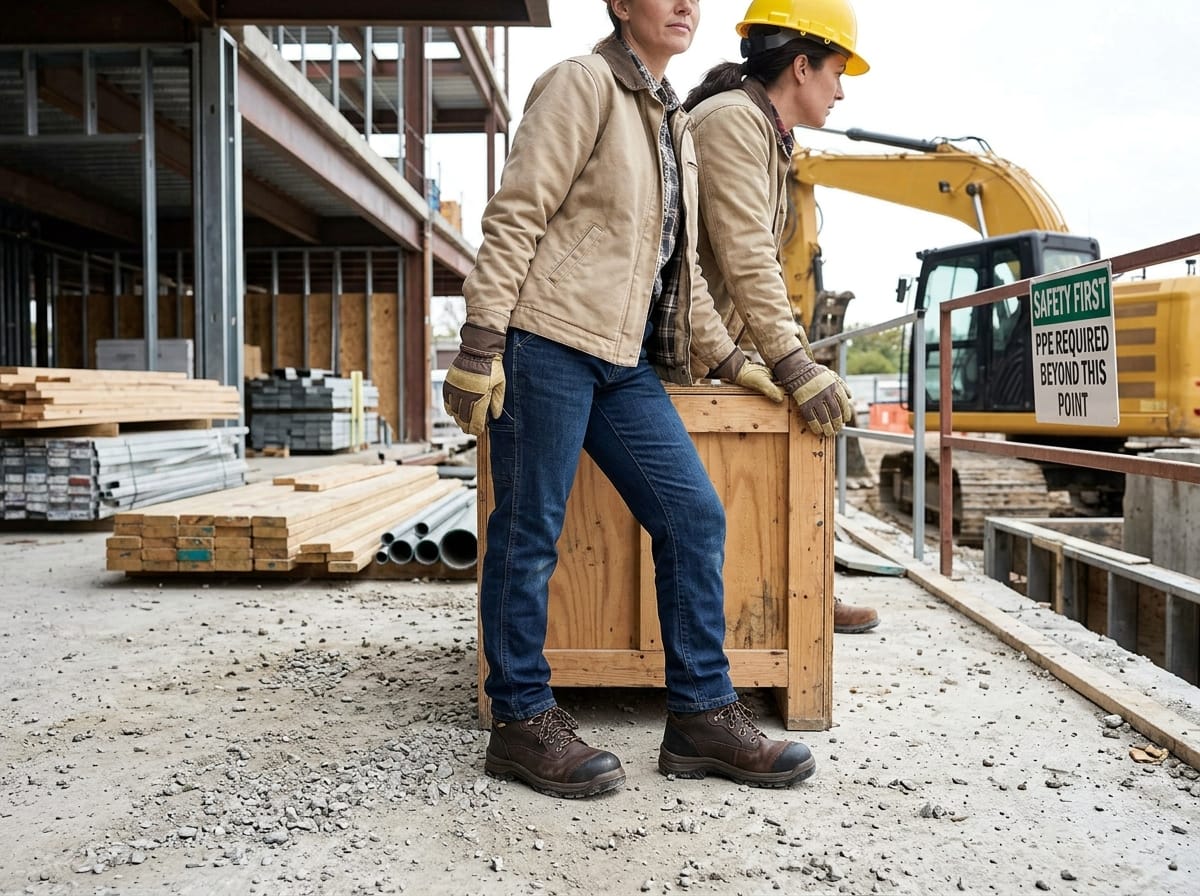
Why Women’s Steel Toe Shoes Are a Workplace Game-Changer
Women’s steel toe shoes are purpose-built safety footwear designed to protect your feet from impact, compression, and workplace hazards — without sacrificing comfort or fit.
Here’s a quick snapshot of what you need to know:
| What to Look For | Why It Matters |
|---|---|
| ASTM F2413 certification | Confirms impact and compression protection meets safety standards |
| Women’s-specific last | Designed for a woman’s foot shape — better fit, less fatigue |
| Slip-resistant outsole | Reduces fall risk on wet or oily surfaces |
| EH (Electrical Hazard) rating | Protects against open electrical circuits |
| Steel, composite, or alloy toe | Each offers different levels of protection and weight |
Whether you work in construction, warehousing, food service, or manufacturing, the right pair of steel toe shoes can be the difference between a safe shift and a serious injury.
But here’s the problem most women face: traditional work boots were designed for men. They’re often too wide in the heel, too narrow in the forefoot, or simply too heavy for long shifts on your feet. The good news is that has changed significantly — brands now build shoes specifically around a woman’s foot shape, blending real protection with all-day comfort.
One reviewer of a popular steel toe boot put it plainly: she wore her pair for 70 hours a week for three years through oil, water, and flour — and the steel toe never dented, even when heavy equipment dropped on it. That’s the kind of reliability these shoes are built for.
I’m Faisal S. Chughtai, a footwear comfort specialist with years of experience helping professionals find the right women’s steel toe shoes for demanding work environments. Let me walk you through everything you need to make the best choice.
Essential Safety Standards for Women’s Steel Toe Shoes
When we talk about safety footwear, “steel toe” is often used as a catch-all term, but the real magic is in the certifications. You aren’t just looking for a hard cap; you’re looking for a guarantee that the shoe won’t fail when a heavy pallet or a piece of machinery lands on your foot.
The gold standard in the United States is the ASTM F2413-18 (or the updated F2413-24). This certification ensures the shoe has been tested for impact resistance (falling objects) and compression resistance (rolling objects). If your workplace is OSHA-compliant, they will require shoes that meet these specific ASTM standards. For example, Reebok Women’s Work Safety Shoes are specifically engineered to meet or exceed these requirements, ensuring you aren’t just wearing a heavy shoe, but a piece of certified safety equipment.

Understanding EH and SD Ratings
Beyond the toe cap, your environment dictates what other “letters” you need on that safety tag:
- EH (Electrical Hazard): These shoes are designed with non-conductive, electrical shock-resistant soles and heels. They provide a secondary source of protection against accidental contact with live electrical circuits.
- SD (Static Dissipative): Unlike EH shoes, SD footwear is designed to safely conduct static electricity through the shoe and into the ground. This is vital if you work around sensitive electronics or in environments where a static spark could cause an explosion.
Choosing between these is critical. If you work in power generation, you want EH. If you’re assembling computer motherboards or working in a chemical plant, SD is likely your requirement.
Key Features to Prioritize in Women’s Safety Footwear
Safety is the baseline, but usability is what keeps you from throwing your boots in the trash after a week. We always tell our readers at On Clouder to look for a “triple threat” of features: slip resistance, waterproofing, and specialized protection.
Slip resistance is non-negotiable. Modern outsoles, like the CrossGrip or Gladiator patterns, are designed to channel liquids away from the bottom of the shoe, maintaining contact with the floor even in oily or wet conditions. If you work outdoors or in wash-down areas, look for seam-sealed construction. The Women’s Direct Attach 6″ Steel Toe is a classic example of this; it uses waterproof leather and a direct-attach method that fuses the sole to the upper, creating an impenetrable barrier against the elements.
For those in heavy manufacturing, you might also need a metatarsal guard. While a steel toe protects your toes, a “metguard” protects the delicate bones on the top of your foot.
Advanced Comfort Technologies
We’ve moved past the era where “work boot” meant “stiff leather box.” Today’s women’s steel toe shoes borrow heavily from the athletic world. We see features like:
- MemoryTech Footbeds: These massage your feet as you walk, providing immediate relief for high-pressure areas.
- Sublite Foam Midsoles: This tech reduces the overall weight of the shoe significantly while providing high-rebound cushioning.
- Anti-Fatigue Technology: Many high-end boots now include geometric cones in the midsole that compress and return energy to the foot, which is a lifesaver during 12-hour shifts on concrete.
Comparing Toe Types: Steel vs. Composite vs. Alloy
This is the most common question we get: “Does it have to be steel?” Not necessarily. Here is how the different materials stack up in women’s steel toe shoes:
| Toe Type | Pros | Cons |
|---|---|---|
| Steel | Thinnest profile, highest impact protection, usually more affordable. | Conducts cold/heat, heavy, sets off metal detectors. |
| Alloy | 30-50% lighter than steel, very strong, low profile. | Still metallic (detectors), usually more expensive. |
| Composite | Non-metallic (security friendly), doesn’t conduct cold, lightweight. | Bulkier than steel to achieve the same safety rating. |
If you work in a cold-storage warehouse, a Nano Composite Toe is often the better choice because it won’t turn into an ice cube around your toes like steel does.
Performance in Specific Industries
- Construction: Requires high-traction outsoles and often 6-inch shafts for ankle stability.
- Warehousing: Prioritizes lightweight “sneaker-style” safety shoes for high step counts.
- Food Service: Needs extreme slip resistance and easy-to-clean uppers. The Women’s Antimatter Safety Toe is a favorite here because of its self-cleaning lug pattern that prevents food debris from getting stuck in the sole.
Finding the Perfect Fit and Style
The biggest mistake women make is buying a “unisex” shoe. A woman’s foot is typically narrower at the heel and has a different arch height than a man’s. You should always look for footwear built on a women’s-specific last (the 3D mold used to shape the shoe). This ensures the heel doesn’t slip, which is the primary cause of blisters in work boots.
How to Size Women’s Steel Toe Shoes for All-Day Comfort
When trying on women’s steel toe shoes, follow these expert tips:
- The Half-Inch Rule: You should have about half an inch of space between your toes and the steel cap. Unlike leather, the steel will never stretch. If it pinches now, it will pinch forever.
- The Afternoon Test: Your feet swell throughout the day. Always try on work shoes in the late afternoon while wearing the thickest socks you plan to use on the job.
- Heel Lock: Your heel should feel snug. If it lifts more than a fraction of an inch when you walk, you’ll end up with “heel rub” — a common complaint for models like the August Steel Toe Boot if not sized correctly.
Athletic vs. Boot Styles: Choosing Your Women’s Steel Toe Shoes
Do you need a tank or a sports car?
- Athletic Styles: Best for indoor environments, light manufacturing, and jobs where you move quickly. They offer better breathability and flexibility.
- Boot Styles: Essential for heavy construction, mud, or uneven terrain. The TruGuard Lite Safety Boot offers a middle ground — it’s built for heavy-duty trades but uses ultralight materials to keep the weight down to about 3.6 lbs per pair.
Maintenance and Care for Longevity
A good pair of women’s steel toe shoes is an investment. If you take care of them, they can last years.
- Cleaning: For leather, use warm water and a soft brush. Never use harsh detergents that can strip the natural oils.
- Conditioning: Use a leather cream or mink oil every few months to keep the leather supple and prevent cracking.
- Protection: A silicone-based waterproofing spray can add an extra layer of defense against stains and mud.
- Insoles: The factory insoles in even the best boots usually lose their “will to live” after about 6-8 months of heavy use. Replacing them with high-quality orthotics can make a three-year-old boot feel brand new. For more options, check out the All Products Care Guide.
Frequently Asked Questions about Women’s Safety Footwear
Do women’s steel toe shoes run true to size?
Generally, yes, especially if they are built on a women’s last. However, because the toe box is rigid, many women find that going up a half-size provides the necessary wiggle room to prevent toe-stubbing against the steel cap.
How do I know if my shoes are OSHA compliant?
Look for the ASTM F2413 stamp on the inside of the tongue. OSHA does not “approve” specific shoes, but they require that your employer ensures you wear footwear that meets these ASTM standards.
Can I replace the insoles in my safety shoes?
Absolutely. In fact, we recommend it. Most safety shoes feature removable PU (polyurethane) footbeds. Swapping these for specialized insoles can significantly improve comfort if you have high arches or flat feet.
Conclusion
Finding the right women’s steel toe shoes doesn’t have to be a chore. By prioritizing ASTM certifications, choosing the right toe material for your climate, and insisting on a women’s-specific fit, you can stay safe and comfortable even on the longest shifts. At On Clouder, we’ve seen the industry evolve from clunky, downsized men’s boots to sophisticated, athletic-inspired gear that actually fits.
If you’re interested in how far footwear technology has come, take a look at our deep dive into The Evolution of Modern Work Shoes to see how the latest innovations are changing the way we work. Stay safe out there!
