
Can You Wash Brooks Tennis Shoes? Here’s What You Need to Know
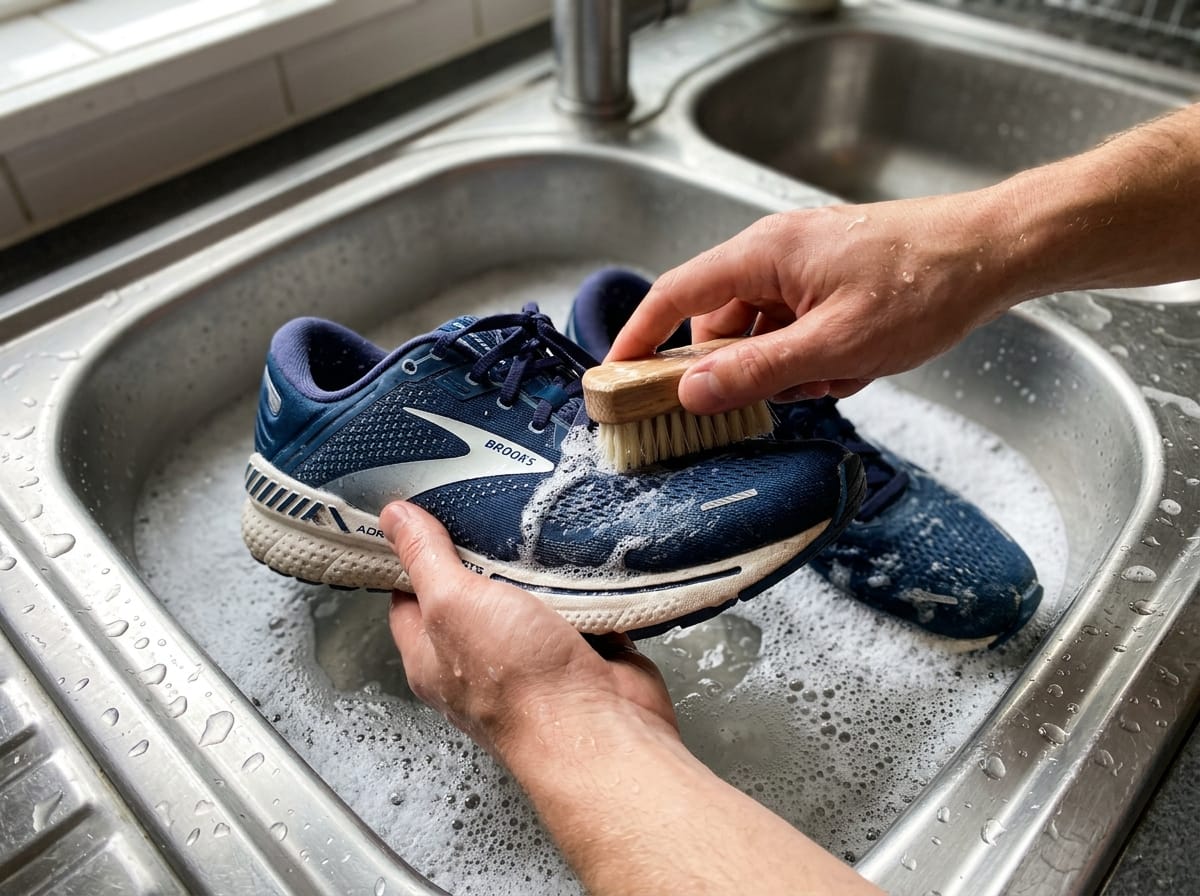
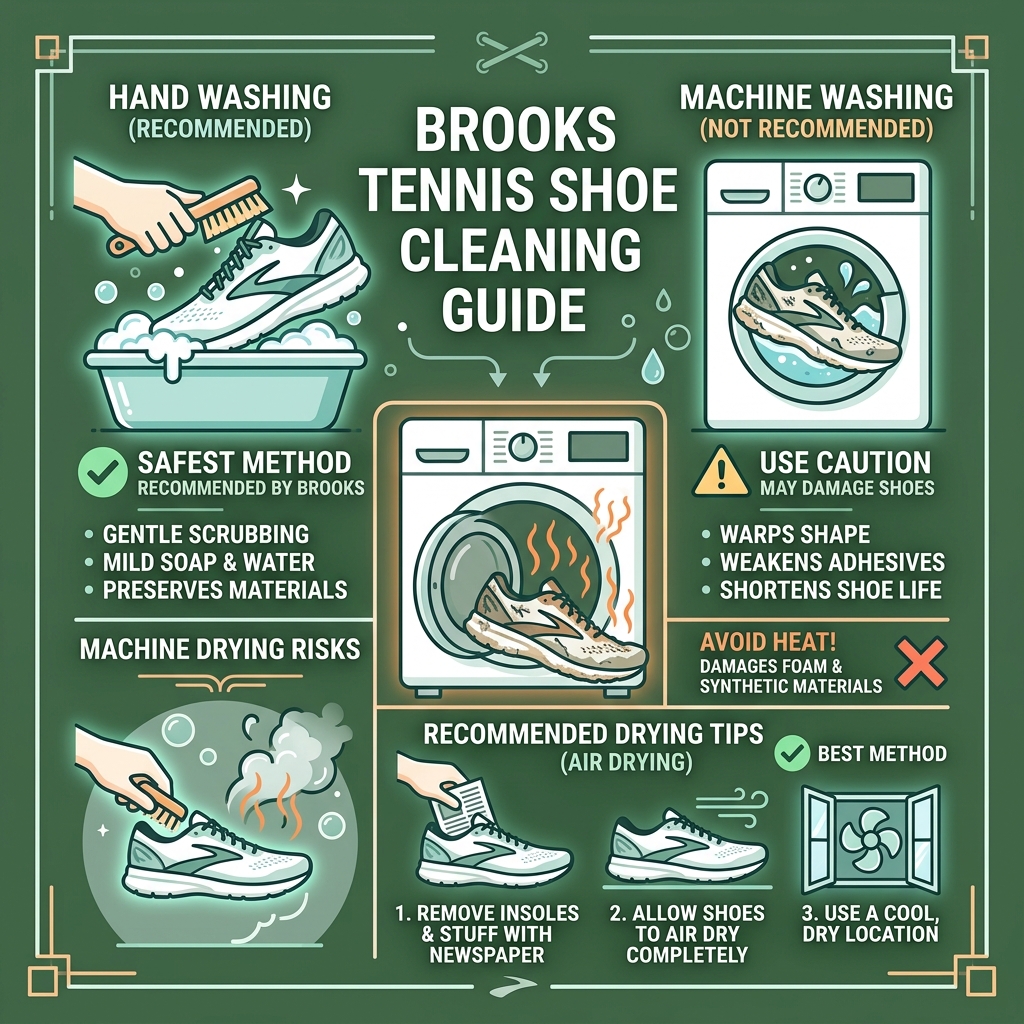
Can you wash Brooks tennis shoes? Yes — but how you do it matters a lot. The short answer is: hand washing is the safest method. Machine washing can damage the materials and shorten the life of your shoes.
Here’s a quick breakdown:
| Method | Safe? | Notes |
|---|---|---|
| Hand washing | Yes | Recommended by Brooks |
| Machine washing | Use caution | Not recommended; can warp shape and weaken adhesives |
| Machine drying | No | Heat damages foam and synthetic materials |
| Air drying | Yes | Best method; stuff with newspaper to hold shape |
Your Brooks shoes work hard for you — through long runs, tough trails, and full workdays on your feet. Keeping them clean isn’t just about looks. It directly affects how well they support and cushion your feet. In fact, shoes that are properly cared for can last up to twice as long as those cleaned with harsh methods.
A little dirt is fine. But letting grime build up — or cleaning your shoes the wrong way — can quietly kill their performance.
I’m Faisal S. Chughtai, a footwear comfort and performance expert who has spent years helping people get the most out of shoes like Brooks, including answering the question can you wash Brooks tennis shoes the right way. Let’s walk through exactly how to clean them safely, step by step.
Simple guide to can you wash brooks tennis shoes:
Can You Wash Brooks Tennis Shoes Safely?
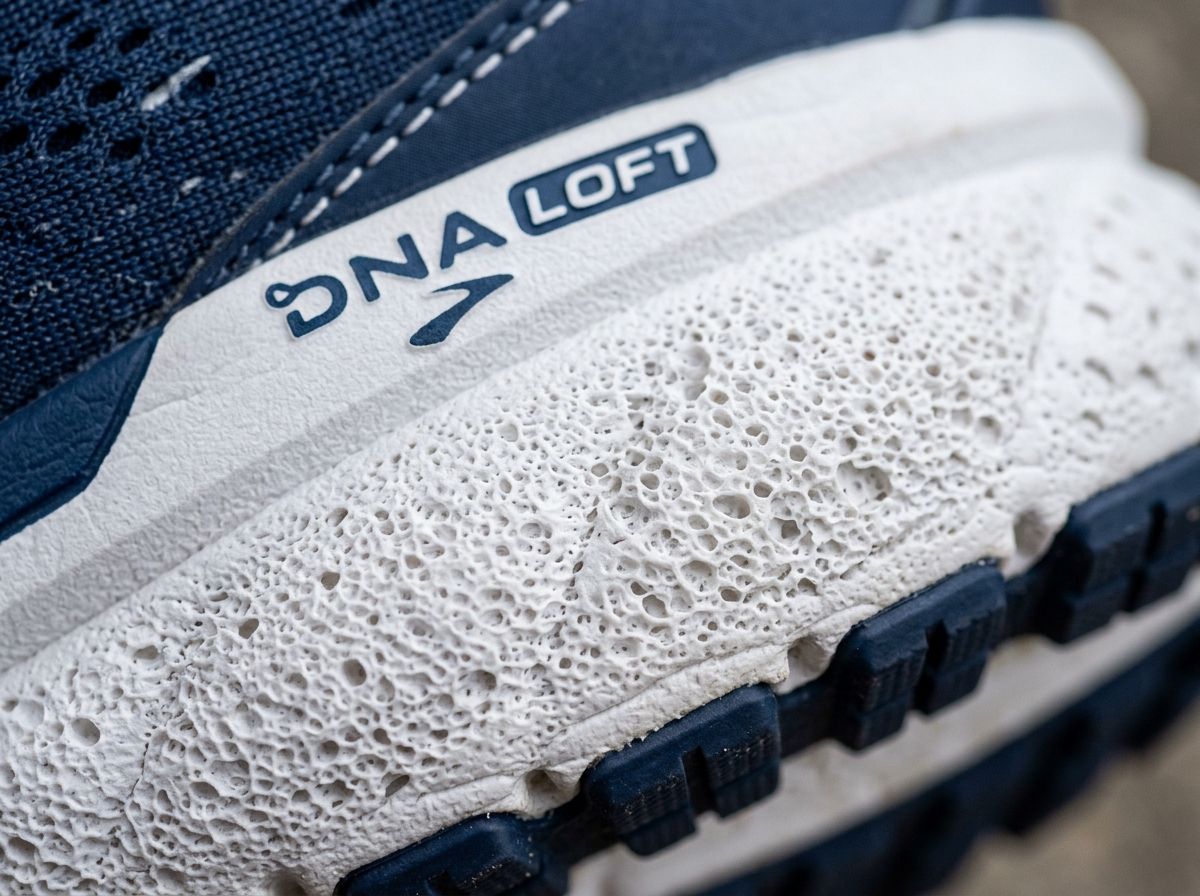
When we talk about whether can you wash brooks tennis shoes safely, we have to look at what’s under the hood. Brooks shoes are engineered marvels. They feature advanced technologies like DNA LOFT or BioMoGo DNA foam, which provide that signature “running on clouds” feeling. However, these materials are sensitive to how they are treated during a “deep clean.”
Official Caring, Cleaning, and Drying your Brooks Shoes guidelines are very specific: hand washing is the gold standard. Why? Because performance footwear relies on specialized glues and heat-bonded overlays to keep the shoe together without heavy stitching.
Before you even think about the laundry room, you should stop-read-this-before-putting-brooks-in-the-washer. High-intensity mechanical stress from a washing machine can cause the supportive overlays to peel or the midsole foam to lose its structural integrity. Furthermore, submerging shoes in water for long periods can lead to a loss in elasticity and softness. If you want to protect your investment and maintain your warranty, staying away from aggressive cycles is key.
| Risk Factor | Hand Washing | Machine Washing |
|---|---|---|
| Glue Degradation | Low | High (Heat/Friction) |
| Foam Warping | None | Moderate to High |
| Mesh Fraying | Minimal | High (Agitator risk) |
| Color Fading | Low | Moderate |
The Recommended Method for Cleaning Brooks Footwear
We always suggest a “less is more” approach. You don’t need a professional laboratory to get your trainers looking new; a soft-bristle brush, some mild soap, and a little elbow grease go a long way. This is the core of how-to-wash-brooks-running-shoes-the-right-way.
The primary goal is surface cleaning. You want to remove debris that can act like sandpaper against the mesh fabric. When dirt gets trapped in the fibers, every step you take creates friction that eventually leads to holes. By using cold water and a gentle touch, you preserve the life of the upper. Brooks officially suggests avoiding full submersion whenever possible. Instead, focus on How to Clean Running Shoes at Home by targeting the areas that actually need the most help.
Preparing Your Brooks Tennis Shoes for Washing
Preparation is half the battle. You wouldn’t wash your car with the windows down, and you shouldn’t wash your shoes with the “insides” still in.
- Lace Removal: Take the laces out completely. This allows you to clean the tongue area where sweat and dust accumulate. Laces can be washed separately or even tossed in a small mesh bag in the laundry.
- Insole Extraction: Remove the internal liners (insoles). These hold a lot of moisture and odor. Cleaning them separately ensures they dry faster and more thoroughly.
- Dry Brushing: Before adding any water, use a dry, soft-bristle brush to whisk away loose dirt, dried mud, and dust. If you skip this, the water will just turn that dust into mud, making your job much harder.
Cleaning the Upper and Outsole
Once the loose dirt is gone, it’s time for the “wet” part of the process. Mix a small amount of mild detergent (like Woolite or a clear dish soap) with lukewarm or cold water.
- For the Upper: Use a soft sponge or a microfiber cloth. Gently wipe the mesh. Avoid aggressive scrubbing on mesh areas to prevent fraying.
- For the Midsole: This is where a toothbrush comes in handy. Use it to get into the crevices of the foam to brighten up those white or colored midsoles.
- For the Outsole: The bottom of the shoe (the lugs) usually needs the most attention. You can use more water and a stiffer brush here to remove caked-on mud or gravel. Keeping the tread clean is vital for maintaining traction and preventing slips, especially for trail runners.
How to Properly Dry Brooks Tennis Shoes After Washing
Drying is arguably more important than the washing itself. If you’ve ever wondered can you wash brooks tennis shoes and then just throw them in the sun, the answer is a resounding no.
The best way to dry your shoes is at room temperature in a well-ventilated area. To speed up the process and maintain the shoe’s shape, stuff them with plain white newsprint or paper towels. Avoid using colored newspaper, as the ink can bleed into the shoe fabric.
Scientific research on garment care shows that improper drying—especially using high heat—can cause significant shrinkage, sometimes up to 5%. For a performance shoe, a 5% change in size means the shoe no longer fits correctly, which can lead to blisters or foot pain.
Why You Should Never Machine Dry Your Brooks Tennis Shoes
The dryer is the natural enemy of the running shoe. The high heat can warp the specialized foam in the midsole, making it brittle or “dead.” It can also melt the adhesives holding the shoe together.
Mechanical stress from the tumbling action also shortens the lifespan of the materials. Continuous exposure to this stress can cause the lamination to peel and the synthetic mesh to lose its structure. Simply put: if you want your Brooks to last, keep them away from the dryer.
Common Mistakes and Maintenance Best Practices
In our experience at On Clouder, we see the same mistakes over and over again. To keep your shoes in peak condition, avoid these pitfalls:
- Bleach and Harsh Chemicals: Never use bleach. It breaks down the synthetic fibers and will likely turn your white shoes a sickly yellow. Stick to mild soaps or specialized sneaker cleaners.
- Direct Sunlight: While it’s tempting to put wet shoes on the porch, direct sunlight can fade colors and “cook” the foam, making it less responsive.
- Enzymatic Cleaners: For stubborn odors, enzymatic cleaners are great. They break down organic materials (like sweat and bacteria) rather than just masking the smell.
- Frequency: How often should you clean? It depends on where you run. Trail runners should clean their shoes whenever mud buildup affects traction. Road runners can usually get away with a deep clean every few months, with occasional spot cleaning in between.
- Shoe Rotation: One of the best ways to “clean” your shoes is to let them breathe. Rotating between two pairs allows the foam to fully decompress and the moisture to evaporate, which prevents bacteria growth.
If you are ever in doubt, refer to the official Brooks help center: What is the best way to clean my shoes? – Brooks Running.
Frequently Asked Questions about Brooks Care
Should you use a washing machine for Brooks tennis shoes?
While some users report success using a delicate cycle and a laundry bag, Brooks generally advises against it. The mechanical friction and the soaking process can lead to structural warping and adhesive failure. If you absolutely must use a machine, use cold water, a gentle cycle, and wash them with several towels to dampen the impact. But remember: hand washing is always the safer bet for longevity.
How often should you clean your Brooks tennis shoes?
You should clean your shoes when they are visibly dirty or start to develop an odor. Mud accumulation on the outsole is a safety hazard as it reduces traction. For road runners, a wipe-down every two weeks and a deeper hand wash every month or two is usually sufficient.
What cleaning products are best for Brooks tennis shoes?
We recommend:
- Mild Soap: Dish soap or delicate laundry detergent.
- Sneaker Cleaner: Specifically formulated for synthetic materials.
- White Vinegar: A 50/50 mix with water is a great eco-friendly disinfectant for insoles.
- Baking Soda: Great for sprinkling inside dry shoes to absorb lingering odors.
- Soft Brushes: An old toothbrush or a soft-bristle nail brush.
Conclusion
At On Clouder, we know that your shoes are more than just footwear—they are an investment in your health and performance. Knowing can you wash brooks tennis shoes correctly is the first step in protecting that investment. By sticking to hand washing, avoiding the dryer, and using the right materials, you ensure that your Brooks shoes provide the support and comfort you need for hundreds of miles.
Proper care doesn’t just keep your shoes looking fresh; it preserves the technical features that made you buy them in the first place. Ready to learn more about keeping your gear in top shape? Explore more shoe care guides on On Clouder to keep your stride strong and your worries washed away!
