
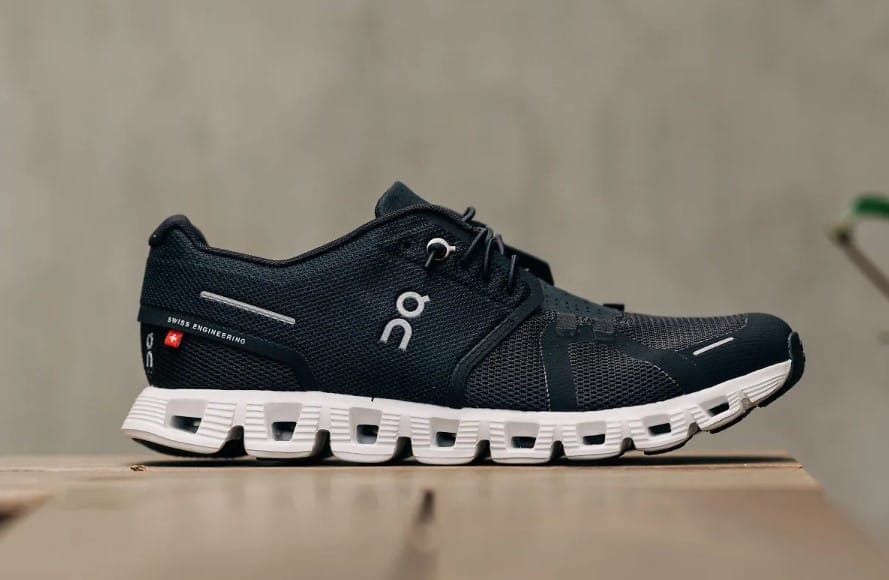
Gravity Defied: Why Your Footwear Choice is No Longer Trivial
The pavement is a relentless adversary. For decades, footwear giants fought this battle with slabs of EVA foam and heavy gel inserts, trying to muffle the impact of every stride. Then came a radical shift from the Swiss Alps. It wasn’t just about padding; it was about architecture. When you look at the distinct silhouette of a Swiss-engineered trainer, you aren’t just looking at a fashion statement—you are looking at a mechanical solution to a biological problem.
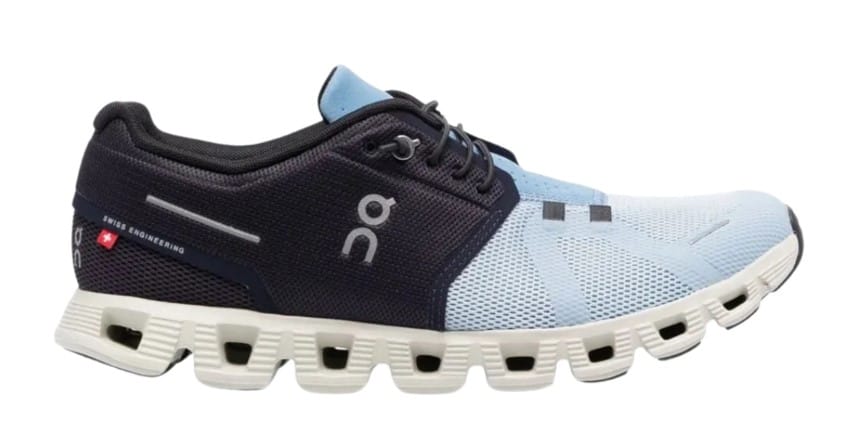
Most people stumble into a shoe store overwhelmed by neon colors and marketing jargon. They walk out with a pair that looks “fast” but leaves their arches screaming by noon. This guide dismantles that confusion. Whether you are a marathoner chasing a personal best, a nurse surviving a fourteen-hour shift, or a traveler navigating the cobblestones of Prague, finding the right on cloud shoes is the difference between effortless movement and agonizing fatigue.
We are moving past the era of generic athletic wear. Today, your footwear must be as specialized as your digital toolkit. By the end of this deep dive, you will understand exactly which “Cloud” belongs under your feet and why the specific geometry of Swiss engineering is changing the way we perceive ground contact.
The Anatomy of On Cloud Shoes: Beyond the Aesthetic
At the heart of every pair lies “CloudTec.” It is easy to dismiss those hollow pods as a gimmick until you actually compress them. Unlike traditional foam that compresses in one direction, these clouds are designed to collapse both vertically and horizontally. This multi-directional absorption is the “Cloud” in the name. It reacts to your unique gait, locking into a firm platform for a powerful takeoff once the pods are fully compressed.
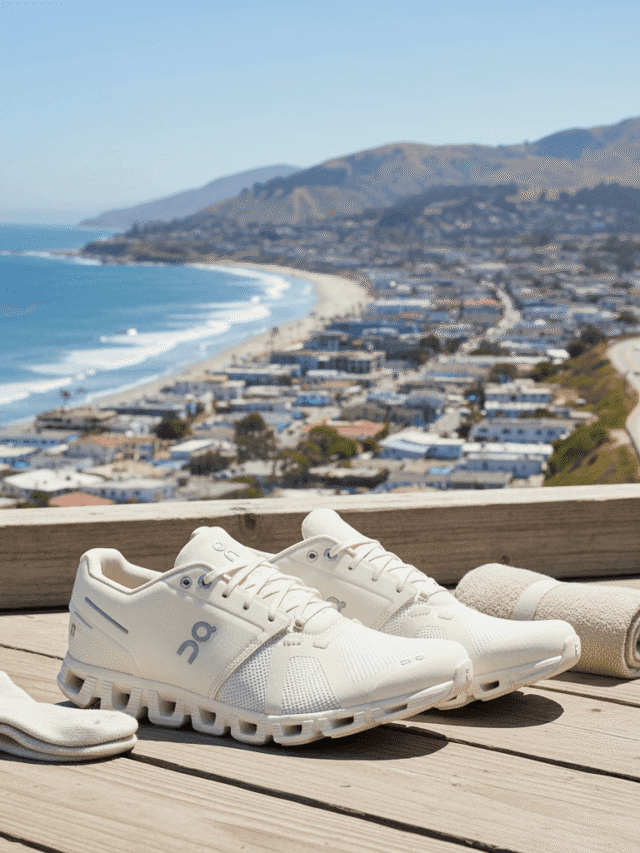
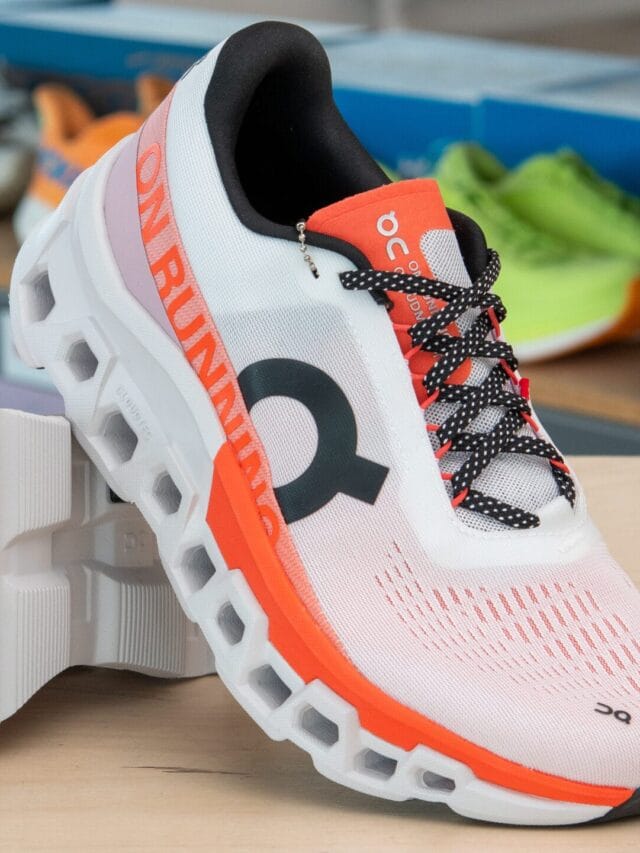
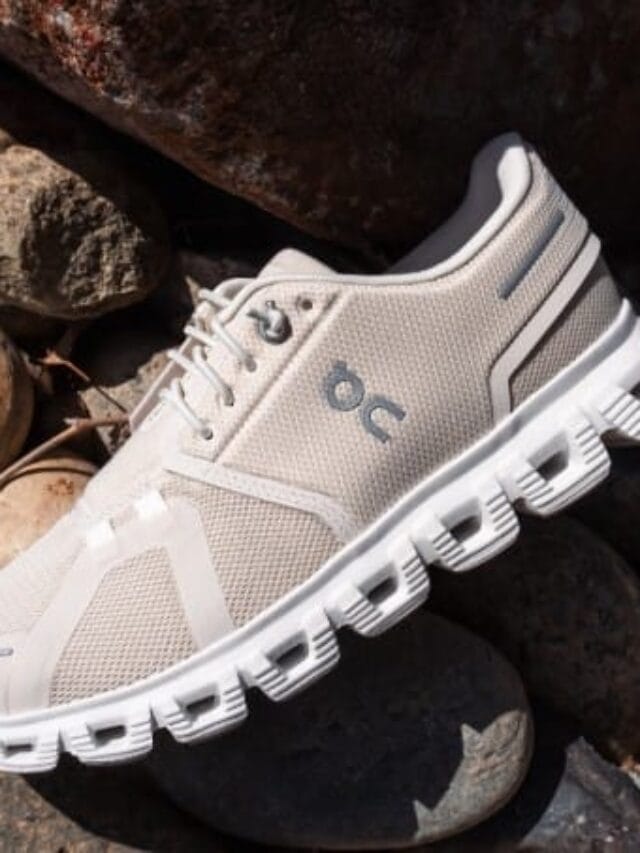
The “Speedboard” is the unsung hero of this ecosystem. Think of it as a liquid-injected plate of thermoplastic polymer sitting between the CloudTec elements and your foot. It doesn’t just sit there; it acts like a bow. As you land, it flexes, storing kinetic energy that it snaps back into your stride as you push off. It’s a rhythmic, mechanical advantage that turns a grueling run into a series of energetic leaps.
Precision is the hallmark here. While other brands lean into “maximalist” pillows that can feel like walking on marshmallows, On prioritizes “active” cushioning. You stay connected to the ground. You feel the surface, but you don’t suffer from it. It’s a nuanced balance that appeals to those who find traditional sneakers either too mushy or too stiff.
Comparing the Icons On Cloud Shoes: Cloudflow vs. Cloudmonster vs. Cloud 5
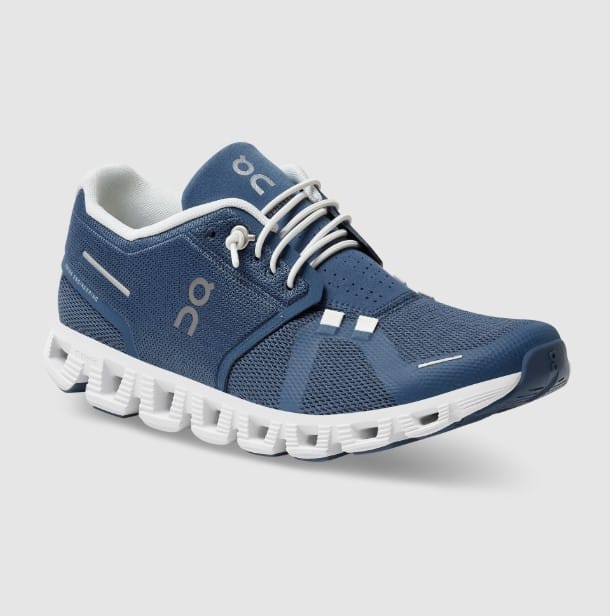
The lineup is vast, and the nomenclature can be dizzying. To find your match, you must first identify your primary environment. The Cloud 5 is the quintessential “all-day” shoe. It’s lightweight, features a speed-lacing system that makes it a breeze for airport security, and possesses a silhouette that doesn’t look out of place in a bistro. It is the gold standard for the urban commuter who refuses to sacrifice style for orthopedic sanity.
Contrast this with the Cloudmonster. If the Cloud 5 is a sleek sedan, the Monster is a monster truck. It features the largest Cloud elements ever produced, designed for maximum energy return and radical cushioning. It is the weapon of choice for long-distance runners who need to protect their joints during high-mileage weeks. It looks chunky, almost rebellious, but the transition from heel to toe is surprisingly buttery.
Then there is the Cloudflow. This is the scalpel. It is lean, low-profile, and built for speed. If you are training for a 5K or doing interval work on the track, the Cloudflow offers a direct, responsive feel. It lacks the massive dampening of the Monster but replaces it with an elite level of “ground feel.” Choosing between them isn’t about which shoe is “better”—it’s about which mechanical response your specific activity demands.
A Practical Guide for On Cloud Shoes Runners, Nurses, and Travelers
For the marathoner, focus on the Cloudstratus or Cloudmonster. You need the double layer of CloudTec. When the wall hits at mile 20, your form will inevitably degrade. You need a shoe that compensates for that fatigue. Look for the wider toe box often found in these models; your feet will swell, and having that extra millimeter of “real estate” prevents the dreaded blackened toenail.
Nurses and healthcare professionals face a different beast: static fatigue. You aren’t always running; you are standing, pivoting, and dashing down hallways. The Cloud 5 or the Cloudway are your best bets. The antimicrobial mesh is a silent savior in a hospital environment, and the slip-on capability means one less thing to worry about during a frantic shift change. Pro-tip: rotate two pairs. Giving the Cloud elements 24 hours to fully “decompress” between shifts extends the lifespan of the shoe significantly.
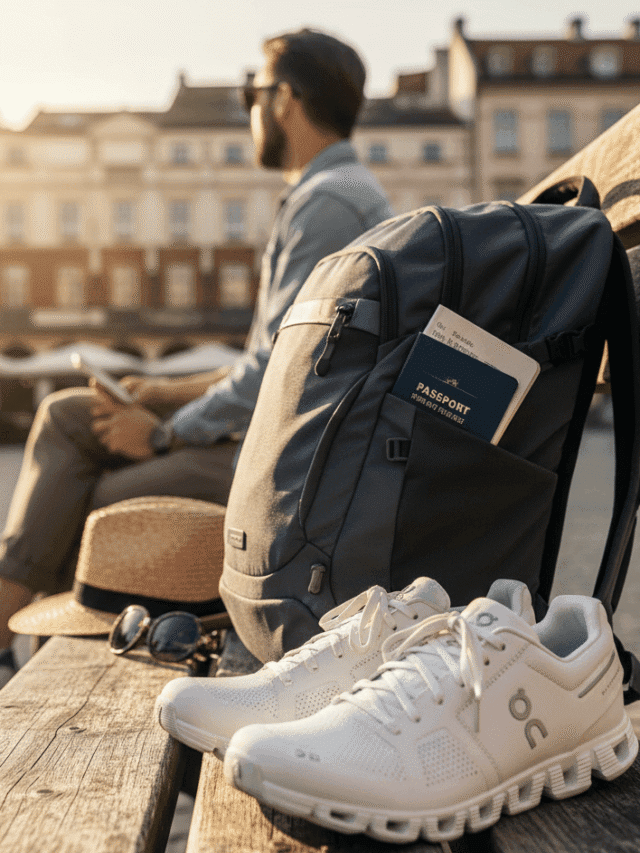
Travelers should prioritize the Cloudaway or the Cloud 5 Waterproof. Weather is unpredictable; your footwear shouldn’t be. The waterproof variants use a membrane that breathes while keeping the rain out—essential for a drizzly day in London. Because On shoes are notoriously lightweight, they won’t tank your luggage weight limit. They are the ultimate “one-shoe” travel solution that transitions from a morning hike to a casual dinner.
The Honest Truth: Potential Drawbacks to Consider
No piece of gear is flawless, and the On Cloud lineup has its eccentricities. The most common grievance involves the “stone catcher” phenomenon. Because of the open channel in the center of the sole, these shoes have a magnetic personality when it comes to gravel. If your route involves loose stones, you might find yourself stopping to de-pebble. It’s a minor annoyance, but on a trail run, it can be a dealbreaker.
Durability is another conversation. Because the pods are exposed, they can wear down faster than a solid rubber outsole if you have an aggressive gait or frequently scrape your feet. These are high-performance instruments. You wouldn’t expect a Ferrari to go 100,000 miles without a tire change; similarly, the sophisticated CloudTec elements eventually lose their “snap.” Expect to replace high-mileage trainers every 300 to 500 miles.
Lastly, the fit is “Swiss.” This generally means a narrower heel and a more sculpted midfoot. If you have exceptionally wide feet, you might find some of the performance models (like the Cloudswift) a bit restrictive. Always check for the “Wide” versions, which On has finally begun to roll out for their most popular silhouettes.
Myth-Busting of On Cloud Shoes: Are They Just Overpriced Lifestyle Shoes?
There is a persistent myth that On is a “lifestyle” brand that happened to make a running shoe. This is backward. The brand was founded by an Ironman champion, Olivier Bernhard, who literally glued pieces of garden hose to his outsoles to create the first prototype. The performance DNA is the foundation, not an afterthought. The fact that they look good in an office is merely a byproduct of clean, European design.
Another common misconception is that the “holes” make the shoe unstable. On the contrary, the Speedboard provides a rigid backbone that prevents the pods from collapsing unevenly. In fact, many physical therapists recommend them specifically because they encourage a more natural, mid-foot strike rather than a heavy heel-clash. They aren’t just for show; they are for biomechanical efficiency.
Final Thoughts: Stepping Into the Future
Selecting the right pair of On shoes is an investment in your daily mobility. We often spend hundreds on ergonomic chairs and high-end mattresses while neglecting the two appendages that actually carry us through the world. Whether you choose the cushioned embrace of the Monster or the agile snap of the Cloud 5, you are opting for a philosophy of movement that rejects the “clunky” status quo.
The pavement isn’t getting any softer. Your shoes should be the thing that bridges the gap between the hard reality of the ground and the fluid potential of your stride. Don’t just pick a color; pick a tool. Your knees, your back, and your pace will thank you.
