
Why Finding the Right Running Shoes for Wide Feet Changes Everything
Running shoes for wide feet are specially designed to give your toes, forefoot, and midfoot the room they need — without sacrificing support or performance.
Here are the top picks for wide-footed runners in 2025:
| Shoe | Best For | Width Options |
|---|---|---|
| Brooks Ghost 17 | Daily training | Medium, Wide, Extra Wide |
| New Balance 1080v15 | Cushioned daily trainer | 2E, 4E |
| Topo Atmos | Low-drop, roomy toebox | Wide |
| ASICS Gel-Kayano 32 | Stability | Extra Wide |
| Hoka Gaviota 5 | Max cushion + stability | Wide |
| Nike Pegasus 41 | Versatile road running | Extra Wide |
| Brooks Adrenaline GTS 25 | Support + wide fit | Wide, Extra Wide |
Running with shoes that are too narrow is more than just uncomfortable. It causes blisters, toe cramping, and over time, real foot damage. Yet millions of runners keep buying the wrong width — simply because they don’t know better options exist.
The truth is, a surprising number of runners need wider shoes than they’re currently wearing. Studies suggest that many people — especially women, who are often assumed to have narrow feet — are squeezing into shoes that don’t match their actual foot shape.
Wide-fit running shoes solve this by offering more room in the toebox, a broader forefoot, and often a more forgiving upper — all while keeping the structure and support serious runners need.
I’m Faisal S. Chughtai, a footwear expert who has spent years testing and reviewing running shoes for wide feet to help runners find their perfect fit. In this guide, I’ll walk you through everything — from how to know if you need wide shoes, to the best models available right now.
Running shoes for wide feet terms to know:
- Best running shoes for beginners
- Best running shoes women
- Running shoes for overpronators
Identifying the Need for Running Shoes for Wide Feet
How do you actually know if you need running shoes for wide feet? It sounds like a simple question, but many of us have spent years “sizing up” in length just to accommodate the width of our feet. This is a mistake that leads to tripping hazards and poor arch alignment.
The most obvious sign is physical discomfort. If you feel pinching or intense side pressure against the base of your pinky toe or the “ball” of your foot, your shoes are too narrow. Other red flags include:
- Blisters on the sides of your toes: This usually means your toes are being squeezed together, causing friction.
- Toe Cramping: If your toes feel like they are “stacked” on top of each other, you definitely need more room.
- A “Burning” Sensation: This often happens when the nerves in your forefoot are compressed by a tight upper.
- Premature Shoe Wear: Look at your current shoes. Is the mesh upper bulging out over the side of the sole? Is there a hole developing where your pinky toe sits? That’s your foot trying to escape a cage that’s too small.
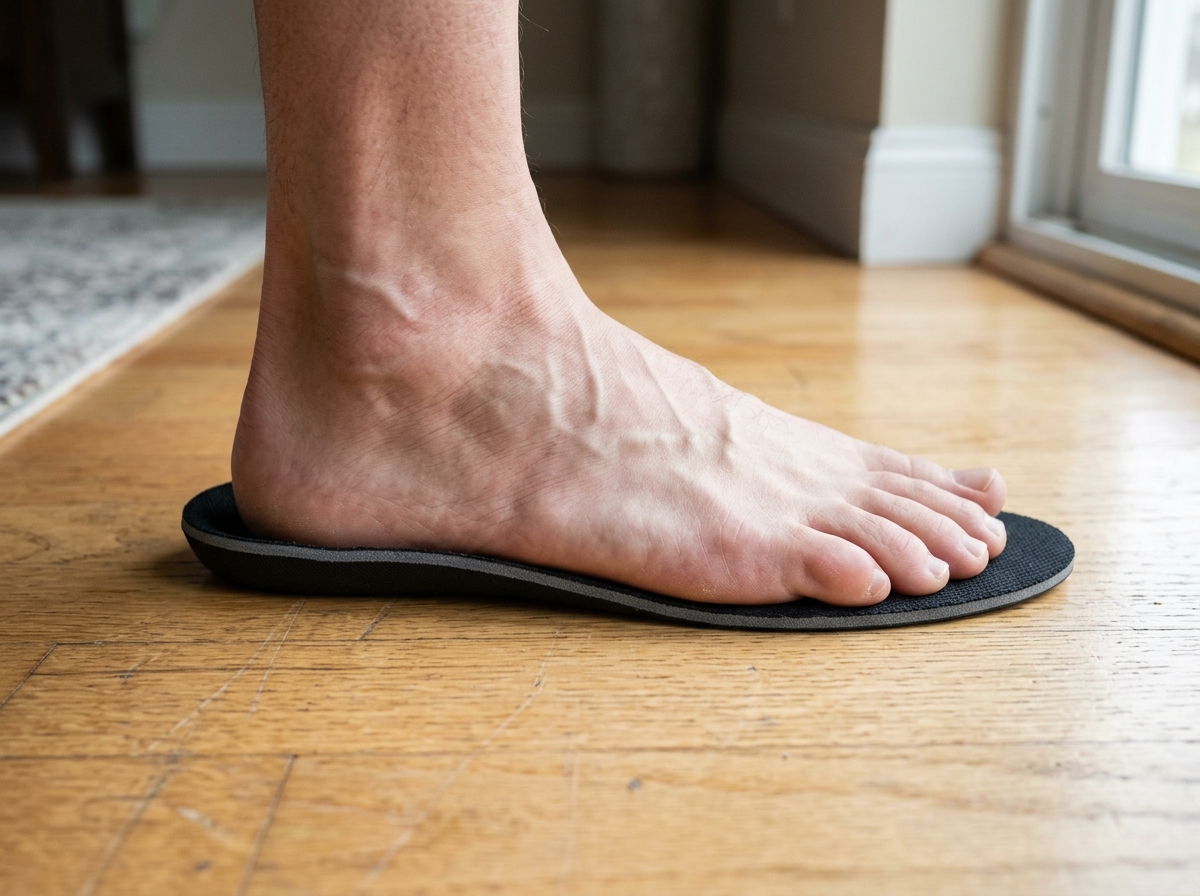
One of the best ways to check is the Insole Test. Take the insole out of your running shoe and place it on the floor. Stand on it with your full weight. If your foot hangs over the edges of the foam, that shoe is physically too narrow for your foot structure. If you find you have wide feet and low arches, you might also want to check out our guide on No Arch No Problem Best Running Shoes for Flat Feet.
Understanding Wide Shoe Sizing and Industry Labels
Navigating shoe widths can feel like decoding a secret language. Brands use a combination of letters and numbers to indicate how much “girth” or volume a shoe has.
Here is the breakdown of industry standards:
For Men:
- D: Standard/Medium width.
- 2E: Wide. This is the most common wide size for men.
- 4E: Extra Wide. Ideal for those with significant volume or “square” feet.
For Women:
- B: Standard/Medium width.
- D: Wide. (A Women’s Wide is the same as a Men’s Standard).
- 2E: Extra Wide.
It is important to understand that “wide” doesn’t always mean the sole of the shoe is wider. Often, brands use the same platform (the midsole/outsole) but use more fabric in the upper to allow the foot to spread out. However, premium brands like New Balance often provide a wider platform to ensure stability. For a deeper dive into these differences, see our article on New Balance 2E vs 4E.
Top-Rated Running Shoes for Wide Feet by Category
Choosing the right shoe depends on what kind of running you do. We’ve broken down the best running shoes for wide feet into categories to help you find your match.
Best Daily Trainers and Max Cushion Running Shoes for Wide Feet
Daily trainers are the workhorses of your closet. They need to be durable, comfortable, and accommodating.
- Brooks Ghost 17: A classic for a reason. Brooks offers this in Narrow, Medium, Wide, and Extra Wide. It features a balanced DNA LOFT v3 cushioning that feels soft but not “mushy.”
- New Balance 1080v15: This is perhaps the gold standard for wide feet. New Balance is famous for its wide offerings. The 1080v15 is a max-cushion dream with a stretchy engineered mesh that accommodates bunions and wide forefoots effortlessly.
- On Cloudmonster 2: While On was once known for narrower fits, the Cloudmonster 2 is a game-changer. It has a maximum width of 98.5 mm, which is significantly more forgiving than the industry average of 95.3 mm. It’s a “leg-saving” shoe for long miles.
- Topo Atmos: If you want a “foot-shaped” fit, Topo is the brand for you. The Atmos toebox width measures 98.5 mm near the ball of the foot, which is 3.0 mm wider than the average running shoe.
- Nike Pegasus 41: The “Extra Wide” version of the Pegasus 41 uses the MR-10 last, providing a consistent, roomy fit that long-time Pegasus fans with wide feet will appreciate.
- Brooks Glycerin 23: If the Ghost isn’t plush enough for you, the Glycerin 23 is the “slipper-like” alternative. It’s available in wide and offers a nitrogen-infused foam that feels incredibly soft underfoot.
Stability and Trail Running Shoes for Wide Feet
If you overpronate (your feet roll inward), or if you prefer hitting the dirt, you need specific support.
- ASICS Gel-Kayano 32: This is the pinnacle of stability. The “Extra Wide” version provides a 4D Guidance System that adapts to your stride. It’s a great choice for distance runners who need that extra support.
- Hoka Gaviota 5: Hoka has significantly improved its wide offerings. The Gaviota 5 features a ball-of-foot width of 99.7 mm, which is 4.4% wider than the average shoe. It combines massive cushioning with a stable base.
- Brooks Adrenaline GTS 25: Known as the “Go-To Support” shoe, it’s available in Wide and Extra Wide. It uses GuideRails technology to keep excess movement in check.
- Brooks Cascadia 19: For the trail runners, the Cascadia 19 offers a wide version that protects your feet from rocks and roots while giving your toes room to splay on uneven terrain. For more rugged adventures, check out our Best wide toe box hiking boots guide.
Technical Specs: What Makes a Shoe Truly Wide?
When we analyze running shoes for wide feet, we look at lab measurements rather than just the label on the box. A “wide” shoe can be wide in two ways: upper volume or platform width.
Here are some key measurements to look for:
- Toebox Width: This is measured at the widest part of the forefoot (near the ball of the foot). For example, the ASICS Noosa Tri 16 has a ball-of-foot width of 100.2 mm, which is incredibly spacious compared to the 95.1 mm average.
- Forefoot and Heel Width: The Topo Atmos features a forefoot width of 119.1 mm and a heel width of 96.8 mm. This wide “footprint” provides a more stable landing platform, which is essential if you have a broad foot.
- Upper Flexibility: Shoes like the Adidas Ultraboost 5 measure 98.4 mm at their widest part (3.0 mm above average). Because the upper is a stretchy knit, it can accommodate even wider feet without creating pressure points.
- Stack Height and Drop: In addition to width, a higher stack height (like the 39mm in the Brooks Ghost Max 2) often comes with a wider base to prevent the shoe from feeling “tippy.”
Common Fit Challenges and How to Solve Them
Even with the right running shoes for wide feet, you might encounter some “fine-tuning” issues.
Heel Slippage
Sometimes, because the shoe is wide enough for your forefoot, your heel might feel like it’s sliding out.
- The Solution: Use the “Runner’s Loop” or “Heel Lock” lacing technique. This uses the extra eyelet at the top of the shoe to cinch the collar around your ankle without tightening the rest of the shoe.
Toe Splay
Your toes naturally want to spread out when you land. If the toebox is too tapered (pointy), it stops this natural movement.
- The Solution: Look for brands like Topo or Altra that feature a “foot-shaped” toebox. This allows for natural toe splay, which can prevent bunions and neuromas.
Midfoot Lockdown
If the shoe feels “sloppy” in the middle, you might lose stability.
- The Solution: Look for shoes with a gusseted tongue (where the tongue is attached to the sides of the shoe). This creates a “sock-like” feel that keeps your foot centered over the midsole. If you struggle with overpronation, read The 5 Best Running Shoes for Flat Feet Overpronation 2026 Guide.
Frequently Asked Questions about Wide Fit Footwear
Are zero-drop shoes better for wide feet?
Not necessarily, but they often go hand-in-hand. Brands like Altra (e.g., the Altra Escalante 4 or Experience Flow 2) specialize in zero-drop or low-drop shoes that feature a very wide, anatomical toebox. If you struggle with traditional shoes feeling too “pointy,” a zero-drop shoe might feel more natural because it allows your forefoot to sit flat and spread out. The Altra Experience Flow 2 has a widest part of 99.1 mm, which is 4.0 mm above the industry average.
Can I just size up instead of buying wide?
We strongly recommend against this. If you buy a shoe that is too long just to get the width, the arch of the shoe won’t align with the arch of your foot. This can lead to plantar fasciitis and “hot spots.” Furthermore, a shoe that is too long can cause you to trip or develop blisters on your heels because your foot is sliding back and forth. Always prioritize the correct width over extra length.
Which brands offer the best extra-wide options?
New Balance is the undisputed king of width, offering 4E (Extra Wide) in almost all their major models. ASICS and Brooks are also excellent, providing “Extra Wide” options for their most popular stability and neutral trainers like the Gel-Kayano and the Ghost. Nike has also stepped up its game recently, offering “Extra Wide” versions of the Pegasus and Vomero.
Conclusion
At On Clouder, we believe that every runner deserves a pain-free experience. Finding the right running shoes for wide feet is the single most important step you can take toward that goal. Whether you need the max-cushioned embrace of the New Balance 1080v15, the stable platform of the ASICS Gel-Kayano 32, or the anatomical freedom of the Topo Atmos, there is a perfect fit out there for you.
Don’t settle for “good enough” or “it’ll stretch out.” Your feet are the foundation of your running journey — give them the space they need to thrive. If you’re ready to see how these models stack up against each other in detail, you can Compare the best wide-fit models here.
Happy running, and may your toes always have room to dance!
