
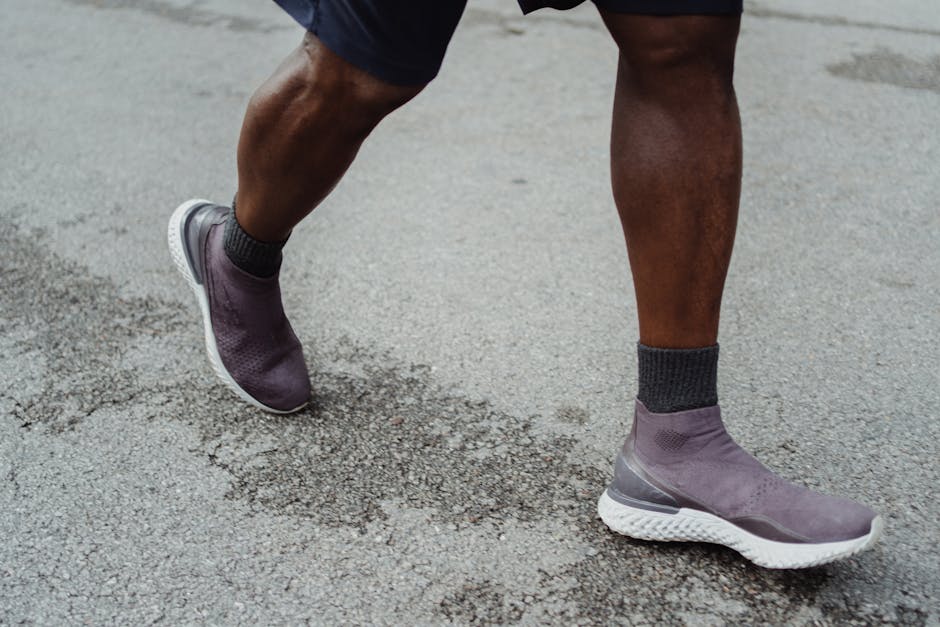
Why Stability Shoes for Runners Matter More Than You Think
Stability shoes for runners are specially designed footwear that add support to control excess inward foot roll (overpronation) during your stride.
Quick answer — what you need to know:
- What they do: Guide your foot into a more neutral position from heel strike to toe-off
- Who needs them: Runners with overpronation, flat feet, or pain in the knees, hips, or lower back
- How they work: Features like medial posts, wider bases, and adaptive support systems reduce excess movement
- Top picks for 2026: ASICS Gel-Kayano 32, Brooks Adrenaline GTS 25, HOKA Arahi 8, Saucony Guide 18
- Average weight: 10.0 oz (285g) — slightly heavier than neutral shoes at 9.3 oz
If your arches ache after a long run, or your knees feel off after a few miles, your shoes might not be giving your feet the support they need. Most runners overpronate to some degree — and without the right footwear, that small mechanical issue can snowball into real injuries like plantar fasciitis, shin splints, or knee pain.
The good news? Modern stability shoes have come a long way. They no longer feel stiff or clunky. Today’s designs use subtle, adaptive systems that guide your foot naturally — without locking it in place.
I’m Faisal S. Chughtai, a footwear expert with years of hands-on experience helping runners find the right fit, including extensive research into stability shoes for runners across brands, technologies, and foot types. Let’s break down everything you need to make a confident, informed choice.
What are Stability Shoes for Runners?
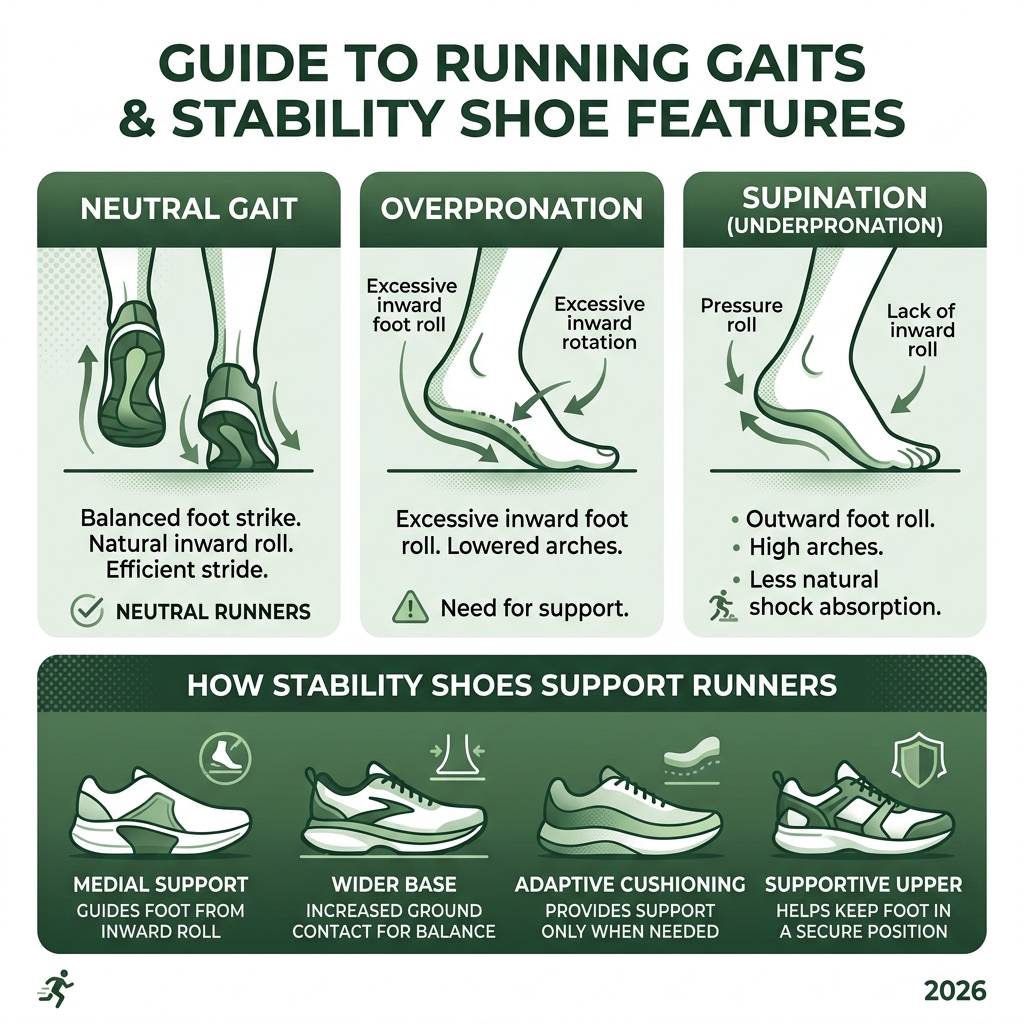
When we talk about stability shoes for runners, we are referring to a category of footwear engineered to provide structured support. Unlike neutral shoes, which are designed for runners with a natural gait or those who supinate (roll outward), stability shoes address the tendency of the foot to roll excessively inward after landing.
In the past, these shoes were often heavy and rigid, earning a reputation as “clunky.” However, the industry has shifted. Modern stability running gear now focuses on “guidance” rather than “correction.” Instead of forcing your foot into a specific position, these shoes use geometry and varying foam densities to encourage a more efficient path from heel to toe.
The Role of Pronation Support
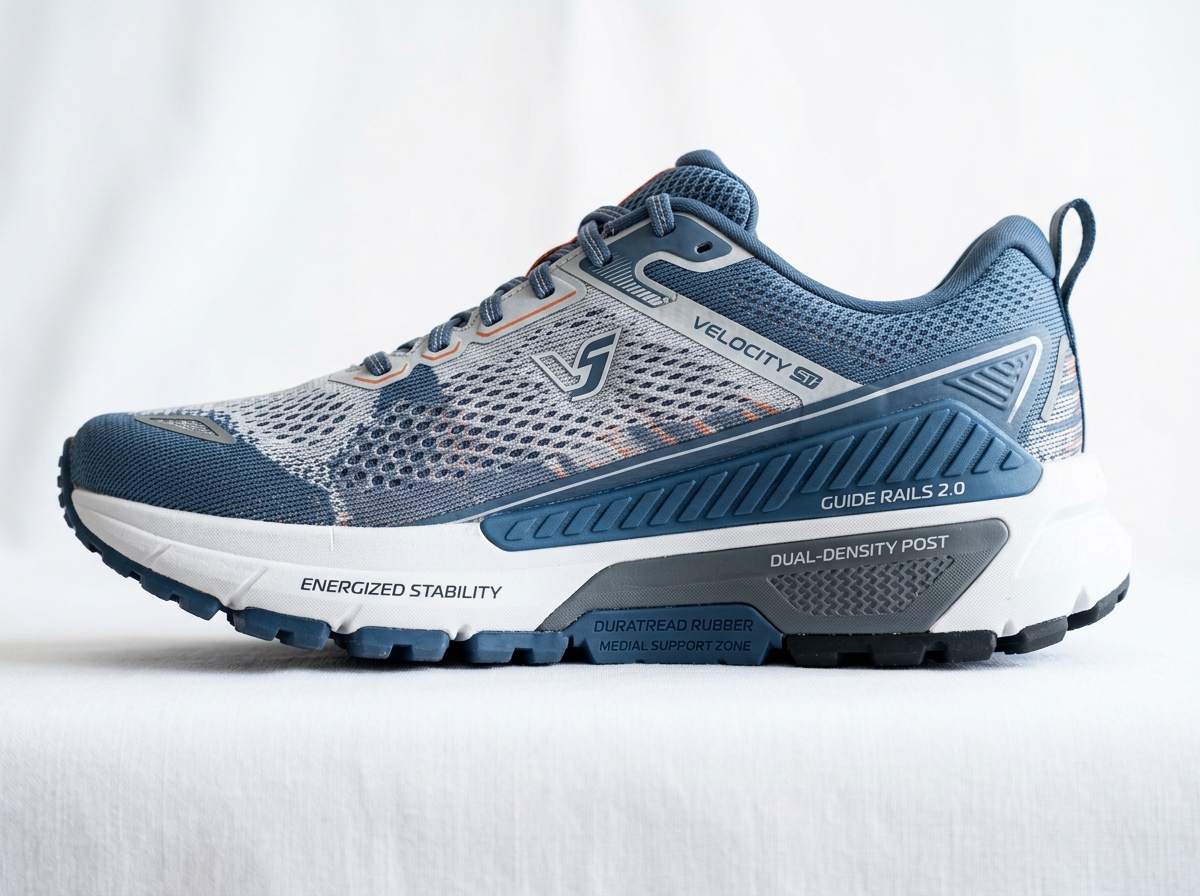
Pronation is a natural part of the human gait; it’s how our feet absorb shock. However, when the arch collapses too much, it causes an exaggerated inward roll. This is where pronation support becomes vital. By reinforcing the medial (inner) side of the shoe, manufacturers help stabilize the ankle and support the arch. This is particularly beneficial for runners with flat feet or low arches who may experience fatigue in their lower limbs during high-mileage weeks. For a deeper look at how these designs function, check out our guide on understanding overpronation shoes.
Stability vs. Neutral Shoe Weight
One common question we hear at On Clouder is: “Are stability shoes heavier?” The short answer is yes, but the gap is closing.
- Average Stability Shoe Weight: 285.0g (10.0 oz)
- Average Neutral Shoe Weight: 262.9g (9.3 oz)
The extra 0.7 ounces usually comes from the additional technologies—like firmer foams or guide rails—integrated into the midsole. While weight is a factor, the trade-off is often worth it for the energy return and reduced muscle fatigue provided by a more stable platform.
Key Technologies in Modern Stability Footwear
The “secret sauce” of any stability shoe lies in its midsole technology. Brands are moving away from the traditional hard plastic medial post (a firm wedge on the inside of the shoe) in favor of more holistic systems.
How Stability Shoes for Runners Prevent Injury
By managing the rate of pronation, these shoes help distribute impact forces more evenly. This is crucial for preventing common issues like plantar fasciitis, shin splints, and runner’s knee. Research shows that high-quality stability footwear offers superior shock absorption. For instance, the Saucony Hurricane 25 boasts a shock absorption (SA) rating of 151 in the heel, significantly higher than the industry average of 130. This extra protection can be the difference between a successful training block and a month on the sidelines. You can explore the latest stability tech to see how these ratings translate to on-road feel.
Adaptive Support Systems
Modern stability shoes utilize several proprietary technologies to keep you moving straight:
- GuideRails: Used by Brooks, these act like bowling alley bumpers, only engaging when your foot moves out of its natural path.
- 4D Guidance System: ASICS uses this to provide adaptive stability that adjusts to your fatigue levels during a run.
- H-Frame: Found in HOKA models, this provides a “cradle” for the foot, ensuring a centered ride without the stiffness of old-school posts.
- Beveled Heels & Flared Forefoots: These geometric tweaks create a wider base of support, making the shoe inherently more stable regardless of the foam type.
Best Stability Shoes for 2026: Top Models Reviewed
Choosing the right pair can be overwhelming. We’ve analyzed the data and tester feedback to bring you the top performers for the 2026 season.
| Model | Weight (Men’s 9) | Heel Stack | Drop | Best For |
|---|---|---|---|---|
| ASICS Gel-Kayano 32 | 10.6 oz | 40mm | 8mm | Max Cushion / Long Runs |
| Brooks Adrenaline GTS 25 | 10.2 oz | 39mm | 12mm | Daily Training |
| HOKA Arahi 8 | 9.1 oz | 34mm | 5mm | Lightweight Stability |
| Saucony Guide 18 | 9.5 oz | 35mm | 8mm | Smooth Transitions |
| NB Fresh Foam X 860v14 | 10.4 oz | 34mm | 8mm | Severe Overpronation |
Choosing the Right Stability Shoes for Runners
When selecting your pair, look beyond the brand name. Consider the heel stack height—the ASICS Gel-Kayano 32 offers a massive 40mm of foam for those who crave a plush ride, while the HOKA Arahi 8 stays closer to the ground for a more responsive feel.
Don’t forget about width options. Many stability runners have wider feet or use custom orthotics. Models like the New Balance 860 and Brooks Adrenaline are famous for offering multiple width fittings (D, 2E, 4E). If you’re leaning toward a specific brand, you might want to check out the best stability running shoes of 2026 for a focused breakdown of these specs.
Performance for Different Run Types
Not all stability shoes for runners are built for the same purpose:
- Daily Training: The Brooks Adrenaline GTS 25 remains the gold standard for versatility.
- Long Runs: The Saucony Hurricane or ASICS Gel-Kayano 32 provide the maximal cushioning needed for 10+ mile efforts.
- Trail Running: The Brooks Cascadia 19 offers stability on uneven roots and rocks.
- Racing: Yes, stability racers exist! The HOKA Rocket X 3 provides a carbon-plated, stable ride for those chasing a PR.
For those specifically interested in HOKA’s unique approach, read our HOKA Arahi 8 review or compare it to the classic Brooks Adrenaline GTS review.
How to Determine if You Need Stability Support
How do you know if you’re an overpronator? You don’t always need a fancy lab test.
- The Wear Pattern Test: Look at the bottom of your old running shoes. If the inner edge of the sole (near the big toe and arch) is significantly more worn than the outer edge, you likely overpronate.
- The Wet Foot Test: Step onto a piece of cardboard with wet feet. A full, wide footprint indicates flat feet/low arches, which usually require stability.
- The Tilt Test: Have a friend watch you walk from behind. If your ankles seem to “collapse” inward toward each other, stability support is recommended.
When comparing HOKA vs Brooks stability, you’ll find that different brands handle these issues with varying levels of “aggression.” Some feel very supportive, while others are barely noticeable.
Signs of Overpronation
Beyond the shoe wear, listen to your body. Chronic calluses on the inside of the big toe, frequent “shin splints,” or knees that seem to track inward when you squat are all red flags. If you find yourself in this camp, exploring the HOKA Arahi models is a great starting point, as they offer a “J-Frame” technology that supports without the traditional stiff feel.
Frequently Asked Questions about Stability Footwear
How long do stability shoes last?
Most stability shoes for runners are designed to last between 300 and 500 miles. However, because stability shoes rely on specific foam densities to provide support, they can sometimes “die” structurally before the outsole wears through. If you notice the inner side of the midsole looking compressed or “wrinkled,” or if your old aches and pains start returning, it’s time for a replacement.
Can neutral runners wear stability shoes?
Yes, particularly for long-distance efforts. As we fatigue during a marathon or long training run, our form often breaks down, leading to “late-onset pronation.” Many neutral runners find that a light stability shoe, like the Saucony Tempus or HOKA Arahi, provides a safety net for those final miles. There may be a short adjustment period, but modern adaptive guidance makes this transition much easier than it used to be. For more on this, see our insights on HOKA Arahi performance.
Do stability shoes fix flat feet?
Stability shoes do not “fix” or cure flat feet, but they do provide the necessary environment for your foot to function correctly. Think of them as a supportive tool that engages your muscles more efficiently by preventing the arch from collapsing into a stressful position. We always recommend pairing your footwear with foot-strengthening exercises for the best long-term results.
Conclusion
Finding the right stability shoes for runners is about balancing your specific biomechanical needs with the level of comfort you desire. Whether you need the maximalist plushness of an ASICS Gel-Kayano or the nimble, lightweight support of a HOKA Arahi, there has never been a better time to be a runner who needs a little extra help.
At On Clouder, we are dedicated to testing every foam, guide rail, and mesh upper to ensure you get the performance you pay for. Don’t let overpronation keep you on the couch—the right pair of shoes is waiting to help you hit your next milestone.
Visit On Clouder for the latest footwear guides to stay updated on the newest releases and deep-dive comparisons.
