
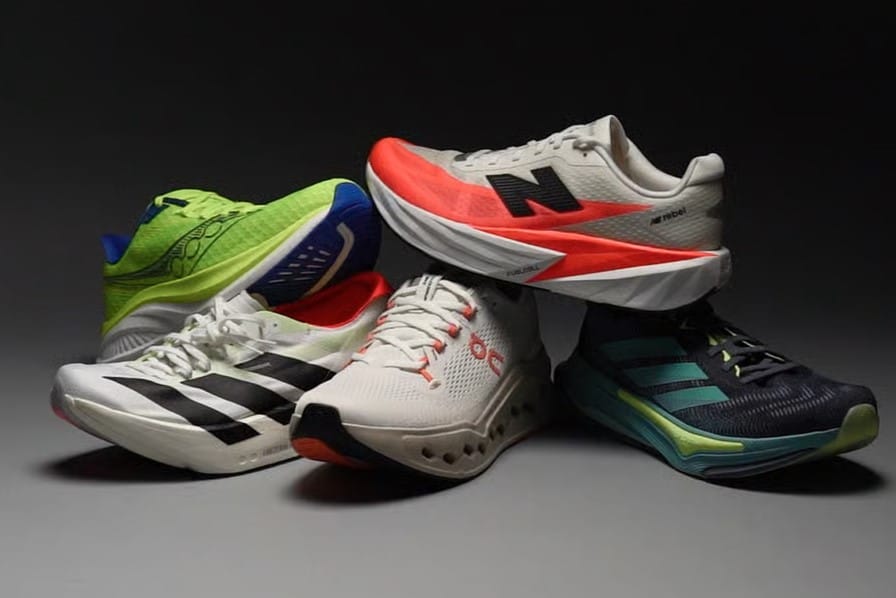
We’ve all been there. You walk into a sporting goods store, see a pair of sleek, neon-colored sneakers that look like they were designed by NASA, and think, “These are the ones.” You try them on, walk three steps on a carpeted floor, and head to the register. Fast forward to mile three of your Saturday morning run: your toes are numb, and your arches are screaming.
Finding the most comfortable running shoes ever isn’t about aesthetics; it’s about the marriage between your unique biomechanics and the engineering of the shoe.
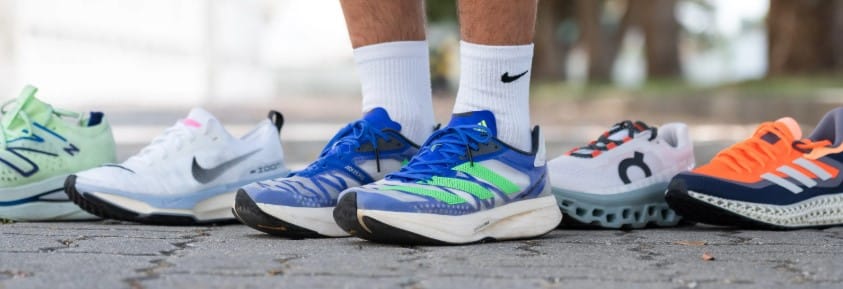
Finding the Most Comfortable Running Shoes Ever for Your Arch
Before you even look at a shoe, you need to look at your feet. Your arch height and how your foot rolls inward (pronation) dictate what kind of support you need.
For those with low arches or flat feet, your ankles likely roll inward excessively. For you, the most comfortable running shoes ever will be “Stability” or “Motion Control” shoes. These have firmer foam on the medial side to prevent that inward collapse. If you have a high arch, you likely underpronate. You’ll find the most comfortable running shoes ever in the “Neutral” category with plenty of plush cushioning to absorb the shock your arches won’t.
Most Comfortable Running Shoes Ever: The Role of Cushioning
Cushioning is subjective. What feels like a “cloud” to one person might feel like “quicksand” to another. To find your perfect match, you need to choose your foam “flavor.”
Maximalist cushioning, seen in brands like Hoka or New Balance, offers massive stack heights. These are incredible for long distances and protecting joints. However, if you like to feel “fast,” you might prefer a firmer, responsive foam. While it sounds counterintuitive, many people find these the most comfortable running shoes ever because they don’t feel “mushy” during a long workout.
Before you look at shoes you need to look at your feet. The height of your arch and how your foot rolls when you walk determine what kind of support you need.
1. The low arch
If your feet are flat when you stand up you probably roll your ankles inward much. For you the comfortable shoes will be ones that provide extra support like stability or motion control shoes. These shoes have material on the inside to prevent your ankles from rolling inward.
2. The high arch
If you can see a curve in your footprint you probably do not roll your ankles inward enough. High arches do not absorb shock well. You will find the comfortable shoes in the neutral category with plenty of cushioning to absorb the shock.
3. The neutral arch
You are lucky if you have an arch. Your foot rolls inward enough to absorb impact. You can wear any shoe but a standard neutral shoe with balanced cushioning is usually the best.
Measuring for the Most Comfortable Running Shoes Ever (1-Inch Rule)
Here is the biggest mistake runners make: buying their “normal” shoe size. When you run, your feet swell and spread out. If you buy your casual sneaker size, you are begging for black toenails.
To ensure you have the most comfortable running shoes ever, follow the thumb-width rule. There should be about a half-inch to a full inch between your longest toe and the end of the shoe. Always shop in the late afternoon when your feet are at their largest to ensure a true fit.
Cushioning is a matter of preference. What feels comfortable to one person might not feel comfortable to another. To find the shoe you need to choose the type of cushioning you like:
Maximalist cushioning
Think of brands like Hoka or the New Balance Fresh Foam line. These shoes have soles and are great for long distances and protecting joints. However some runners feel that they are too high off the ground and do not provide a feel for the road.
Firm and responsive
If you like to feel you might prefer a firmer shoe that bounces back quickly. While it might seem counterintuitive many people find these shoes to be the comfortable because they do not feel mushy during a long workout.
Minimalist or zero drop
This is for runners who want a natural feel. These shoes have little padding and keep your heel and forefoot at the same height. While they might not be traditionally comfortable they are great for runners who want their feet to move naturally.
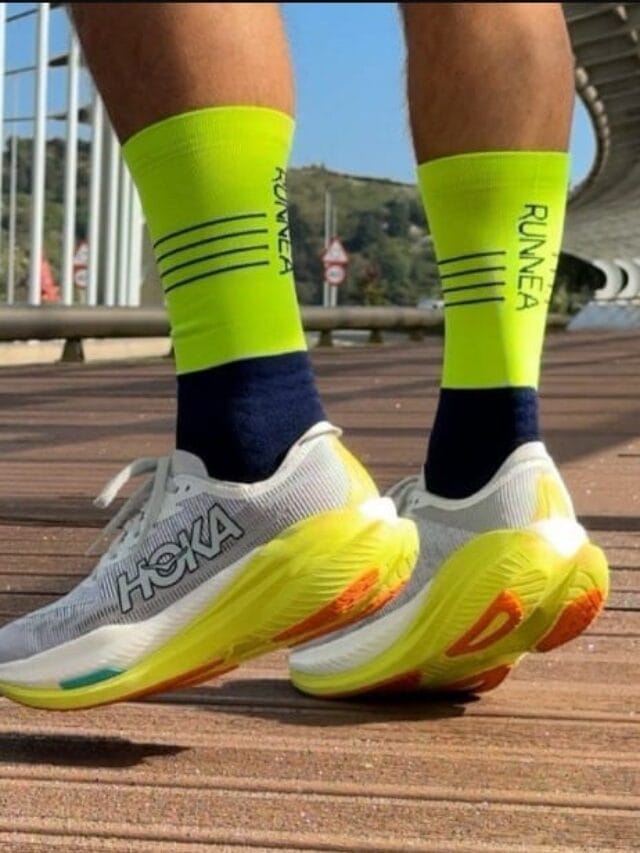
Anatomy of the Most Comfortable Running Shoes Ever Upper
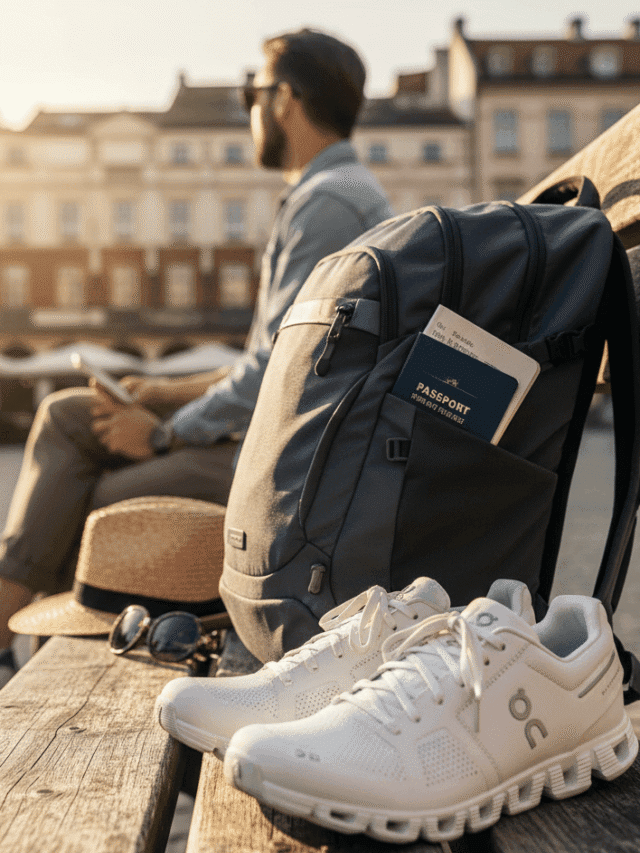
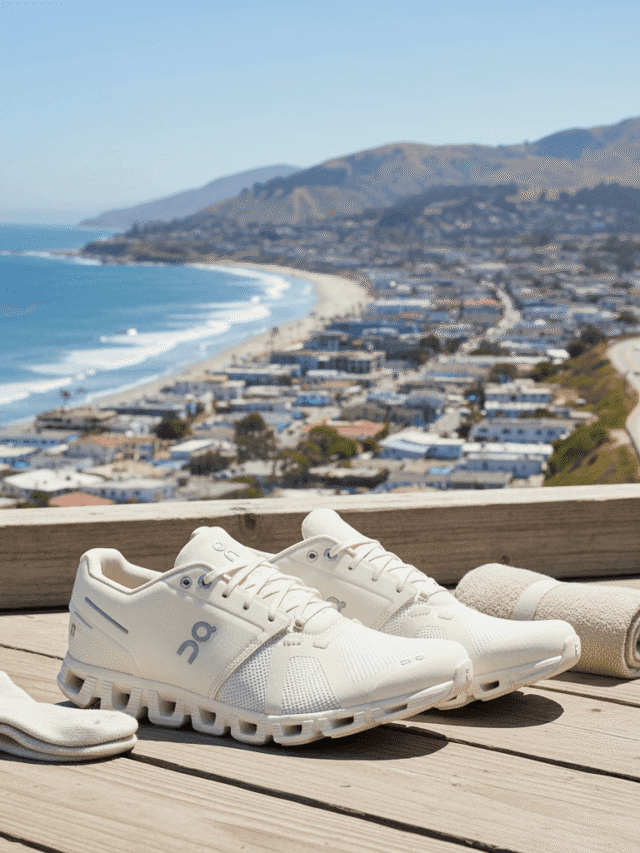
The “upper” is the fabric part that wraps around the top of your foot. Even with the best foam, if the upper is too tight, it won’t be the most comfortable running shoes ever for you. Check the toe box; you should be able to wiggle your toes freely. If your pinky toe rubs against the side, the shoe is too narrow. Additionally, look for engineered mesh. A shoe that traps heat will make your feet sweaty, leading to friction and blisters.
- The biggest mistake runners make is buying shoes that are too small.
- When you run, your feet. Move forward in the shoe. If you buy shoes that’re too small you will get black toenails and blisters.
- The thumb width rule: there should be a half-inch to a full inch between your longest toe and the end of the shoe.
- The afternoon test: always try on shoes in the afternoon or evening when your feet are at their largest.
- Bring your running socks: do not try on shoes with socks. Wear the socks you plan to run in.
Step 4: The anatomy of the
- The upper part of the shoe is the fabric that wraps around your foot. If this does not fit right the shoe will not be comfortable.
- The toe box: you should be able to wiggle your toes. If your toes are rubbing against the side the shoe is too narrow.
- The heel counter: your heel should feel secure. If it slips up and down when you walk you will get blisters.
- Breathability: look for shoes with mesh material. A shoe that traps heat will make your feet sweaty and uncomfortable.
Common Mistakes Avoiding the Most Comfortable Running Shoes Ever
Don’t buy for the brand or the color. Just because your friend loves a specific brand doesn’t mean it fits your foot shape. Brands like Altra are known for wide toe boxes, while others are narrower.
Another mistake is ignoring the “drop”—the height difference between the heel and forefoot. A high drop is great for Achilles issues, while a low drop suits midfoot strikers. Understanding these nuances is the only way to secure the most comfortable running shoes ever.
- When you put on the right shoes they should feel good immediately.
- Expert tip: the break-in period is mostly a myth for running shoes. If a shoe feels uncomfortable in the store it will feel worse when you are running.
The in-store test drive
Do not just stand there. Try walking or running in the shoes to see how they feel.
Do you feel any discomfort?
Do you feel like the shoe is an extension of your body?
Common mistakes to avoid
- Buying shoes because of the brand: just because your friend likes a certain brand does not mean it is right for you.
- Ignoring the heel-to-toe drop: the difference in height between your heel and forefoot can make a difference, in how comfortable the shoe is.
- Over-wearing your shoes: even the comfortable shoes have a limited lifespan. If you start feeling pain in your knees or shins it might be time to replace your shoes.
Maintenance for Your Most Comfortable Running Shoes Ever
Once you find “The One,” you want them to last. Don’t put them in the dryer, as high heat can deform the foam. Most pairs lose their structural integrity after 300–500 miles. If you start feeling mystery pains in your knees, it’s time to replace your most comfortable running shoes ever.
- Once you find the shoes you want to take care of them.
- Do not put them in the dryer: high heat can damage the materials.
- Unlace them: do not kick your shoes off without unlacing them. This can stretch out the heel collar. Ruin the fit.
Rotate your pairs: if you run every day try to have two pairs of shoes. Giving the foam time to recover between runs can extend the life of the shoe.
Finding the comfortable running shoes is a process. It requires you to listen to your body and ignore the advertising. Remember, your feet are the foundation of your body. When they are happy the rest of your body will be happy too.
Stop settling for shoes that’re just okay. Take the time to find the shoes and your future self will thank you.
Avid Runners Love the Hoka Mach 6 Running Shoe—Now on Sale for 20% Off
