
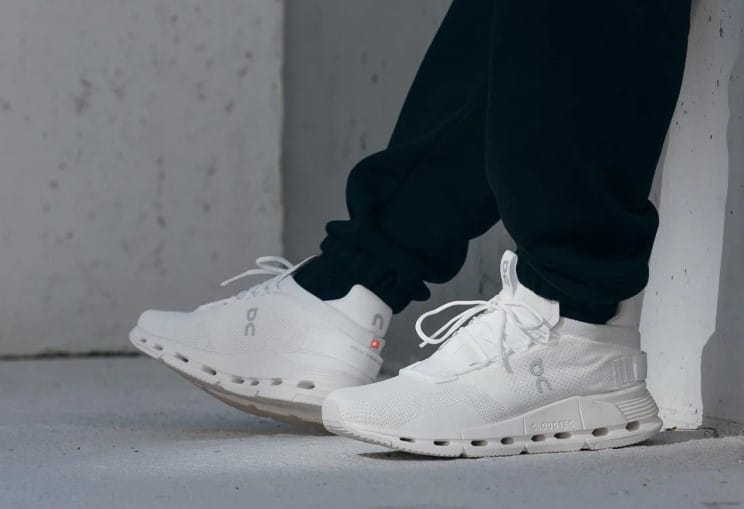
The hospital corridor is a grueling treadmill that never stops. For nurses, the shift doesn’t end at the buzzer; it ends when the last patient is settled and the charting is finally synchronized. During those twelve-hour marathons, your feet aren’t just biological levers—they are the foundation of your entire workday. If that foundation cracks, everything from your lower back to your patience begins to erode.
Standard sneakers often fail the clinical test. They are either too heavy, too restrictive, or they lose their structural integrity halfway through a double shift. This is where the Swiss-engineered aesthetic enters the conversation. Finding the best on cloud shoes isn’t merely a fashion choice; it is a tactical decision for your musculoskeletal health.
We aren’t looking for just “comfortable” shoes. We are looking for specialized equipment that manages the chaotic intersection of fluid spills, rapid-response sprints, and the static fatigue of standing at a workstation.
Why On Cloud Shoes Have Become a Hospital Staple
The meteoric rise of On in the medical community wasn’t an accident of marketing. It was a grassroots shift. While runners originally championed the brand for its explosive takeoffs, healthcare workers hijacked the technology for its landing properties. The signature “Clouds”—formally known as CloudTec®—function as individual adaptive elements. They compress horizontally and vertically.
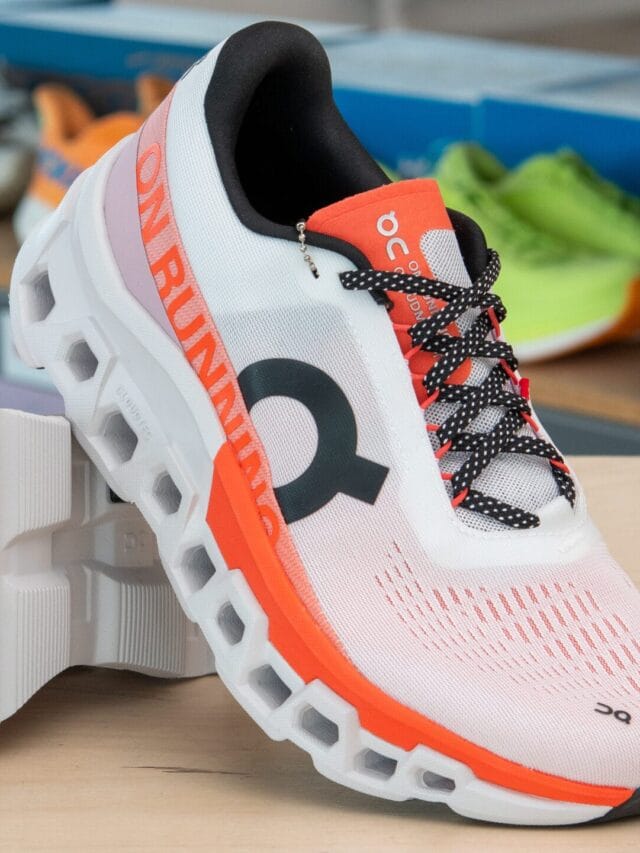
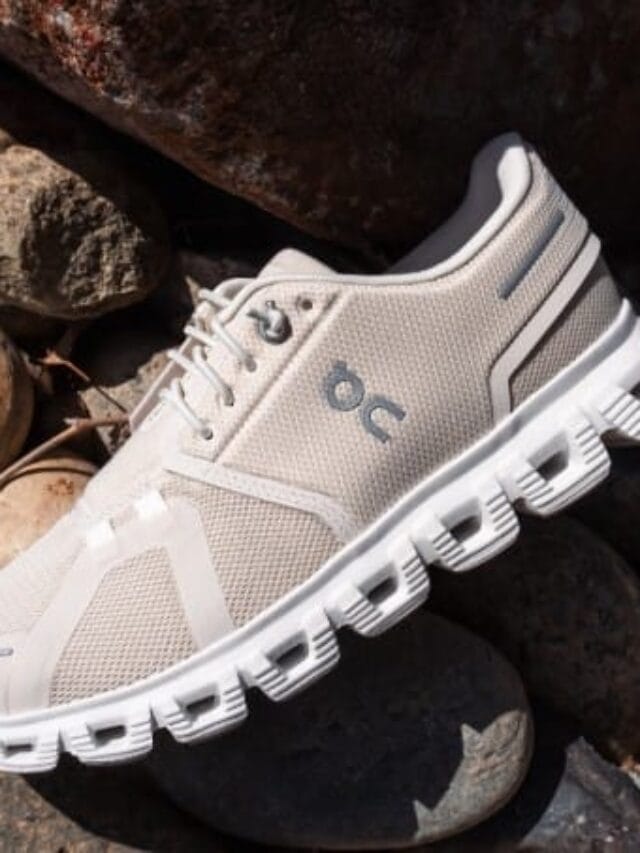
Why does this matter for a nurse? Because concrete floors are unforgiving. Unlike traditional foam slabs that offer a uniform squish, these hollow pods react to your specific gait. If you are leaning over a bed to adjust a monitor, the shoes stabilize. If you are rushing a gurney to radiology, they propel. It is a dual-utility system that mirrors the unpredictability of a Level 1 Trauma center.
Furthermore, the aesthetic is surgical. The clean lines and minimalist palettes fit perfectly within the professional atmosphere of a modern clinic. You look prepared, not just dressed.
Top Recommendations for Clinical Performance
1. The Cloud 5: The Lightweight Legend
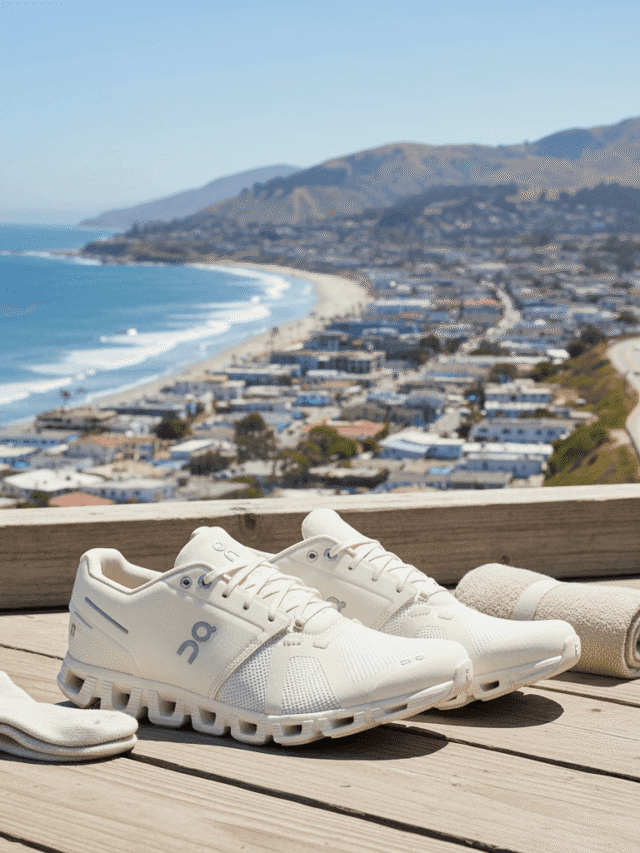
For the nurse who values agility above all else, the Cloud 5 is the quintessential choice. It is the evolution of a classic. What sets it apart in a hospital setting is the speed-lacing system. Forget about your laces coming undone while you’re wearing sterile gloves. You slip them on, and the elasticated tension keeps the shoe secure.
Best for: Short-stature shifts, students, and those who prefer a “barely there” sensation.
The Nuance: If you require heavy arch support, this might feel a bit too minimalist. However, for those with a neutral stride, the weight-to-cushion ratio is unrivaled.
2. The Cloudnova: Where Style Meets Stability
The Cloudnova is the “athleisure” crossover that actually works in the trenches. It features a “heel tongue” and an inner sock construction that wraps the foot in a soft, non-irritating embrace. For nurses who suffer from friction or blisters during long walks between wings, this is the solution.
The wider outsole provides a larger surface area. This equates to better balance. In an environment where you might be pivoting or bracing your weight to assist a patient, that extra millimeter of width is a safety feature.
3. The Cloudmonster: The Max-Cushion Powerhouse
Let’s be honest: some days are just brutal. If you are working back-to-back shifts, your feet will inevitably swell. The Cloudmonster is On’s answer to the maximalist movement. It features massive Cloud elements and a powerful Speedboard® that transforms the energy of a footstrike into forward motion.
It looks aggressive, but the feeling is like walking on high-density marshmallows. It absorbs the micro-vibrations of hard flooring that typically lead to “heavy leg” syndrome by hour ten.
The Science of the “Speedboard”
Every pair of On shoes contains a liquid-injected plate known as a Speedboard®. Think of it as a kinetic energy reservoir. When you step down, the plate flexes. As you lift your foot, it snaps back into shape.
In a running context, this makes you faster. In a nursing context, it reduces the caloric energy required to keep moving. It’s the difference between feeling exhausted and feeling merely tired. By supporting the natural rolling motion of the foot, the shoe does a percentage of the mechanical work for you.
Maintenance and Hygiene in the Medical Field
A shoe is only as good as its cleanliness. Hospitals are petri dishes. Fortunately, many On models utilize antimicrobial mesh. This doesn’t just fight the odor of a long day; it provides a barrier against the microscopic grime of the ward.
Pro Tip: If you work in an area with high fluid exposure (like the ER or Labor and Delivery), prioritize the waterproof versions. The Membrane technology keeps liquids out while still allowing your feet to breathe—a difficult engineering feat that On has managed to master.
Addressing the “Squeak” and Other Considerations
No product is perfect. New On shoes are notorious for a “squeak” on polished hospital linoleum. This usually happens when the pods are brand new and the rubber is exceptionally grippy. A quick fix? Walk on a bit of gravel or rough pavement for five minutes to break in the outer sole.
Additionally, the open-channel design of the sole can occasionally trap small debris. While rare in a clean hospital environment, it’s something to watch for if your commute involves gravel paths.
Comparing On to Traditional Nursing Clogs
For decades, the heavy leather clog was the gold standard. They were durable, but they were also heavy and rigid. The shift toward On shoes represents a shift toward “active recovery” during the workday.
| Feature | Traditional Clogs | On Cloud Shoes |
| Weight | Heavy / Dense | Ultra-lightweight |
| Breathability | Minimal | High-tech mesh |
| Slip Resistance | Excellent | Good (Model dependent) |
| Impact Absorption | Static | Dynamic / Adaptive |
While clogs offer a “bucket” for your foot to sit in, On shoes offer a chassis that moves with you. For the younger generation of healthcare professionals and those with active lifestyles outside of work, the transition to a more athletic silhouette is a logical evolution.
Beyond the Ward: Travelers and Students
The versatility of this footwear extends beyond the hospital. Students often pull double duty—attending lectures in the morning and clinicals in the afternoon. Having a single pair of shoes that looks appropriate in a classroom but performs in a cardiac unit is a significant cost-saving measure.
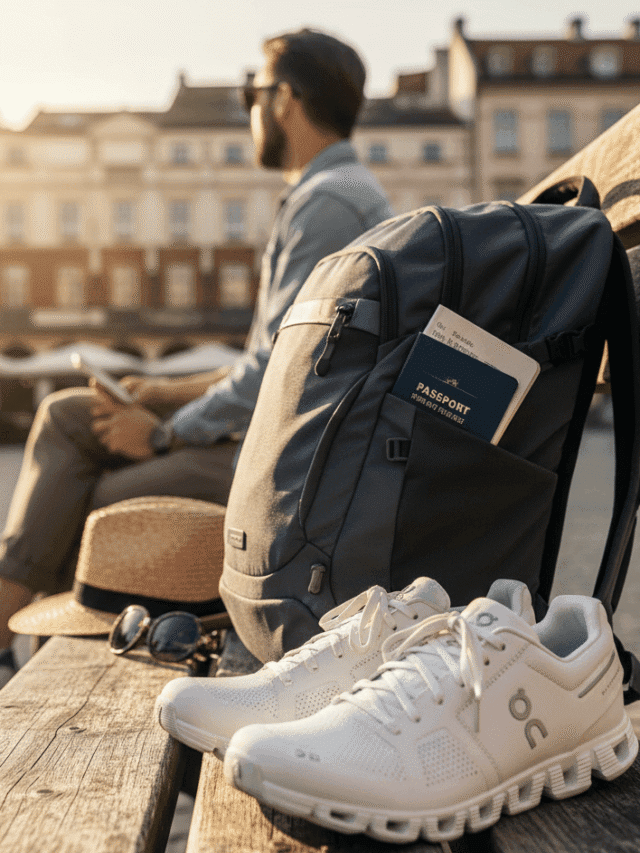
Travelers also flock to this brand for the same reasons. They are easy to slip off at TSA checkpoints and light enough to pack in a carry-on without hitting weight limits. If you can survive a 14-hour shift in them, you can certainly survive a day of sightseeing in Rome.
The Longevity Factor: When to Replace?
Nurses put more mileage on their shoes in a month than most people do in a year. Even the best foam has a shelf life. To maintain your joint health, keep an eye on the Cloud elements. Once they appear permanently compressed or the tread begins to smooth out, it’s time to retire them. Generally, for a full-time nurse, a fresh pair every six to eight months is a sound investment in injury prevention.
The Final Verdict
Selecting the best footwear isn’t about vanity; it’s about career longevity. The physical toll of healthcare is immense, and your gear should be an asset, not a liability. By integrating Swiss engineering with the specific needs of the medical community, On has created a lineup that respects the grind of the profession.
Whether you choose the agility of the Cloud 5, the plushness of the Cloudmonster, or the waterproof protection of the specialized “Shield” versions, you are giving your body a fighting chance against the concrete. Invest in your feet. They are the only ones carrying you through the noble, exhausting work you do every day.
