
Why the Right Inserts for Fallen Arches Can Change How You Move
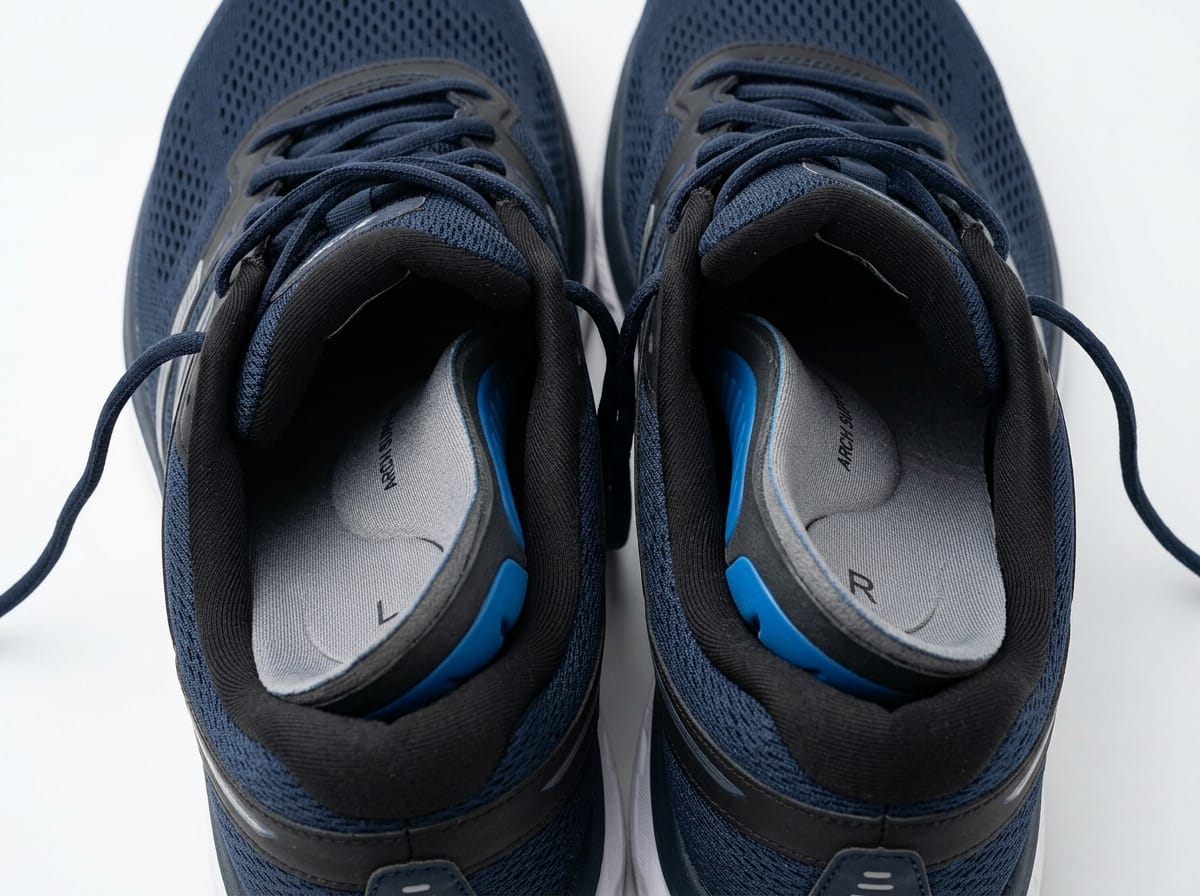
Inserts for fallen arches are specially designed orthotic insoles that support the foot’s collapsed arch, reduce overpronation, and relieve pain in the feet, knees, and lower back.
Here’s a quick look at what works best:
| Need | Best Insert Type |
|---|---|
| Everyday shoes | Low arch, firm support, deep heel cup |
| Running | Shock-absorbing, low arch with stability |
| Dress shoes / slip-ons | 3/4-length, slim profile |
| Work boots / standing all day | Heavy-duty, high cushion, full-length |
| Slim-fitting shoes | Thin, low-profile, trim-to-fit |
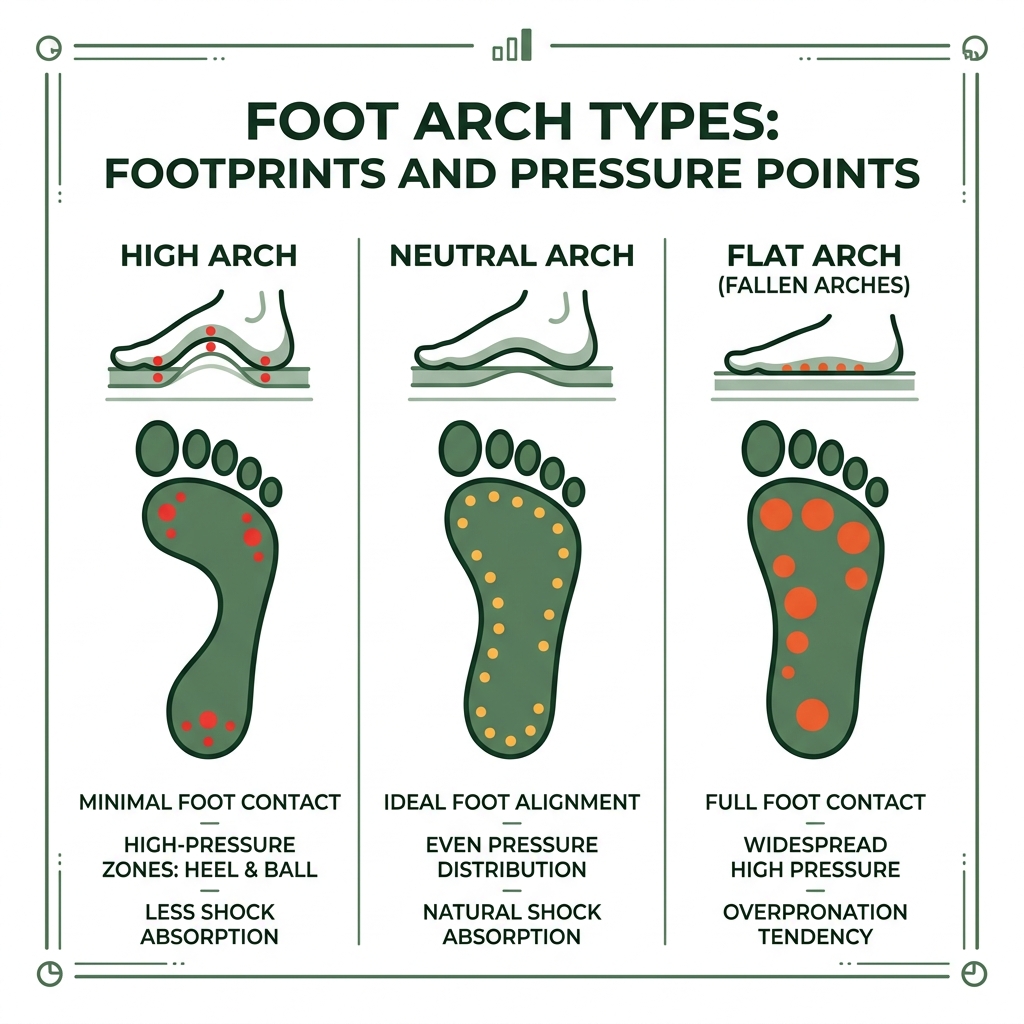
Fallen arches — also called flat feet — affect a surprisingly large number of adults. The arch collapses during weight-bearing, causing the foot to roll inward. That inward roll (overpronation) puts stress not just on your feet, but on your ankles, knees, hips, and lower back.
For runners and professionals who spend long hours on their feet, this adds up fast. Fatigue sets in earlier. Pain becomes a daily companion. And standard shoe cushioning simply doesn’t address the root cause.
The good news? The right insole can make a real difference — quickly. In one wear study, 98% of users reported less pain after just one week of using supportive arch insoles.
I’m Faisal S. Chughtai, a footwear comfort specialist with years of experience evaluating and recommending inserts for fallen arches across a wide range of activities and shoe types. In this guide, I’ll walk you through everything you need to choose the right insert — from key features to top-rated brands.
Inserts for fallen arches terms explained:
Understanding Fallen Arches vs. Low Arches
While the terms are often used interchangeably, there is a technical difference between “flat feet” and “fallen arches.” Understanding where you fall on the spectrum is the first step toward finding relief.
Congenital Flat Feet vs. Adult-Acquired Flatfoot
Some of us are simply born with flat feet. In these cases, the arch never fully developed during childhood (usually between ages 5 and 7). However, “fallen arches” typically refers to adult-acquired flatfoot. This is a condition where a person once had a functional arch that has since collapsed.
The primary culprit is often the posterior tibial tendon. This vital tendon runs down the inside of your ankle and is responsible for holding up your arch. Over time, due to age, weight gain, or repetitive strain, this tendon can weaken or stretch, leading to a loss of arch height.
The Footprint Test
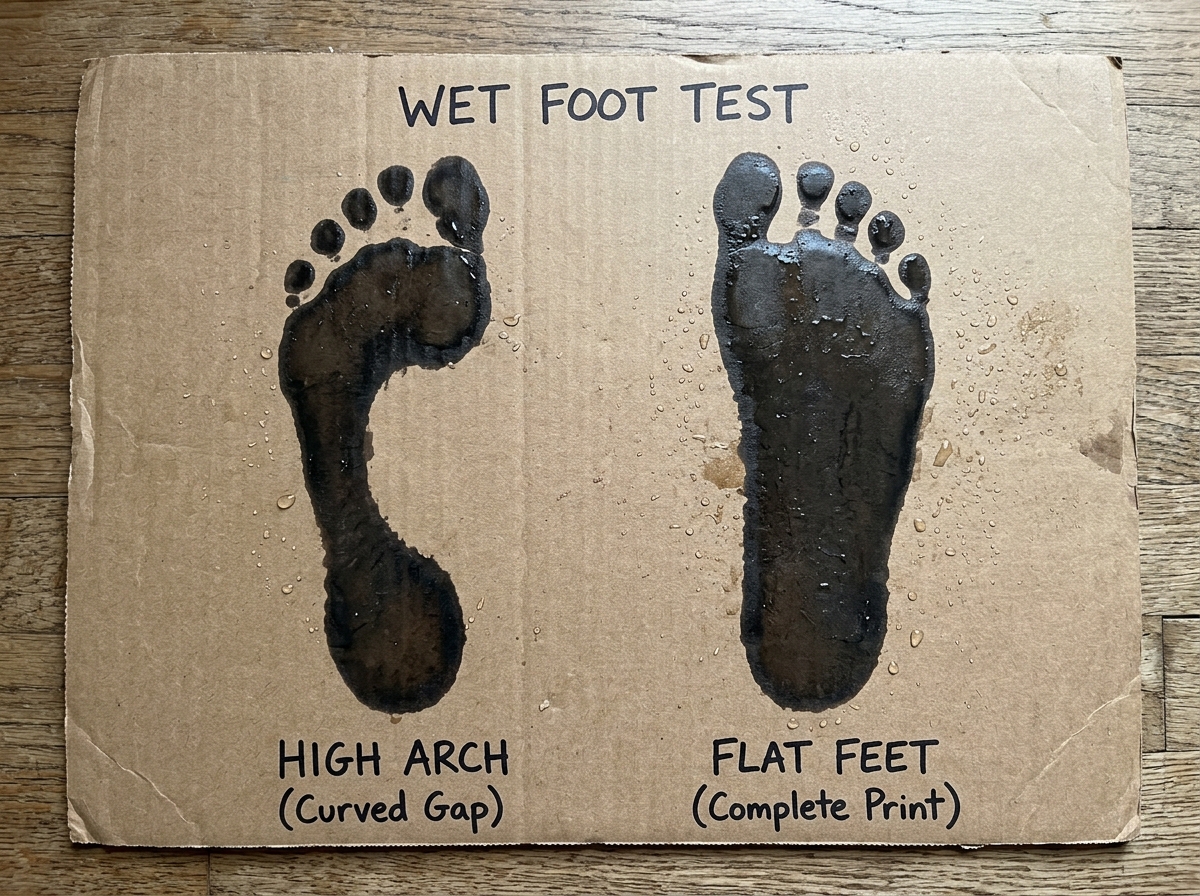
A simple way to check your arch status is the “wet foot test.” Wet the bottom of your foot and step onto a flat surface like concrete or a piece of cardboard.
- Low Arches: You will see a defined but very thick footprint where the middle part of the foot is mostly visible.
- Fallen Arches/Flat Feet: You will see a complete footprint of the entire sole. There is near-total midfoot contact with the ground.
Symptoms and Side Effects
When the arch falls, the foot loses its “spring.” This makes the foot less adaptable to uneven terrain and less effective at absorbing shock. Common symptoms include:
- Overpronation: The inward rolling of the ankles, which places extreme pressure on the big toe and the inside of the foot.
- Knee and Back Pain: Because the foundation of your body is tilted inward, your knees and hips rotate to compensate, leading to chronic misalignment and lower back fatigue.
- Fatigue: Your muscles have to work harder to stabilize your gait, leading to that “heavy leg” feeling at the end of the day.
To dive deeper into how footwear technology addresses these issues, check out our guide on everything you need to know about arch fit footwear.
How Inserts for Fallen Arches Provide Relief
Many people assume that an insole is just a soft cushion. In reality, high-quality inserts for fallen arches act as functional medical devices. They don’t just “pillow” the foot; they reorganize how your foot interacts with the ground.
Biomechanical Realignment
The primary goal of an orthotic insert is biomechanical realignment. By providing a firm structure under the midfoot, the insert prevents the ankle from rolling inward (overpronation). This stabilizes the entire kinetic chain—from your ankle up to your lower back.
Energy Return and Shock Absorption
Modern inserts often feature advanced materials like “energize foam” or high-density EVA. These materials are designed for more than just comfort; they provide energy return. A study by BioMechanica LLC found that certain high-performance insoles can offer up to 55% energy return with every step. This reduces the amount of work your muscles have to do, significantly decreasing daily fatigue.
Treating Related Conditions
Fallen arches are frequently the “root cause” of other painful conditions:
- Plantar Fasciitis: When the arch collapses, it overstretches the plantar fascia (the tissue connecting your heel to your toes). This leads to sharp, stabbing heel pain.
- Heel Spurs: Chronic pulling on the heel bone can cause calcium deposits to form.
- Tendon Support: By reinforcing the arch externally, inserts alleviate the strain on the posterior tibial tendon, allowing it to rest and potentially heal.
If you’re looking to upgrade your current footwear, you can give your favorite shoes a lift with arch support inserts to see immediate results.
Key Features of Effective Orthotics
Not all insoles are created equal. When shopping for inserts for fallen arches, you should look for specific engineering features that prioritize stability over mere softness.
- Low Arch Height: This sounds counterintuitive, but if you have flat feet, a “high arch” insert will feel like a golf ball in your shoe. You need a low, supportive profile that matches your foot’s current shape while providing a “firm foundation.”
- Deep Heel Cup: A deep, sculpted heel cup helps cradle the heel’s natural fat pad and prevents the heel from sliding side-to-side. This is crucial for controlling overpronation.
- Firm Foundation/Stabilizer Cap: Look for a semi-rigid or rigid base. While memory foam feels good for the first five minutes, it collapses under your weight and provides zero actual support for a fallen arch.
- Moisture-Wicking Fabric: Especially for runners and those in work boots, a top cover that manages moisture and odor is essential for long-term comfort.
For a closer look at localized relief, read about the best arch support pads for shoes to end foot pain.
Choosing the Right Size and Type of Inserts for Fallen Arches
Choosing the right length is just as important as the arch height:
- Full-Length Inserts: These replace the removable factory insole in your sneakers or boots. They provide maximum cushioning from heel to toe.
- 3/4-Length Inserts: These are ideal for dress shoes or slip-ons where there isn’t much room in the toe box. They provide the necessary arch support without crowding your toes.
- Trim-to-Fit: Many premium insoles come in size ranges (e.g., Men’s 8-10). You simply take your old shoe liner, place it over the new insole, and trim the excess for a perfect fit.
Specialized Support for Running and Work Boots
If you are a runner or a professional who stands all day (like a nurse or construction worker), your needs are higher.
- High-Impact Foam: For runners, look for insoles with shock-absorbing pods in the heel and forefoot to handle the force of impact.
- Heavy-Duty Support: For those over 220 lbs, certain brands offer reinforced arch supports that won’t flatten out under higher pressure. This is a common topic among Reddit’s most opinionated walkers who demand durability from their gear.
Top-Rated Brands and Comparisons
When it comes to inserts for fallen arches, a few brands consistently rise to the top of podiatrist recommendations and user reviews.
| Brand | Key Feature | Best For | Rating |
|---|---|---|---|
| PowerStep | #1 Podiatrist Recommended | All-around pain relief | 4.5/5 |
| Superfeet (Black) | Low profile, firm support | Slim-fitting/Everyday shoes | 4.3/5 |
| Footlogics | Biomechanical realignment | Overpronation & Fatigue | 4.8/5 |
| VALSOLE | Heavy-duty reinforced arch | Users 220+ lbs | 4.3/5 |
| Dr. Scholl’s | Stability & Accessibility | Budget-friendly support | 4.2/5 |
Top-Rated Brands for Inserts for Fallen Arches
- PowerStep Pinnacle Low: Often cited as the most “well-rounded” option for flat feet. It features a 20mm arch height (lower than the standard 25mm), making it comfortable for those with total arch collapse.
- Superfeet All-Purpose Support Low Arch (formerly Black): This is the gold standard for thin, firm support. It is designed to fit into shoes that don’t have much extra room while still providing a rigid stabilizer cap.
- Footlogics Comfort: These are highly rated (4.86/5) for their ability to reduce the “tired feet” feeling, particularly for those suffering from rheumatoid arthritis or age-related tendon weakening.
To see how these stack up in competitive scenarios, read our breakdown of how to step up your game with the best arch support inserts.
Cost, Guarantees, and Value
Quality inserts for fallen arches typically range from $30 to $60. While this is more expensive than basic drugstore gel inserts, the value lies in their durability and medical-grade support.
- FSA/HSA Eligibility: Many of these orthotics are considered medical devices and can be purchased using your health savings accounts.
- 60-Day Comfort Guarantees: Brands like Superfeet and PowerStep often offer a 60-day window to try the product. If your feet don’t feel better, you can return them for a full refund.
- Free Shipping: Many retailers offer free shipping on orders over $25 or $35, making it easy to test a few different styles.
Frequently Asked Questions about Inserts for Fallen Arches
How long does it take to adjust to new arch inserts?
Most people adjust within 1 to 3 days. However, because orthotics change the way your muscles and tendons work, we recommend a “break-in” period. Start by wearing them for just one hour on the first day, and increase the time by an hour each day until they feel like a natural part of your shoe.
Can exercises complement the use of orthotic insoles?
Absolutely. While inserts for fallen arches provide external support, exercises provide internal strength. We recommend:
- Heel Raises: To strengthen the calves and the posterior tibial tendon.
- Toe Scrubs: Using your toes to “scrunch” a towel on the floor to build intrinsic foot muscle strength.
- Tennis Ball Rolls: Rolling the arch of your foot over a ball to massage the plantar fascia.
When should I see a podiatrist instead of using over-the-counter inserts?
If you have severe, sharp pain that prevents you from walking, or if you have a condition like diabetes where foot changes can be dangerous, see a professional. Also, if you’ve tried over-the-counter inserts for fallen arches for four weeks without any improvement, a podiatrist can create custom-molded orthotics tailored specifically to your unique foot structure.
Conclusion
At On Clouder, we believe that foot health is the foundation of long-term mobility. Whether you are a marathon runner or a nurse working a 12-hour shift, your arches deserve the best support available. Inserts for fallen arches are one of the most cost-effective ways to eliminate pain, improve your posture, and get back to the activities you love.
Don’t let flat feet slow you down. By choosing a firm, low-profile insole with a deep heel cup, you can realign your body and move with confidence.
Ready to take the next step? Find the best arch support for your active lifestyle and start your journey toward pain-free movement today.
