
Why Finding the Best Shoes for Back Pain Can Change Everything
If you’re looking for the best shoes back pain sufferers can actually rely on, here’s a quick answer before we dive deeper:
Top Picks at a Glance:
| Use Case | Top Pick |
|---|---|
| Running | Topo Athletic Atmos |
| Walking | Saucony Tide 2 |
| Standing All Day | HOKA Arahi 8 |
| Flat Feet | ASICS GEL-KAYANO |
| Budget | New Balance Fresh Foam Arishi |
| Slip-On Convenience | Skechers Slip-Ins Ultra Flex |
What to look for in every pair:
- Arch support that matches your foot type
- 8-12mm heel-to-toe drop for most people
- Shock-absorbing midsole (not just soft foam)
- Deep heel cup and stable heel counter
- Wide enough toe box for natural foot spread
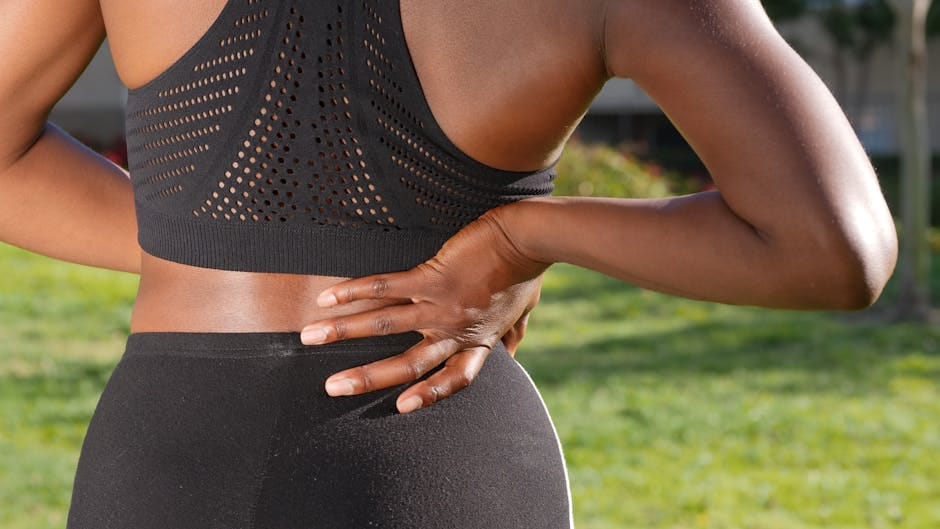
Back pain is one of those problems that’s hard to pin down. It can sneak up on you after a long shift, a morning run, or even just a walk around the block. And while there are many causes, what’s on your feet plays a bigger role than most people realize.
Poor footwear disrupts the body’s kinetic chain — the connected system running from your feet through your knees, hips, and all the way up to your spine. When your shoes lack proper support or cushioning, that impact doesn’t just stay in your feet. It travels upward, and your lower back ends up absorbing stress it was never meant to handle.
The good news? The right pair of shoes can make a real, noticeable difference — often faster than you’ve expect.
I’m Faisal S. Chughtai, a footwear expert who has spent years testing and reviewing shoes for comfort and performance, and helping people find the best shoes for back pain that actually hold up in real life. In this guide, I’ll walk you through everything you need to know to make a smart, informed choice.
Best shoes back pain terms at a glance:
How Your Footwear Impacts Spinal Health
We often think of back pain as a “back problem,” but more often than not, it’s a “foundation problem.” Think of your body like a house; if the foundation (your feet) is tilted or unstable, the roof (your spine) is going to show cracks.
When we wear shoes with improper support, several things happen simultaneously. First, there is the issue of overpronation. This occurs when your foot rolls inward excessively after landing. This inward roll creates a “domino effect”: your lower leg rotates, your knee dives inward, and your pelvis tilts. According to the Framingham Foot Study, there is a significant link between foot posture and low back pain, particularly in women. When the arch collapses, the kinetic chain is forced to compensate, leading to chronic spinal stress.
Another major factor is the heel-to-toe drop. This is the difference in height between the heel and the forefoot. Scientific research on heel-to-toe drop suggests that standard cushioned shoes with a moderate drop can influence injury risk. For many, a higher drop (8-12mm) provides necessary heel cushioning that eases the transition of weight, whereas a zero-drop shoe requires stronger calves and different mechanics to avoid jarring the spine.
Furthermore, conditions like edema (swelling) or flat feet can exacerbate back stiffness. If your shoes are too tight or lack the structural integrity to hold your foot in a neutral position, your muscles have to work overtime just to keep you upright. We’ve compiled 10 expert foot health tips to prevent pain that highlight how maintaining a neutral gait is the first step toward a pain-free back.
Key Features of the Best Shoes for Back Pain
Shopping for the best shoes back pain relief requires looking past the flashy colors and focusing on biomechanical engineering. Not all “comfortable” shoes are supportive. In fact, a shoe that is too soft can be just as damaging as one that is too hard.
Arch Support and Stability
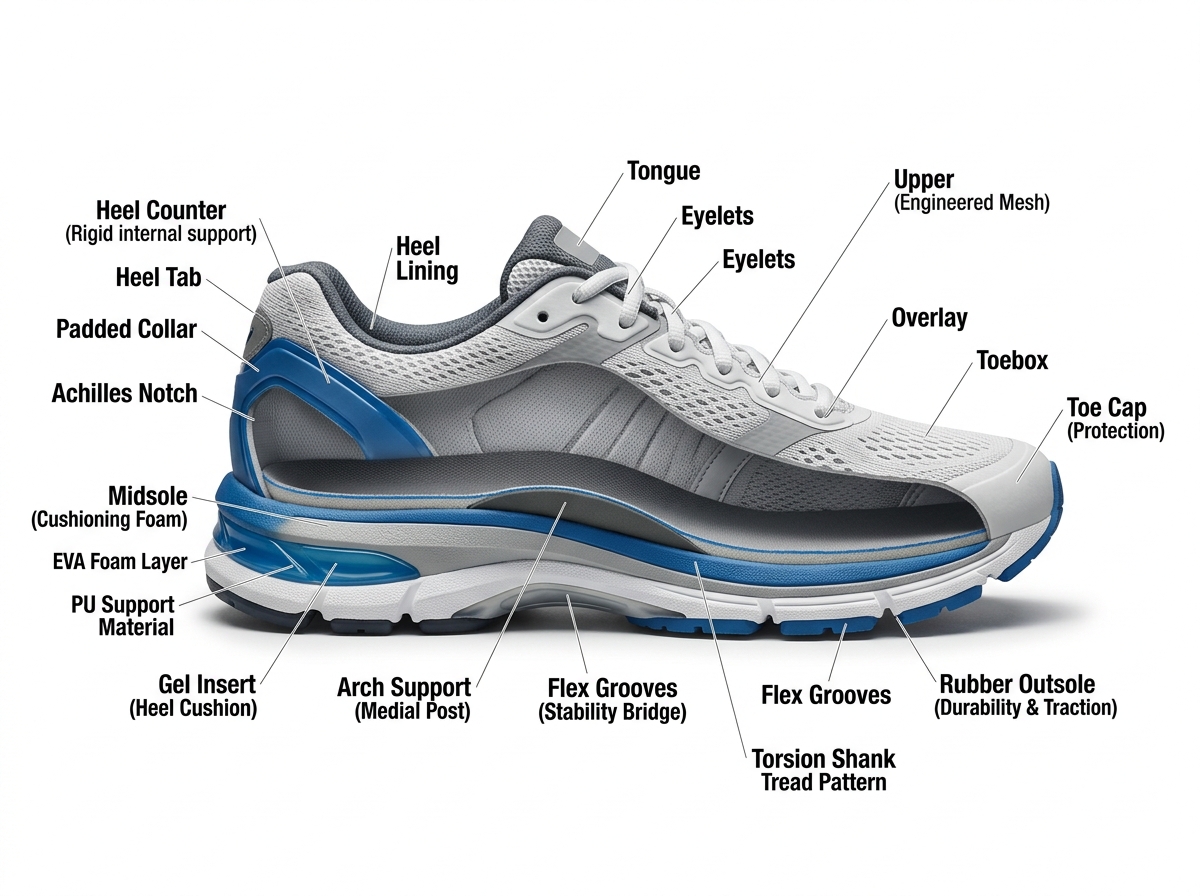
The most critical feature is arch support. A quality shoe should fill the gap under your arch to prevent it from collapsing under your body weight. This keeps your ankles aligned and prevents the pelvic tilt that causes lower back strain. If you’re curious about how different brands handle this, check out our guide on everything you need to know about arch fit footwear.
Cushioning vs. Stability
You want “balanced” cushioning. If a shoe is too plush (like a marshmallow), your foot will wobble, forcing your back muscles to stabilize your every step. If it’s too firm, the impact of the pavement travels straight to your vertebrae. We look for shock-absorbing midsoles made of high-quality EVA or proprietary foams that return energy rather than just sinking.
| Feature | Why It Helps Back Pain |
|---|---|
| Deep Heel Cup | Centers the heel to prevent side-to-side wobbling. |
| Rigid Sole | Prevents the foot from over-flexing, which strains the plantar fascia and back. |
| Wide Toe Box | Allows toes to splay, providing a wider, more stable base for the spine. |
| APMA Seal | The American Podiatric Medical Association seal ensures the shoe promotes foot health. |
The “Twist Test”
A quick tip from podiatrists: try to twist the shoe. If it folds in half or twists like a wet rag, it’s likely too flimsy for someone with chronic back issues. You want a shoe with a stable heel counter and a rigid midfoot.
Top-Rated Recommendations for Every Lifestyle
We spent weeks analyzing testing data from 43 different models to find the nine that actually move the needle for back health. These shoes utilize advanced technologies like GuideRails (which act like bowling alley bumpers for your feet) and VersoShock (patented spring systems) to neutralize impact.
Best Shoes for Back Pain: Running and Walking
For those who stay active, the Topo Athletic Atmos is our top overall pick. It features a massive amount of cushioning but maintains a neutral alignment that testers found “life-changing” for long-distance comfort. If you are more of a walker, the Saucony Tide 2 offers a slightly more rigid structure that prevents the foot from fatiguing during long strolls on concrete.
The On Running Cloudsurfer is another standout. It uses a unique computer-optimized phase cushioning that collapses like dominoes to absorb shock. For those specifically looking for the “On” feel, finding your perfect fit: On Cloud arch support is a great resource to ensure you’re getting the stability you need. Many users on social platforms agree; you can see the best arch support shoes according to walkers for more peer-vetted options.
Best Shoes for Back Pain: Standing All Day
If your job involves 8 to 12 hours on hard floors, you need a “workhorse” shoe. The HOKA Arahi 8 is a gold medalist here. It uses a J-Frame technology that supports the foot without using heavy, rigid materials. It’s lightweight but incredibly stable.
For a more specialized orthopedic approach, the GDEFY Ion and Orthofeet Coral are excellent. These brands focus heavily on medical-grade support. Orthofeet, for instance, includes “arch boosters” that you can add or remove to customize the fit. This is particularly helpful if you struggle with fatigue reduction on concrete floors. Nurses and teachers often swear by these; for more workplace-specific picks, see our best shoes for standing all day guide and our review of the best On Cloud shoes for standing all day.
Specialized Options for Flat Feet and Budget Seekers
Flat feet often lead to severe overpronation, which is a one-way ticket to lower back spasms. The ASICS GEL-KAYANO is the industry standard for this. Its 4D Guidance System provides “on-demand” stability, meaning it only kicks in when your form starts to break down. We’ve detailed why this matters in our guide: no arch, no problem: best running shoes for flat feet.
If you’re on a budget, the New Balance Fresh Foam Arishi v4 provides a surprising amount of “bounce” for a lower price point. And for those who can’t or don’t want to bend over due to acute back pain, the Skechers Slip-Ins Ultra Flex are a game-changer. They allow you to step right in without using your hands, avoiding the painful “bend and tie” routine. For more budget-friendly and specific options, check out the 5 best running shoes for flat feet and overpronation and our best shoes for flat feet and high arches 2026 guide.
Expert Tips for Maximizing Relief
Buying the best shoes back pain relief is only half the battle. How you use and maintain them matters just as much.
- Proper Sizing is Non-Negotiable: Your feet spread as you age and swell throughout the day. Always shop for shoes in the late afternoon and ensure there is a thumb’s width of space between your longest toe and the end of the shoe.
- Consider Inserts: Sometimes a great shoe needs a little extra help. Step up your game with the best arch support inserts to turn a standard sneaker into a back-saving tool. You can also give your favorite shoes a lift with arch support inserts if you aren’t ready to buy a new pair yet.
- Watch the Odometer: Most high-quality foam midsoles lose their structural integrity after 300 to 500 miles. For someone standing all day, this might be every 4 to 6 months. Once the foam “dies,” your back will be the first to feel it.
- Listen to the Experts: Harvard Health emphasizes that the right shoe should feel comfortable immediately—there shouldn’t be a long “break-in” period where you’re in pain. If it hurts in the store, it will hurt on the road.
Frequently Asked Questions about Footwear and Back Health
Can wearing the wrong shoes cause lower back pain?
Absolutely. Shoes with flat soles (like flip-flops or thin fashion sneakers) offer zero shock absorption. Every time your heel hits the ground, a shockwave travels up your leg and into your sacroiliac joints. This can lead to chronic inflammation and muscle guarding in the lower back. Similarly, high heels shift your center of gravity forward, forcing your lower back to arch excessively to keep you balanced, which pinches the spinal nerves.
Are running shoes better than walking shoes for back relief?
Generally, yes. Running shoes are engineered to handle 3x your body weight in impact forces, whereas walking shoes are only designed for about 1.5x. Because of this, running shoes often have more advanced plush cushioning and better energy return. For a “heel striker” (someone who lands heavily on their heel), the extra foam in a running shoe is a literal back-saver.
How often should I replace my shoes to prevent pain?
As mentioned, the 300-500 mile rule is standard. However, you should also look for visual cues. If the tread is worn down on one side, it means the shoe is no longer keeping you neutral. If you see wrinkles in the foam of the midsole, the “cells” have collapsed and are no longer absorbing shock. For chronic back pain sufferers, we recommend being proactive and replacing shoes at the first sign of support breakdown.
Conclusion
At On Clouder, we believe that movement is medicine, but only if you have the right foundation. Finding the best shoes back pain sufferers can trust isn’t just about fashion—it’s about protecting your spinal health and maintaining your quality of life. Whether you choose the stability of an ASICS GEL-KAYANO or the cloud-like cushion of a Topo Athletic Atmos, the goal is the same: keep your kinetic chain in alignment.
Don’t let back pain keep you on the sidelines. Invest in your foundation today and feel the difference in every step. For more in-depth reviews and performance rankings, visit us at OnClouder.com.
