
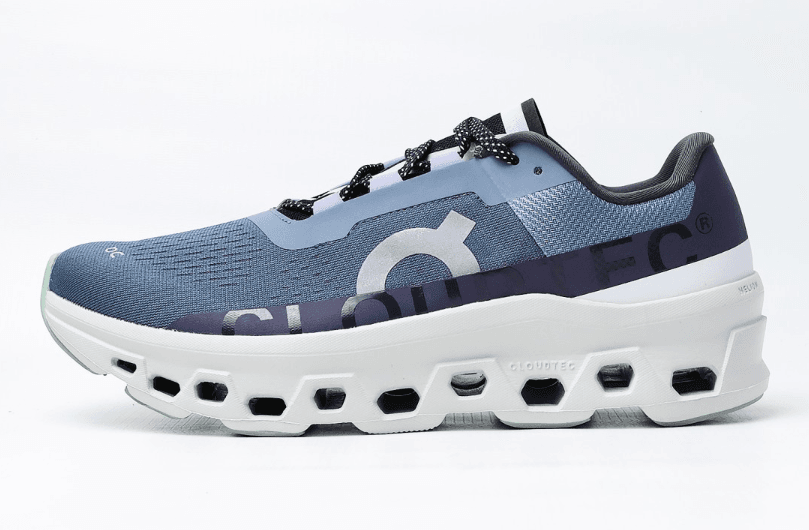
Your Running Shoes Are Dirtier Than You Think
Can running shoes be washed — and the short answer is: yes, but how you do it matters a lot.
Here’s a quick breakdown:
| Method | Safe? | Best For |
|---|---|---|
| Hand washing | Recommended | All running shoes |
| Machine washing | With precautions | Most synthetic shoes |
| Dryer | Avoid | Nothing — always air dry |
Most runners rarely wash their shoes. Either they forget, or they’re afraid of ruining them. But dirty shoes aren’t just an aesthetic problem. Dirt and debris work into the fabric and grind against your foot with every stride. Mud buildup on the outsoles reduces traction. Sweat-soaked insoles become breeding grounds for odor-causing bacteria. Over time, all of this quietly shortens the life of your shoes — and can affect how they support your feet.
Think of your running shoes the way you’d think of any quality performance gear. They’re built with technical mesh, engineered foams, and precision adhesives. They deserve more than a quick rinse — but they also don’t need to be treated like they’re made of glass.
I’m Faisal S. Chughtai, a footwear expert who has spent years helping runners find and maintain the right shoes for their needs — including answering the all-important question of can running shoes be washed without losing their shape or performance. In this guide, I’ll walk you through exactly what’s safe, what’s not, and how to keep your shoes fresh for the long haul.
Can Running Shoes Be Washed Safely?
When we look at modern trainers, we aren’t just looking at pieces of fabric stitched together. About 57% of footwear is now made from synthetic materials, including advanced polyesters, nylons, and specialized plastics. These materials are engineered for breathability and weight reduction, but they are also sensitive to how they are treated during a deep clean.
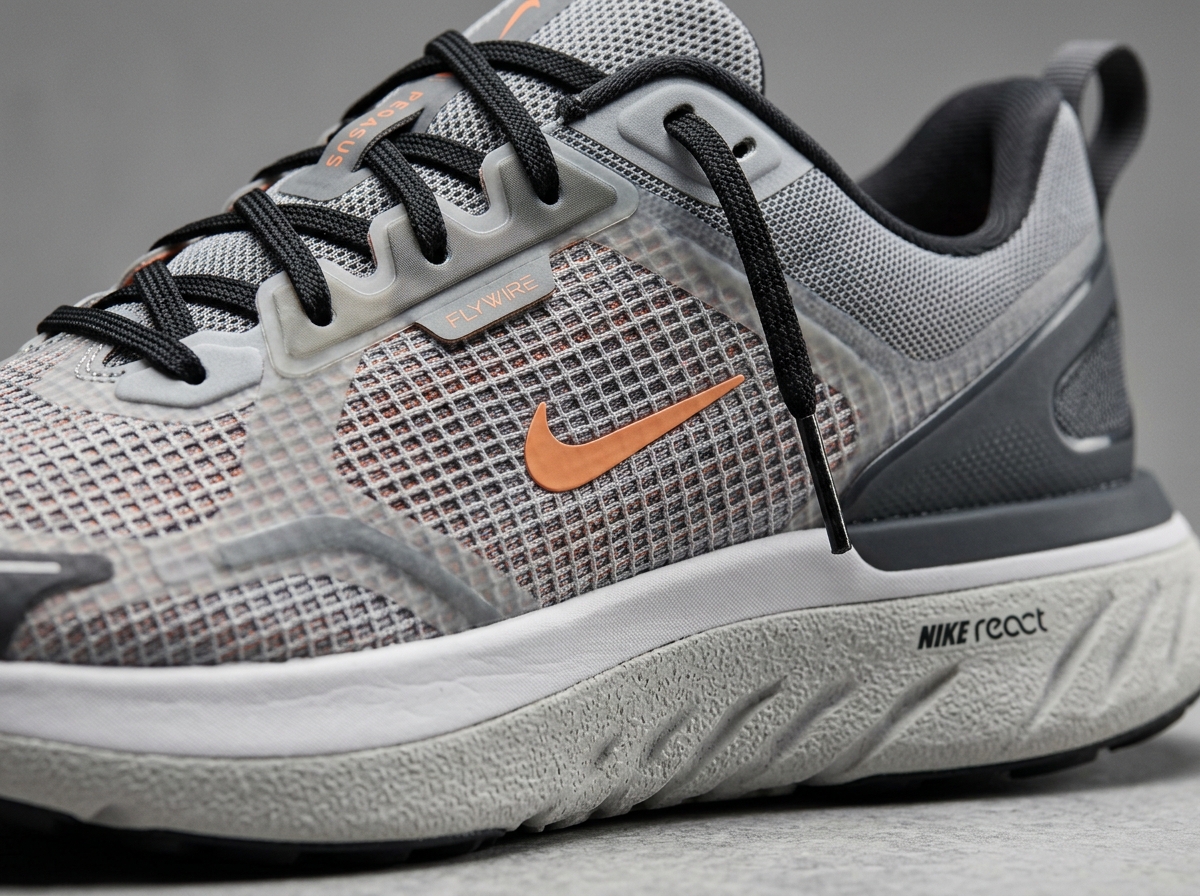
The primary concern when asking “can running shoes be washed” is the integrity of the performance foam and the adhesives holding the shoe together. High heat and harsh chemicals can cause the midsole—the part of the shoe providing your cushioning—to degrade or lose its “bounce.” Furthermore, the technical mesh used in the uppers is designed to be flexible and breathable; aggressive washing can tear these fibers or cause them to lose their structural support.
We always recommend checking the care label first, but as a general rule, synthetic shoes are resilient if handled with care. However, natural materials like leather or suede require much more specialized attention and should never see the inside of a washing machine. To ensure you aren’t accidentally destroying your investment, check out our step by step guide to the best way to clean sports shoes for a detailed breakdown of material safety.
The Best Method: Hand Washing Your Trainers
If you want to maximize the lifespan of your footwear, hand washing is the gold standard. It allows you to target specific areas of grime without subjecting the entire shoe to the mechanical stress of a spin cycle.
To get started, you’ll need a few basic supplies:
- A soft-bristled brush (an old toothbrush works wonders for tight spots).
- A firm brush for the outsoles.
- Lukewarm water (never hot!).
- Mild detergent or specialized shoe cleaner.
- A microfiber towel.
The Hand Washing Process
- Dry Brush: Before getting anything wet, use a dry brush to remove loose dirt and dried mud from the outsoles and uppers. This prevents you from simply rubbing mud deeper into the fabric.
- The Solution: Mix a small amount of mild laundry detergent (about 15-30ml) with lukewarm water.
- The Outsoles: Use your firmer brush to scrub the soles. This is crucial for trail runners, where mud buildup can severely impact traction and safety.
- The Uppers: Dip your soft brush into the soapy water and gently scrub the mesh in circular motions. For those rocking brighter colors, learning how to clean white on cloud shoes is essential to keep them looking “box-fresh.”
- Rinse and Blot: Use a damp microfiber towel to “rinse” away the soap. Avoid submerging the shoes entirely in water, as this can waterlog the foam and take days to dry.
| Benefit | Hand Washing | Machine Washing |
|---|---|---|
| Material Longevity | High | Moderate |
| Stain Targeting | Precision | General |
| Risk of Damage | Low | High |
| Effort Required | Moderate | Low |
Machine Washing: Risks and Precautions
We get it—sometimes life is too busy for a 30-minute hand-scrubbing session. While many experts advise against it, you can use a washing machine if you follow strict safety protocols. The goal is to minimize the “thumping” and heat that leads to structural failure.
The biggest risks involve the adhesives. The glue that keeps your sole attached to the upper can soften if the water is too hot. Additionally, the mechanical agitation can warp the internal heel counter, changing how the shoe fits. For a deeper dive into specific brand safety, read our complete guide for safe cleaning and our specific guide for cleaning On Cloud sneakers.
How to safely machine wash running shoes
If you decide to take the plunge with the washer, follow these steps to protect your gear:
- Remove Laces and Insoles: Wash these separately. Laces can get tangled in the agitator, and insoles can become misshapen if waterlogged.
- Use a Mesh Bag: Place your shoes in a mesh garment bag or an old pillowcase. This prevents them from banging directly against the drum.
- Towel Balancing: Add a few old, light-colored towels to the load. This balances the weight and acts as a buffer for the shoes.
- Cold Water Only: Always use the cold, delicate cycle. Hot water is the enemy of shoe glue.
- Liquid Detergent: Avoid powder detergents, as they can leave a gritty residue inside the mesh.
For a step-by-step visual, we recommend checking out Whirlpool’s guide on washing shoes for appliance-specific tips. You can also follow our step by step guide to cleaning your sneakers for more brand-specific advice.
Can running shoes be washed without damaging the midsole?
The midsole is the heart of the running shoe. It’s usually made of EVA (Ethylene Vinyl Acetate) or PU (Polyurethane) foams. These foams contain tiny air bubbles that provide cushioning. Excessive heat or heavy agitation can cause these bubbles to collapse, effectively “killing” the shoe’s responsiveness.
Using cold water isn’t just about protecting the foam; it’s also an environmental win. Washing on cold rather than hot shrinks your carbon footprint by about 10 kg CO2e per year—the equivalent of driving your car 25 miles! To learn more about maintaining that “cloud-like” feel, see our article on how to wash on cloud shoes safely.
Drying and Post-Wash Maintenance
The cleaning is only half the battle. How you dry your shoes is arguably more important than how you wash them. Never, under any circumstances, put your running shoes in the dryer. The high heat will shrink the synthetic fibers and warp the midsoles beyond repair.
Instead, follow these air-drying best practices:
- Stuff Them: Use plain newspaper or paper towels (avoiding colored ink that might bleed). Stuffing the shoes helps them maintain their shape and wicks moisture from the inside out.
- The 8-Hour Rule: Running shoes may take up to 8 hours (or even a full day) to dry completely. Patience is key.
- Avoid Direct Sun: While it’s tempting to put them in the sun to speed things up, UV rays can break down materials and fade colors. A well-ventilated, shaded area is best.
- Insole Care: Dry your insoles separately. If they still smell, a sprinkle of baking soda can help neutralize lingering odors.
- The Fan Trick: If you’re in a rush, place the shoes in front of a floor fan. The moving air speeds up evaporation without the damaging heat of a dryer.
For more technical support on drying, you can visit the Whirlpool product help page.
When to Clean vs. When to Replace
Cleaning can do wonders, but it can’t fix a shoe that has reached the end of its life. We recommend a deep clean roughly every 6 months or every 200 miles, but you should also be looking for signs of permanent wear.
Signs it’s time to stop cleaning and start shopping:
- Traction Loss: If the rubber on the outsole is smooth, you’re at risk for slips, especially on trails.
- Midsole Bottoming Out: If you feel the ground more than you used to, the foam has lost its structural integrity.
- Joint Fatigue: If you start feeling new aches in your knees or hips after a run, your shoes likely aren’t absorbing impact anymore.
- The 500-Mile Rule: Most running shoes are designed to last between 300 and 500 miles. No amount of washing will bring back the support of a shoe with 600 miles on it.
Cleaning is also an ecological responsibility. For trail runners, washing off mud prevents the transport of invasive plant species from one trail system to another. It’s not just about looking good; it’s about being a responsible runner.
Frequently Asked Questions
How often can running shoes be washed?
There is no hard rule, but once every 200 miles or every 6 months is a good baseline. However, if you are a trail runner dealing with heavy mud, you should clean your outsoles after every run to maintain traction. For road runners, odor is usually the best cue that a wash is needed.
Can Gore-Tex running shoes be washed?
Yes, but they require extra care. Use specialized cleaners designed for technical outerwear to avoid clogging the pores of the waterproof membrane. After washing, you may need to apply a fresh DWR (Durable Water Repellent) spray to the exterior to ensure water continues to bead off the surface.
Will the washing machine cause the shoes to shrink?
Only if you use heat. Synthetic fibers like polyester and nylon are generally stable in cold water. It is the heat from a hot wash or a dryer that causes the materials to contract and shrink. Stick to air drying at room temperature, and your fit should remain consistent.
Conclusion
At On Clouder, we believe that taking care of your gear is just as important as the training you put in. Knowing can running shoes be washed gives you the power to extend the life of your favorite pair, save money, and maintain peak performance. Whether you choose the meticulous hand-wash method or the convenience of a cold-cycle machine wash, the key is always to avoid heat and treat the technical materials with respect.
Ready to get those trainers looking brand new? Follow our step-by-step guide to cleaning your sneakers and hit the road with confidence and fresh-smelling feet!
