
Your Brooks Sneakers Deserve Better Than a Spin Cycle
Can brooks sneakers be washed — and the short answer is yes, but only the right way.
Here’s what you need to know at a glance:
| Method | Safe? | Notes |
|---|---|---|
| Hand washing | Yes | Recommended by Brooks |
| Machine washing | No | Damages glue, foam, and structure |
| Machine drying | No | Warps materials, fades colors |
| Air drying | Yes | Stuff with newspaper, keep away from heat |
| Soaking/submerging | No | Reduces cushion, elasticity, and shape |
Brooks officially recommends hand washing only — using a soft brush, mild detergent, and cold or lukewarm water. No washer. No dryer. No shortcuts.
That said, there’s a lot more to getting it right. The wrong move — even a well-meaning one — can break down the foam cushioning your arches depend on, weaken the adhesives holding your shoe together, or void your warranty entirely.
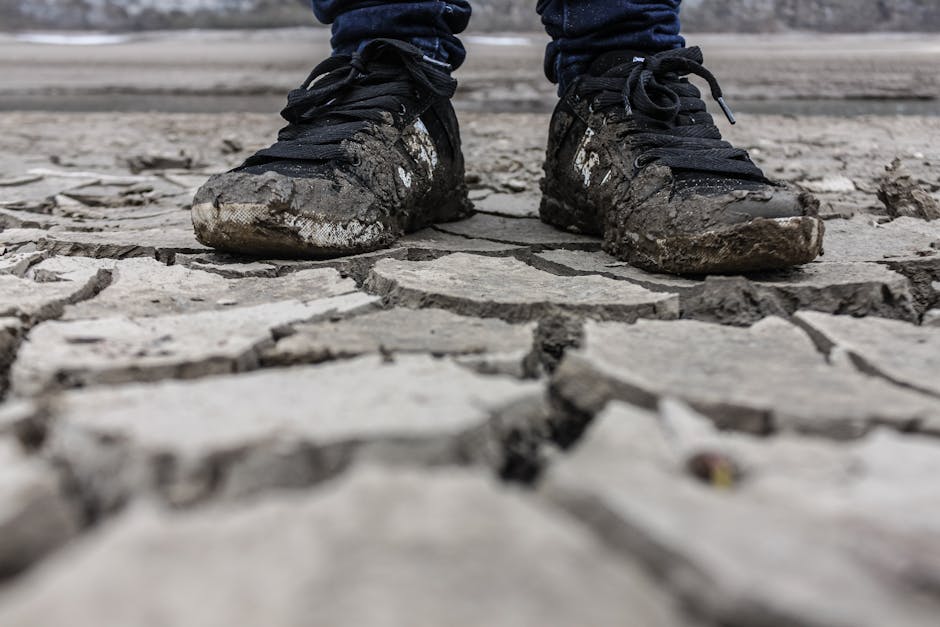
A little dirt on your Brooks is a badge of honor. But letting it build up — or cleaning them the wrong way — is where runners quietly shorten the life of a $150 investment.
I’m Faisal S. Chughtai, a footwear performance expert who has spent years helping runners understand how to care for their athletic shoes, including answering the exact question of can brooks sneakers be washed safely at home. In this guide, I’ll walk you through everything Brooks officially recommends — plus the practical details they leave out.
Can Brooks Sneakers Be Washed? The Official Verdict
When we look at the official stance from the manufacturer, the answer to can brooks sneakers be washed is a resounding “yes,” but with a major asterisk. Brooks provides very specific Gear Maintenance guidelines that prioritize the longevity of the technical materials over the convenience of a quick cleaning.
The official recommendation is to hand wash only. According to the Brooks Running Help Center, maintaining the material integrity of your shoes is paramount. These aren’t just pieces of fabric; they are highly engineered pieces of equipment featuring specialized foams, mesh, and adhesives.
By sticking to hand washing, you protect the warranty of your shoes. Many runners don’t realize that subjecting performance footwear to aggressive cleaning methods can actually void manufacturer protections. When we clean our Brooks by hand, we ensure that the synthetic mesh stays taut and the DNA foam remains responsive for every mile of its intended lifespan.
Why you should avoid the machine even if Brooks sneakers can be washed
It is incredibly tempting to toss a muddy pair of Adrenalines or Ghosts into the washing machine after a rainy run. However, even if you’ve heard anecdotes of runners doing this without immediate disaster, we strongly advise against it.
The primary culprit is the combination of heat, water saturation, and mechanical agitation. Modern running shoes rely on sophisticated adhesives (glue) to hold the various layers of the sole and upper together. The warm water and constant tumbling in a machine can cause these glues to degrade, leading to “delamination”—where the tread literally starts to peel away from the midsole.
Furthermore, the foam cushioning is designed to bounce back from the impact of your stride, not the chaotic tumbling of a wash cycle. Machine washing can lead to foam warping, which changes the geometry of the shoe and can lead to discomfort or even injury. If you’re curious about how this compares to other brands, you might want to read our guide on Can You Put Clouds in the Washing Machine? to see why the “no-machine” rule is a gold standard in the industry.
The risks of improper cleaning methods for Brooks footwear
Using the wrong cleaning method isn’t just about aesthetics; it’s about performance. When we submerge Brooks shoes entirely in water for long periods, we risk several structural failures:
- Loss of Elasticity: The fibers in the engineered mesh can stretch out, losing the “lockdown” feel that keeps your foot secure.
- Cushion Compression: Excess water can infiltrate the cell structure of the midsole foam, potentially causing it to lose its “pop” or energy return.
- Structural Failure: The internal heel counter and supportive overlays can soften and lose their shape, turning a supportive shoe into a floppy one.
- Appliance Damage: It’s not just the shoes at risk! Heavy running shoes banging around in a drum can damage the balance of your washing machine.
Step-by-Step Hand Washing Guide
Now that we’ve established that can brooks sneakers be washed means “can be hand washed,” let’s get into the nitty-gritty of the process. You don’t need a professional cleaning kit to get great results; most of what you need is already in your kitchen or laundry room.

We recommend gathering a soft-bristled brush (an old toothbrush works wonders for tight spots), a mild detergent or dish soap, and two cloths. For a general overview of this process across different brands, check out our Step-by-Step Guide to the Best Way to Clean Sports Shoes.
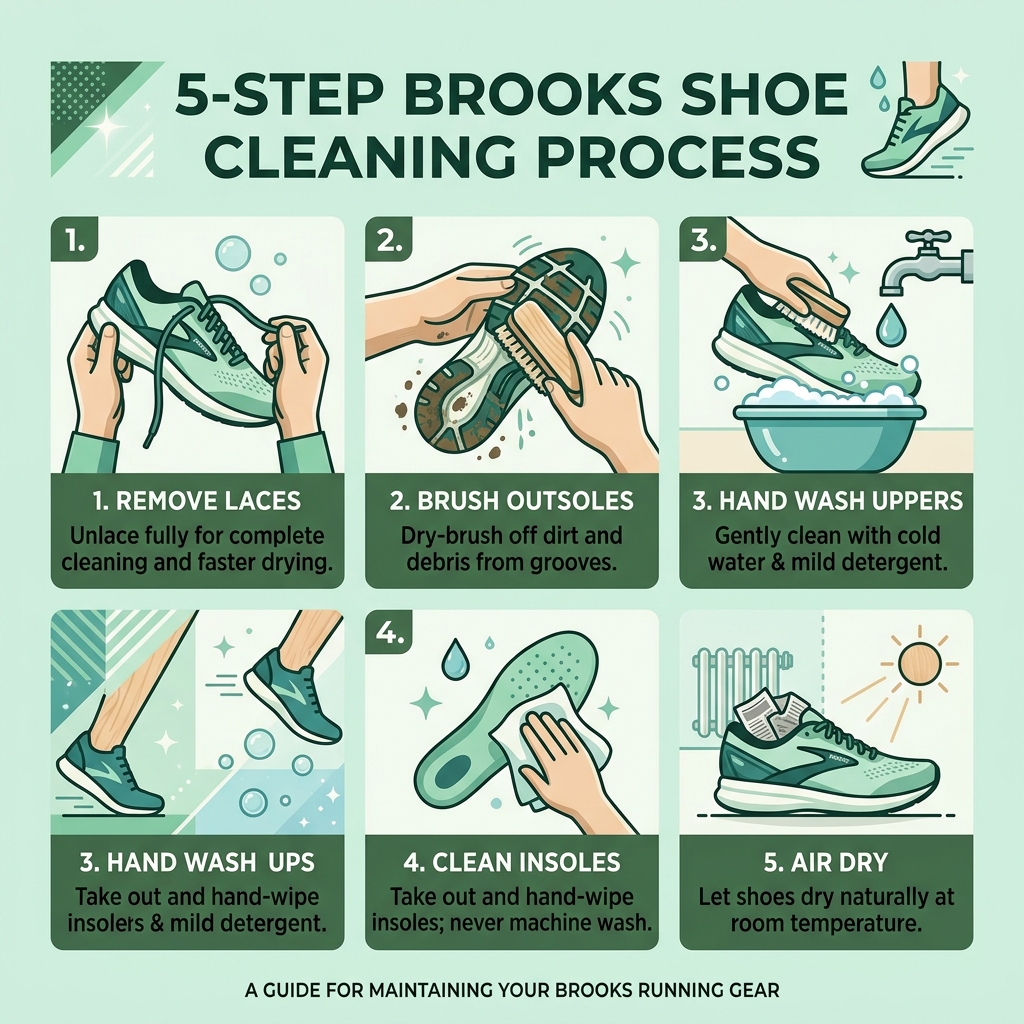
Step-by-step: How Brooks sneakers can be washed safely by hand
Follow these steps to ensure your Brooks come out looking fresh without losing their performance edge:
- Remove the Laces and Insoles: These should always be cleaned separately. It allows you to reach the “tongue” of the shoe and ensures the interior dries properly.
- Brush Off Loose Debris: Before getting the shoes wet, use a dry, stiff brush to knock off dried mud, dust, and salt. This prevents you from simply rubbing dirt deeper into the mesh.
- Prepare Your Solution: Mix a small amount of mild detergent with lukewarm water. Avoid bleach or harsh “oxygen” cleaners which can break down synthetic fibers.
- Spot Clean the Uppers: Dip your soft brush or cloth into the soapy water and gently scrub the mesh in circular motions. Don’t soak the shoe; just dampen the surface enough to lift the stains.
- Scrub the Outsoles: You can be a bit more aggressive here. Use a stiffer brush to get into the lugs and grooves of the tread to remove trapped rocks and caked-on mud.
- Rinse Damply: Instead of holding the shoe under a running faucet (which leads to soaking), use a clean cloth dipped in plain water to “rinse” away the soap suds.
Cleaning the details: Insoles, laces, and outsoles
The “hidden” parts of the shoe often hold the most bacteria and odor.
- Insoles (Liners): These are the primary collectors of sweat. Scrub them gently with a soapy sponge and rinse. If they have a persistent funk, a paste of baking soda and water left on for 30 minutes before rinsing can work wonders.
- Laces: These are the only part of the shoe that can safely go in the washing machine. Put them in a small mesh bag to prevent tangling, or simply soak them in a bowl of soapy water and pull them through a cloth to dry.
- Midsoles: The white foam on the side of the shoe often yellows or stains. A soft toothbrush and a bit of extra elbow grease can help restore the brightness. Some runners even use a specialized “eraser” sponge for these areas.
Drying and Material Maintenance
The cleaning is only half the battle. How you dry your Brooks is arguably more important than how you wash them. Improper drying is the number one cause of “toe curling” and material shrinkage.
Avoiding heat and sunlight during the drying process
The golden rule of drying Brooks shoes is: Stay away from heat. This means no hair dryers, no radiators, no clothes dryers, and—surprisingly—no direct sunlight.
While the sun’s UV rays are great at killing bacteria, they are terrible for technical fabrics. Direct sunlight can cause colors to fade rapidly and can make the lamination on the overlays brittle, leading to cracking.
The best method is to stuff the shoes with plain newsprint or paper towels. This helps the shoe maintain its shape while drawing moisture out from the inside. Place them in a cool, well-ventilated room. Depending on the humidity, it may take 24 to 48 hours for them to dry completely. Patience is a runner’s best friend here! For more on this, the Brooks Support Australia page emphasizes that air drying is the only way to prevent warping.
How Brooks materials affect your cleaning strategy
Brooks uses a variety of materials that react differently to water:
- Synthetic Mesh: Found in models like the Ghost or Adrenaline, this mesh is breathable but can trap fine dust. Gentle circular scrubbing is key here.
- DNA Loft / BioMoGo DNA Foam: These are Brooks’ signature cushioning materials. They are sensitive to extreme temperatures, which is why we avoid hot water and dryers.
- Gore-Tex (GTX): If you have a waterproof Brooks model (like the Cascadia GTX), be extra careful. Harsh detergents can strip the Durable Water Repellent (DWR) coating. Use only water or a cleaner specifically designed for technical outdoor gear.
- Rubber Outsoles: These are incredibly durable. Don’t be afraid to use a toothpick or small screwdriver to pop out those annoying pebbles stuck in the tread—it actually improves your traction!
When to Clean vs. When to Replace
Cleaning your shoes can extend their life, but it can’t make them last forever. Research shows that well-maintained Brooks shoes can last 500-700 miles, whereas neglected ones often give out between 300-400 miles.
| Feature | Road Running | Trail Running |
|---|---|---|
| Cleaning Frequency | Every 40-50 miles or when smelly | After every muddy/wet run |
| Main Concern | Salt/Sweat buildup | Mud clogging traction |
| Typical Lifespan | 400-500 miles | 300-400 miles (harsher terrain) |
| Maintenance Tip | Rotate with a second pair | Check lugs for debris immediately |
If you’re wondering how Brooks stacks up against other brands for your specific needs, check out our comparisons of On Cloud vs Brooks for Walking or Saucony vs Brooks.
How often should you clean your Brooks running shoes?
We recommend a light cleaning every few weeks if you are a daily road runner. You don’t always need a full wash; often, a quick wipe-down with a damp cloth to remove salt from sweat is enough. For trail runners, cleaning is more urgent. Caked mud on the outsole reduces traction, which can lead to slips and injuries.
Regularly cleaning your shoes removes the bacteria that cause odors and prevents dirt from acting like sandpaper against the mesh fibers. If you want to know what the experts think about these shoes, see our article on What Do Podiatrists Think of Brooks Shoes?.
Signs it is time to let go of your Brooks shoes
No amount of cleaning can fix a “dead” shoe. It’s time to replace your Brooks when:
- The Midsole Feels Flat: If you notice new aches in your knees or hips after a run, the foam has likely compressed beyond its ability to absorb shock.
- The Tread is Gone: Smooth spots on the outsole mean you’ve lost your grip.
- The “Upper” is Torn: If your pinky toe is poking through the mesh, the structural integrity is gone.
- Persistent Odors: If they still smell like a swamp after a deep clean and baking soda treatment, bacteria have likely colonized the deep foam layers.
Frequently Asked Questions about Brooks Shoe Care
Can I use bleach on white Brooks sneakers?
No! Bleach is too harsh for the synthetic materials and glues used in Brooks shoes. It can turn white mesh yellow and weaken the fibers, leading to premature holes. Use a mixture of baking soda and mild dish soap for stubborn stains on white shoes instead.
Is it safe to use a hair dryer to speed up drying?
We strongly advise against this. The concentrated heat from a hair dryer can melt the adhesives holding the shoe together and cause the synthetic upper to shrink or warp. Stick to the newspaper-stuffing method.
Do I need special sneaker cleaners for Brooks mesh?
While specialized cleaners (like enzymatic cleaners) are great for breaking down organic odors, they aren’t strictly necessary. A mild, dye-free dish soap or a dedicated “gentle” laundry detergent like Woolite works perfectly well for most runners.
Conclusion
Protecting your investment in Brooks footwear starts with proper maintenance. While the question of can brooks sneakers be washed is a common one, the secret isn’t in the washing—it’s in the way you wash. By avoiding the machine, using gentle materials, and allowing for a slow air-dry, you can keep your shoes performing at their peak for hundreds of miles.
At On Clouder, we believe that the right gear makes all the difference, but only if you take care of it. Whether you are choosing between brands or trying to save a muddy pair of trainers, our goal is to keep you running comfortably. For more tips on maintaining your favorite sneakers, don’t miss our On Cloud Shoes Step-by-Step Guide. Happy running!
