
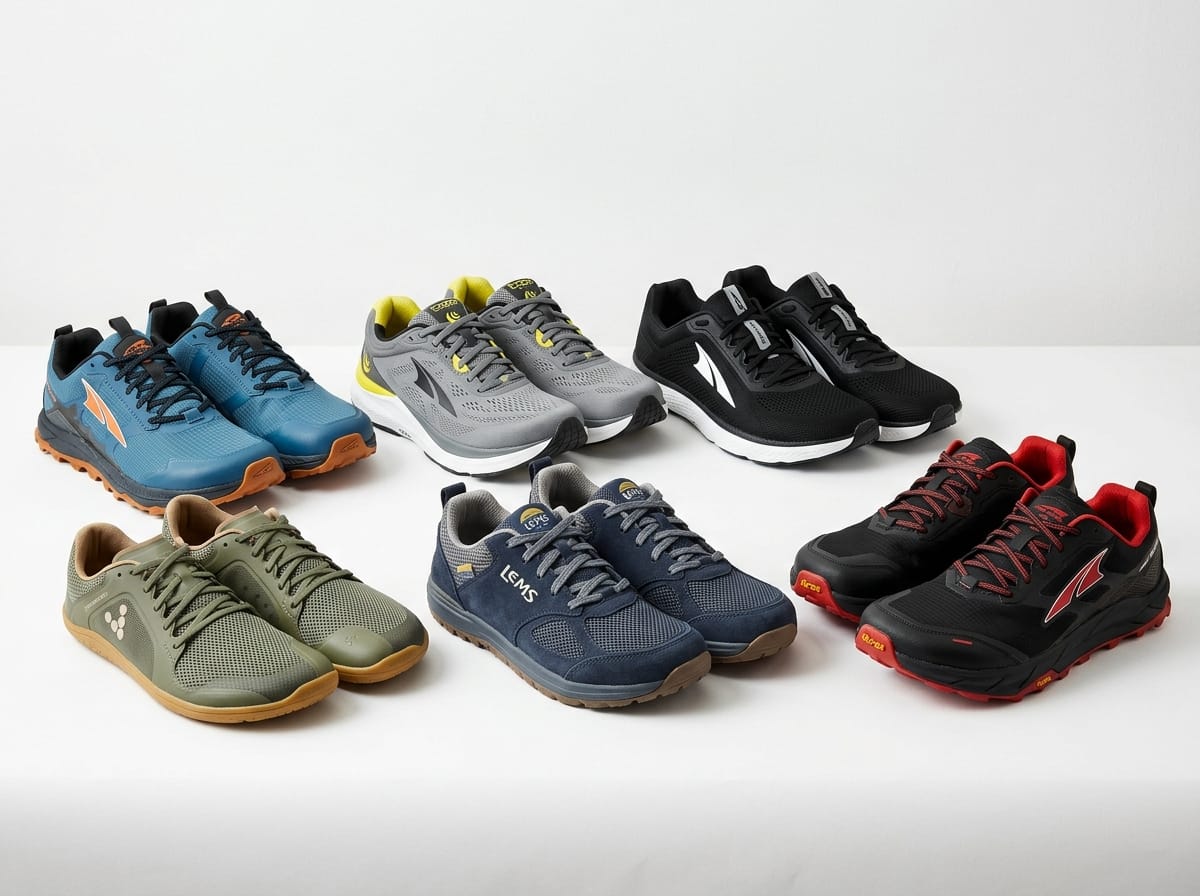
Why Your Toes Deserve More Room Than Most Shoes Allow
Big toe box shoes are footwear designed with extra width and height at the front of the shoe, giving your toes room to spread naturally — and they’re one of the simplest upgrades you can make for your foot health.
Quick answer — best big toe box shoes by use case:
| Use Case | Top Pick |
|---|---|
| Walking | Topo Phantom 3 |
| Running | Altra Experience Flow 2 |
| Standing all day | On Running Cloudsurfer Next Wide |
| Budget pick | WHITIN Zero Drop Wide Toe Box |
| Trail running | Altra Lone Peak 9 Wide |
| Minimalist/barefoot feel | Xero Shoes HFS II |
Most shoes taper sharply at the front — squeezing your toes together with every step. Over time, that pressure doesn’t just cause discomfort. It can lead to bunions, hammertoes, plantar fasciitis, and even knock-on problems in your ankles, knees, and lower back.
The good news? You don’t have to go full barefoot or wear clunky orthopedic shoes to get more toe room. There’s a wide range of stylish, supportive, and performance-ready options that give your feet the space they need — without sacrificing cushioning or looks.
I’m Faisal S. Chughtai, a footwear comfort specialist who has spent years helping people find the right big toe box shoes for everything from daily runs to long work shifts. Let’s find the right pair for you.
Why Big Toe Box Shoes Matter for Foot Health
We often think of foot pain as an inevitable part of aging or being active, but scientific research on incorrectly fitted footwear shows that many common disorders are directly linked to shoes that don’t match our natural foot shape. When we cram our feet into tapered toe boxes, we aren’t just uncomfortable; we are physically altering our skeletal alignment.
Big toe box shoes provide immediate bunion relief by removing the lateral pressure that pushes the big toe toward the second toe. If you already struggle with these bony bumps, you know that finding shoes that stop the squeeze for bunions is a total game-changer. It allows the joint to rest in a neutral position, reducing inflammation and pain.
Beyond bunions, these shoes address several other conditions:
- Hammertoes: Extra vertical height (volume) in the toe box prevents the tops of curled toes from rubbing against the shoe’s upper, preventing painful calluses.
- Morton’s Neuroma: By allowing the metatarsal bones to spread out, big toe box shoes reduce the compression on the nerves between your toe joints, which often causes that “pebble in my shoe” stinging sensation.
- Plantar Fasciitis: A wider base of support allows for better weight distribution. When your toes can splay, your arch can function more naturally, reducing the strain on the plantar fascia ligament.
- Improved Circulation: Squeezing the forefoot restricts blood flow. A roomy front end keeps the “piggies” warm and prevents that dreaded numbness during long walks or runs.
Top-Rated Big Toe Box Shoes for Walking and Running
Finding the right balance between a spacious forefoot and modern athletic technology used to be difficult. Today, brands like Topo Athletic and Altra have mastered the “anatomical” fit—meaning the shoe is shaped like a human foot, not a pointed arrow.
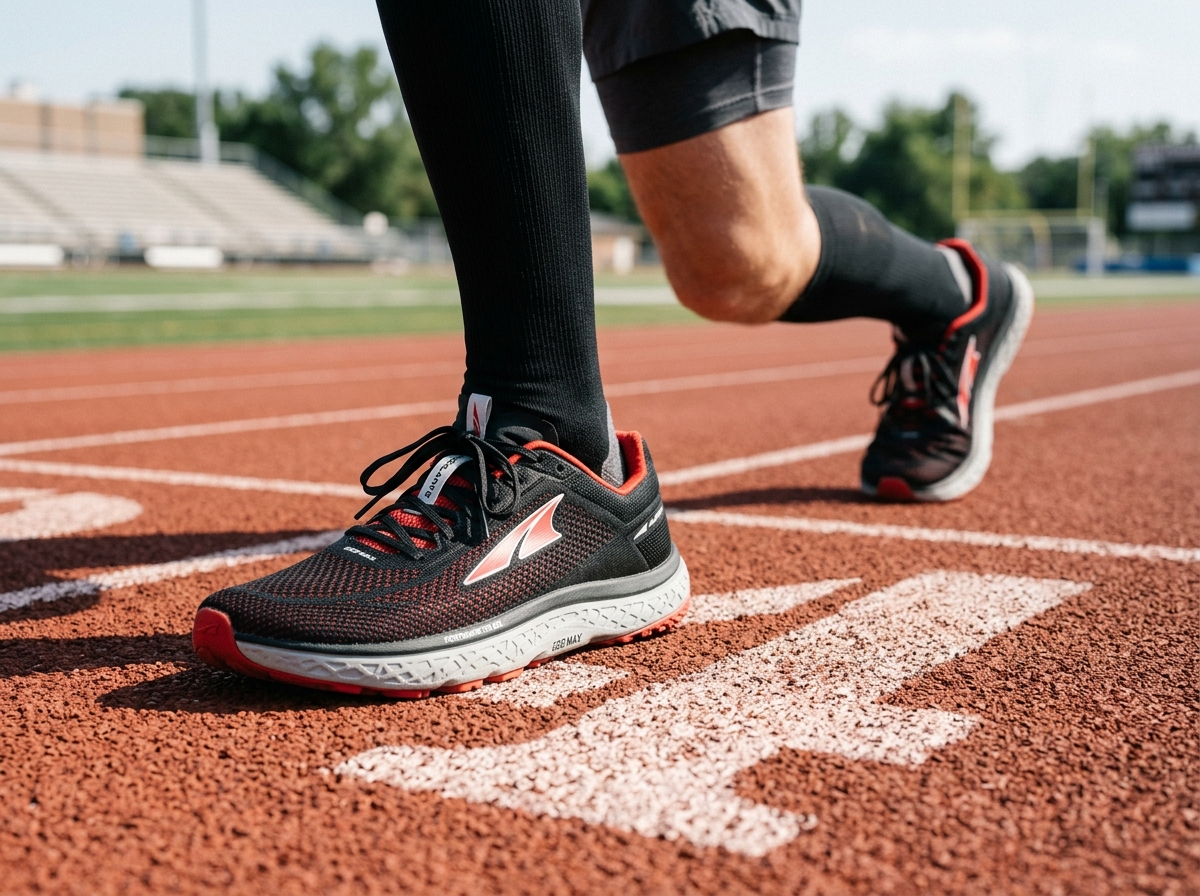
Comparison Table: Leading Performance Models
| Feature | Topo Phantom 3 | Altra Experience Flow 2 | Brooks Ghost 17 |
|---|---|---|---|
| Big Toe Area | 82.1 mm (Massive) | Wide & Anatomical | Standard Wide Option |
| Drop | 5 mm | 4 mm | 12 mm |
| Cushioning | High/Plush | Balanced/Responsive | Soft/Stable |
| Best For | Long Walks | Road Running | Daily Training |
For those focused on wide width running shoes, the Topo Phantom 3 stands out with a big toe area that is 11.4% wider than the industry average. It offers excellent shock absorption without the “mushy” feel that can lead to instability.
The Altra Experience Flow 2 is a fantastic choice for runners transitioning away from traditional shoes. Unlike Altra’s classic “zero-drop” models, this has a subtle 4mm rocker geometry that assists with forward motion while still providing that legendary foot-shaped toe box.
If you prefer a more traditional feel with a higher heel, the Brooks Ghost 17 (available in wide widths) carries the APMA Seal of Acceptance. It provides a reliable, neutral ride that many nurses and retail workers swear by for 12-hour shifts.
How to Identify a Truly Wide Toe Box
Not all “wide” shoes are created equal. Many traditional brands simply scale up the entire shoe, resulting in a heel that slips and a midfoot that feels sloppy. A truly big toe box shoe uses an anatomical last.
To identify a quality pair, look for these three markers:
- The Big Toe Test: Measure the width specifically at the big toe. For example, the Topo Atmos boasts an 85.0 mm big toe area—15.6% wider than the 73.5 mm average. A true wide toe box stays wide all the way to the end rather than tapering inward.
- Vertical Volume: If you have hammertoes or high arches, height matters as much as width. Look for shoes with at least 27-29mm of vertical space in the forefoot.
- Flexible Uppers: Shoes with a mesh upper allow for natural expansion as your feet swell throughout the day. Look for reinforced stitching in high-wear areas to ensure the wider shape doesn’t lead to premature blowouts.
Some premium brands even offer a Plus Fitting System®, which includes removable insoles to customize the depth of the shoe—perfect for those who need to accommodate custom orthotics without sacrificing toe room. If you want to explore the most extreme versions of this, you might look into barefoot wide toe box shoes, though many users prefer the “in-between” cushioned models we’ve highlighted here.
Buying Guide: What to Look for in Big Toe Box Shoes
When shopping for your next pair, keep these technical specs in mind to ensure you get the comfort you deserve:
- Heel-to-Toe Drop: This is the difference in height between the heel and the forefoot. Traditional shoes have a 10-12mm drop. If you are new to women’s wide toe box options, a low drop (4-5mm) is often the “sweet spot” for natural alignment without straining your Achilles tendon.
- Stack Height: This refers to the amount of material between your foot and the ground. If you stand on concrete all day, look for a higher stack height (30mm+) for maximum cushioning.
- The APMA Seal: Look for the APMA Seal of Acceptance. This means a committee of podiatrists has reviewed the shoe and determined it promotes good foot health.
- Outsole Durability: Wide shoes have more surface area hitting the ground. Ensure the rubber is high-quality (like Vibram or specialized carbon rubber) so the tread doesn’t wear down unevenly.
Transition Tip: If you are coming from narrow, high-heeled footwear, don’t jump straight into 10-mile walks. Your foot muscles have likely weakened from being “cast” in tight shoes. Start by wearing your new big toe box shoes for a few hours a day to let your toes rediscover how to splay and support your weight.
Frequently Asked Questions about Big Toe Box Shoes
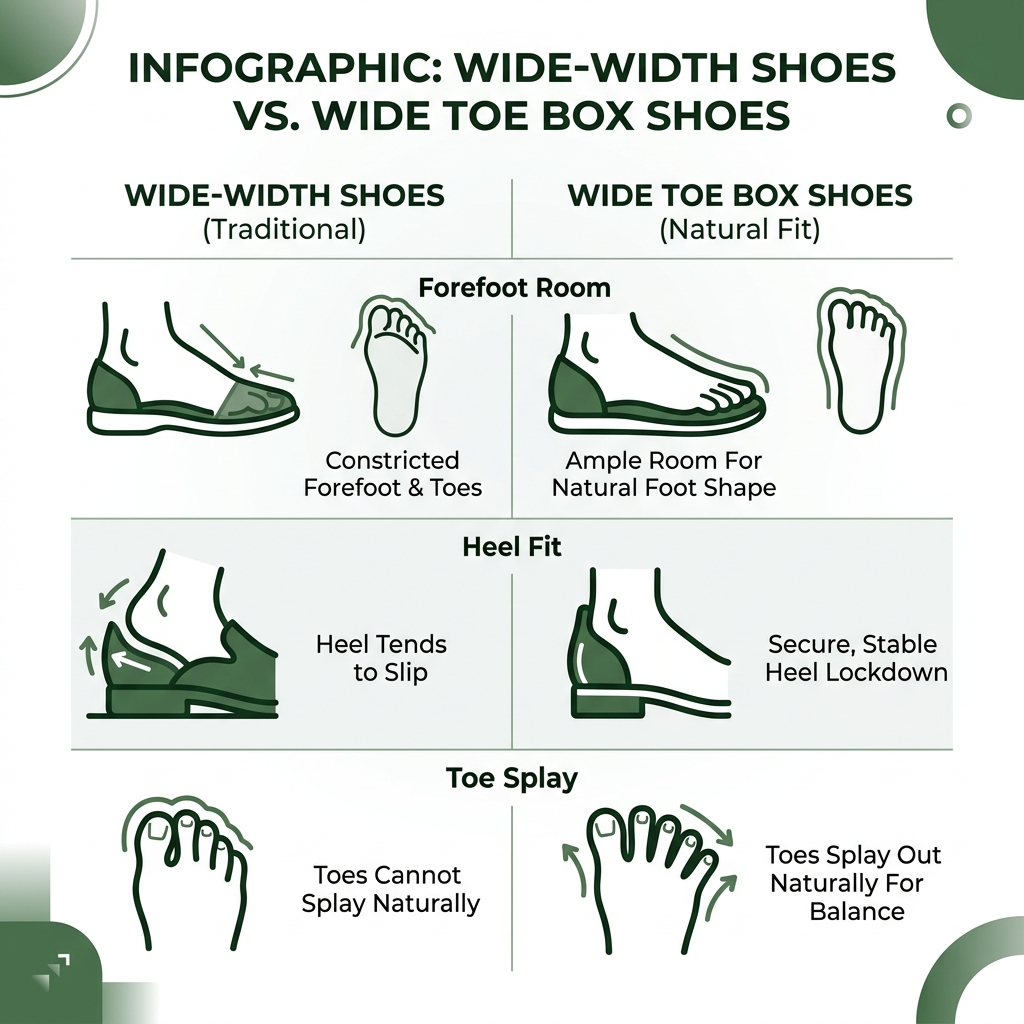
How do wide toe box shoes differ from regular wide-width shoes?
This is the most common point of confusion. A “Wide” shoe (2E, 4E, etc.) is typically wider throughout the entire length of the shoe—including the heel and the midfoot. This often causes “heel slip.”
In contrast, big toe box shoes are designed with an “anatomical” shape. They feature a snug, secure heel and midfoot to keep your foot from sliding around, but the front of the shoe flares out to match the natural shape of the human foot. This provides forefoot room where you need it most while maintaining a secure lockdown.
Can I wear big toe box shoes if I have narrow heels?
Yes! In fact, these are often the best choice for people with narrow heels. Because these shoes use a “combination last,” they are built to lock the heel in place while allowing the toes to “party” up front. Look for models with a reinforced heel cup and use lacing techniques like the “heel lock” or “runner’s loop” to ensure a perfect fit.
How do I transition to shoes with a wider toe box?
Transitioning is usually a relief, but your feet may feel a little tired at first as your intrinsic muscles begin to activate again. We recommend starting with best casual wide toe box shoes for errands and short walks before moving into high-intensity running or long work shifts. You can also use insole customization to add or remove arch support as your feet get stronger.
Conclusion
At On Clouder, we believe that your journey toward better foot health starts with giving your toes the space they were born to use. Whether you are a marathoner looking to prevent blisters or a nurse seeking relief from long hours on your feet, big toe box shoes offer a path to long-term mobility and preventive care.
Don’t let your footwear dictate your comfort. By choosing shoes that respect your natural anatomy, you can reduce pain, improve balance, and keep your feet feeling fresh well into the future. Ready to find your perfect fit? Explore Women’s Wide Toe Box Footwear and take the first step toward a pain-free stride today.
