
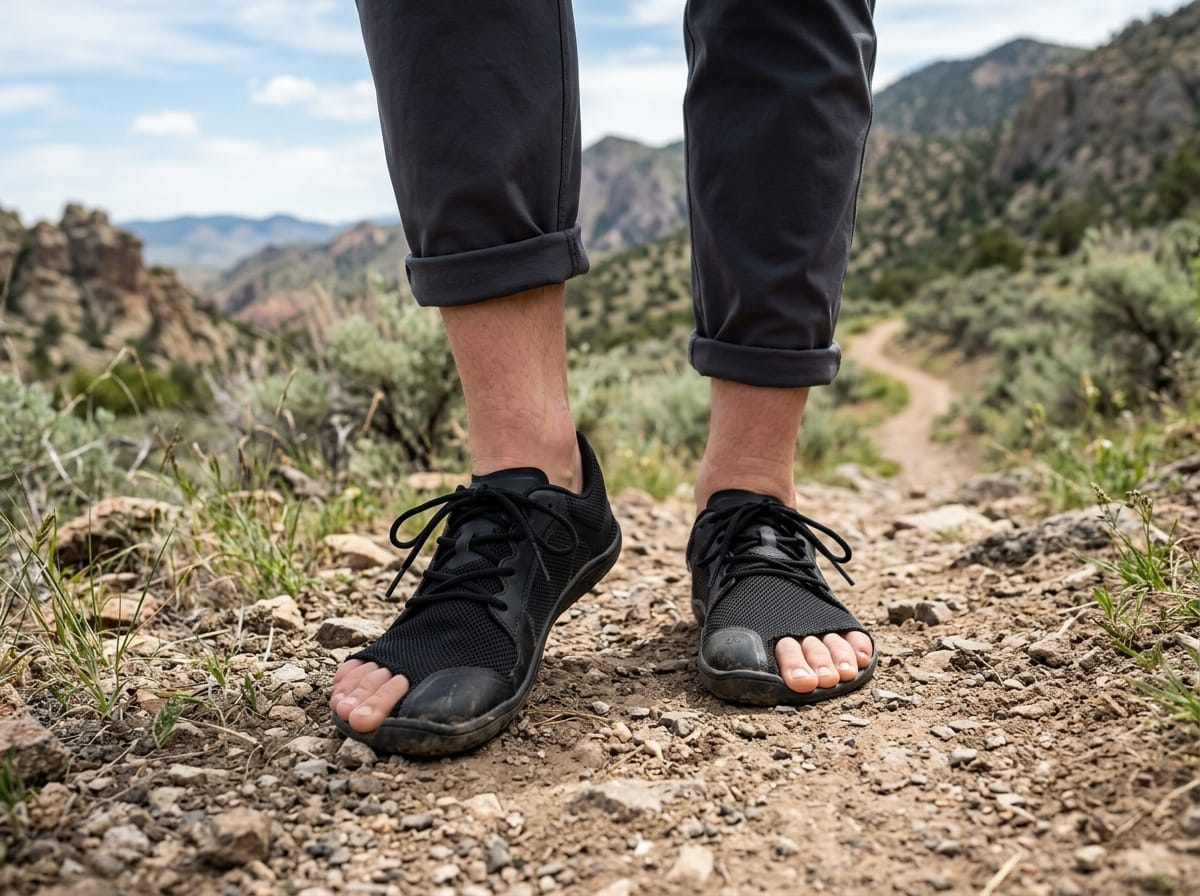
Why Your Feet Are Begging for Barefoot Shoes with a Wide Toe Box
barefoot shoes wide toe box designs are the single biggest upgrade you can make for your foot health — and the top picks worth knowing about right now are:
- Softstar Primal RunAmoc — one of the widest toe boxes available, ideal for natural toe splay
- Vivobarefoot Primus Trail Knit FG — top pick for trail running and hiking
- Groundies Barefoot+ — stylish daily wear with a wider-fit option
- Xero Shoes HFS 2 — lightweight running with zero drop
- Tolos Archetype 2.0 — best for gym and lifting
- Freet Flex — versatile everyday shoe with a 5-in-1 asymmetric forefoot
- Ahinsa xWide — therapist-designed for extra wide and high-volume feet
- WHITIN Barefoot Sneakers — best budget pick under $50
Most shoes are built narrow at the front. That design squeezes your toes together, restricts natural movement, and over time contributes to foot pain, poor posture, and muscle weakness.
The problem is real. Even many shoes labeled “minimalist” or “wide” still fail to give your toes enough room to spread naturally.
A true wide toe box lets all five toes splay outward the way they’re designed to — improving balance, strengthening the foot’s 29 muscles, and reducing stress on your joints. Pair that with zero drop (equal heel-to-toe height) and a thin, flexible sole, and you have a shoe that works with your foot instead of against it.
Whether you’re logging long shifts on your feet, clocking miles on trails, or just walking the dog — the right pair makes a noticeable difference.
I’m Faisal S. Chughtai, a footwear expert who has spent years testing and analyzing performance shoes, including an in-depth focus on barefoot shoes wide toe box designs for runners, active professionals, and anyone dealing with foot fatigue or pain. Below, I’ll walk you through exactly what to look for — and which models are worth your money.
What Defines Barefoot Shoes with a Wide Toe Box?
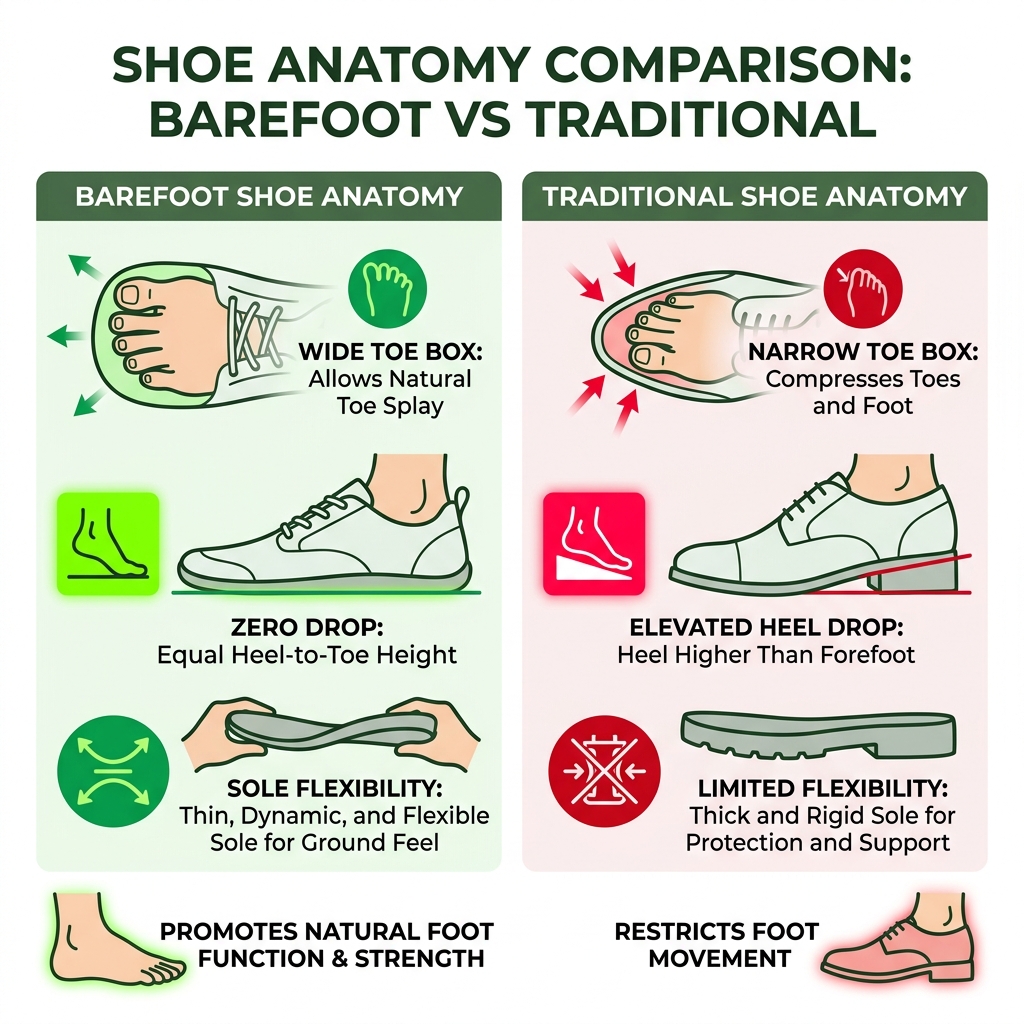
When we talk about barefoot shoes wide toe box enthusiasts love, we aren’t just talking about “roomy” sneakers. A true barefoot shoe is defined by a specific set of characteristics that mimic the experience of walking without shoes while providing protection from the elements.
The most critical feature is Zero Drop. This means the sole is completely flat from heel to toe. In traditional shoes, your heel is often elevated by several millimeters, which can throw your entire posture out of alignment. Research suggests that a few millimeters is all that’s required to throw your posture out of alignment and keep your feet from functioning correctly.
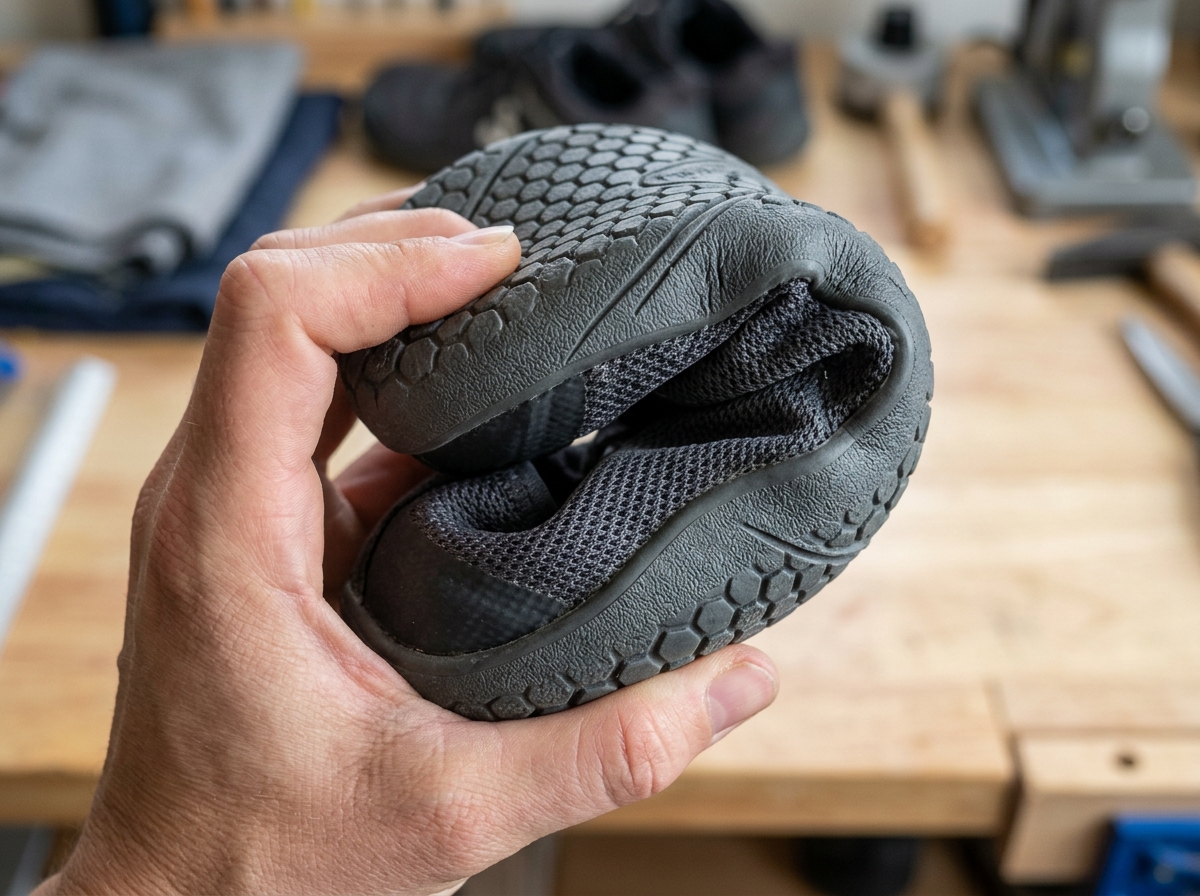
Next is the thin, flexible sole. Brands like Groundies use TrueSense technology to create soles that are mere millimeters thick. This allows for maximum flexibility and “ground feel.” When your feet can feel the textures of the earth, they send vital sensory feedback to your brain, which helps with balance and coordination.
Finally, the wide toe box itself is non-negotiable. Unlike traditional shoes that taper into a point, these shoes feature a more rectangular or “foot-shaped” forefoot. This design allows your toes to splay naturally, preventing them from being crushed into a pyramid shape.
Health Benefits of the Barefoot Shoes Wide Toe Box Design
Switching to a barefoot shoes wide toe box design isn’t just a fashion statement; it’s a biological reset for your body. Our feet are complex masterpieces of engineering, containing 26 bones, 33 joints, and over 100 muscles, tendons, and ligaments.
Posture and Balance
When you wear zero-drop shoes with a wide toe box, your weight is distributed evenly across your foot. This improves your “tripod” stability—the connection between your heel, big toe, and pinky toe. Studies show wide toe box shoes increase balance and natural foot function, helping you feel more grounded.
Muscle Strengthening
Traditional shoes act like a cast, letting your foot muscles grow lazy. Barefoot shoes force your feet to do the work. There are 29 muscles associated with the foot and ankle, and wearing minimalist footwear helps build these intrinsic muscles, leading to stronger arches and more resilient feet.
Pain Reduction
By allowing the foot to move naturally, many users report a significant reduction in joint and muscle pain. Zero drop shoes can improve posture and balance, even reducing joint and muscle pain. Furthermore, improved balance can also be an aspect that comes along with better proprioception, as more contact with the ground means more feedback to the brain. This is why studies say zero drop shoes can increase both balance and overall natural foot function.
Top-Rated Barefoot Shoes Wide Toe Box Models for Every Activity
Finding the right pair depends on what you plan to do in them. Here is a quick comparison of some of our top-tested models:
| Model | Activity | Weight (Approx) | Key Feature |
|---|---|---|---|
| Softstar Primal RunAmoc | Running/Trail | 6.4 – 10.2 oz | Widest toe box on market |
| Vivobarefoot Primus Trail | Hiking/Running | 9.0 oz | Recycled materials & grip |
| Tolos Archetype 2.0 | Lifting/Gym | 8.7 oz | High stability/Ground feel |
| Groundies Barefoot+ | Daily Wear | 8.5 oz | Stylish “Barefoot+” extra width |
| Xero Shoes HFS 2 | Road Running | 8.7 oz | 5,000-mile sole warranty |
| WHITIN Sneakers | Budget/Daily | 9.6 oz | Affordable entry point |
For a deeper dive into style-specific options, check out our guide on 15 barefoot sneakers that outperform the mainstream brands.
Best for Daily Wear and Casual Style
If you want the benefits of a barefoot shoes wide toe box without looking like you’re heading to a track meet, the Groundies Barefoot+ range is a game-changer. They offer a specific “Barefoot Fit+” for those who need even more room than a standard minimalist shoe. Another fantastic option is the Tolos Soleil, which offers a sleek knit upper that transitions perfectly from the office to the grocery store.
For those who prioritize a classic look, the Lems Primal series and the BareFlex Leather Sneaker offer timeless aesthetics with a 40% wider toe box than standard sneakers. You can find more of our favorites in our roundup of the best casual wide toe box shoes or explore the 10 best casual shoes with a wide toe box that dont look like orthopedic shoes.
Best Barefoot Shoes Wide Toe Box Options for Running and Hiking
When it comes to the trails, the Softstar Primal RunAmoc is legendary. It features a unique “Primal” sole shape that is widest at the toes rather than the ball of the foot. For technical terrain, the Vivobarefoot Primus Trail offers incredible puncture-resistant soles and aggressive grip. If you’re a fan of this brand, read our full take on vivo barefoot shoes.
Road runners will appreciate the Xero Shoes HFS 2, which includes a slight midsole for a more comfortable transition. We also highly recommend the Freet Flex, which uses an asymmetric 5-in-1 forefoot design. For women specifically, we’ve curated a list of the best womens wide toe box options for active lifestyles.
Best Barefoot Shoes Wide Toe Box Picks for Gym and CrossFit
In the gym, stability is king. The Vivobarefoot Motus Strength is designed specifically for high-impact movements like CrossFit, featuring reinforced sidewalls for rope climbs. The Tolos Archetype 2.0 is another powerhouse, tested for lifting up to 550 lbs thanks to its incredible ground connectivity.
Using a “tripod foot” positioning (heel, big toe, and pinky toe) in these shoes allows for better power transfer during squats and deadlifts. Plus, they help stop the squeeze why wide toe box shoes are a game changer for bunions by removing the lateral pressure that often plagues gym-goers in narrow trainers.
How to Find the Perfect Fit for Extra Wide Feet
Sizing for barefoot shoes wide toe box designs is different than sizing for Nikes or Vans. Here are our expert tips for getting it right:
- The Thumb’s Width Rule: You should have about a thumb’s width of space (roughly 1/2 inch or 12mm) between your longest toe and the end of the shoe. This allows your foot to slide forward naturally as you walk or run.
- Consider Volume: Width is only half the battle. If you have “beefy paws” or high arches, you need a high-volume shoe. The Ahinsa xWide, designed by physical therapists, is one of the most accommodating models for extra wide and high-volume feet.
- Measurement Technique: Don’t just guess your size. Place your heel against a wall and measure to the tip of your longest toe. Compare this in millimeters to the brand’s specific size chart.
- Toe Spacer Compatibility: If you use Correct Toes or other spacers, look for brands like Softstar or Ahinsa, which are specifically designed to fit spacers comfortably.
If you’re curious how these compare to your old favorites, check out our vans vs barefoot comparison to see the stark difference in foot-shaped design.
Transitioning Safely to Minimalist Footwear
We cannot stress this enough: do not switch to barefoot shoes full-time overnight. Your feet and calves have likely been shortened and weakened by years of traditional footwear.
Start by wearing your new barefoot shoes wide toe box for just 30 to 60 minutes a day around the house. Gradually increase the time as your muscles adapt. You might feel some “good” soreness in your arches and calves—this is your body waking up!
Focus on your gait. Instead of a heavy heel strike, aim for a midfoot or forefoot strike. Incorporate daily calf stretches to help lengthen the muscles that have been shortened by elevated heels.
If you’re on a budget, you don’t have to spend $200 to start. The WHITIN Barefoot Sneakers and AIRHAS Knit shoes are excellent, budget-friendly entry points that offer a true barefoot feel for under $50.
Frequently Asked Questions about Wide Toe Box Barefoot Shoes
How should barefoot shoes with a wide toe box fit?
They should feel secure in the heel and midfoot but completely free in the toes. You should be able to wiggle and splay your toes without touching the sides of the shoe. Use the “thumb’s width” rule at the front to ensure enough room for the foot to expand during movement.
Are there budget-friendly wide toe box barefoot shoes?
Yes! WHITIN and AIRHAS are the top-rated budget picks on platforms like Amazon. While they may not have the premium leather or 5,000-mile warranties of brands like Xero or Vivobarefoot, they provide the essential zero-drop and wide-toe-box features needed for foot health.
Can I wear socks with barefoot shoes?
Absolutely. While some prefer the “true” barefoot feel, many choose to wear socks for moisture management. We recommend Injinji toe socks, which allow your toes to splay individually, maintaining the benefits of the wide toe box.
Conclusion
At On Clouder, we believe that your footwear should empower your movement, not restrict it. Switching to barefoot shoes wide toe box designs is more than just a trend—it’s a commitment to long-term mobility and comfort. From the handcrafted precision of Softstar to the stylish versatility of Groundies, there has never been a better time to set your feet free.
Ready to make the switch? Find the best women’s wide toe box shoes here and start your journey toward healthier, happier feet today!
