
Why Knowing the Best Way to Clean Sports Shoes Matters for Performance and Longevity
The best way to clean sports shoes is to hand wash them using a soft brush, mild detergent, and warm water — cleaning each part separately for the best results.
Quick answer:
- Remove loose dirt — dry brush the outsole, midsole, and upper before any wet cleaning
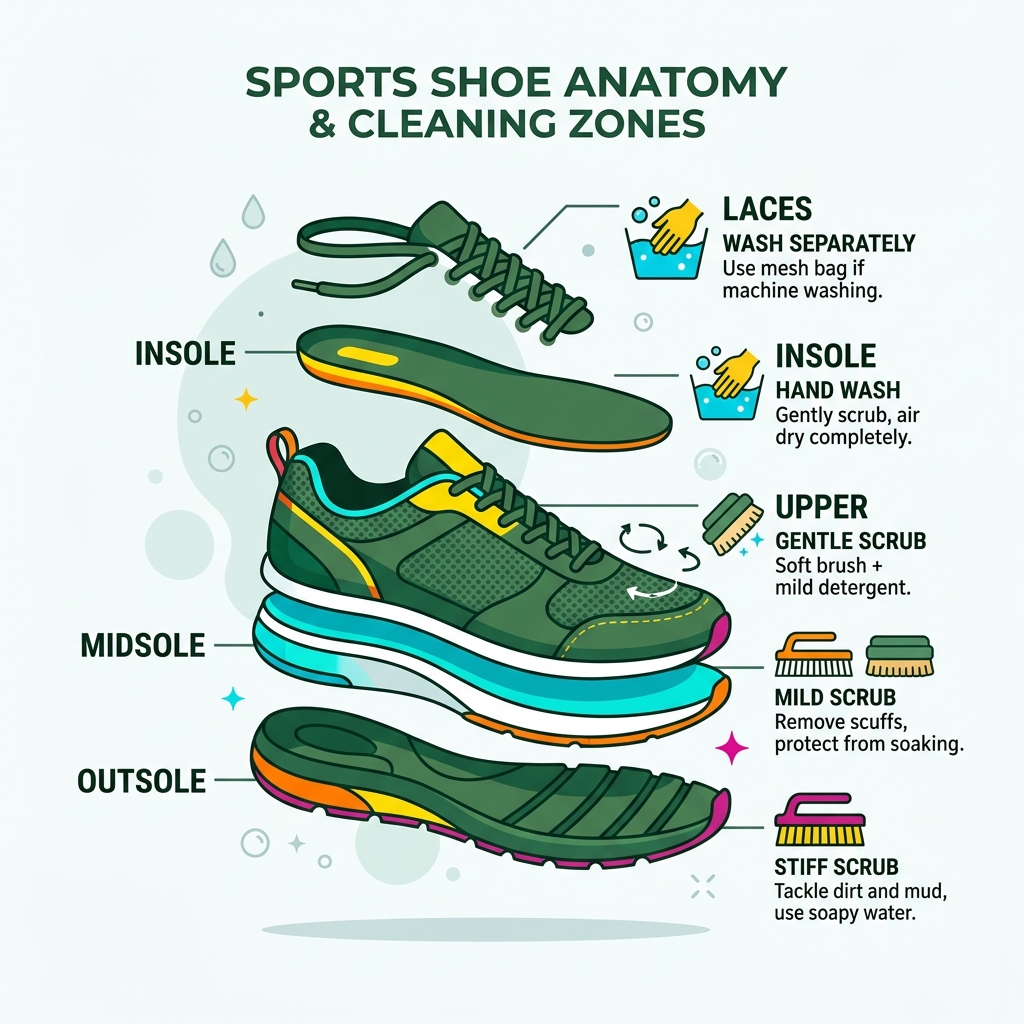
- Clean the outsole — scrub with a stiff brush and mild soapy water
- Clean the upper — gently scrub with a soft brush or cloth using diluted mild detergent
- Wash laces and insoles separately — hand wash or use a mesh bag on a gentle machine cycle
- Rinse lightly — avoid soaking the shoe
- Air dry at room temperature — stuff with newspaper to hold shape; never use a dryer or direct heat
Your sports shoes go through a lot. Mud, sweat, grass stains, and daily wear all take a toll — not just on how they look, but on how they perform. Dirt that works into mesh fabric acts like sandpaper, slowly grinding away the material with every step. Neglected insoles become a breeding ground for odor-causing bacteria. And caked-up outsoles lose grip, which can actually increase your risk of slipping.
The good news? Keeping your shoes clean doesn’t have to be complicated or time-consuming. A little regular care goes a long way toward protecting your investment and keeping your shoes feeling fresh mile after mile.
I’m Faisal S. Chughtai, a footwear comfort and performance specialist who has spent years helping runners and active professionals find — and maintain — the right shoes for their needs, including researching the best way to clean sports shoes across a wide range of materials and use cases. In this guide, I’ll walk you through everything you need to know to clean your sports shoes safely and effectively without causing damage.
Essential Supplies for the Best Way to Clean Sports Shoes
Before we dive into the scrubbing, we need to gather our toolkit. You don’t need expensive, specialized sneaker cleaners to get professional results. Most of the best way to clean sports shoes involves items you likely already have in your pantry or laundry room.

Here is what we recommend keeping on hand:
- Soft-bristled brush: An old toothbrush or a specialized soft shoe brush is perfect for delicate uppers and knit fabrics.
- Stiff brush: A vegetable brush or a firm-bristled shoe brush helps tackle the dried mud on the outsoles.
- Mild laundry detergent or dish soap: Look for “free and clear” options. Avoid harsh chemicals, bleach (unless cleaning white laces), or fabric softeners, which can break down technical fabrics.
- Microfiber cloths: These are excellent for blotting moisture and wiping down leather or synthetic overlays without leaving lint behind.
- Baking soda: The ultimate odor neutralizer and a great abrasive for tough stains on white midsoles.
- Toothpicks or a “dirt pick”: Essential for digging out those annoying pebbles stuck in the tread of your trail runners.
- Warm water: Not hot! High temperatures can warp the foam and weaken the adhesives holding your shoe together.
- White vinegar: Great for disinfecting insoles and breaking down salt stains.
- Magic Eraser: A secret weapon for removing scuff marks from white rubber midsoles.
Step-by-Step Guide to Hand-Cleaning Your Athletic Footwear
We always emphasize that hand-washing is the best way to clean sports shoes. While it takes a few more minutes than throwing them in the wash, it significantly extends the life of the foam and technical mesh.
1. Debris Removal
Start by knocking the soles of your shoes together outdoors to loosen large chunks of mud. Use a dry, stiff brush to sweep away loose dirt from the entire shoe. If you’ve been playing on grass, this is the time to check for green streaks. Knowing how to get grass stains out of shoes starts with removing the dry organic matter before it gets wet and sets into the fibers.
2. Lace and Insole Care
Remove the laces and insoles. This is a critical step! Laces can be soaked in a bowl of warm water with a bit of detergent. If they are white, a small amount of bleach (about 3 tablespoons per gallon of water) can help restore their brightness. For the insoles, scrub them gently with a soapy sponge. Since insoles absorb the most sweat, they are often the source of “stinky shoe syndrome.”
3. Tackle the Tough Stuff
If you’ve stepped in something sticky, like asphalt or road grime, you’ll need a specific approach. Learning how to get tar off shoes usually requires a bit of extra patience and perhaps a specialized cleaner that won’t melt the rubber. For standard mud, use your stiff brush and soapy water to scrub the outsoles until the tread is visible again.
Cleaning the Best Way to Clean Sports Shoes: Uppers and Midsoles
The “upper” is the fabric part of the shoe, and it requires the most “finesse.” If you are wondering how to clean white on cloud or other high-performance sneakers, the key is blotting, not rubbing.
- Dilute your soap: Use a very small amount of detergent in a large bowl of warm water. Too much soap leaves a sticky residue that actually attracts more dirt later.
- Circular motions: Use your soft brush in gentle, circular motions. For knit or mesh shoes, try to brush in the direction of the fabric weave to prevent snagging.
- Foam preservation: Be careful around the midsole (the cushioned part). While durable, excessive scrubbing with harsh brushes can cause the foam to “pill” or lose its sleek finish.
- Stain lifting: If a stain is stubborn, apply a paste of baking soda and water, let it sit for 15 minutes, and then gently blot it away with a damp microfiber cloth.
Specialized Care for the Best Way to Clean Sports Shoes by Material
Not all sports shoes are created equal. A leather basketball shoe needs different love than a mesh marathon racer.
- Mesh and Knit: These are breathable but trap dirt easily. Never soak them entirely, as the internal structures can lose their shape. If you have waterproof mesh, like when learning how to clean vessi shoes, avoid harsh scrubbing that might damage the internal waterproof membrane.
- Leather: Use a damp cloth and a very mild soap. Avoid soaking leather, as it can crack when it dries. After cleaning, a leather conditioner can help keep the material supple.
- Suede: This is the “diva” of shoe materials. Never use water on suede! Use a dedicated suede brush and a suede eraser to lift marks.
- Gore-Tex: For shoes with Gore-Tex membranes, use specialized footwear cleaners. Standard detergents can sometimes “gum up” the pores of the breathable membrane, ruining the waterproofing.
- Canvas: Canvas is durable and can handle a bit more vigorous scrubbing. However, even for canvas, we suggest following the tips in How to Wash Shoes in the Washing Machine | Whirlpool to ensure you don’t ruin the glue bonds.
Can You Use a Washing Machine or Dryer?
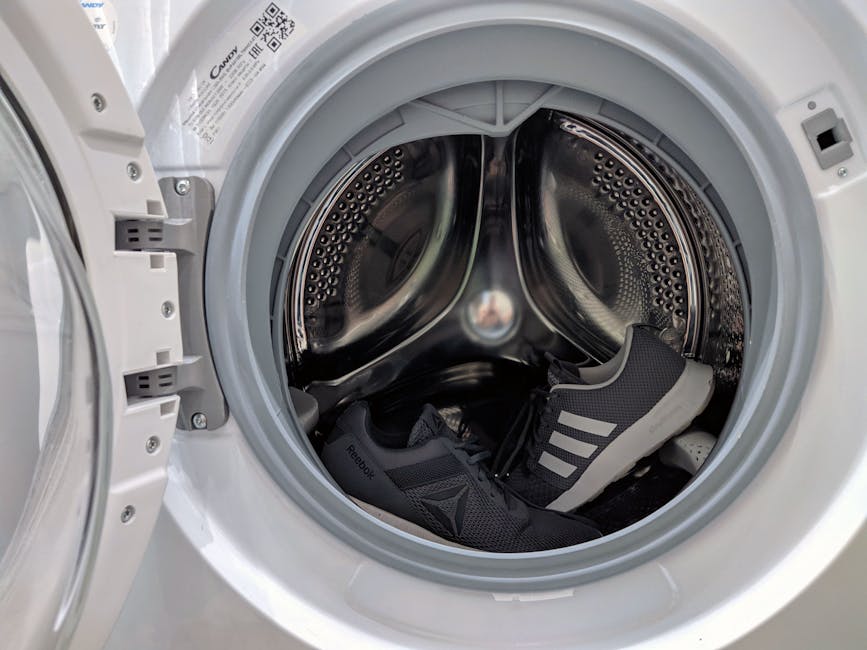
This is the million-dollar question. While brands like Nike and Adidas generally advise against it to protect the integrity of the shoe, we know that sometimes convenience wins. If you must use a machine, you need to do it safely.
| Feature | Hand Washing | Machine Washing |
|---|---|---|
| Risk of Damage | Very Low | Moderate to High |
| Cleaning Depth | Targeted / Deep | General Surface |
| Time Effort | 20-30 Minutes | 5 Minutes Prep |
| Foam Integrity | Preserved | Risk of Compression |
If you decide to take the risk, check out our guide on can you put clouds in the washing machine guide for safe cleaning. Generally, the rules are:
- Use a mesh bag: Put each shoe in its own mesh laundry bag or a pillowcase.
- Add towels: Throw in some old towels to balance the load and stop the shoes from banging against the drum.
- Cold water only: Heat is the enemy of shoe glue.
- Delicate cycle: Use the slowest spin setting possible.
For brand-specific instructions, see how to wash on cloud. Crucially, never put sports shoes in the dryer. The high heat can cause the midsoles to shrink or warp, and it can even melt the aglets (the plastic tips) on your laces.
Maintenance, Drying, and When to Replace Your Shoes
The cleaning is only half the battle; the drying process is where many people accidentally ruin their gear.
The Art of Drying
- Stuff them: Use crumpled-up newspaper or paper towels to stuff the inside of the shoes. This does two things: it wicks moisture from the inside out and helps the shoe maintain its structural shape.
- Room temperature: Keep them away from radiators, heaters, or direct sunlight. Direct sun can fade colors and “cook” the foam, making it brittle.
- Patience: Expect it to take at least 8 to 12 hours for shoes to dry completely. Don’t put the insoles back in until everything is bone-dry to prevent mold.
Frequency Guidelines
How often is the best way to clean sports shoes?
- Road Runners: Every 2–4 weeks, or when they look visibly grimy.
- Trail Runners: After every muddy run. Dried mud on the outsole reduces traction, which is a safety hazard.
- Gym/Basketball: Weekly, especially the outsoles. Dust on a basketball court turns your shoes into ice skates; keeping the rubber clean ensures maximum grip.
When to Say Goodbye
Cleaning can’t fix a worn-out shoe. Most high-quality running shoes have a lifespan of 300 to 500 miles. Even if they look sparkling clean on the outside, the internal “midsole compression” means they are no longer providing the support your joints need. If you notice the tread is bald, the foam feels “dead,” or you’re experiencing new aches in your feet or knees, it’s time to replace them rather than clean them.
Frequently Asked Questions about Sports Shoe Cleaning
How often should I clean my running or trail shoes?
There is no “perfect” schedule, but we recommend a quick visual check after every workout. For trail runners, if you see mud caked in the lugs, clean them immediately. For road shoes, a deep clean every two weeks helps prevent dirt from acting like sandpaper on the mesh. Regular maintenance is the best way to clean sports shoes because it prevents stains from becoming permanent.
What is the best way to keep white sports shoes bright?
White shoes are a magnet for stains. The best way to clean sports shoes that are white is to use a paste of equal parts baking soda and warm water. Apply the paste, let it dry, and then brush it off. For extremely stubborn yellowing, a tiny bit of hydrogen peroxide can help. Some enthusiasts swear by “mummifying” white canvas shoes in wet toilet paper while they dry; as the paper dries, it “sucks” the yellow stains out of the fabric into the paper.
How do I remove stubborn odors from my gym shoes?
Odors are caused by bacteria thriving in moisture. To kill them:
- Vinegar soak: Wipe the inside of the shoe with a 50/50 mix of white vinegar and water.
- Baking soda: Sprinkle baking soda inside the shoe overnight and shake it out in the morning.
- Replace insoles: Sometimes the odor is permanently trapped in the foam of the insole. Buying a fresh pair of insoles can make an old shoe smell brand new.
- Charcoal inserts: Using bamboo charcoal bags between wears helps absorb moisture and neutralize scent.
Conclusion
At On Clouder, we believe that your footwear is the most important piece of equipment you own. Whether you are a marathoner, a nurse on a 12-hour shift, or a casual walker, taking care of your shoes ensures they can take care of your feet.
By following the best way to clean sports shoes—hand washing, air drying, and regular maintenance—you optimize your performance and protect your investment. Ready to get your favorite pair back in peak condition? Check out our on-cloud-shoes-a-step-by-step-guide for more specific tips on keeping your high-performance gear in top shape!
