
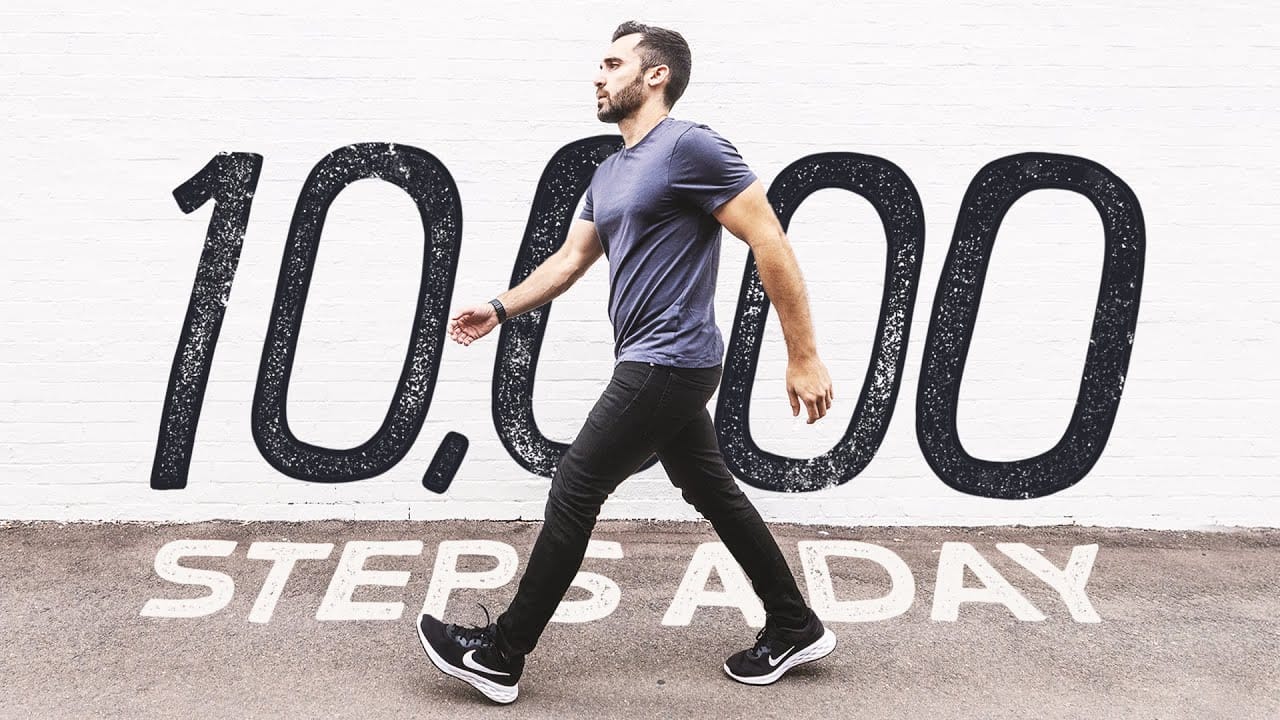
Beyond the Hype: My Honest Experience Walking 10,000 Steps a Day in Onclouds
We’ve all seen them. Whether you’re at a high-end coffee shop in Manhattan, a suburban park in London, or a tech hub in Tokyo, those distinct, hollow “pods” on the soles of sneakers are unmistakable. The brand is On, and the hype surrounding Onclouds has reached a fever pitch in 2026.
As someone who treats their daily 10,000-step goal like a sacred ritual, I’ve always been a skeptic of “trendy” footwear. I’ve spent years in the reliable, if somewhat boring, embrace of traditional orthopedic-leaning brands. But after months of seeing the “Cloud” silhouette everywhere, I decided to put the marketing to the ultimate test. No sprints, no marathons—just 30 days of hitting 10,000 steps a day on asphalt, grass, and treadmill.
Is it truly like walking on clouds, or is it just clever Swiss marketing? Here is my unfiltered journey.
The “First Mile” Impression: Not What I Expected
When you first slide your foot into an Oncloud (I chose the Cloud 5 for its classic status), the sensation is confusing. If you’re coming from a “max-cushion” shoe like a Hoka or a New Balance Fresh Foam, your first thought might be: “Wait, is this it?”
Unlike the marshmallow-soft squish of its competitors, the Oncloud feels firm. The Swiss engineering philosophy isn’t about sinking into the shoe; it’s about responsiveness. The initial 1,000 steps felt structured—almost like the shoe was waiting for me to do something more exciting than walk to the grocery store.
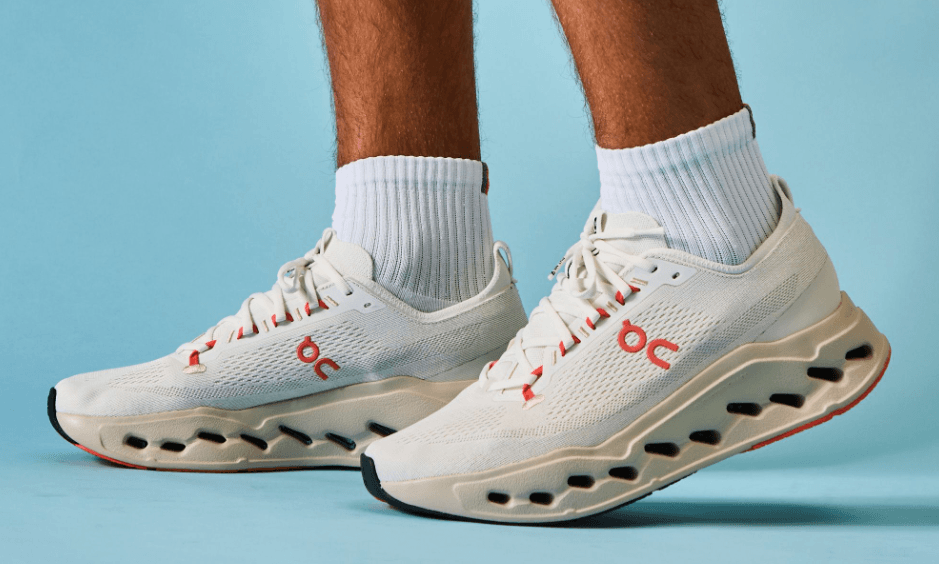
Understanding the “Click”
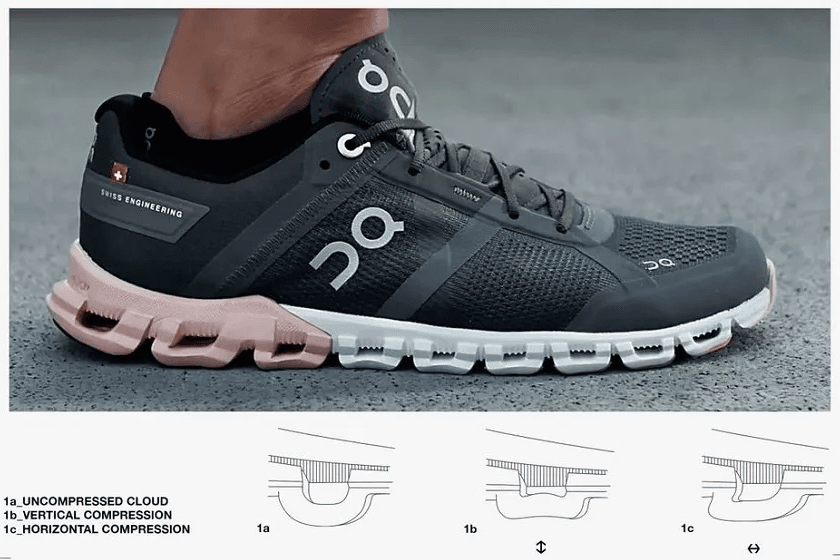
By step 3,000 on Day One, I noticed something. The firm sensation wasn’t lack of cushioning; it was support. Traditional foam shoes often feel great for the first twenty minutes, but as the foam compresses under your body weight, your arch begins to crave stability. The CloudTec® pods don’t just collapse; they provide a “bottomed-out” stability that kept my gait neutral.
The Science of the “Daily 10K”
Why does walking 10,000 steps in Onclouds feel different than running in them? To answer this, we have to look at the transition of the foot. When you run, you’re landing with 3x your body weight. When you walk, it’s a constant, rolling motion.
The Role of the Speedboard® in Walking
Inside the midsole of the Oncloud is a thermoplastic polymer plate called the Speedboard®. In a 5K race, this acts like a spring. In a 10,000-step daily walk, it acts like a rocker.
I found that around the 7,000-step mark—where my feet usually start to feel “heavy”—the Speedboard® actually helped facilitate the toe-off motion. It felt like the shoe was doing 10% of the work for me, gently nudging my foot into the next step. For someone battling late-afternoon fatigue, this was a game-changer I didn’t see coming.
Breathability: The 2026 Standard
In the past, walking long distances in sneakers led to the inevitable “hot foot” by mile four. The 2026 Oncloud models use a recycled antimicrobial mesh that is incredibly thin. Even during a humid afternoon walk, my feet stayed dry. However, a word of caution: this breathability is a double-edged sword. If you’re walking in a 2026 winter chill, you will feel the breeze.
The 30-Day Durability Test
One of the loudest criticisms of earlier On models was that the pods would wear down or, worse, trap small stones. I made it my mission to walk through gravel paths and city debris to see if the 2026 designs had fixed these “pebble-traps.”
Addressing the Stone Issue
I’m happy to report that the “central channel” on the newer outsoles has been widened and tapered. Over 300,000 total steps, I only had to pick out a stone twice. Compared to the models from three years ago, this is a massive engineering win.
Outsole Wear and Tear
By Day 20, I checked the tread. Walking is surprisingly abrasive on outsoles because of the heel-strike-to-toe-roll motion. While there was some slight smoothing on the outer heel (where I tend to strike hardest), the structural integrity of the “Clouds” remained intact. They didn’t “pack out” or lose their bounce, which is a common death sentence for cheaper walking shoes.
Dealing with Different Terrains
My 10,000 steps weren’t just on flat mall floors. I took them across three distinct environments:
The Urban Jungle (Concrete): This is where Onclouds shine. The CloudTec® is designed for hard surfaces. The harder the ground, the more you feel the “rebound” of the pods.
The Park (Grass/Dirt): On damp grass, the grip was adequate but not stellar. If you’re a dedicated trail walker, the Cloudventure would be a better choice than the standard Cloud.
The Office (Carpet): Interestingly, the shoes felt almost silent on carpeted floors. For those hitting their step goals by pacing during conference calls, these won’t announce your presence with a squeak.
Is the “Cloud” Aesthetic Actually Functional?
Let’s be honest: part of the “hype” is how they look. But does the design hinder the walk?
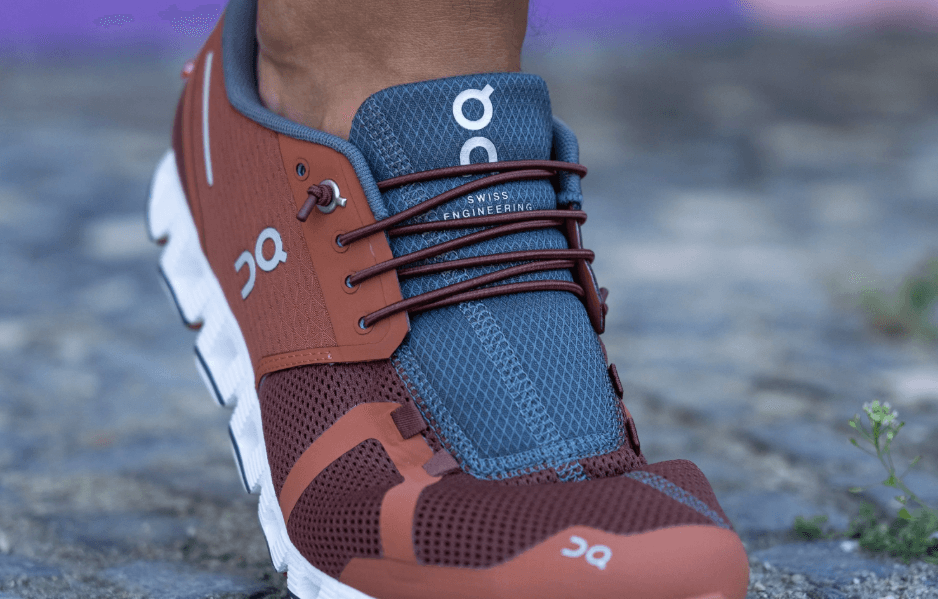
The narrow heel of the Oncloud provides a “locked-in” feeling that prevents heel slippage—a major cause of blisters during long walks. I finished my 30-day trial with zero blisters and zero hot spots. The “Speed Lacing” system (the elastic laces) was another highlight. I was skeptical they would be tight enough for a brisk walk, but they held firm while allowing my feet to expand naturally as they warmed up over the miles.
The Mental Shift: From Skeptic to Convert
Something happens around Day 14 of walking 10,000 steps in Onclouds. You stop thinking about the shoes.
That is the ultimate praise for a walking shoe. When a shoe is bad, you think about it every minute. You think about the pinch in your pinky toe or the ache in your heel. When a shoe is engineered correctly, it disappears. The Oncloud became an extension of my foot. I found myself reaching for them not because they were “trendy,” but because my body felt less “beat up” at the end of the day.
The Final Verdict: Worth the Investment?
At a price point typically ranging from $140 to $170 in 2026, Onclouds are an investment. If you are a casual walker who hits 2,000 steps a day, you might not see the ROI.
However, if you are committed to the 10,000-step lifestyle, the math changes. Over 30 days, I felt:
Less calf tightness in the evenings.
Zero lower back strain after long standing periods.
Increased motivation to walk, simply because the shoes made the movement feel “crisp.”
Pros
Weight: Extremely lightweight; reduces leg fatigue.
Style: Transitions from the gym to a dinner date effortlessly.
Energy Return: The Speedboard® actually works for walkers, not just runners.
Cons
Price: Higher entry point than many standard walking shoes.
Firmness: If you want a “pillow” feel, these will be too stiff for you.
Cold Weather: The mesh is so breathable it offers little insulation.
Conclusion: Living Beyond the Hype
The hype suggests that Onclouds are a magic pill for athleticism. The reality is better: they are a highly disciplined piece of Swiss equipment. They don’t make you a better walker, but they remove the obstacles—the fatigue, the heat, and the heaviness—that stop you from reaching your goals.
After 300,000 steps, I can confidently say that the “Office Athlete” and the “City Explorer” have found their match. My old walking shoes are now relegated to lawn-mowing duty. I’m staying on the Clouds.
