
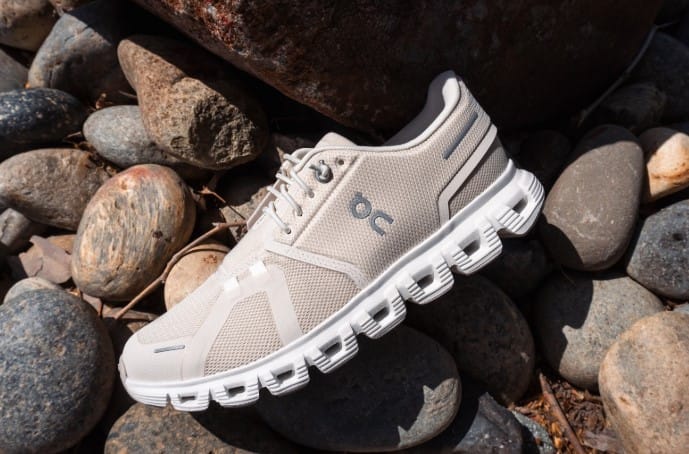
For people like nurses, retail associates, teachers and warehouse workers the workday is not just about hours it is about miles. When you stand all day your feet have to support your body weight often on hard surfaces like concrete or tile. If you do not take care of your feet this can cause more than tired feet it can cause serious problems like plantar fasciitis, varicose veins and lower back pain.
If you have ever come home from work and felt like your feet were hurting a lot it is time to do something. This guide will give you 10 expert foot health tips and tell you about the shoes to prevent pain so you can finish your work feeling as strong as when you started.
1. Prioritize Arch Support When Standing All Day
- A lot of people make a mistake when they choose shoes. They think that soft shoes are the best. They are not. Soft shoes may feel good at first. They do not give your feet the support they need for a long day.
- Expert foot doctors say you should look for shoes with arch support. This helps your feet stay in the position and prevents your arches from hurting.
- If your favorite work shoes do not have arch support you can buy special inserts to put in them. These inserts help spread the pressure evenly across your feet.
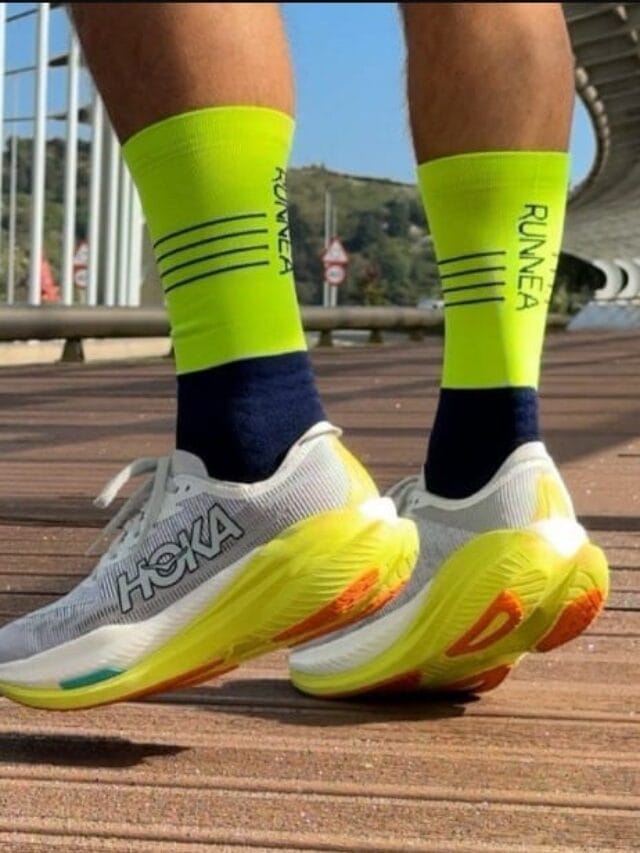
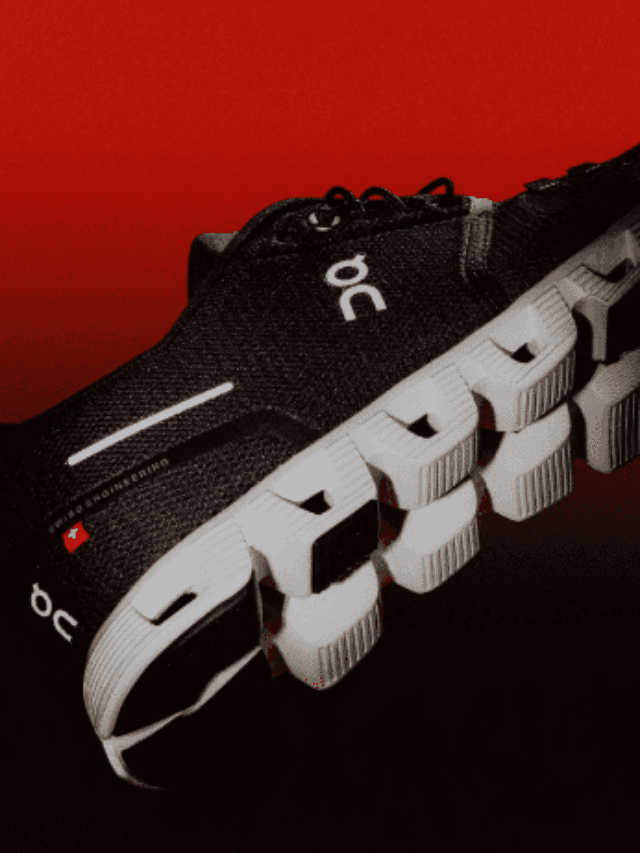
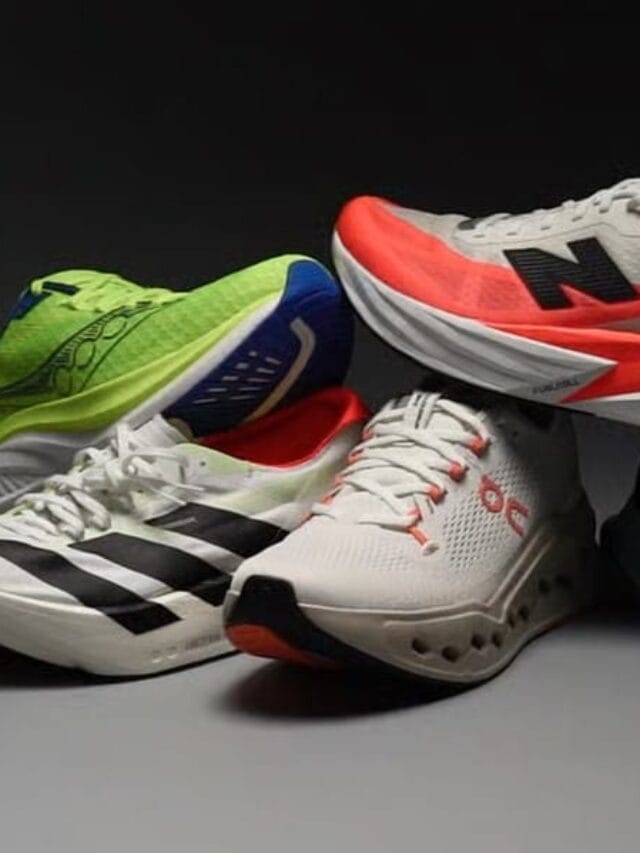

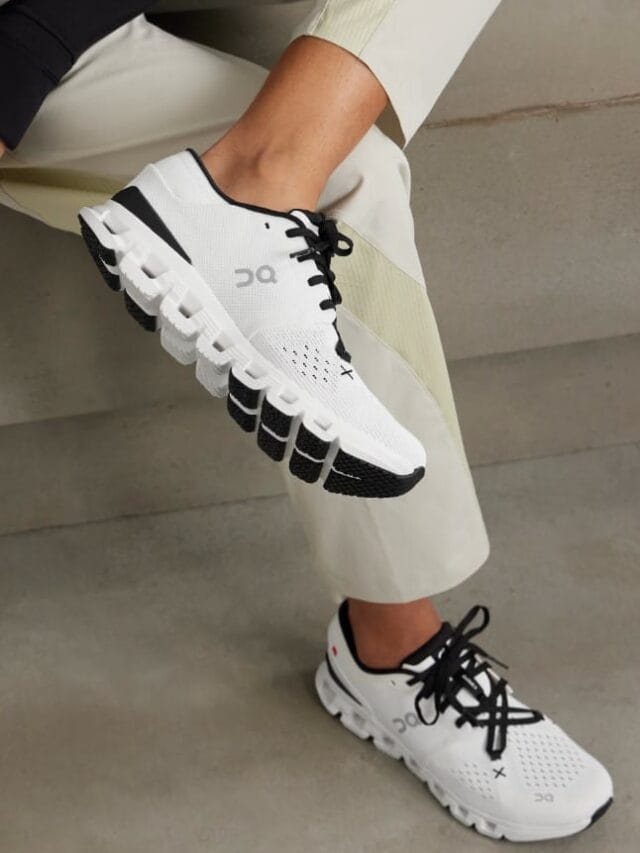
2. Choose the Best Shoes to Prevent Pain with a Toe Box
- When you stand for a long time your feet get bigger. If your shoes are too narrow this can cause problems like blisters and bunions.
- The best shoes to prevent pain have a toe box. This means you can wiggle your toes freely in your shoes.
- If your toes feel tight in your shoes it can affect the blood flow to your feet, which can make you feel tired.
3. Rotate Your Footwear Regularly
- It may seem like a luxury to have two pairs of work shoes but it is actually necessary for people who stand all day.
- Most shoes need 24 to 48 hours to recover after a day.
- If you have two pairs of shoes you can switch between them. Give each pair time to recover.
- This also helps because it changes the pressure points on your feet so you do not put much stress on the same muscles and joints every day.
4. Wear Compression Socks to Boost Circulation
- One of the problems with standing all day is that blood can collect in your legs.
- This can cause swelling. Increase the risk of varicose veins.
- Compression socks can help with this problem.
- They put pressure on your legs, which helps the blood flow and reduces the heavy feeling in your legs at the end of the day.
- Many athletes and doctors like to wear compression socks that give 15-20 mmHg of pressure.
5. Utilize Anti- Mats Whenever Possible
- If you have to stand in one place for a long time like at a cash register or a standing desk you should use an anti-fatigue mat.
- These mats are special because they are not completely flat.
- They make your leg muscles move a little which helps the blood flow and reduces the stress on your joints.
- This is especially helpful because hard floors can be very tough, on your joints.
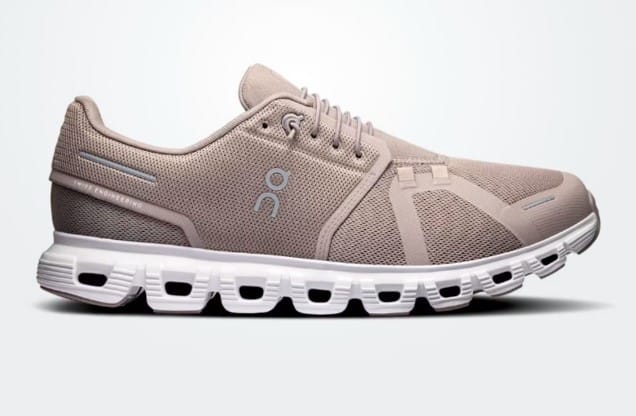
Comparison of the Best Shoes for Standing All Day (2026 Recommendations)
| Shoe Model | Best For | Key Feature |
| HOKA Bondi 8 | Maximum Cushioning | Thick EVA foam midsole for joint protection |
| ASICS Gel-Nimbus 26 | Standing on Concrete | PureGEL™ technology for impact absorption |
| Brooks Ghost Max 2 | Lower Back Pain | High stack height and stable rocker base |
| New Balance Fresh Foam X | Wide Feet | Available in multiple width sizes (2E, 4E) |
| Dansko Professional Clog | Healthcare/Hospitality | Rigid arch support and easy-to-clean leather |
6. Perform Dynamic Stretches to Relieve Foot Pain
Don’t wait until you get home to care for your feet. Incorporating foot health tips into your breaks can prevent stiffness from setting in. Simple movements like calf raises or ankle circles help pump blood back toward the heart.
One expert-recommended stretch is the “Towel Curl”: while sitting, place a towel on the floor and use only your toes to scrunch it toward you. This strengthens the intrinsic muscles of the foot, making them more resilient to the strain of standing all day.
7. Invest in Shoes with a Rocker Sole
A “rocker sole” is a shoe design where the heel and toe are slightly curved upward. This design helps the foot transition from heel-to-toe more effortlessly, reducing the amount of work your ankles and midfoot have to do. For those with arthritis or general foot fatigue, a rocker sole can significantly reduce the energy expenditure of every step.
8. Elevate and Ice After Your Shift
When you finally get home, the recovery phase begins. Elevating your feet above the level of your heart for 20 minutes is the fastest way to reduce swelling.
If you’re experiencing acute pain, try the “Frozen Water Bottle Roll.” Place a frozen bottle of water on the floor and roll the arch of your foot over it. This provides a dual benefit: a deep-tissue massage for the plantar fascia and cold therapy to reduce inflammation.
9. Replace Your Shoes Before They Look “Old”
Most people wait until there’s a hole in their shoe to buy a new pair. However, the internal support of a shoe usually fails long before the exterior looks worn out.
If you are standing all day, you should replace your shoes every 300 to 500 miles—or roughly every 6 months if you work full-time. Once the midsole foam loses its integrity, it no longer absorbs shock, meaning your knees and hips have to do that work instead.
10. Consult a Podiatrist for Custom Solutions
Sometimes, even the best shoes to prevent pain aren’t enough if you have unique biomechanical issues like high arches or flat feet. A podiatrist can perform a gait analysis to see exactly how your foot strikes the ground. They can prescribe custom orthotics that are molded specifically to your foot, providing a level of support that off-the-shelf shoes simply cannot match.
The Anatomy of the Perfect Work Shoe
When shopping for footwear, keep these three technical elements in mind to ensure you are following the best foot health tips:
- Shock Absorption: Look for materials like EVA or polyurethane in the midsole.
- Heel Counter: This is the back part of the shoe. It should be firm; if you can easily fold it down, it won’t provide enough ankle stability.
- Breathability: Mesh uppers help regulate temperature. Sweaty feet lead to friction, which leads to blisters.
Final Thoughts on Preventing Foot Pain
Standing all day is a physical feat that requires the right equipment and a proactive recovery routine. By combining the best shoes to prevent pain with consistent foot health tips—like wearing compression socks and stretching—you can protect your body from the long-term effects of a demanding job.
Your feet are the foundation of your entire body. When they hurt, everything from your knees to your neck suffers. Invest in your foundation today, and your body will thank you for years to come.
Training for Your First Marathon? Why On Cloud Shoes Should Be Your Choice
